
 Attractions
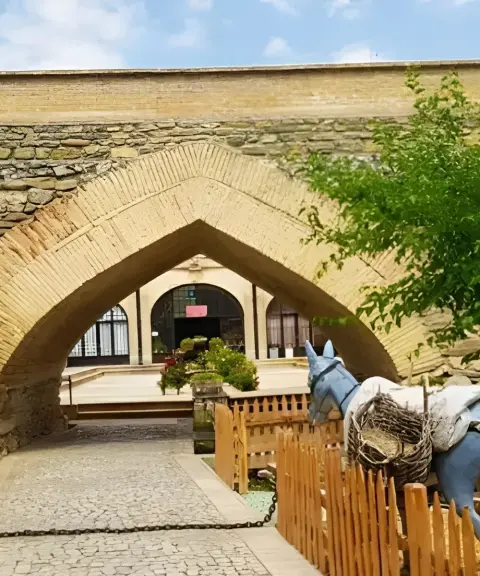
Historical Mosalla Bridge
Province Chaharmahal and Bakhtiari
- Walking
A living account of the culture and way of life of past generations
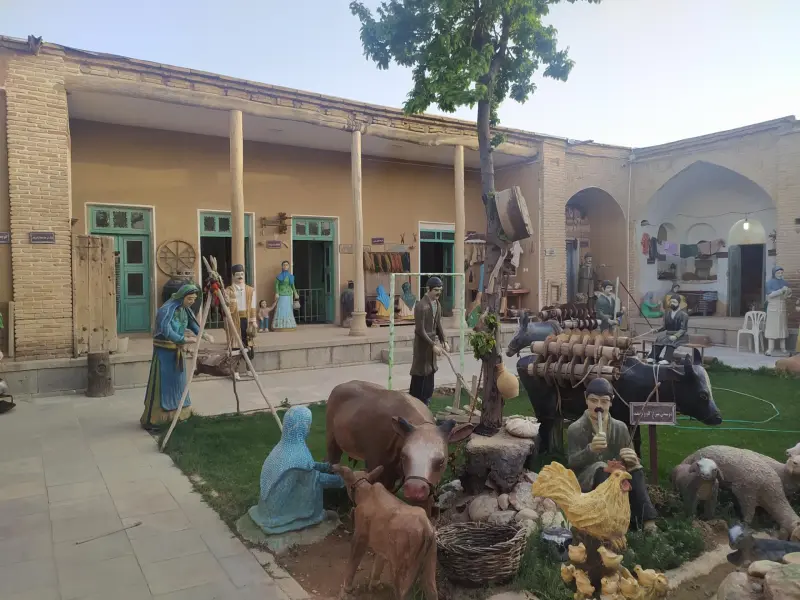
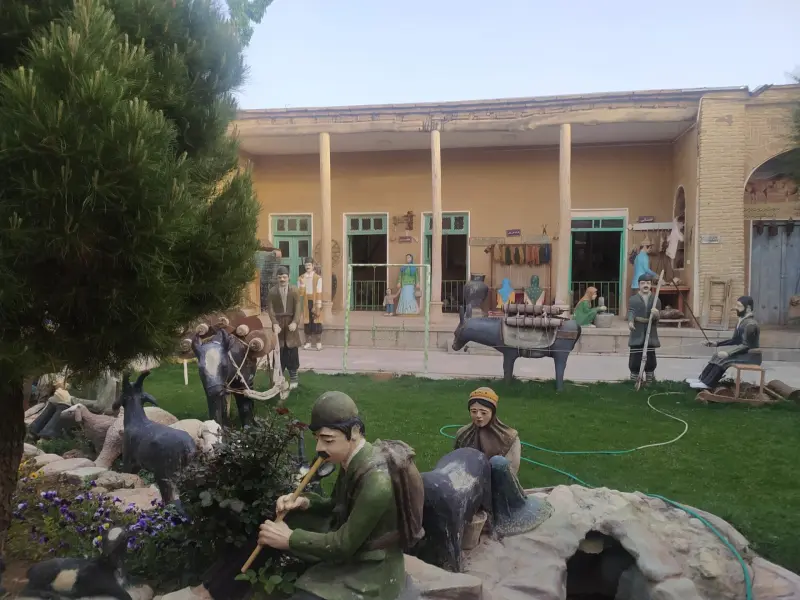
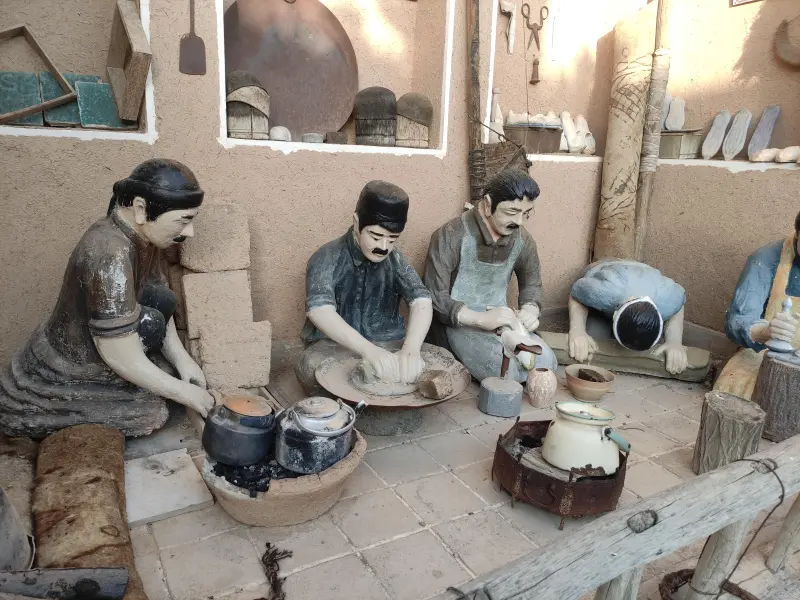
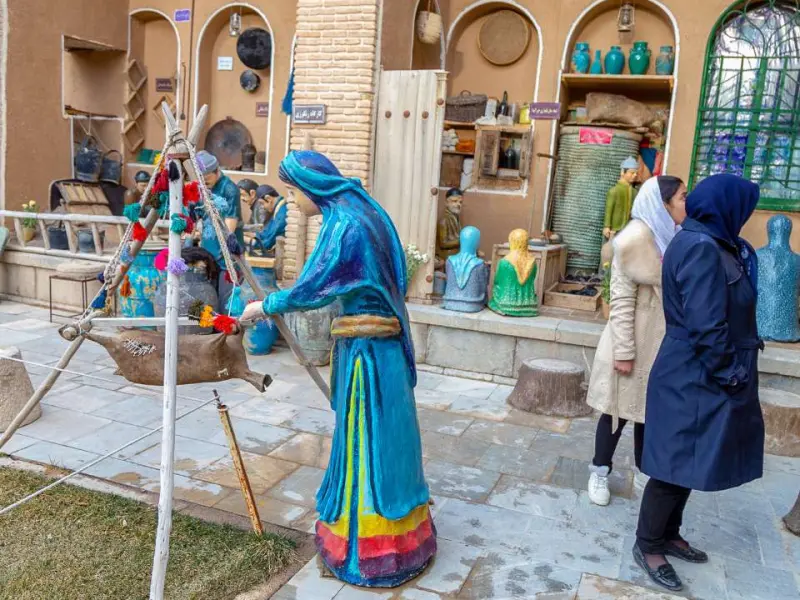
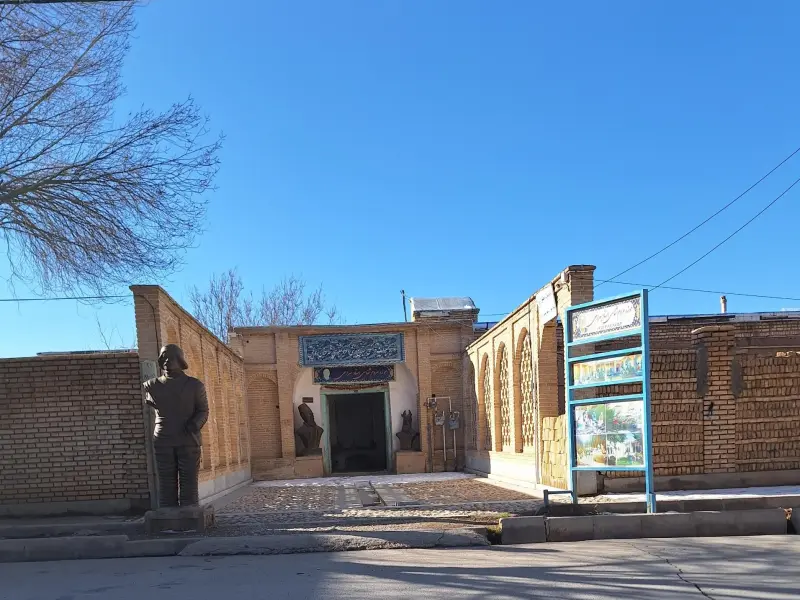
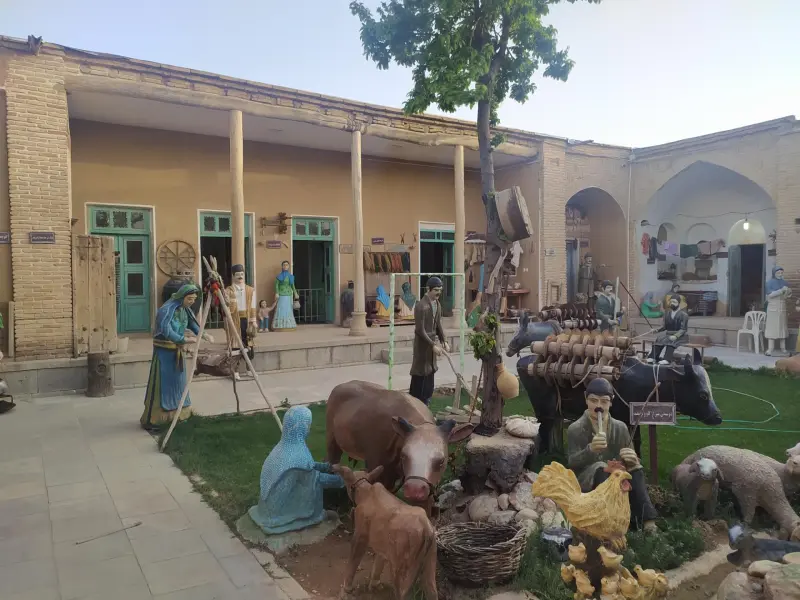
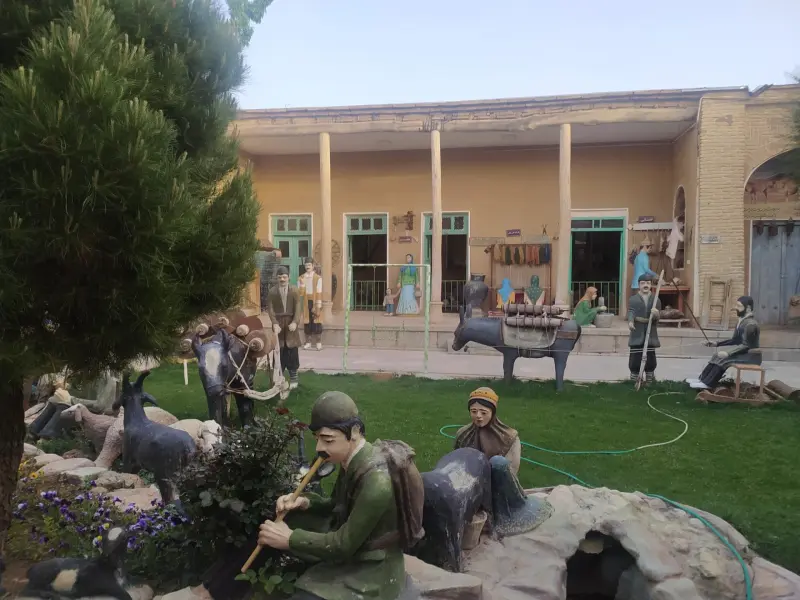
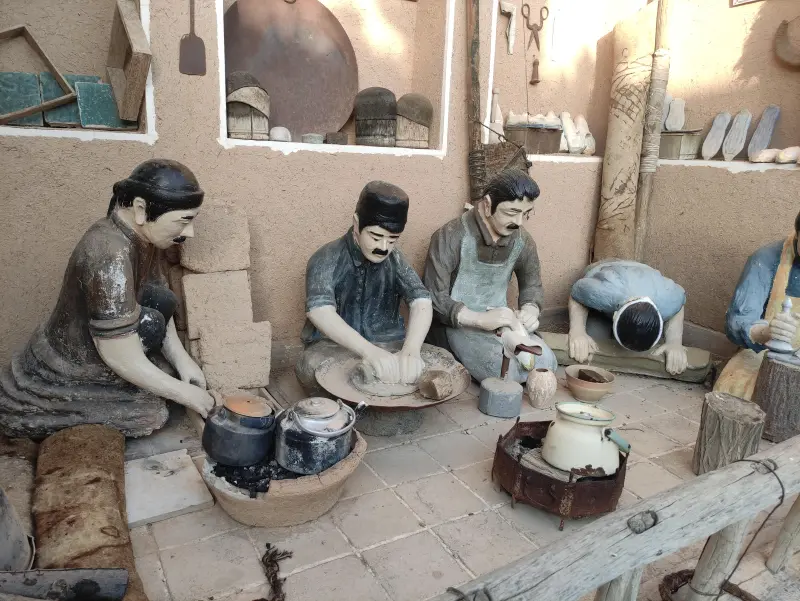
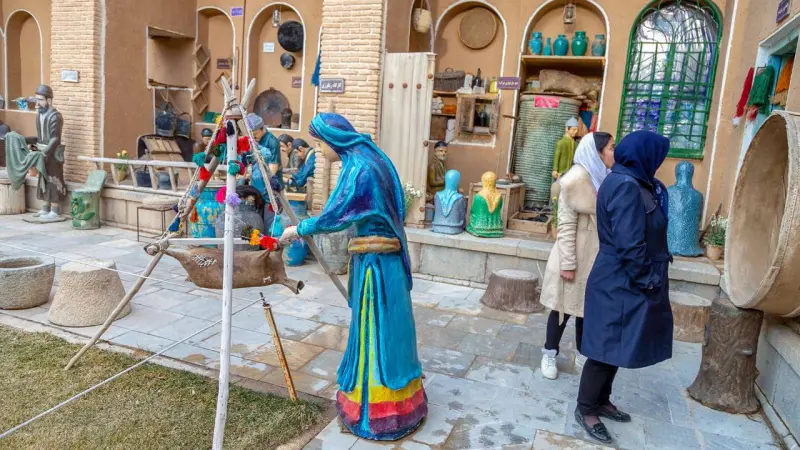
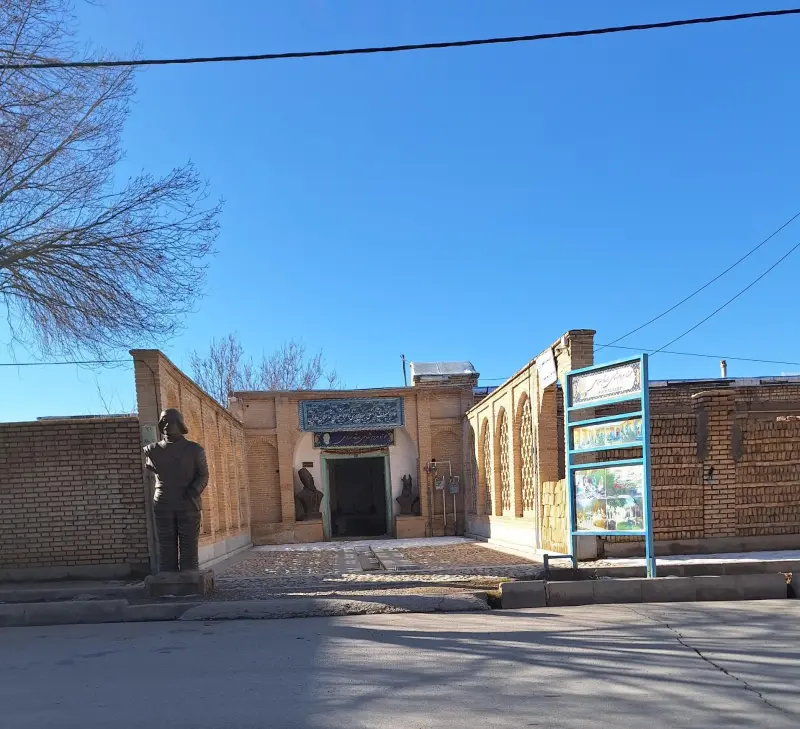
The Borujen Anthropology Museum, also known as the Ostad Bahrami Museum, is one of the cultural and historical attractions of Borujen in Chaharmahal and Bakhtiari Province. It is housed in the historic Hafizi House. The museum stands on Modarres Boulevard, next to Mosalla Park and close to the city's central square. By displaying aspects of the social and cultural life of the region's people, it offers visitors a chance to learn how earlier generations lived. The building dates from the late Qajar period and is about 120 years old. The house now known as the Hafizi House once belonged to a man named Mostafa Khan. In 1380 (Solar Hijri) it was added to Iran's National Heritage list under registration number 4310. After the Cultural Heritage Organization bought it from the owner's descendants, it was converted into an anthropology museum with the cooperation of Ostad Bahrami. The museum occupies a plot of 1,500 square metres and includes spaces such as a gallery and a library. It is named after its founder, Bahram Bahrami.
Besides its historical value, the Hafizi House is one of the museum's most notable features for its architecture. The entrance vestibule has eight doorways, and the house complex originally included a waiting area with three buildings, a main courtyard, a workers' house and a stable. The columns, arches and portals were built in the style of Islamic architecture, and the yellow, red and blue used on the doors and windows give the building a distinctive look. The museum displays a wide collection of historical objects and reconstructions of past life. These include stone, copper and wooden vessels; farming, spinning and livestock tools; old books and manuscripts; samovars and teapots; local clothing and footwear; and traditional implements such as mortars, hand mills, scales and steelyards. More than 150 stone sculptures (other sources say more than 200) on the culture and customs of the people can be seen in different sections of the museum. They depict trades and activities such as baking, butchery, spinning, dyeing and carpet weaving, as well as farming, herding, the old village school (maktab-khaneh), a wedding celebration and traditional local games. Visitors can also learn about how dough is prepared and bread baked, making goatskin churns (moshk-zani), thread spinning, handicrafts such as carpet weaving, spinning-wheel work, giveh (traditional footwear) making, felt making and hat sewing, and the traditional way of life in general. One room recreates a traditional home with a korsi (a low heated table), dried fruits and nuts, and fruits such as pomegranates and watermelons. Statues of famous figures such as Saadi, Ferdowsi and Parvin Etesami are also on display. A visit to the museum takes about one to two hours.
To reach the Borujen Anthropology Museum, travel to the city of Borujen in Borujen County, Chaharmahal and Bakhtiari Province, and follow Modarres Boulevard to the area next to Mosalla Park. The museum's location near the central square makes it easy for visitors in the city to reach. Given the nature of the museum and its historic setting, it can be visited in any season, but the Nowruz holidays and the milder times of the year are a good opportunity to plan a city outing and visit. During your visit, please do not touch the artefacts, sculptures or historical objects without permission, avoid damaging the building and its architectural features, and follow the museum's rules. Keeping the exhibition space quiet, respecting other visitors and recognising the historical value of the Hafizi House as part of Borujen's cultural heritage are also important parts of responsible visiting.
Written by زهرا لنگری Last updated
What you can do here, and what it takes
کفش پیادهروی به همراه داشته باشید..
Province Chaharmahal and Bakhtiari
Province Chaharmahal and Bakhtiari
Province Chaharmahal and Bakhtiari
Province Chaharmahal and Bakhtiari
Province Chaharmahal and Bakhtiari
Province Chaharmahal and Bakhtiari


Unfortunately, no comments have been registered.