
 Attractions
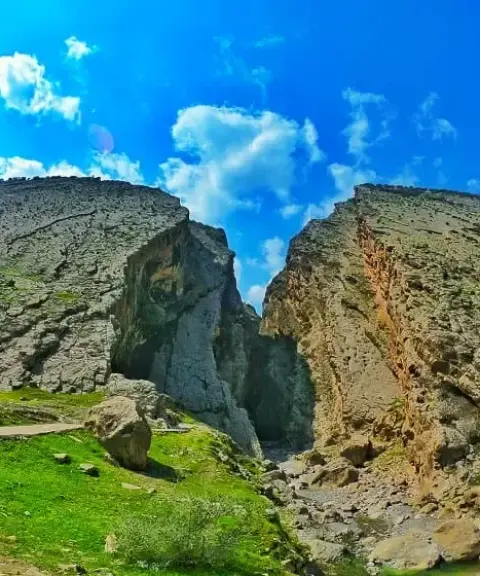

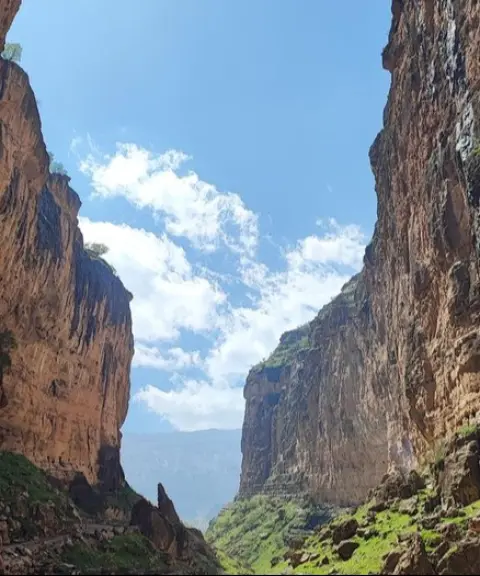
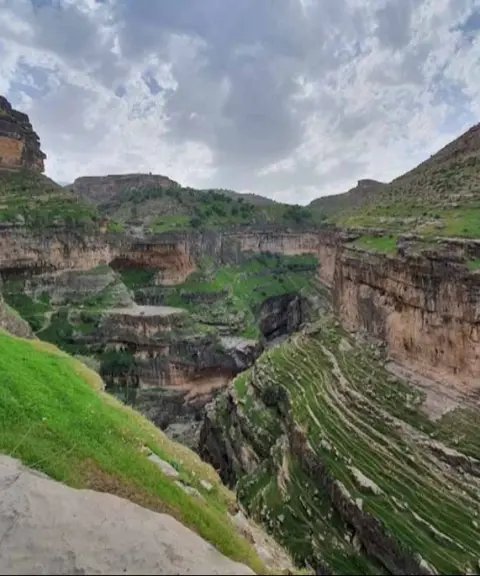
Bahram Chubin Gorge
Province Ilam
- Walking
- Mountaineering
A Valuable Sasanian Legacy in Darreh Shahr
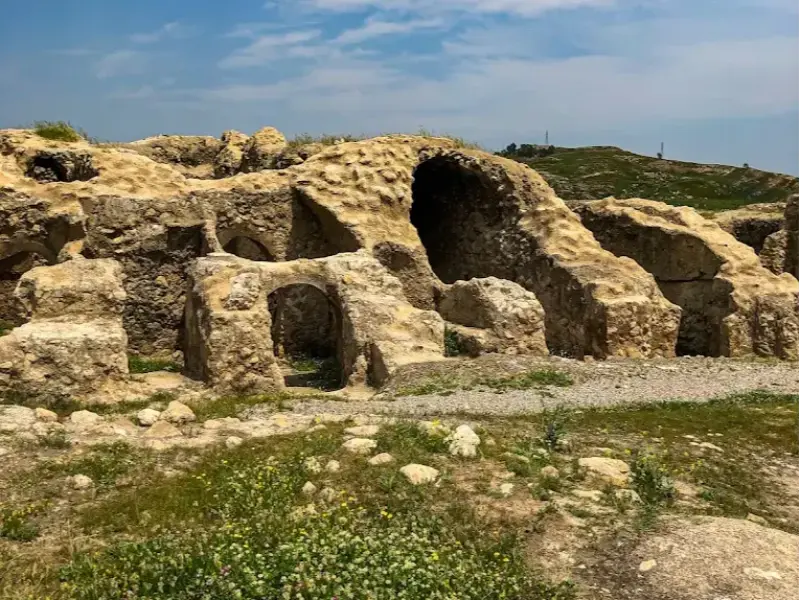
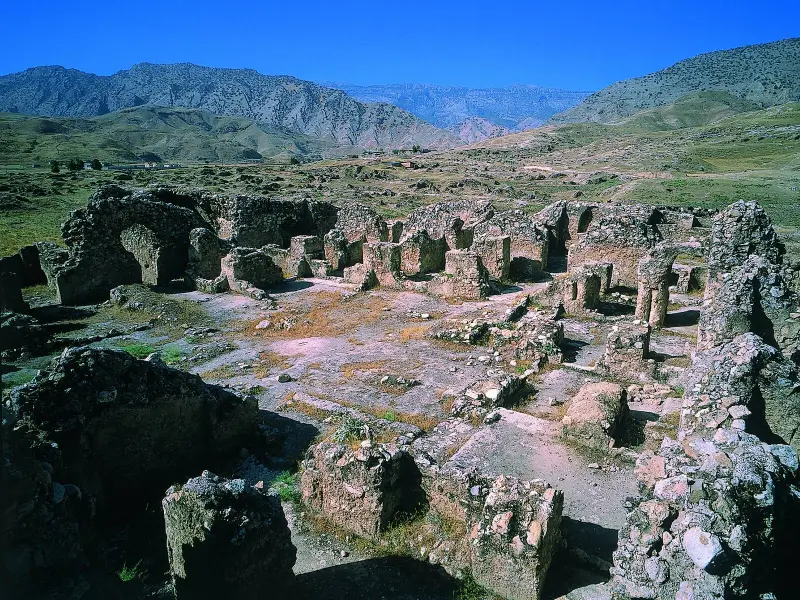
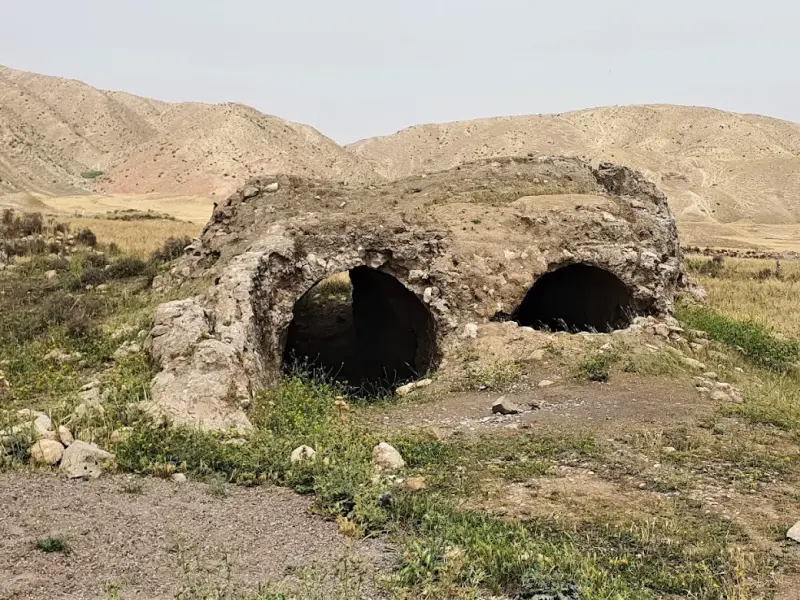
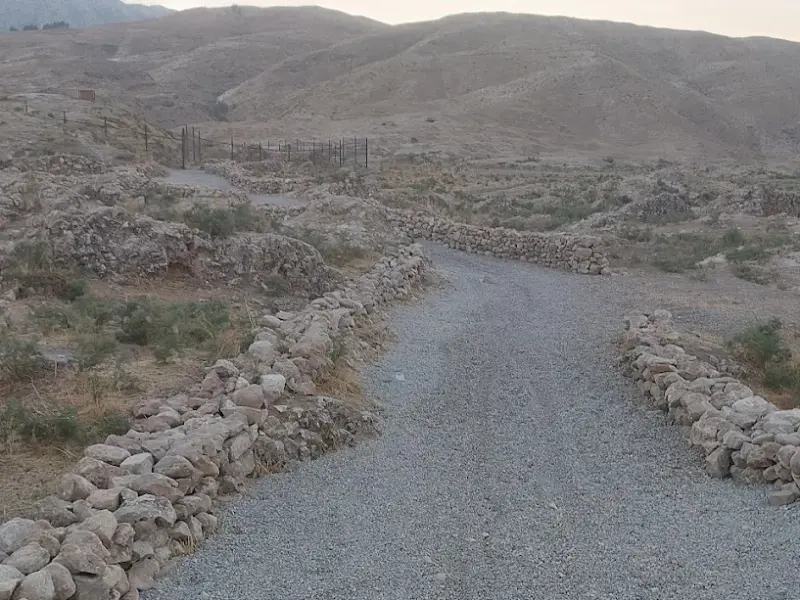
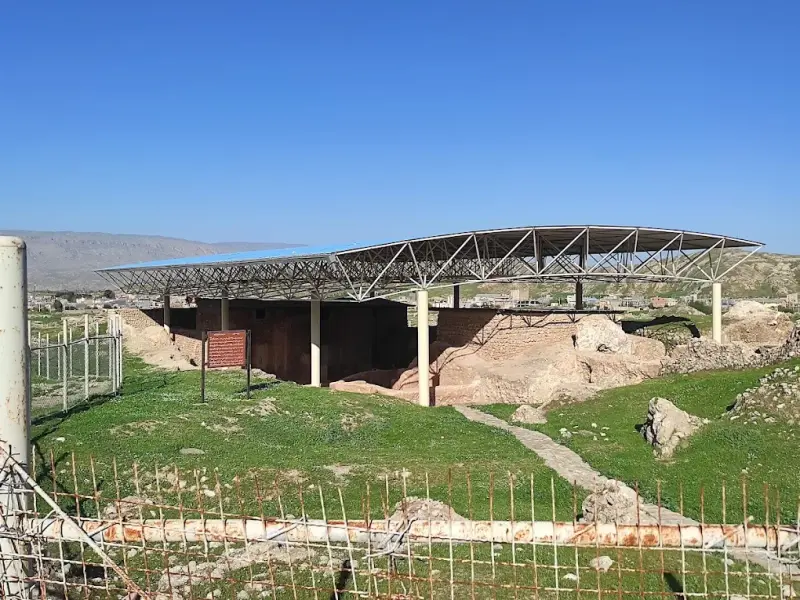
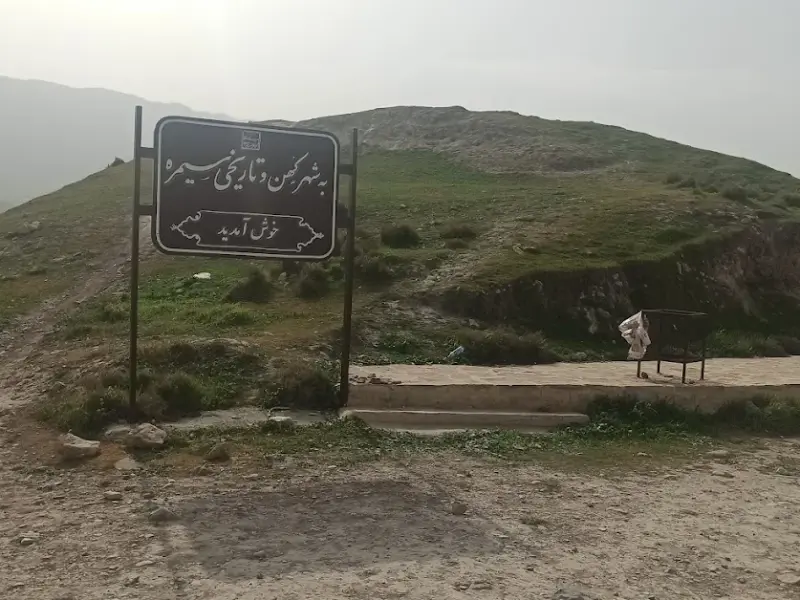
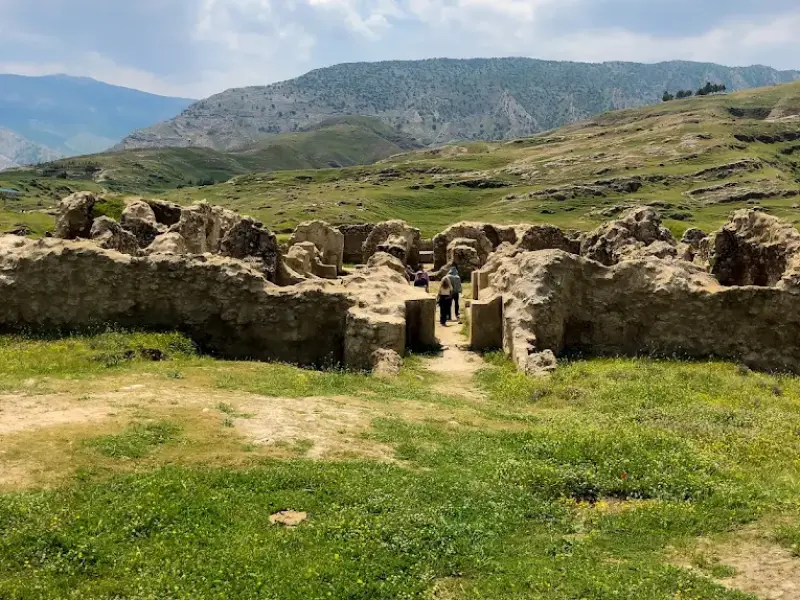
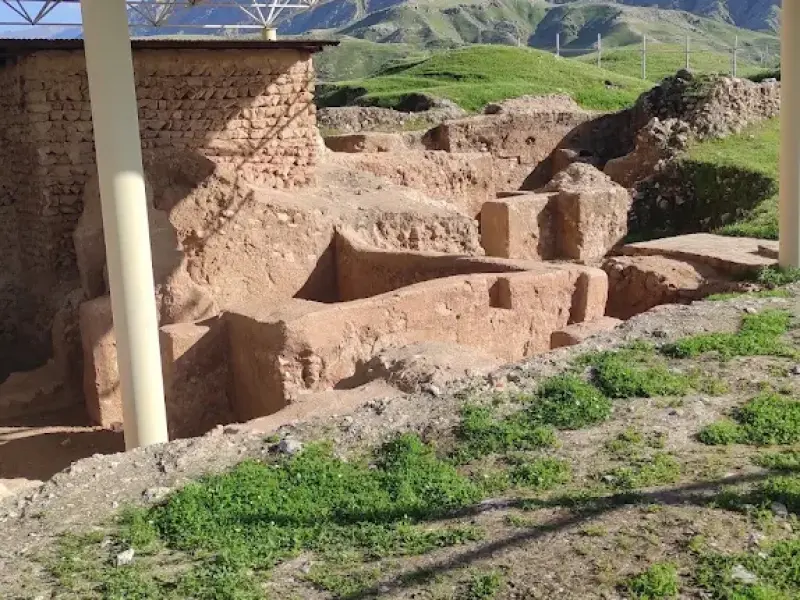
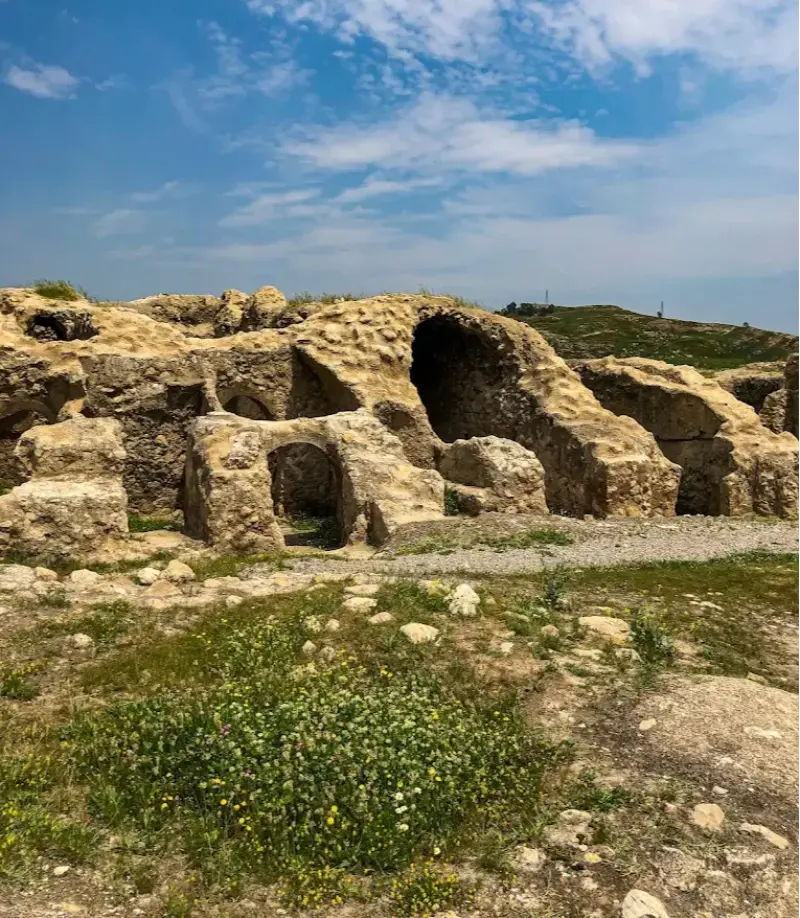
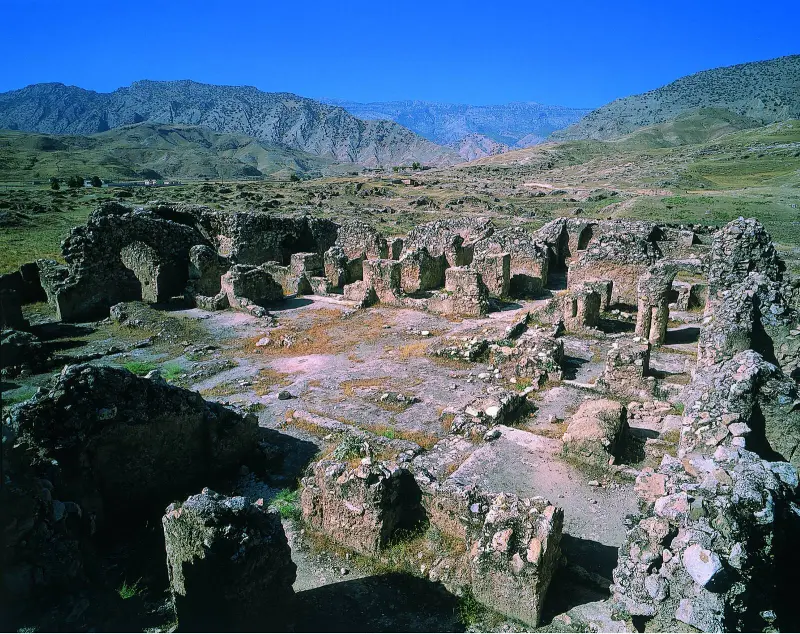
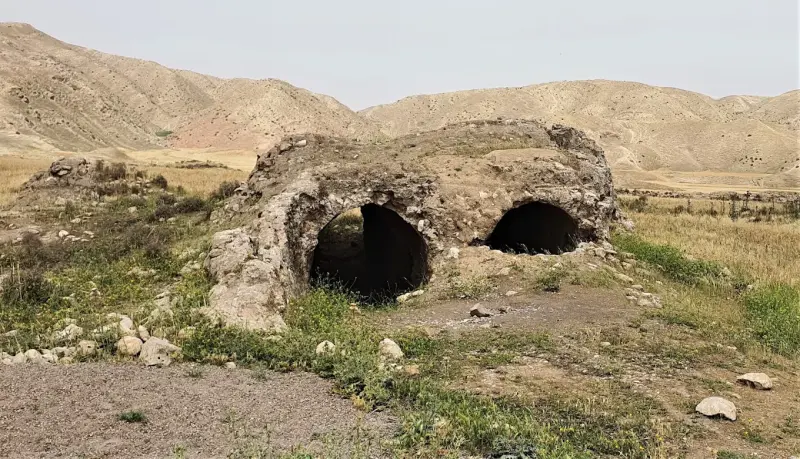
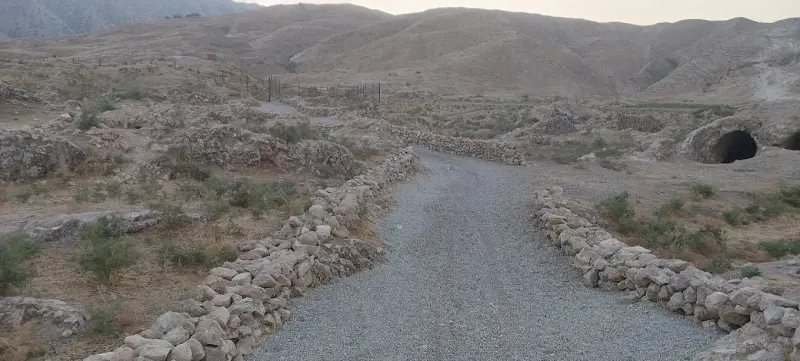
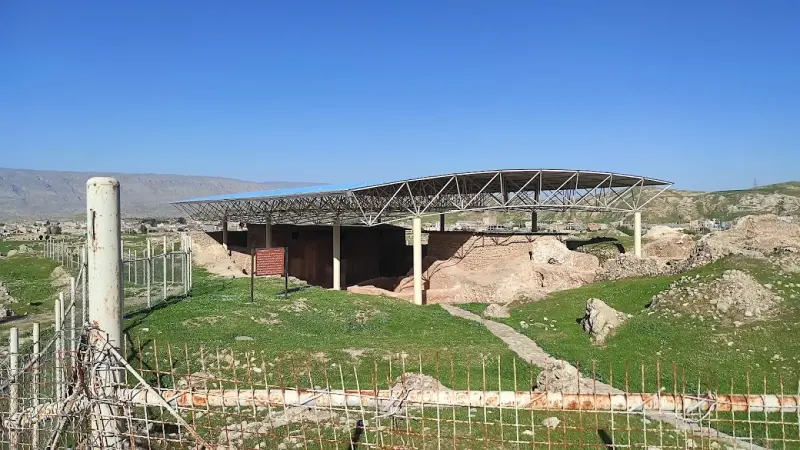
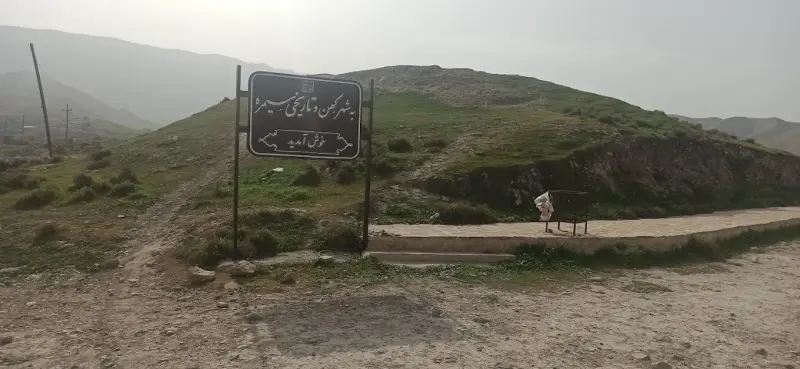
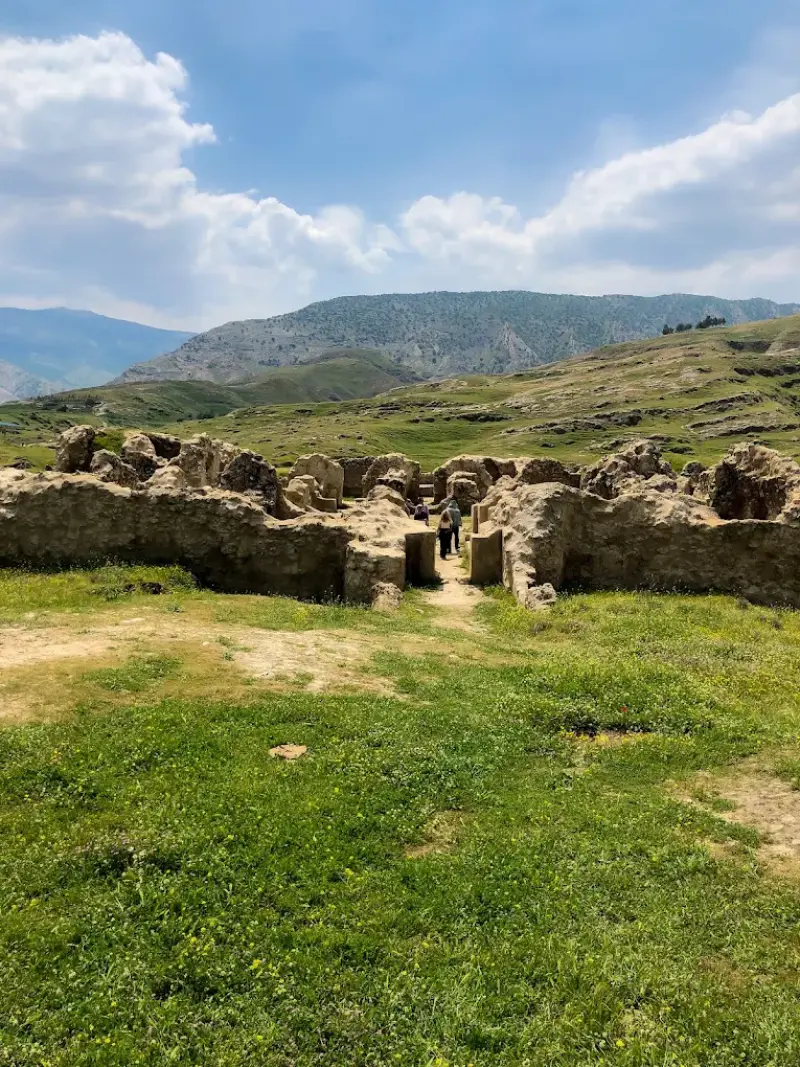
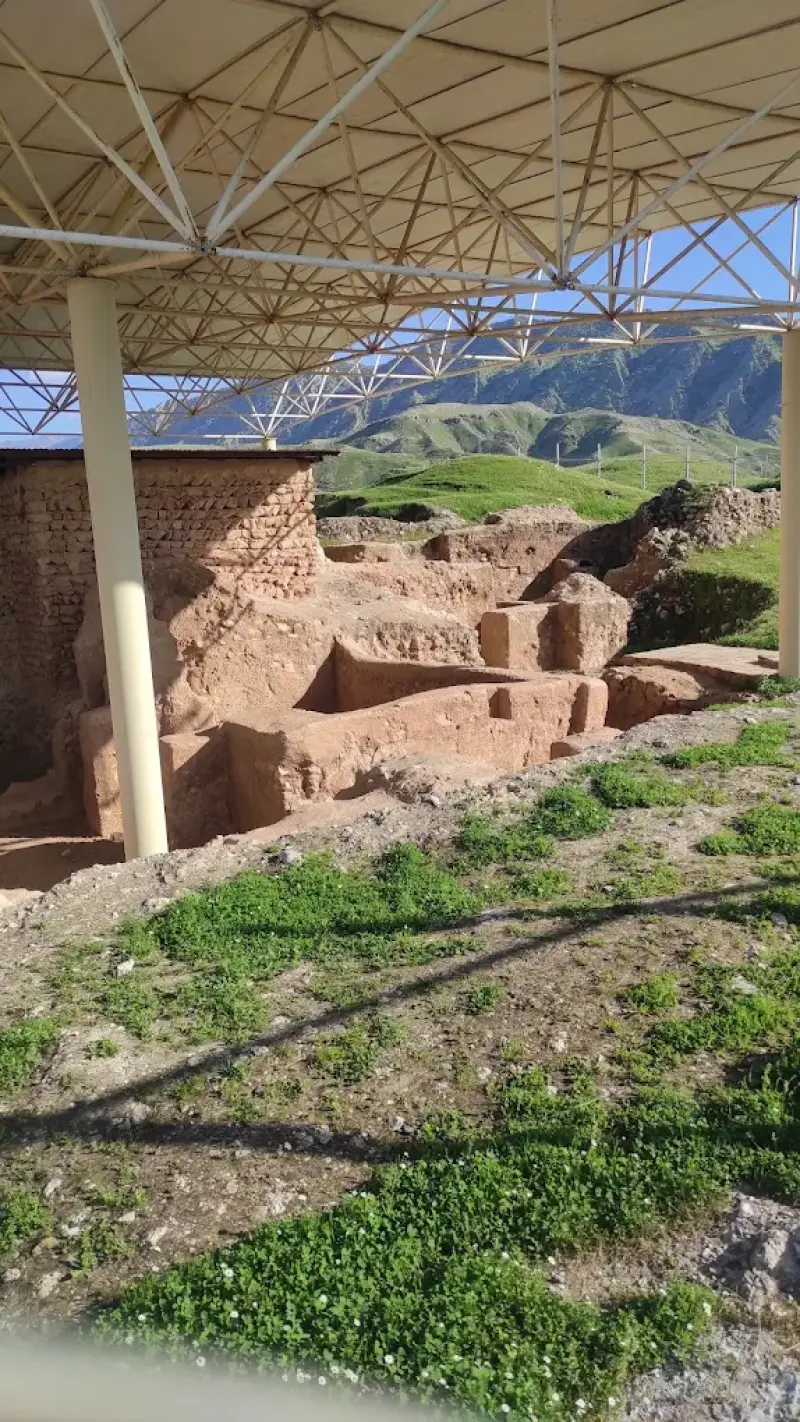
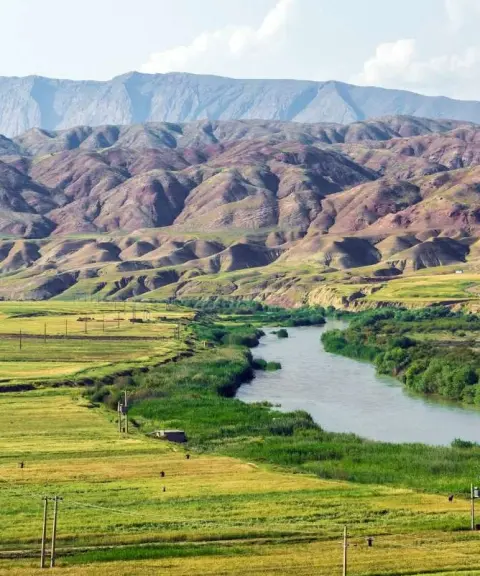
The historic city of Seimareh lies southwest of the town of Darreh Shahr, in Darreh Shahr County, Ilam Province, on the west bank of the Sarab River. This ancient city, also known as Madakto, dates from the late Sasanian period and the early centuries of the Islamic era, and was probably the centre of the district of Mehrgan-Kadhak (Mehrjan-Qadhaq). Covering more than 120 hectares of core area and about 200 hectares including its buffer zones, Seimareh is the largest historic site in Ilam Province and one of the first monuments entered on Iran's National Heritage List; it was registered on 24 Shahrivar 1310 under number 6. The historic city of Seimareh is in fact the older part of present-day Darreh Shahr, and its location in the Seimareh valley, in an area with a favourable natural setting and good communication routes, contributed to the formation and prosperity of this ancient city.
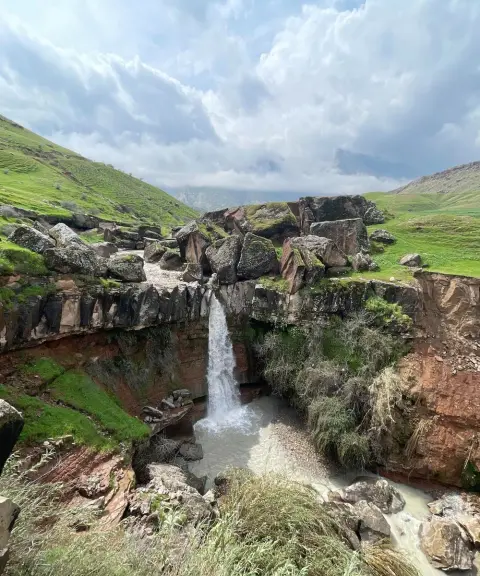
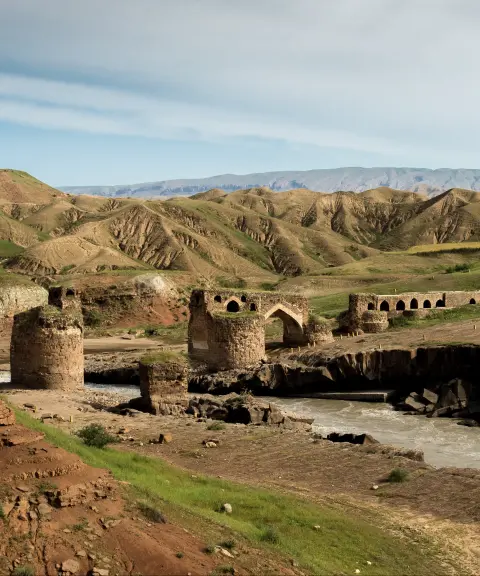
The importance of Seimareh is not limited to its age: archaeological excavations have revealed parts of its urban structure and the social life of its inhabitants. So far, 11 seasons of archaeological excavation have been carried out at the site, uncovering structures such as a bazaar, streets, a landlord's house, a caravanserai, a building known as the mosque, the Sorkhabad Chahartaqi and the Jahangirabad Fortress. The Seimareh Mosque, with its rectangular plan, central courtyard and varied stucco decoration, is one of the site's most distinctive buildings, and the stucco pieces recovered from its walls, arches and niches are among the region's most valuable archaeological finds. Stone-paved streets, water channels, a drainage system made up of clay pipes and stone-built channels, and evidence of activities such as pottery-making and glassmaking also point to the city's urban organisation and economic prosperity during its lifetime. The city is thought to have been destroyed by a major earthquake in 334 AH (945 CE) and abandoned for good, although there are differing views about the details of this event and how the city was left. Visiting the historic site of Seimareh offers a chance to see architectural remains, learn about the city planning of the time, and become familiar with part of the history of the Sasanian and early Islamic periods in the Zagros region. During your visit you can also include other historical and natural attractions around Darreh Shahr in your itinerary, such as the Gavmishan Bridge, the Marbareh Waterfall, the Chahartaqi Fire Temple and the Bahram Chubin Gorge.
To reach the historic city of Seimareh, you first need to get to Darreh Shahr County and then head from the town towards the southwest, where the historic site lies. From Tehran there are several routes to Darreh Shahr: via Qom, Arak, Khorramabad and Pol-e Dokhtar, or via Saveh, Hamadan, Malayer, Borujerd and Khorramabad. Travellers from the west and south of the country can use the roads leading to Ilam, Darreh Shahr or Pol-e Dokhtar. The distance from Ilam to Darreh Shahr is less than 130 kilometres, and the historic site is right next to the town, so it is fairly easy to reach by private car. Spring and early summer, especially when the surrounding countryside is at its greenest, are good times to visit, and early autumn can also be a good choice thanks to its relatively mild weather. During your visit, please avoid entering sensitive areas and architectural remains, moving historical objects, writing graffiti or damaging the structures, do not leave any litter on the site, and keep to the designated visitor paths, so that this historical heritage and the natural landscape around it can be preserved for future visitors.
Written by زهرا لنگری Last updated
What you can do here, and what it takes
مسیرهای موجود در محوطه و پیرامون بقایای شهر برای پیادهروی سبک و مشاهده ساختار تاریخی آن مناسب است.
Province Ilam
Province Ilam
Province Lorestan


Unfortunately, no comments have been registered.