
 Valley
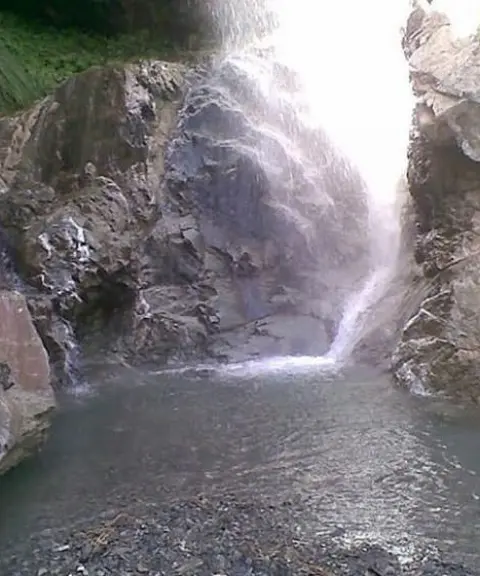

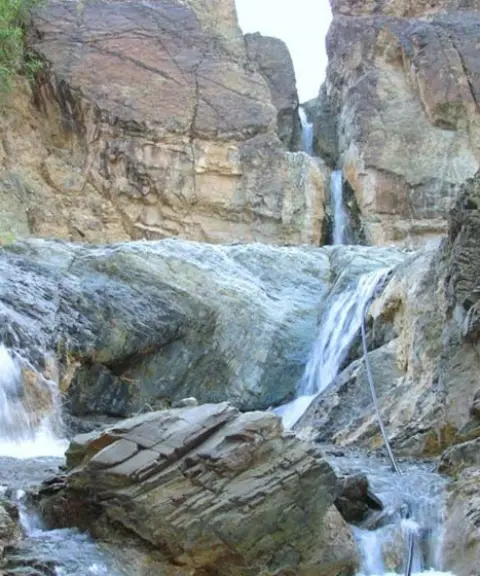
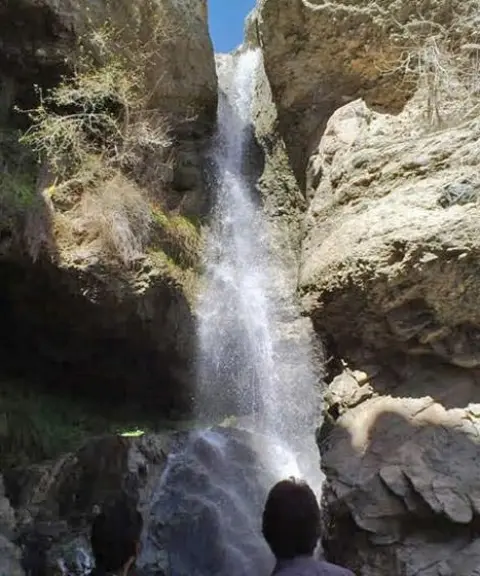
Chootin Goon Waterfall
Province Sistan and Baluchestan
- Walking
The Largest Rock Art Gallery in Iran
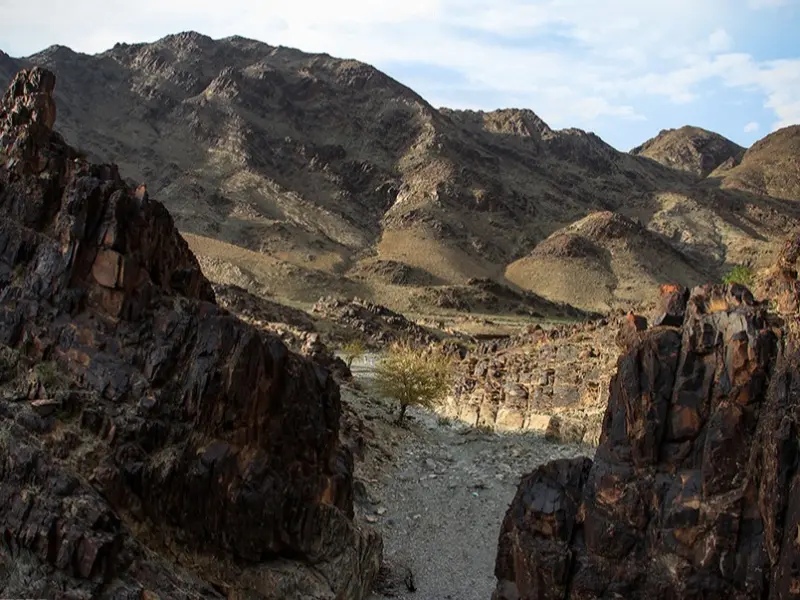
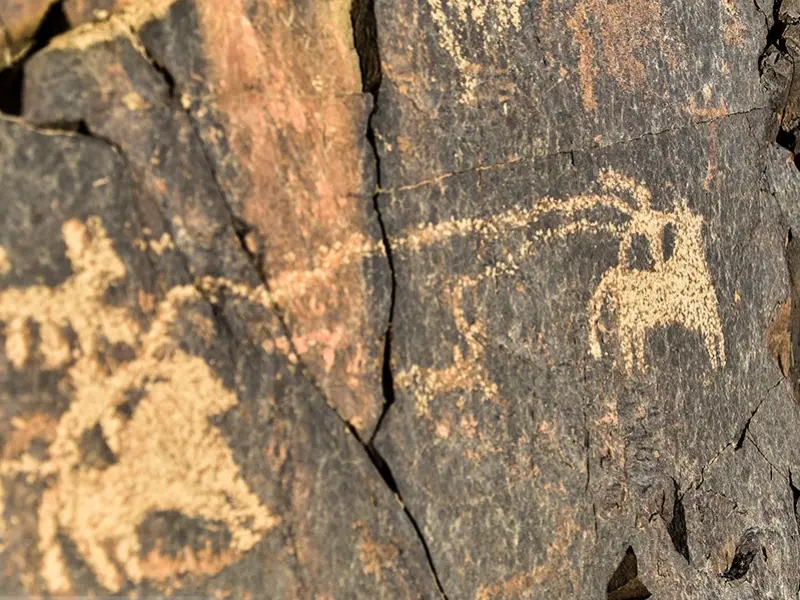
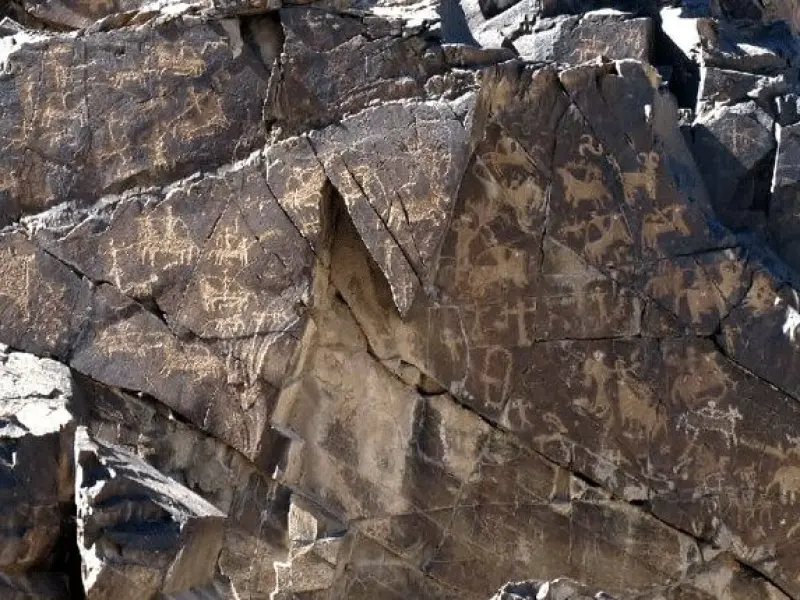
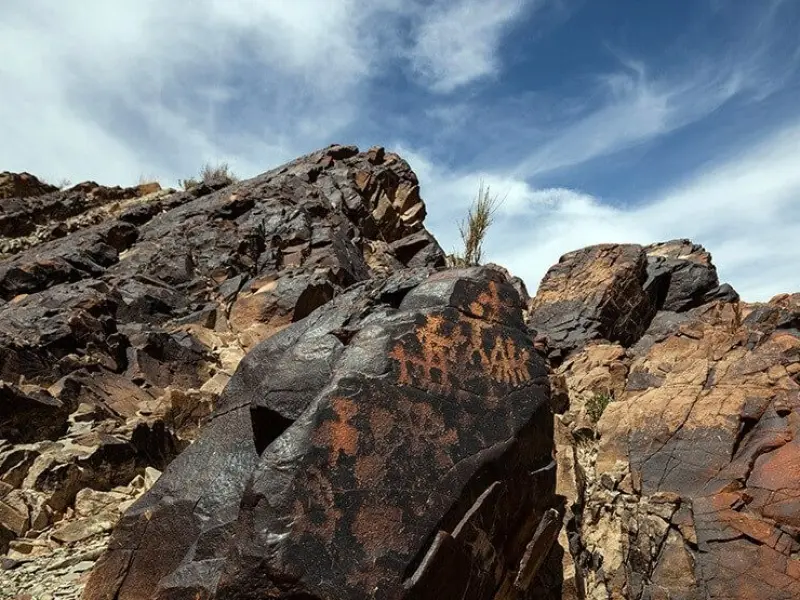
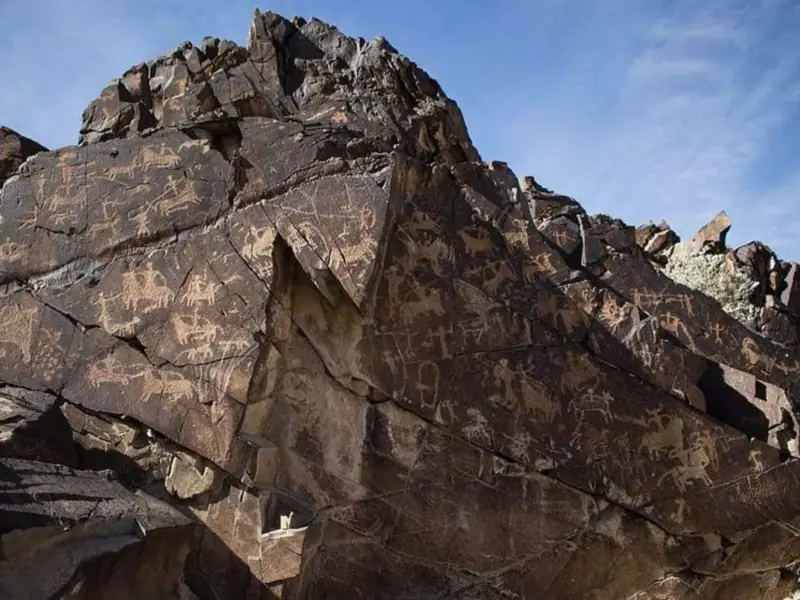
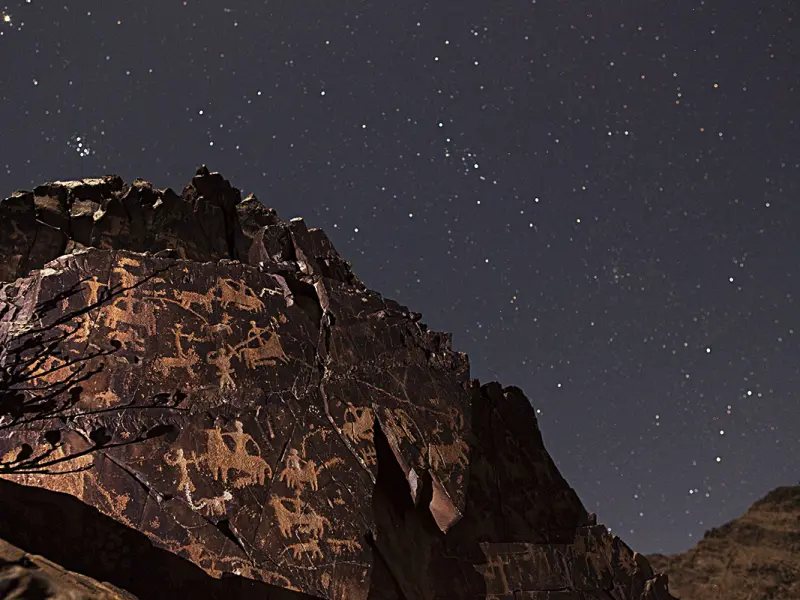
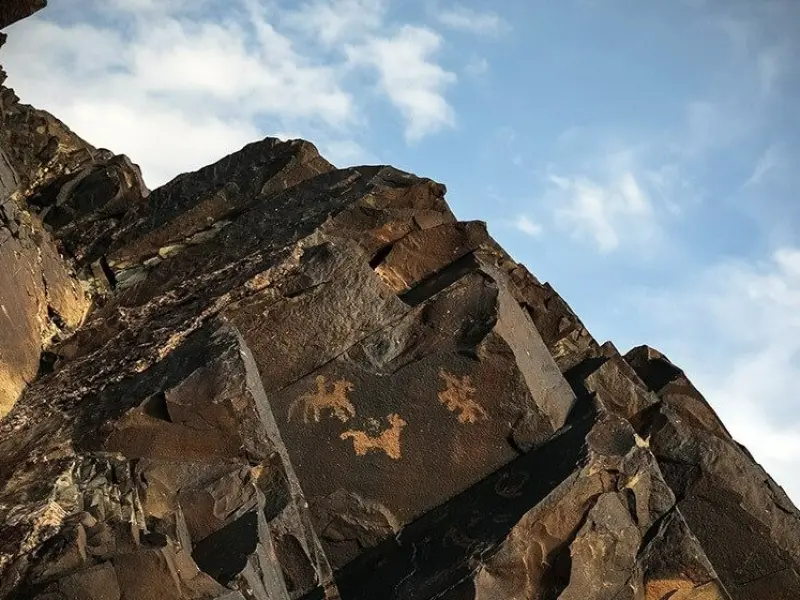
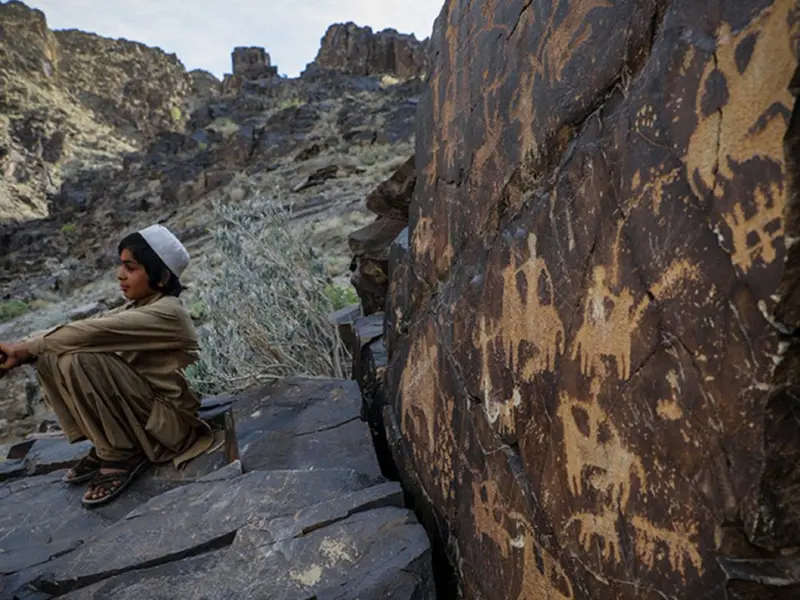
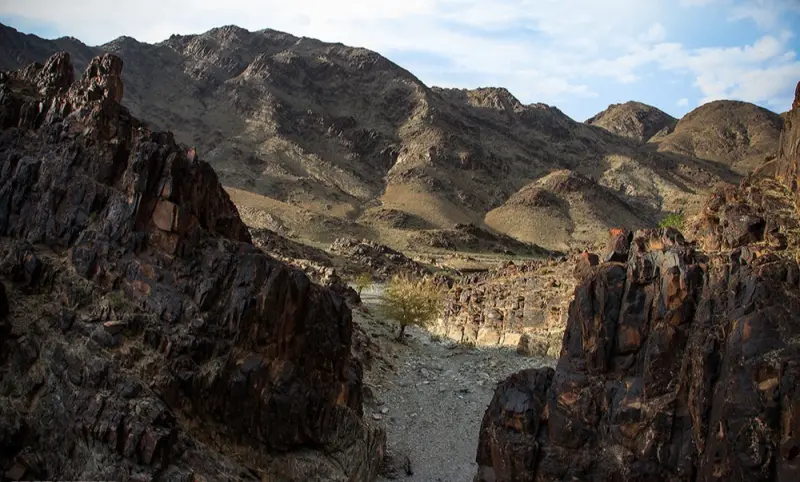
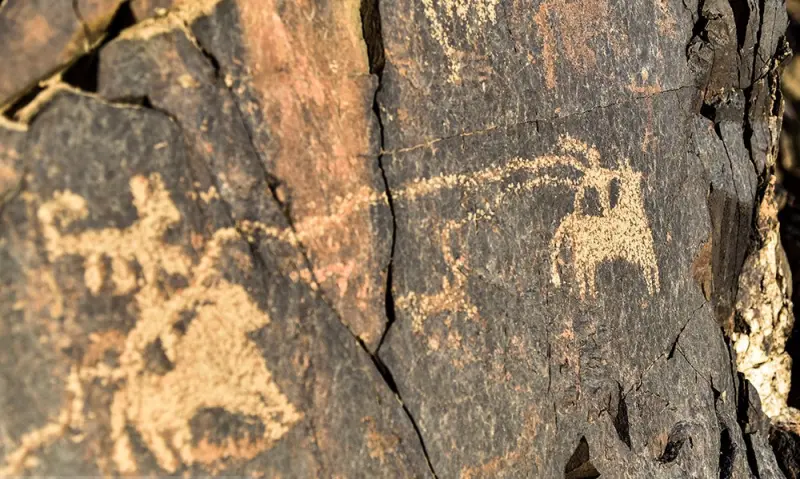
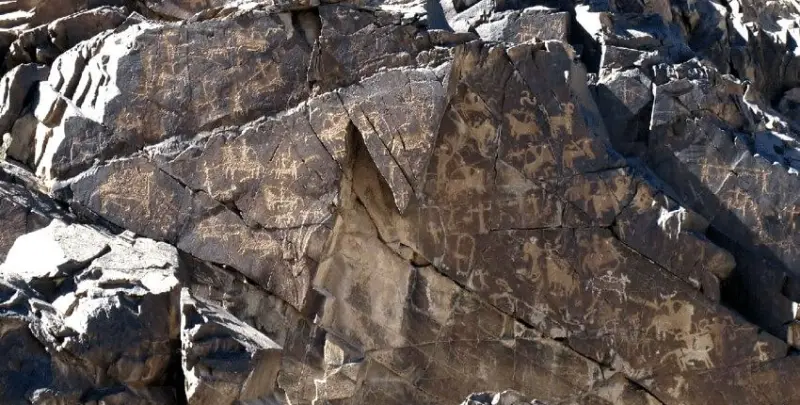
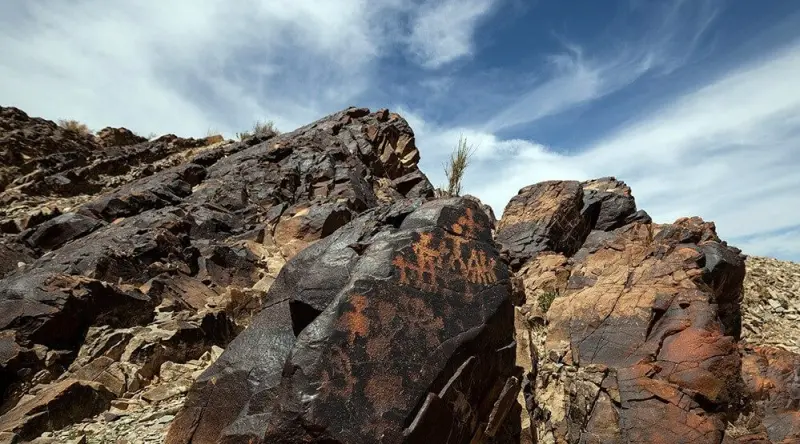
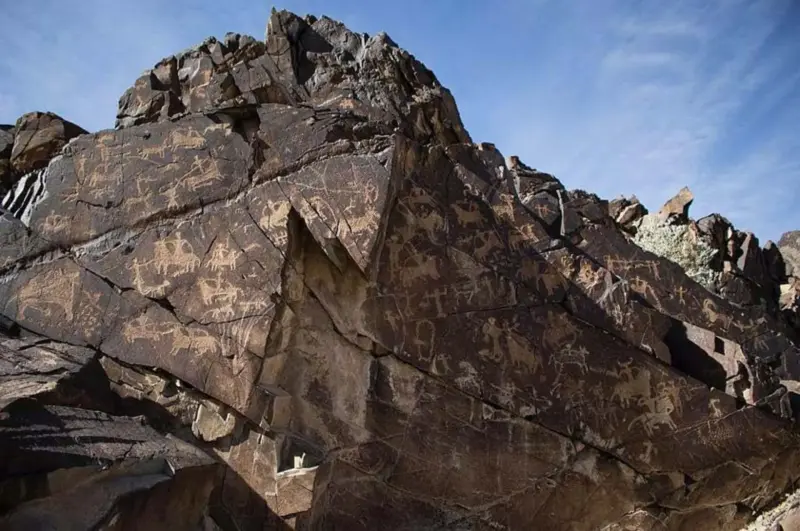
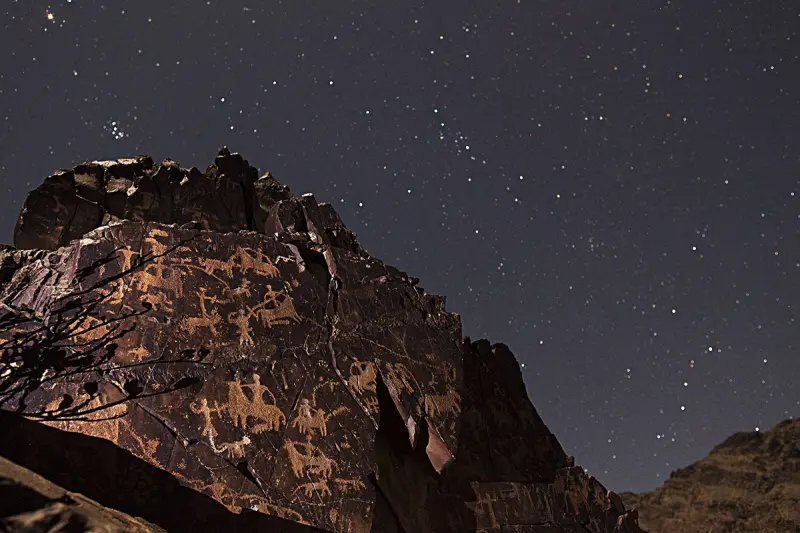
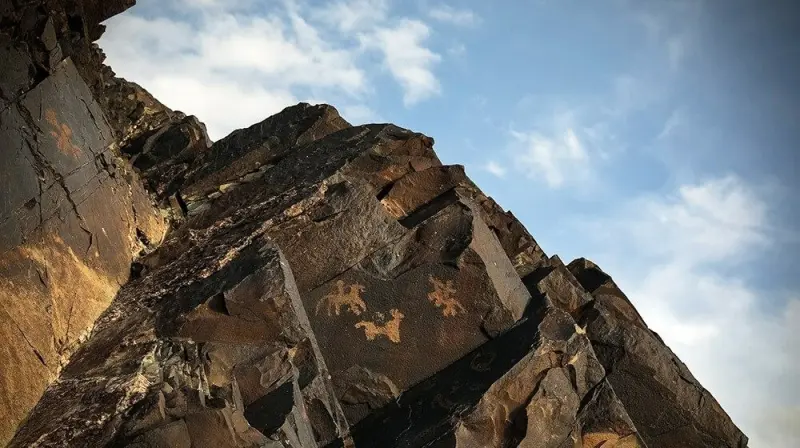
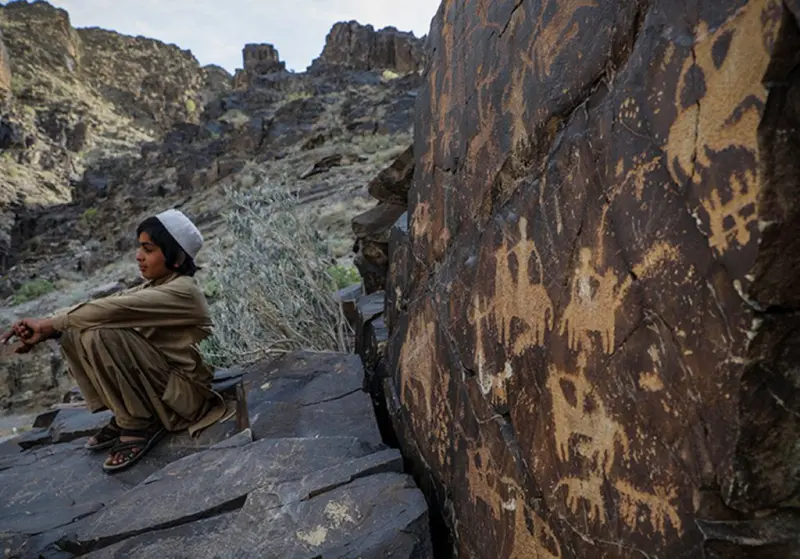
Negaran Valley, in the village of Nahuk, is one of the most valuable sights of Saravan and is regarded as one of the largest rock art galleries in Iran. The petroglyphs date from different periods of human life, from about 10,000 years ago to the present day. The people of Nahuk village in Saravan call these carvings Sang-e Pir Guran (the Stone of Pir Guran), and they believe the Zoroastrians carved them here. This remarkable collection of rock carvings captures the attention of every visitor. The site holds a great number of authentic carvings, most of which are human and animal figures.
The petroglyphs are divided into three periods: old, middle and new. The old period goes back to roughly the 4th to 8th millennia. The animal figures include wild cattle, Bactrian camels and ibexes with large, elongated horns, carved in various forms in most of the scenes. The human figures include hunters and scenes of people fighting one another. Images of the moon and the sun can also be seen on the rocks. The subjects chosen by the artists of the hunting age were mostly animals such as wild cattle, Bactrian camels and ibexes with large, elongated horns, shown in various styles in most of the scenes. Hunting scenes, human combat and images of the moon and the sun are other subjects of these petroglyphs.
As for animals, it is believed that harmful creatures were created by Ahriman and that humans are obliged to destroy them. Animals created by Ahura Mazda are sacred and useful: useful animals were created to serve humans, and for this reason various laws were established to protect them. In contrast to the abundance of animal subjects, plant motifs in these carvings are very rare. The most expressive plant images are found in the Pir Guran carvings. These images, which were painted using metal oxides, belong to the historical era and, as mentioned, the local people attribute them to the followers of Zoroaster.
Indeed, petroglyphs tell us about the human past even better than stone and bone tools. These prehistoric pictures show people together with their tools, their forms and poses, and their hunts and hunting grounds. In these petroglyphs too, tools, toolmakers and the way tools were used are all depicted together.
Written by زهرا لنگری Last updated
What you can do here, and what it takes
بازدید از این جاذبه حدود ۱ الی ۲ ساعت زمان میبرد.
Province Sistan and Baluchestan
Province Sistan and Baluchestan
Province Sistan and Baluchestan
Province Sistan and Baluchestan
Province Sistan and Baluchestan


Unfortunately, no comments have been registered.