
 Forest
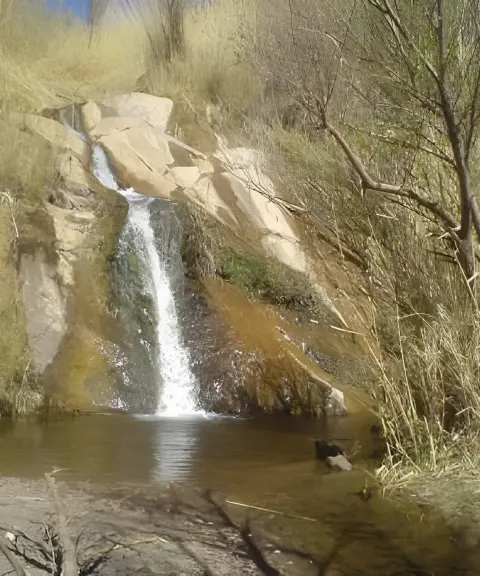

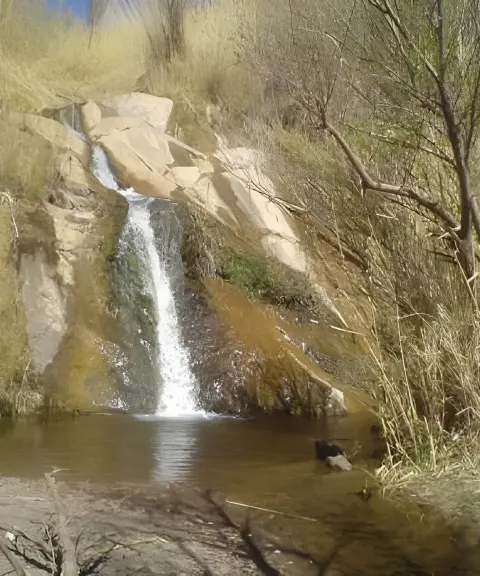
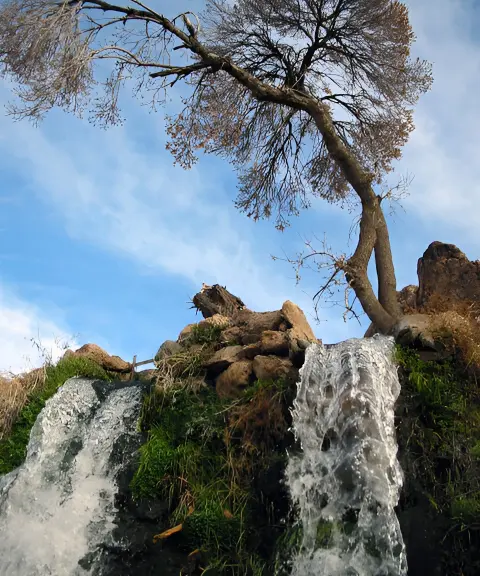
Dooneh Waterfall
Province Razavi Khorasan
- Walking
Home to valuable animal species in the arid landscape of Razavi Khorasan
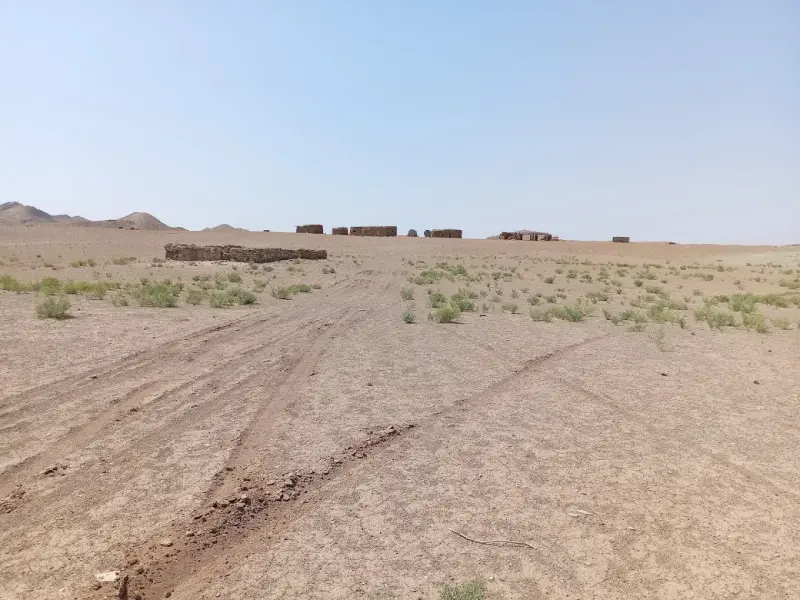
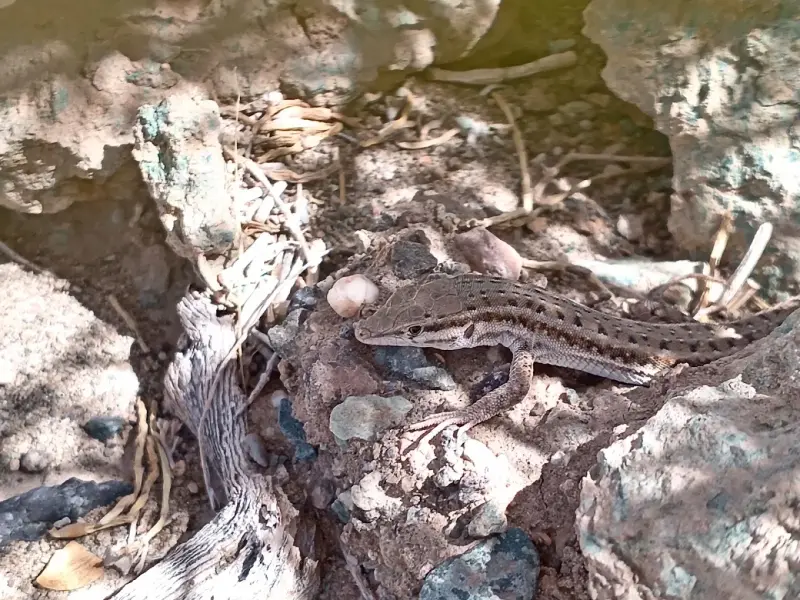
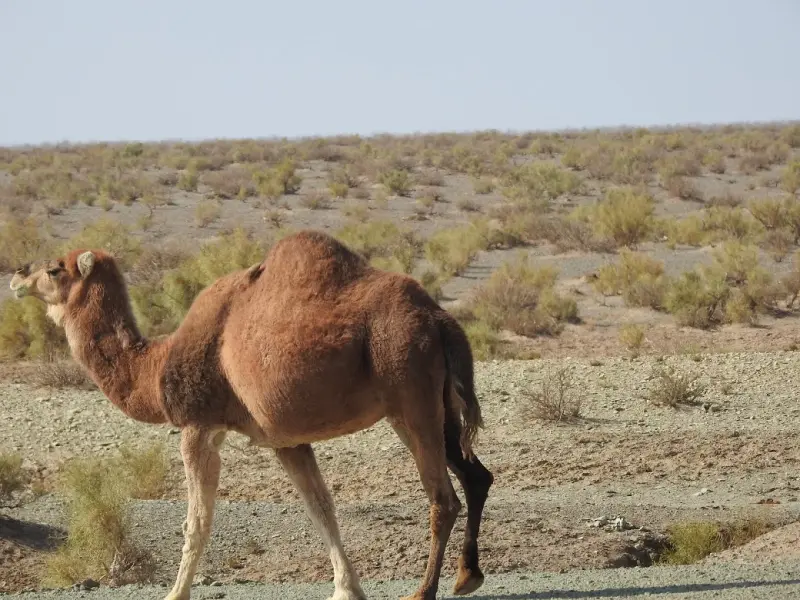
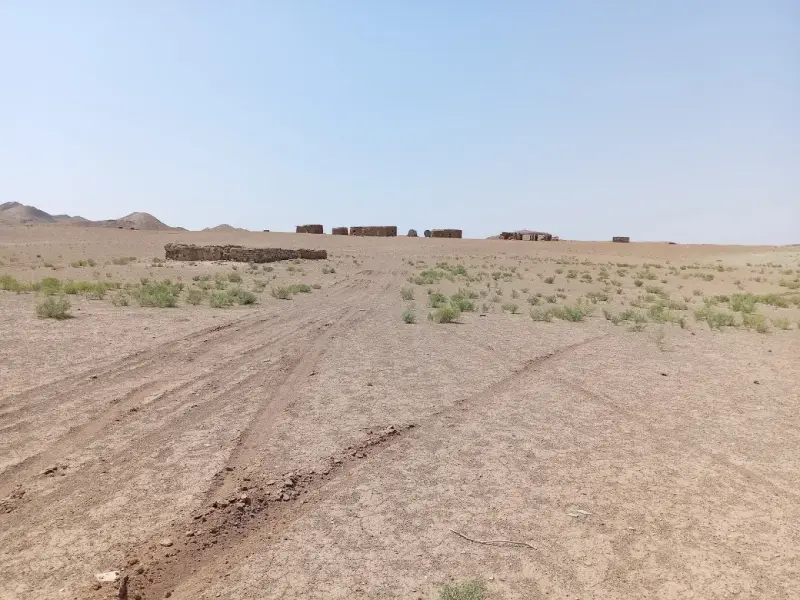
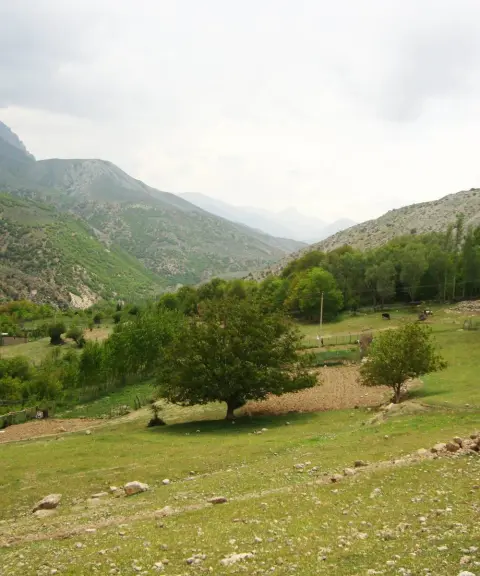
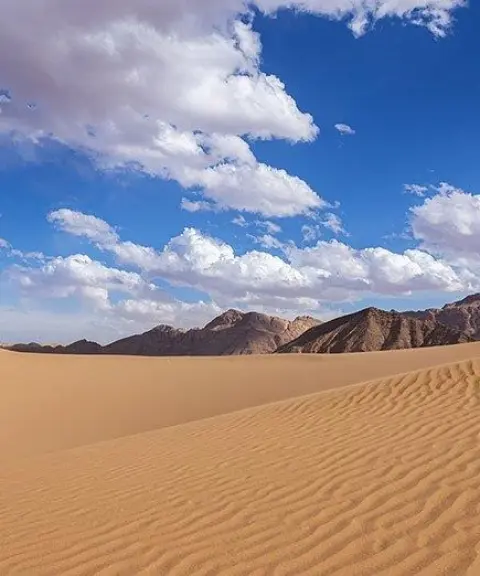
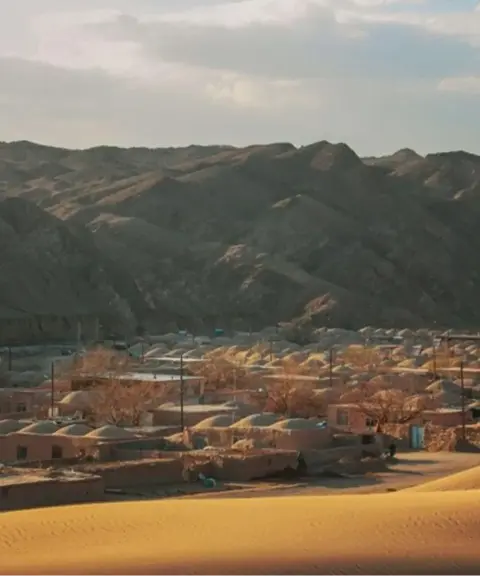
Dasht-e Laghari Wildlife Refuge lies in the northwest of Bardaskan County, in Anabad District, Razavi Khorasan Province. Covering about 20,244 hectares, it is one of the valuable natural habitats in the arid and semi-arid regions of eastern Iran. Because its natural habitats are well suited to the regional climate, Dasht-e Laghari is especially important for protecting biodiversity and animal species. On 31 Ordibehesht 1391 (Solar Hijri), under Resolution No. 605, the area was added to the list of protected areas of Iran's Department of Environment and recognised as one of the country's wildlife refuges.
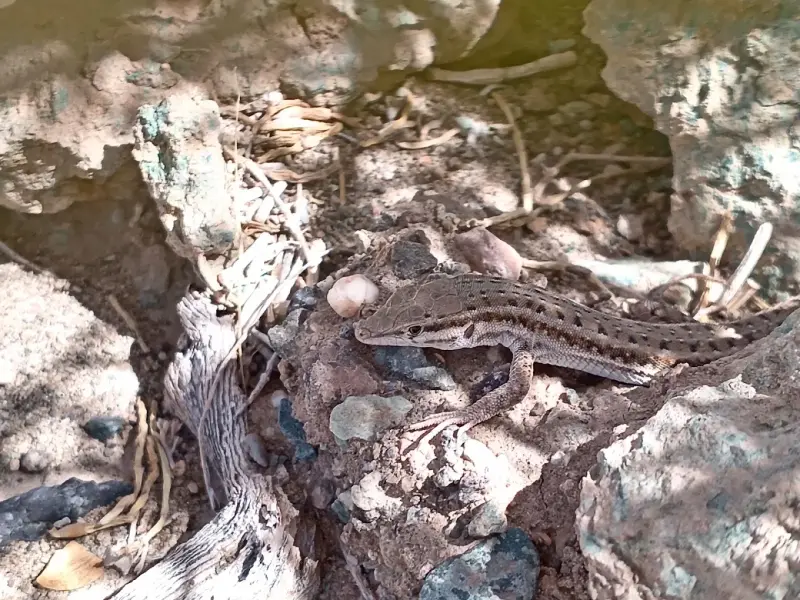
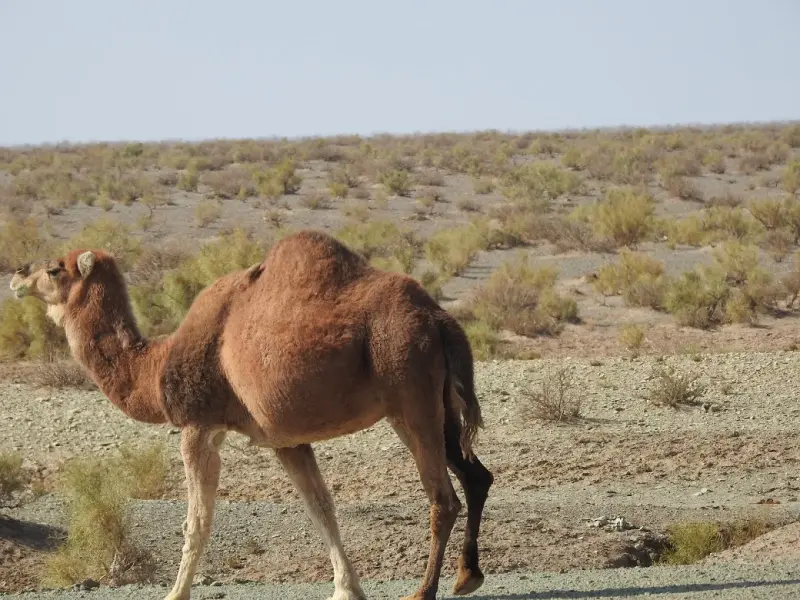
One of the most important features of Dasht-e Laghari Wildlife Refuge is the diversity of its animal species. The area is home to birds such as the Turkestan ground jay (Iranian ground jay), houbara bustard, black-bellied sandgrouse, rock dove, chukar partridge, see-see partridge, and various wheatears and passerines. Mammals such as the Asiatic cheetah, wildcat, wolf, hyena, fox and gazelle also live in this habitat. The sighting of an Asiatic cheetah in Mordad 1391 further added to the conservation importance of the area. The vegetation of Dasht-e Laghari consists mainly of species adapted to a dry climate, with Zygophyllum (qeych), tamarisk (gaz) and saxaul (tagh) among its characteristic plants. Together with steppe species, these plants provide suitable habitat for part of the region's wildlife and help maintain the plain's ecological balance.
To reach Dasht-e Laghari Wildlife Refuge, travel from Bardaskan toward Anabad District and the northwestern part of the county. Because the area is so large, it is best to choose your exact entry route with guidance from the local environmental department. Autumn, winter and early spring, when the weather is cooler, are the best times to visit. Visits to Dasht-e Laghari are mostly made for responsible nature tourism, birdwatching and learning about the region's natural habitats. Since the area is home to valuable and vulnerable animal species, visitors should avoid approaching wildlife, making noise, lighting fires, leaving litter and damaging vegetation, and should make the necessary arrangements with the Department of Environment office before entering protected zones.
Written by زهرا لنگری Last updated
What you can do here, and what it takes
کفش پیادهروی به همراه داشته باشید..
Province Razavi Khorasan
Province Razavi Khorasan
Province Razavi Khorasan
Province Razavi Khorasan
Province Razavi Khorasan


Unfortunately, no comments have been registered.