
 Forest
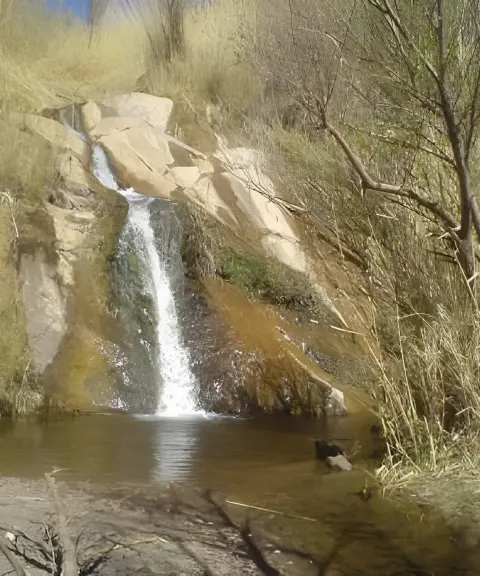

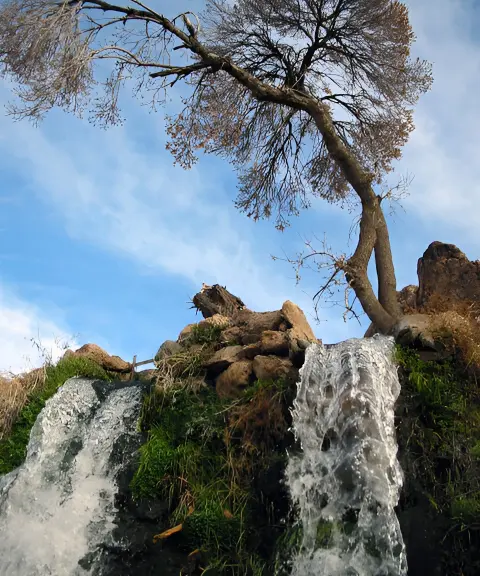
Dooneh Waterfall
Province Razavi Khorasan
- Walking
A valuable habitat of the Asiatic cheetah in Razavi Khorasan
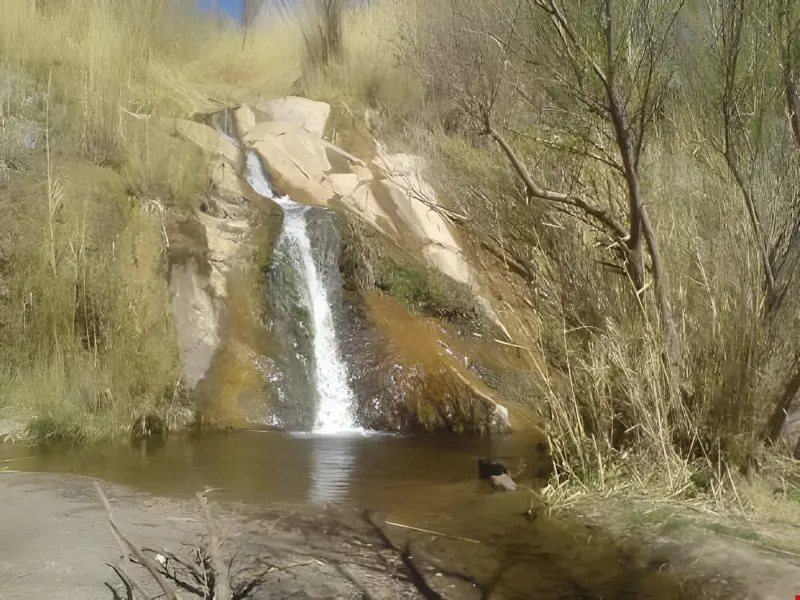
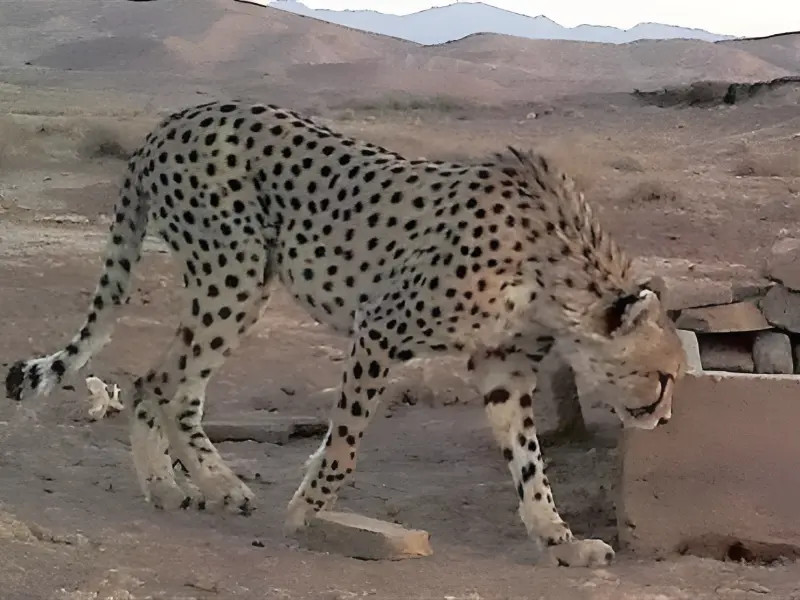
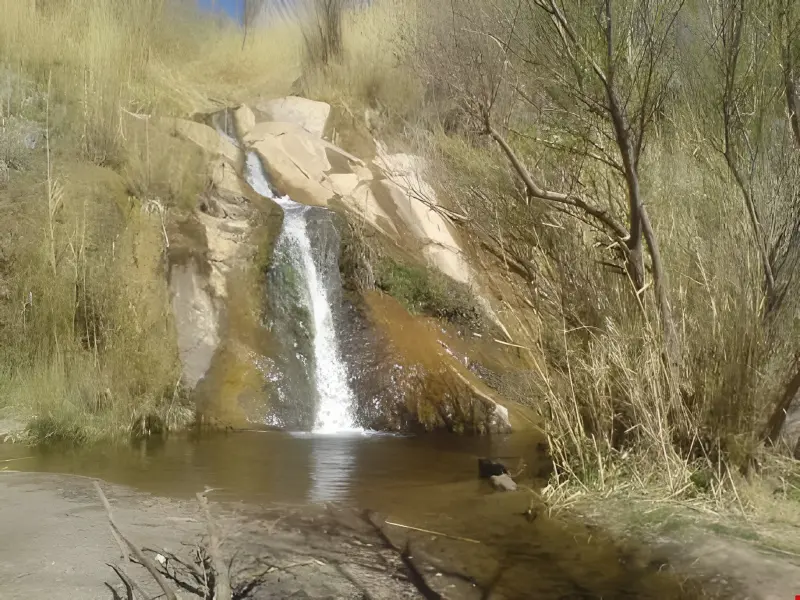
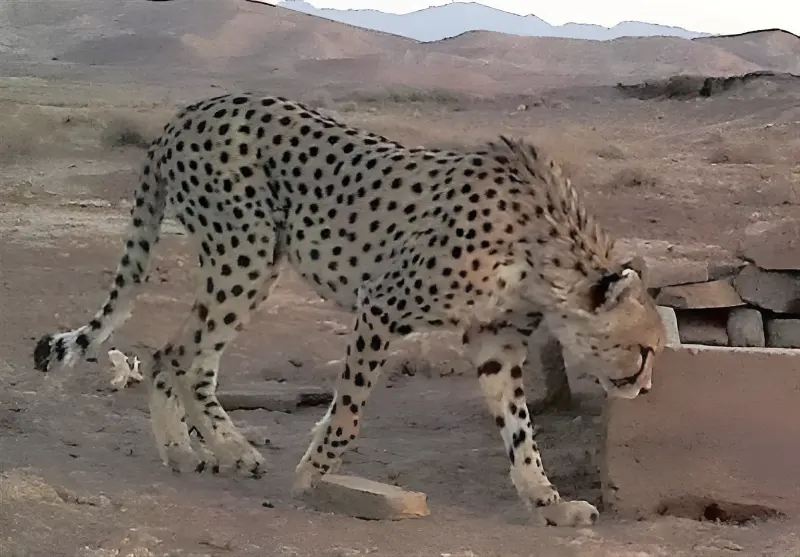
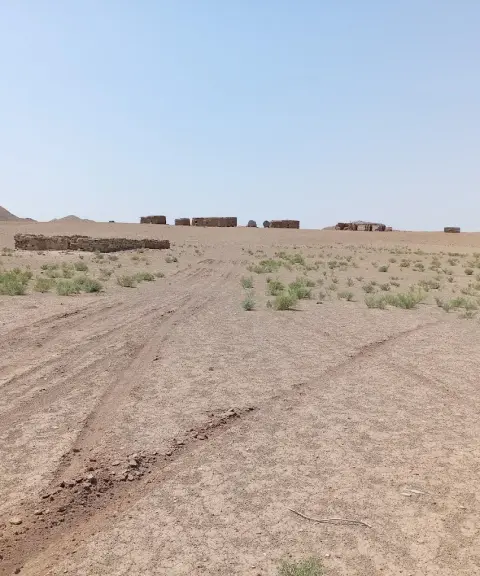
Dooneh Protected Area is one of the valuable natural habitats of Razavi Khorasan Province. It lies west of Bardaskan County, near the village of Dooneh. Covering about 60,000 hectares, the area is of great environmental importance thanks to its diverse habitats and its valuable plant and animal species. Dooneh was declared a No-Hunting Area in 1375 (Solar Hijri) and was added to the Department of Environment's list of protected areas in 1385. Its proximity to the Dasht-e Laghari Wildlife Refuge and the Turan Protected Area further adds to its importance in preserving wildlife habitats.
Among the most important features of Dooneh Protected Area are its valuable animal species and a plant cover suited to its natural conditions. Black cumin, wild mountain pepper, wild sage, lemon balm, thyme, wall germander, yellow flowers, yarrow, maidenhair fern, field horsetail, plantain, camel thorn and mint are among the area's characteristic plants. Trees such as wild pistachio (baneh), barberry, mountain willow and wild almond are also found in parts of it. Dooneh is a well-known habitat of the Asiatic cheetah, and the presence of this valuable species was recorded by camera traps in 1391; in 1393, reports were also published of four cheetahs living in the area. The leopard, Persian onager, wild cat, golden jackal, wild sheep (mouflon), wild goat and ibex, gazelle and goitered gazelle are other mammals of the area. Houbara bustard, eagle-owl, kites, vultures, wild pigeon, black francolin, chukar partridge, see-see partridge, bee-eater, hoopoe, eagles and falcons are also among its birds. Protecting this habitat is very important, especially as successive droughts and the drying up of some springs and water sources have made living conditions harder for wildlife.
To reach Dooneh Protected Area, travel from Bardaskan County toward Anabad District and the village of Dooneh. Because the area is so large, you should enter its natural zones only by permitted routes and in coordination with the Department of Environment office. Spring and autumn, with their relatively mild weather, are the better seasons for nature tourism in the permitted areas around the reserve. Given Dooneh's habitat value and the presence of endangered species, visitors should avoid entering sensitive habitats, approaching animals, making noise, lighting fires, hunting and picking plants, and should take their rubbish out with them. Following these rules helps keep wildlife undisturbed and ensures the survival of this habitat's valuable species.
Written by زهرا لنگری Last updated
What you can do here, and what it takes
مسیرهای مجاز و تعیینشده در حاشیه منطقه برای پیادهروی سبک و تماشای طبیعت مناسب هستند.
Province Razavi Khorasan
Province Razavi Khorasan
Province Razavi Khorasan
Province Razavi Khorasan
Province Razavi Khorasan
Province Razavi Khorasan
Province Razavi Khorasan
Province Razavi Khorasan


Unfortunately, no comments have been registered.