
 Attractions
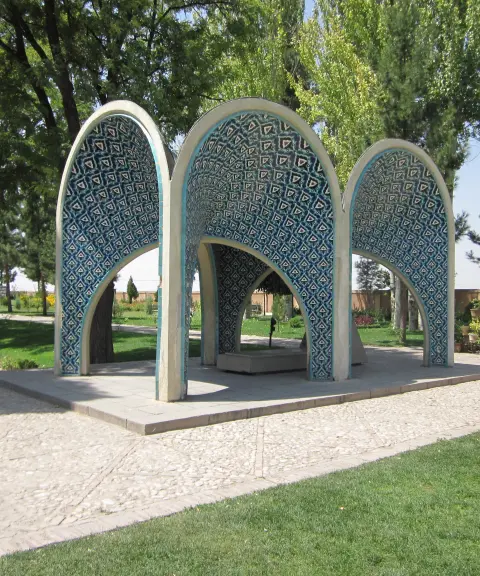
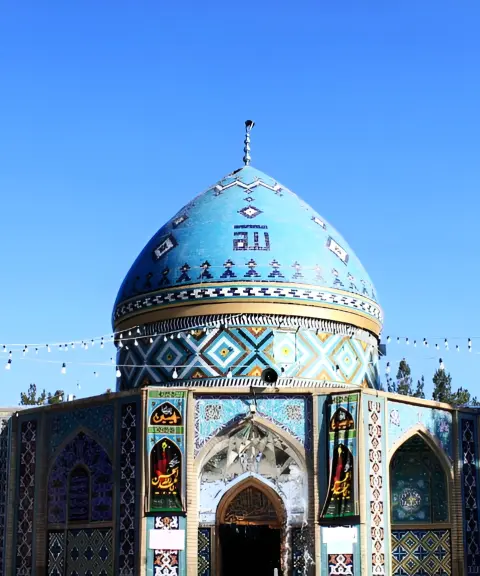
Kamal-ol-Molk Mausoleum
Province Razavi Khorasan
- Walking
A magnificent legacy of Timurid architecture
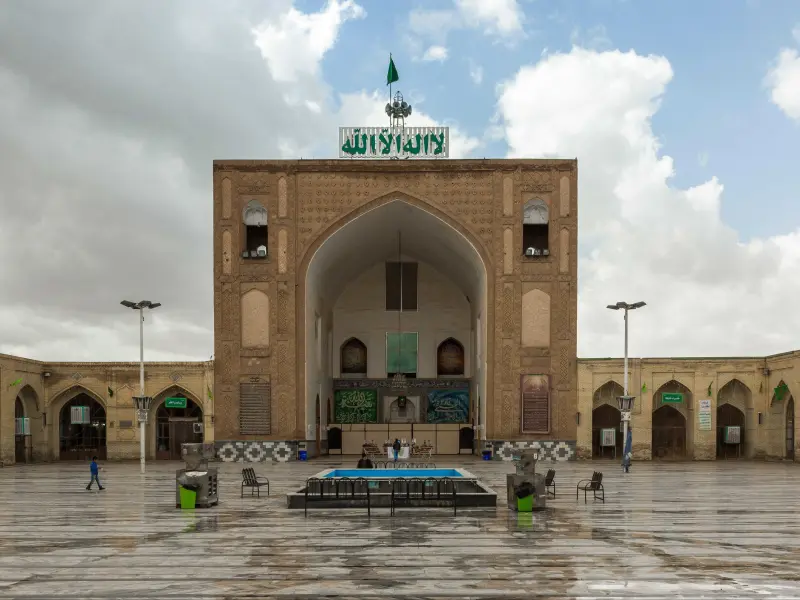
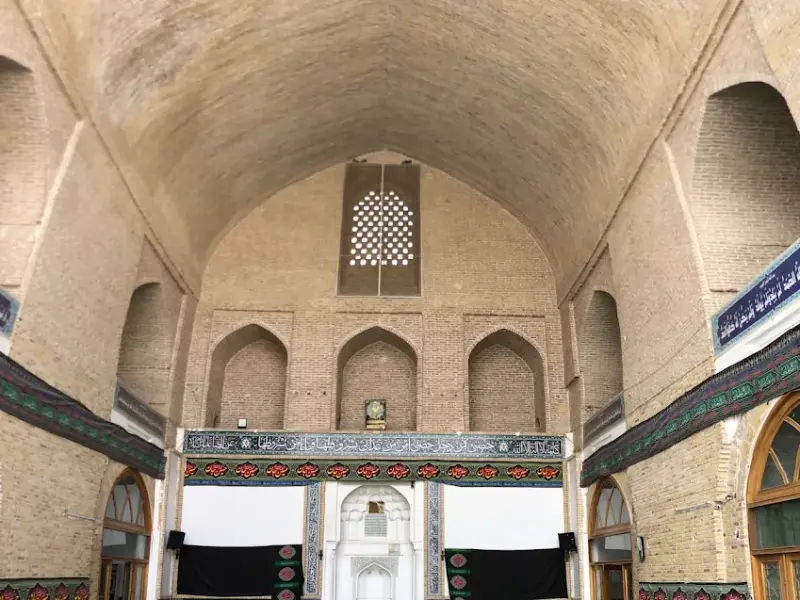
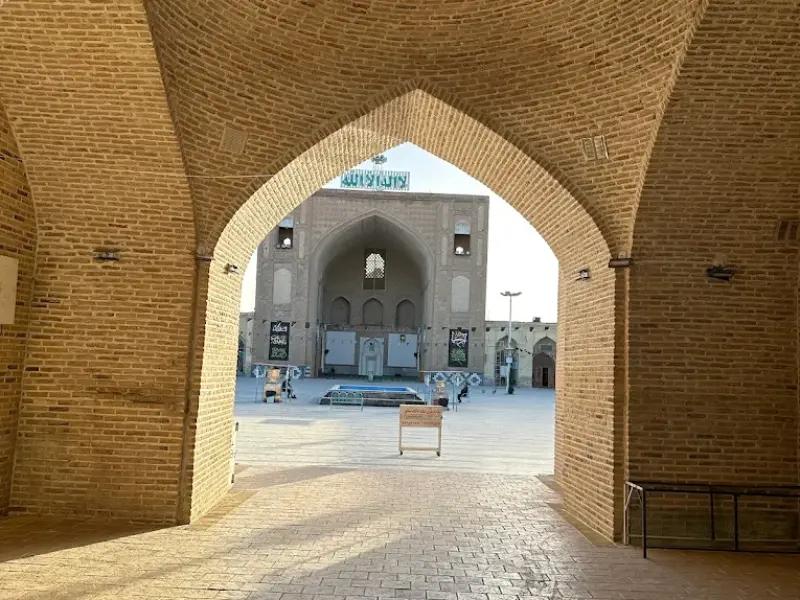
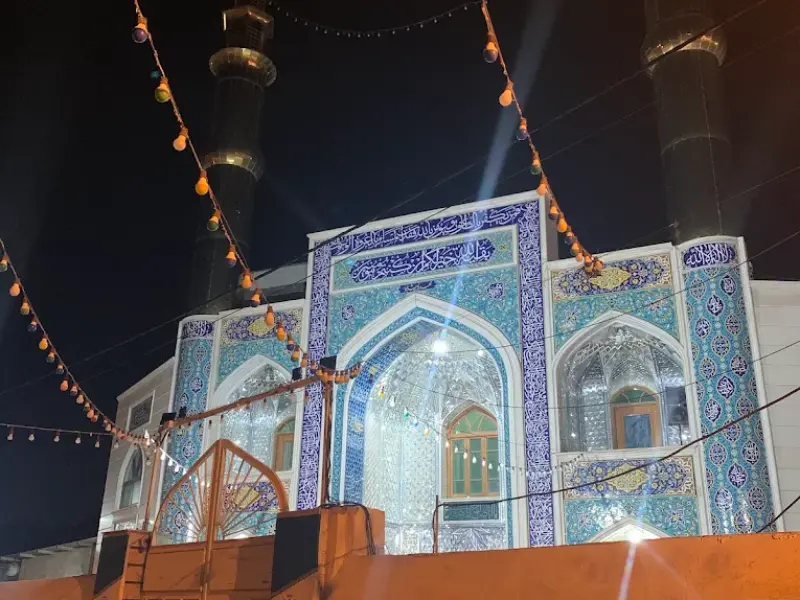
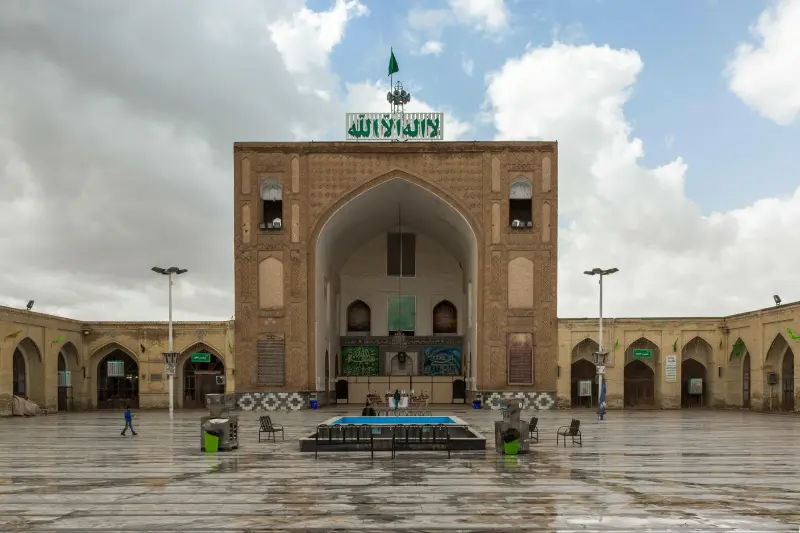
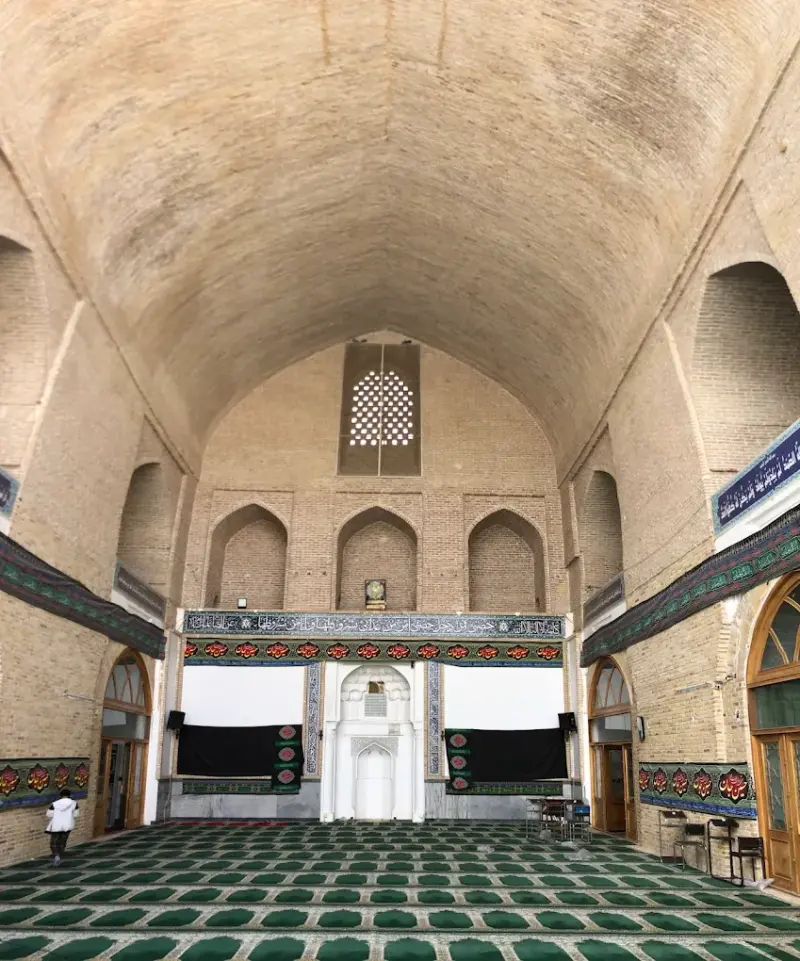
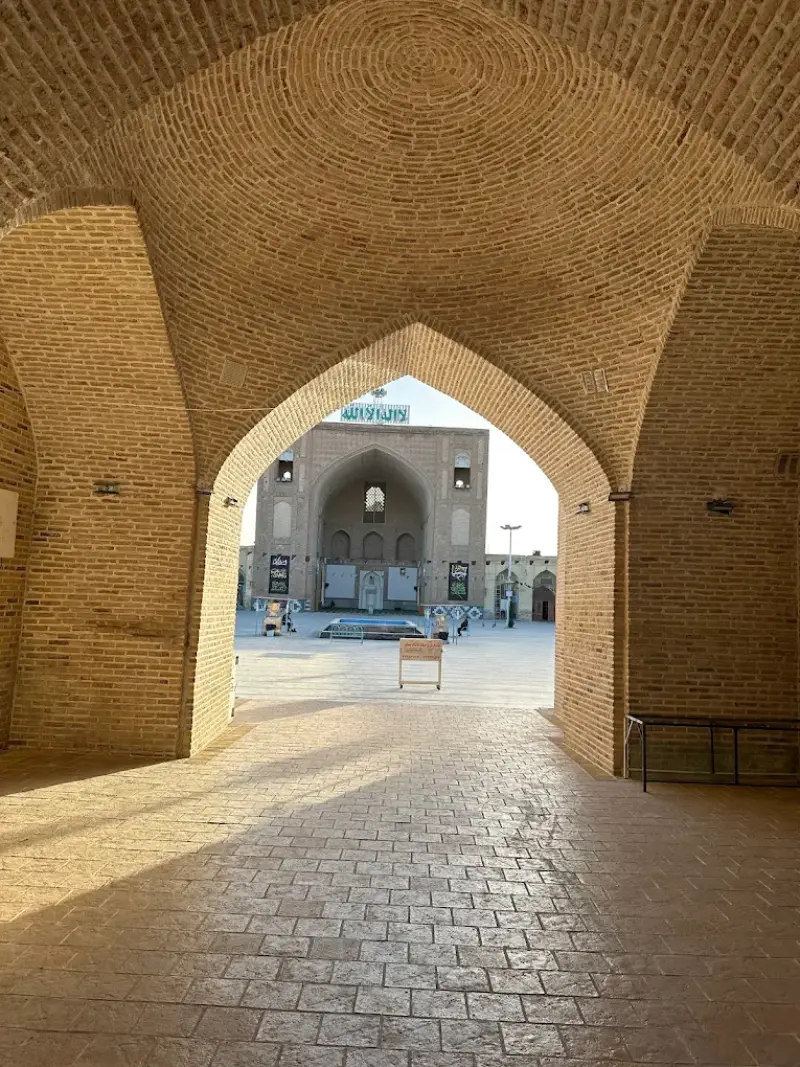
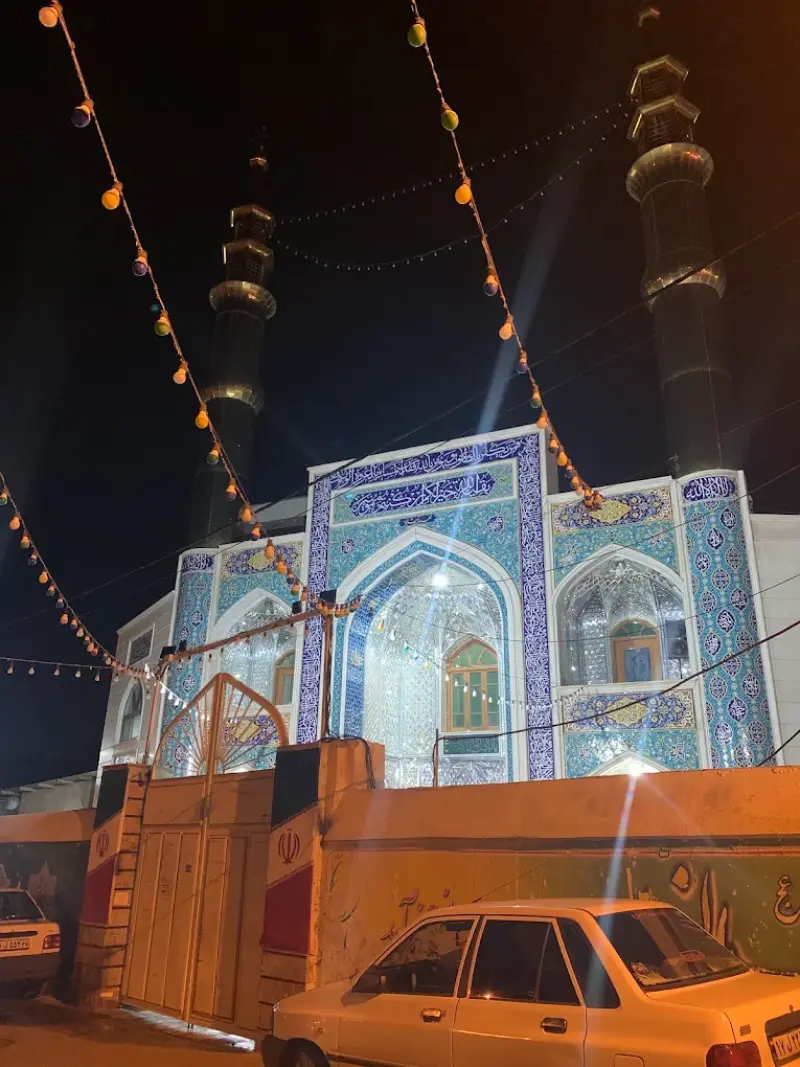
The Jame Mosque of Nishapur is one of the most valuable historical and religious buildings in the city of Nishapur, in Razavi Khorasan Province. It stands in the city centre on Imam Khomeini Street. The mosque was built in 899 AH (lunar Hijri) by Pahlavan Ali ibn Bayazid Karkhi during the reign of Sultan Husayn Bayqara, one of the Timurid rulers. It is among the oldest surviving buildings in present-day Nishapur and has kept its religious function over the centuries. Besides its religious importance, the monument holds a special place for its architecture and history, and it is listed among Iran's National Heritage sites.
With its four-iwan plan and brick construction, the Jame Mosque of Nishapur is a fine example of Timurid religious architecture. The complex covers about 7,083 square metres and includes a central courtyard, a water pool, prayer halls, porticoes, three portals and four iwans. The southern iwan, 19.5 metres high, is the tallest and most distinctive part of the building and houses the main mihrab and muqarnas decoration. The northern entrance portal, with its muqarnas work and historical inscriptions, is also one of the mosque's sights. Five stone inscriptions in the building give valuable information about when it was built and how it was restored, including decrees from the time of the Safavid ruler Shah Abbas in 1021 AH (lunar Hijri) and an inscription recording the restoration of the mosque on the orders of Abbas Qoli Khan Bayat in 1126 AH (lunar Hijri). The absence of a dome and minarets in its present form is another distinctive feature. Since the Islamic Revolution, the building has continued to serve a religious and social role, and it is the venue for Friday prayers and for the cultural and religious activities of Nishapur.
The Jame Mosque of Nishapur is easy to reach because it is in the city centre. From different parts of Nishapur you can get to Imam Khomeini Street and the mosque by taxi, city bus or private car. As this is a historical and religious building with covered spaces, it can be visited in every season. Even so, spring and autumn, when Nishapur's weather is pleasant, are better times for exploring the city's historic quarter and visiting the nearby attractions. Visitors are asked to dress modestly and observe the etiquette of religious sites, to respect the peace of worshippers, and to avoid damaging the inscriptions and historical decorations, helping to preserve this valuable heritage.
Written by زهرا لنگری Last updated
What you can do here, and what it takes
کفش پیادهروی به همراه داشته باشید..
Province Razavi Khorasan
Province Razavi Khorasan
Province Razavi Khorasan
Province Razavi Khorasan
Province Razavi Khorasan
Province Razavi Khorasan
Province Razavi Khorasan


Unfortunately, no comments have been registered.