
 Wetlands
- Ability level Intermediate
Ability level:
Intermediate
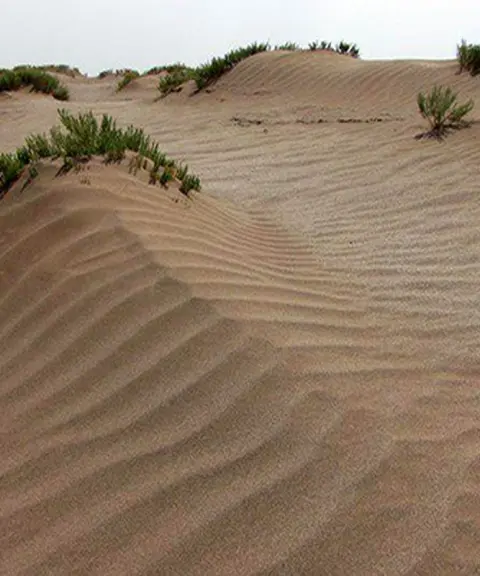
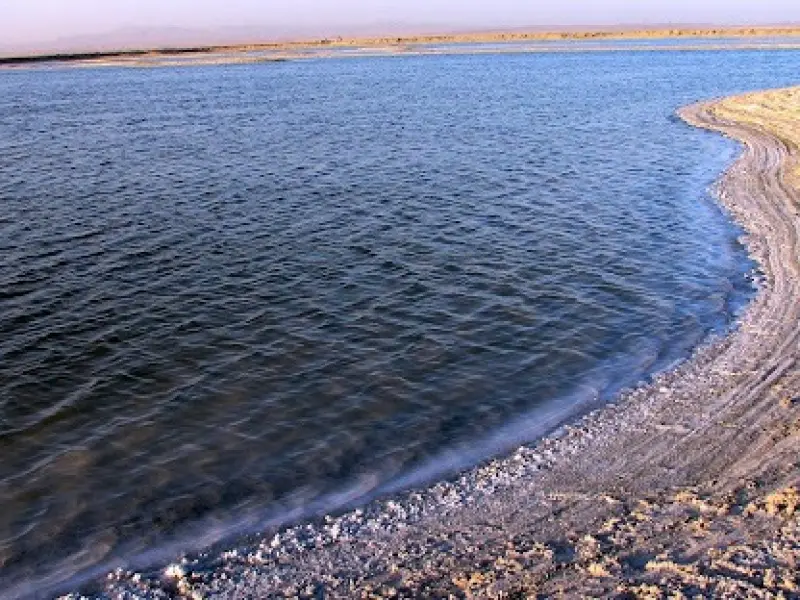
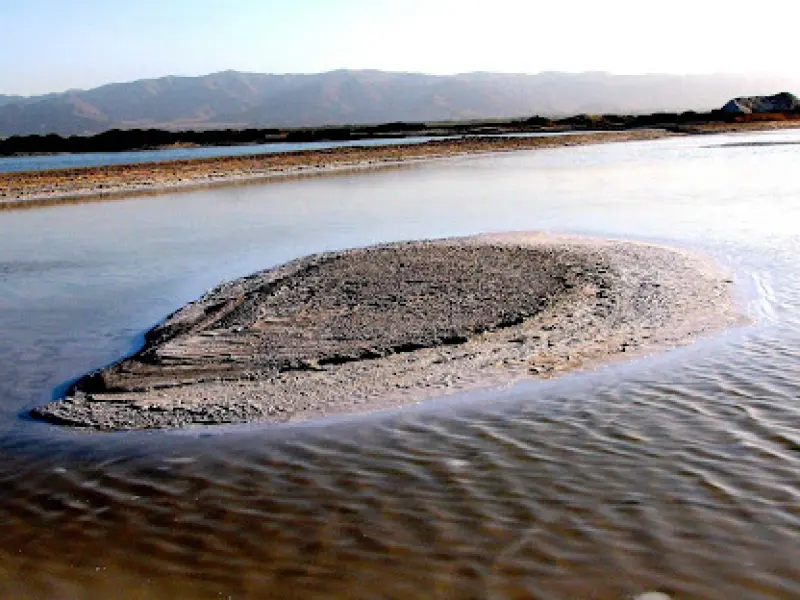
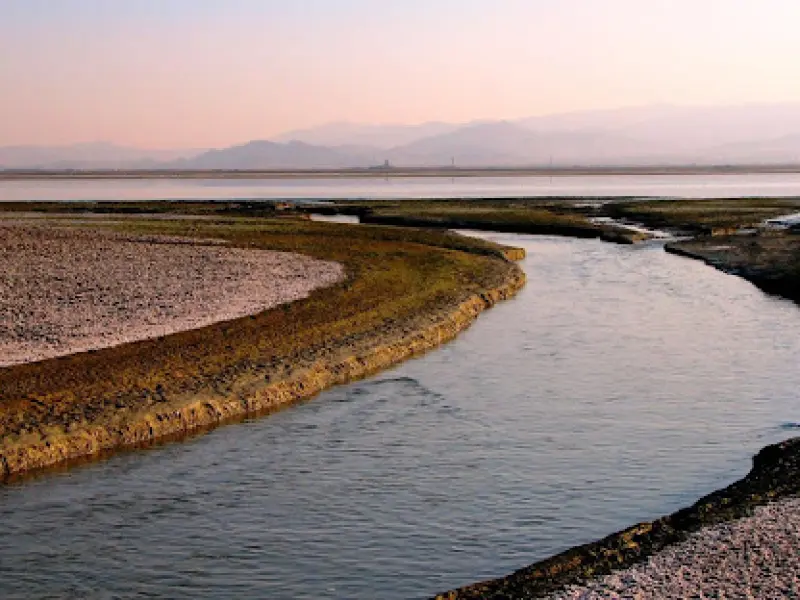
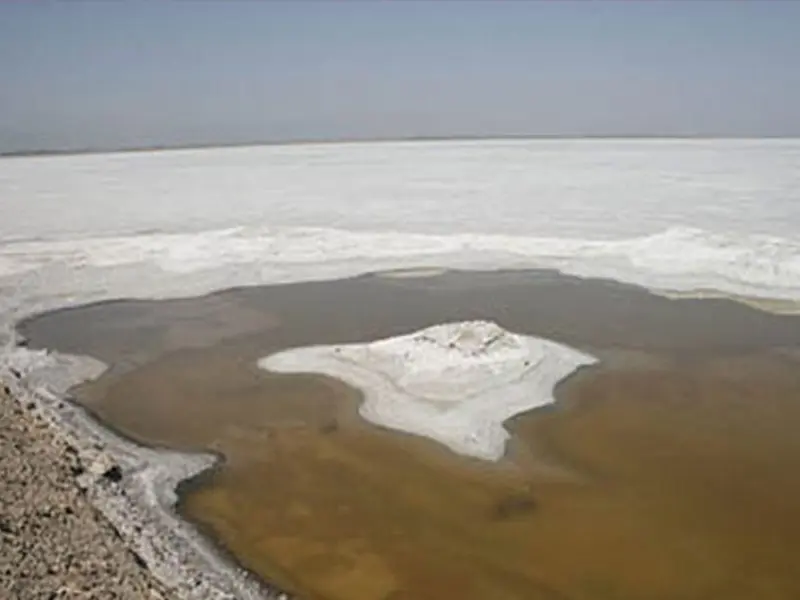
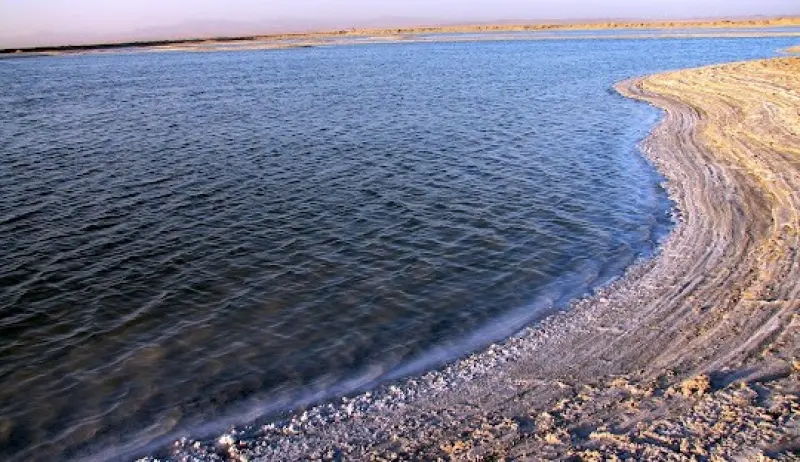
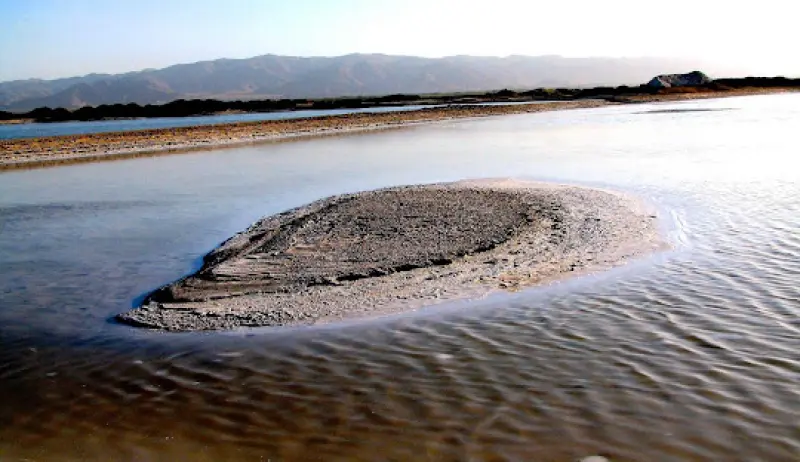
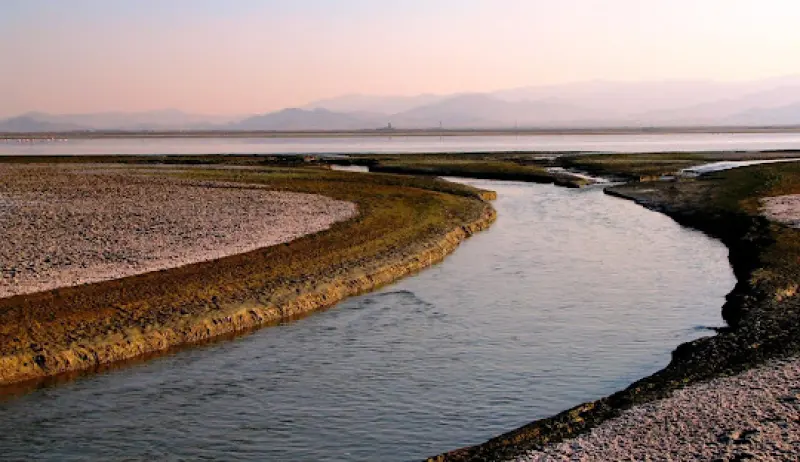
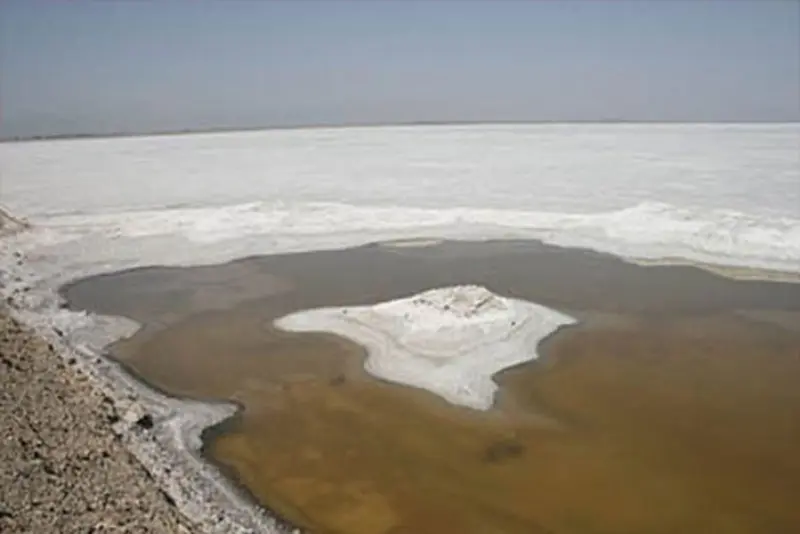
The scenic Meighan Wetland, formerly known as the Farahan Salt Marsh, is considered one of the attractions of Arak. It is located 17 kilometers northeast of Arak, southwest of Davudabad, in the Farahan Plain of Markazi Province. The area of the wetland varies between 100 and 110 square kilometers, it lies at an altitude of about 1,655 meters above sea level, and the water of the lake is salty. The wetland has three islands, called Crystalline 1 and 2 in the middle, along with a desert area and the surrounding plains.
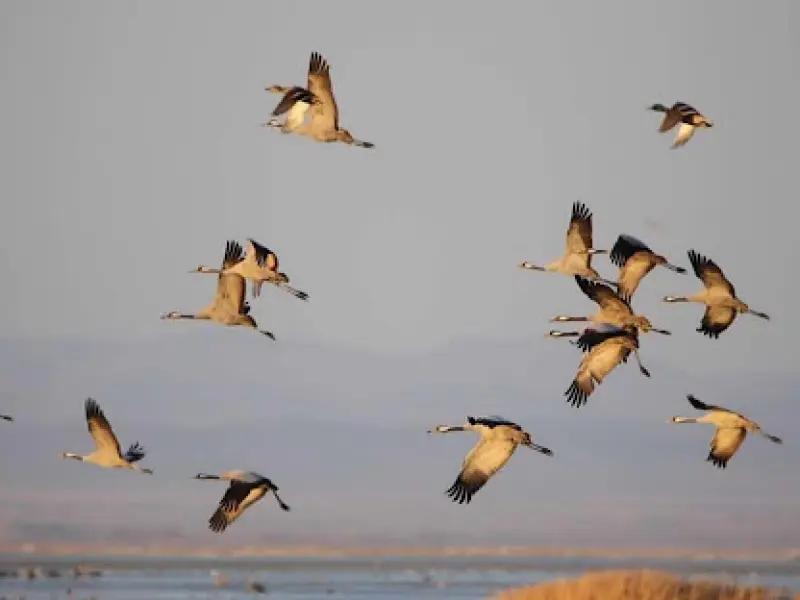
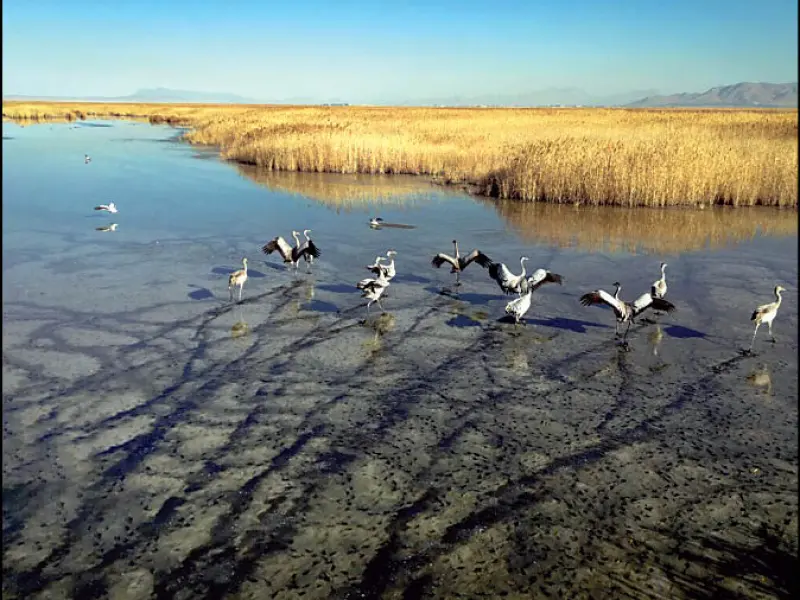
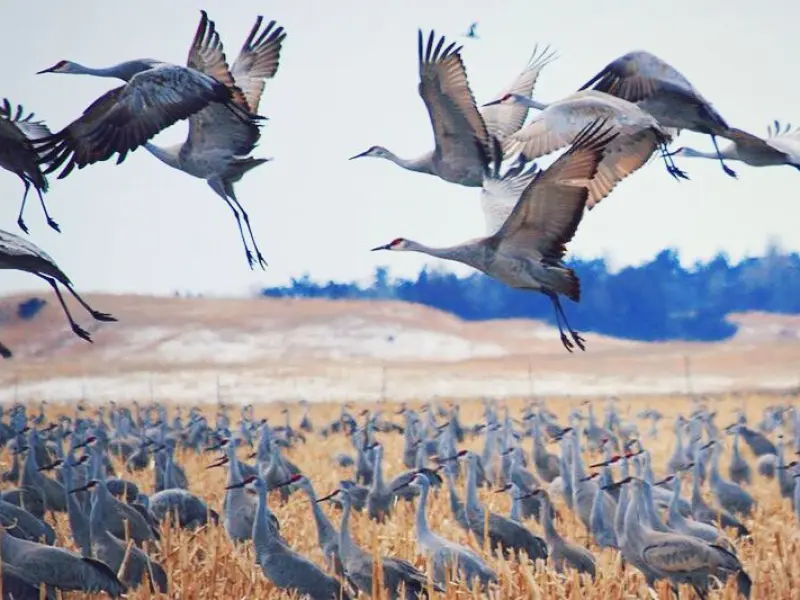
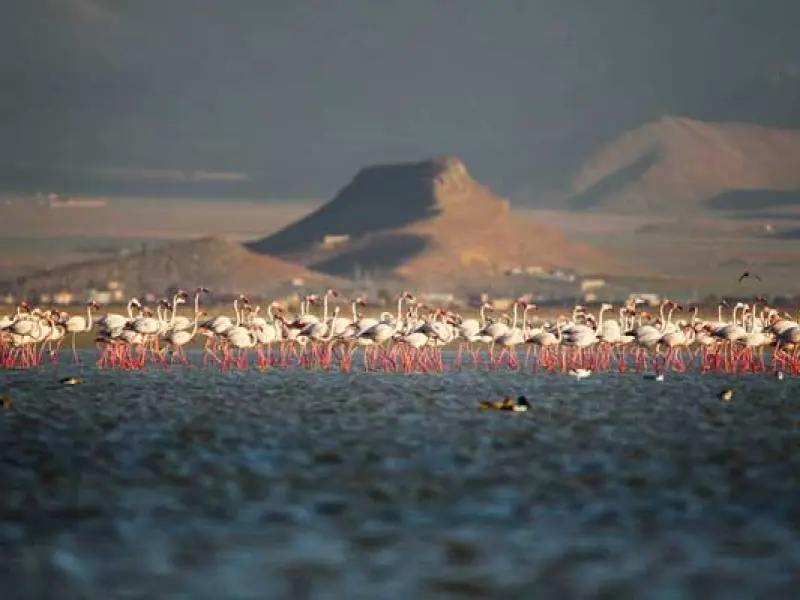
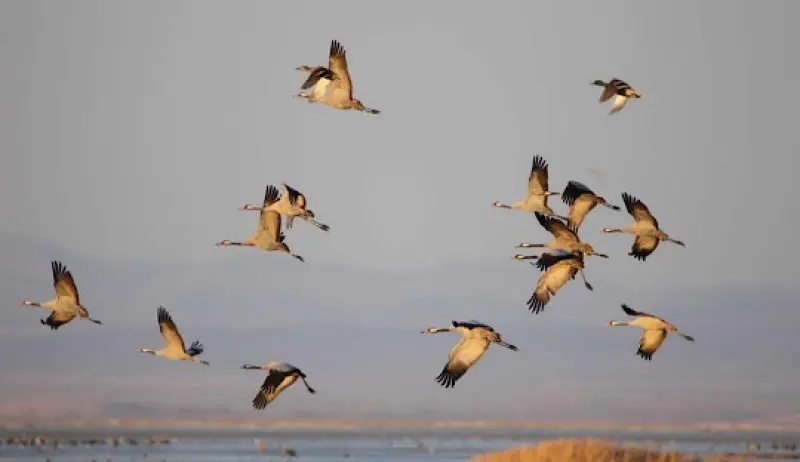
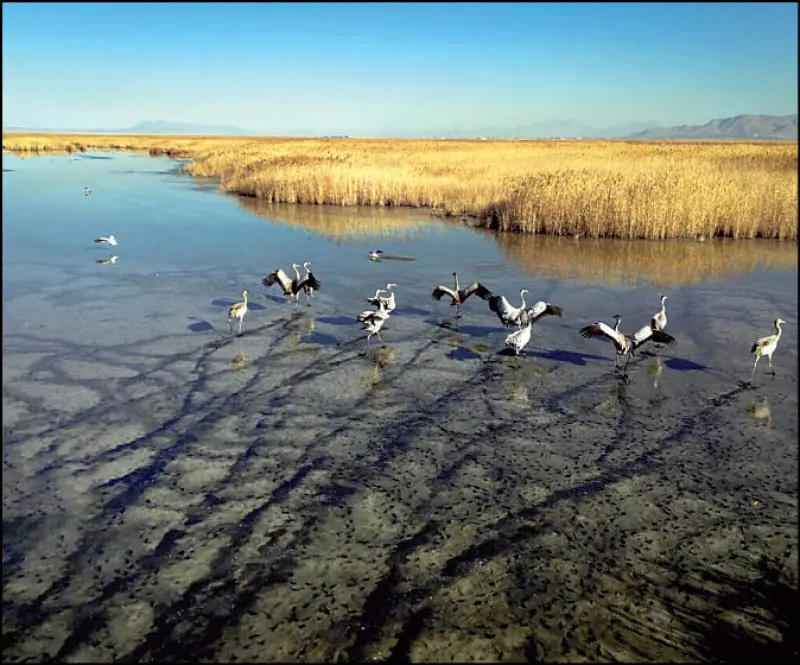
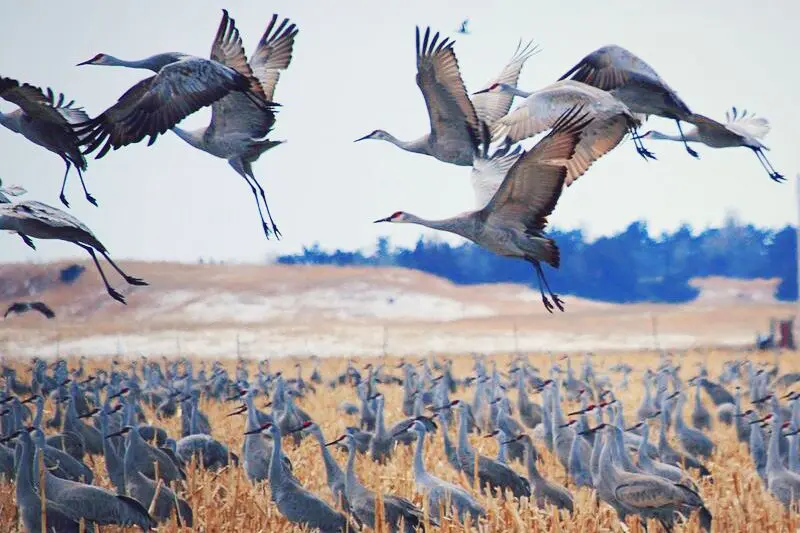
Meighan Wetland has special ecological features. Among other things, every year it hosts a large number of migratory birds, among which some rare and protected species are occasionally seen. Because of the high population of cranes in the wetland compared with other habitats in the country, it has gained greater importance among environmental enthusiasts. In terms of climate, the lake has mild winters; this is why in autumn and early winter it is a habitat for birds, especially migratory birds from northern Iran and cold regions. In years with good rainfall, the wetland holds a considerable amount of water, while in dry years the surface of the wetland generally dries out and turns into a desert-like salt flat. The wetland's water is supplied by precipitation, the water of three rivers (Qareh Kahriz, Farahan and Shahrab), and the treated wastewater of Arak.
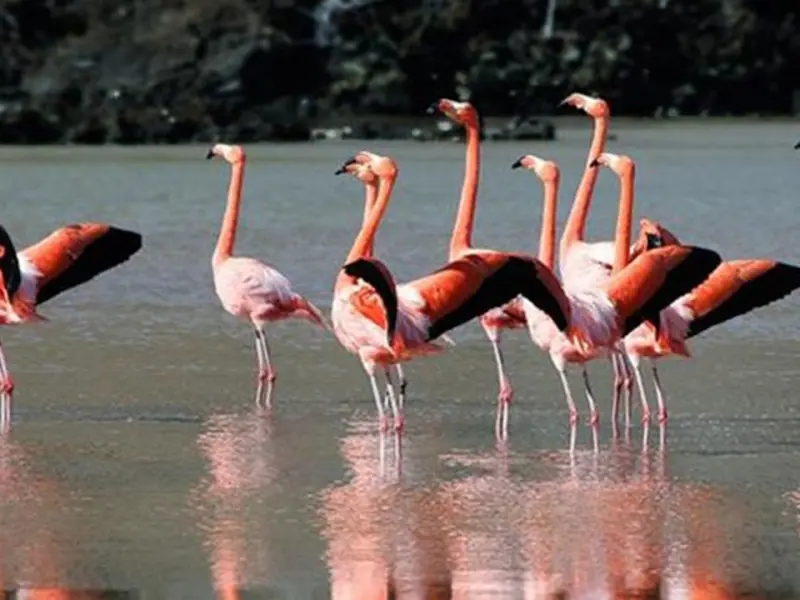
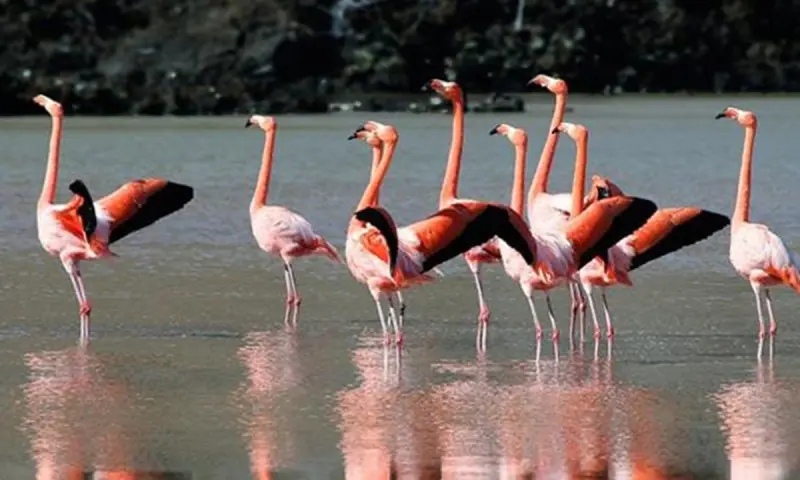
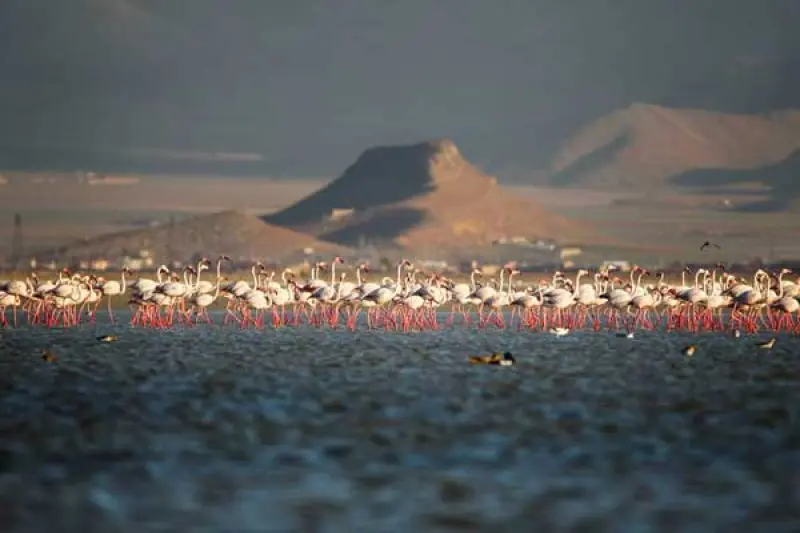
The presence of some wild animals such as wolves, foxes and snakes, birds such as eagles, and some rare specimens among the green branches and leaves of Qareh-dagh and Atriplex shrubs gives the desert areas of this wetland a striking look. Cranes, waterfowl, flamingos, the Eurasian avocet-like Kentish plover and many other kinds of birds, with their presence in the pristine nature of Meighan Wetland, amaze visitors and make them want to see more. The wetland has been designated a no-hunting area by the Markazi Province Department of Environment. Meighan Wetland lies in the heart of the desert, and in recent years, through the tireless efforts of the Natural Resources Organization, it has been turned into a green recreation area. A desert watchtower has now been built in the heart of the wetland, providing suitable conditions for visiting the area. The best time for bird-watching programs at this wetland is spring and autumn. Of these, autumn is the time when the birds find refuge, living in skies far from the Siberian cold, and they stay longer at the wetland.
Written by زهرا لنگری Last updated
Activities
What you can do here, and what it takes
-
Walking
کفش پیادهروی به همراه داشته باشید..
Specifications
Introduction of the location and specifications of Meighan Wetland
Location:
Markazi, Arak
Coordinates:
34.19646931, 49.85029221
Open in maps
Height above mean sea:
1655 meter
Floras:
Temperate Grasslands
Faunas:
Presence of Allergenic Insects, Presence of Herbivorous Animals
Transports:
Private car
Tourist Attractions in Markazi
Attractions that are nearby

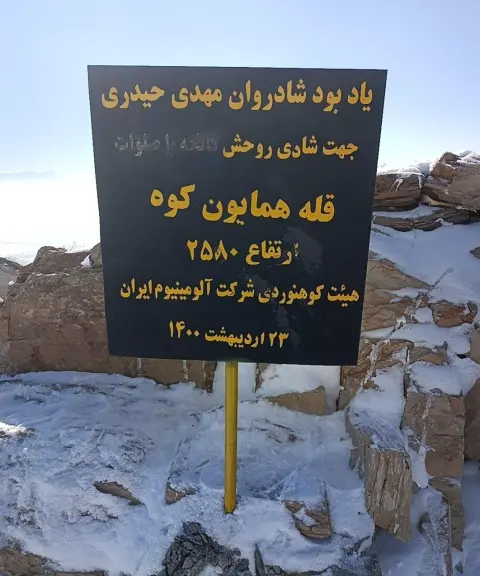

Homayoun Kuh Peak
Province Markazi
- Mountaineering
A mountain refuge rising above the natural landscape of central Iran
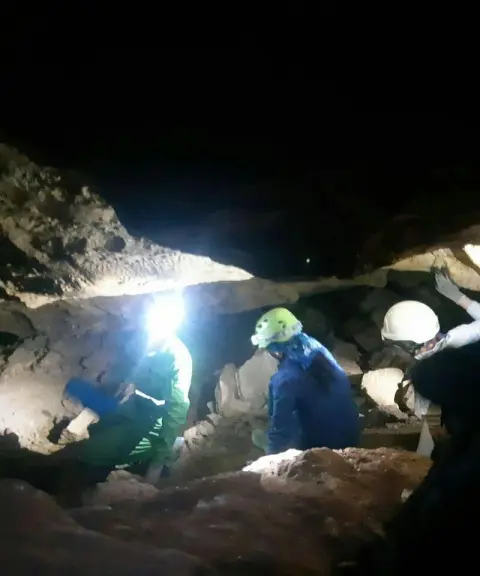

Asili Cave
Province Markazi
- Walking
- Caving
A small, distinctive cave in the heart of Markazi Province
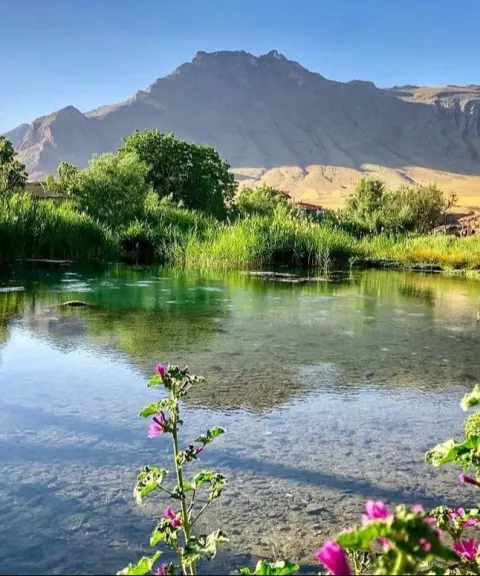
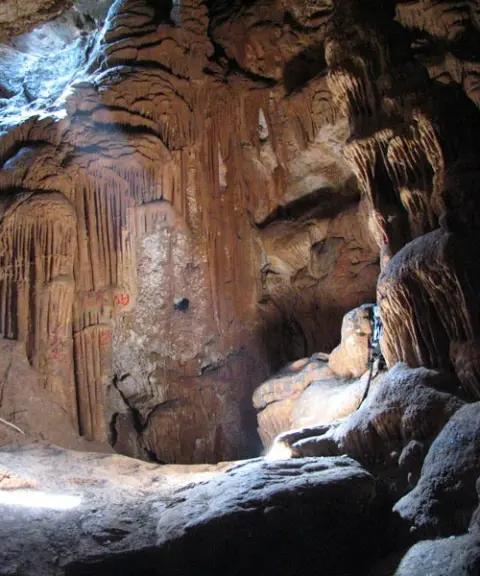
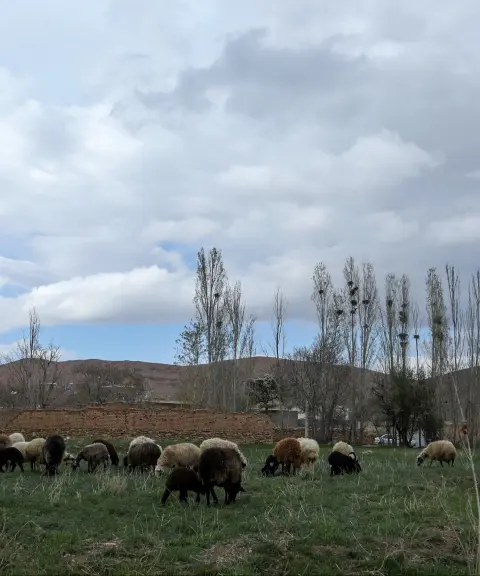

Varcheh Village
Province Markazi
- Walking
A mountain village with stunning scenery and ancient petroglyphs

Rasband Wildlife Refuge
Province Markazi
- Walking
- Mountaineering
A high-altitude habitat of remarkable diversity in the heart of Iran's central mountains
Related tags:
Unfortunately, no comments have been registered.