
 Attractions
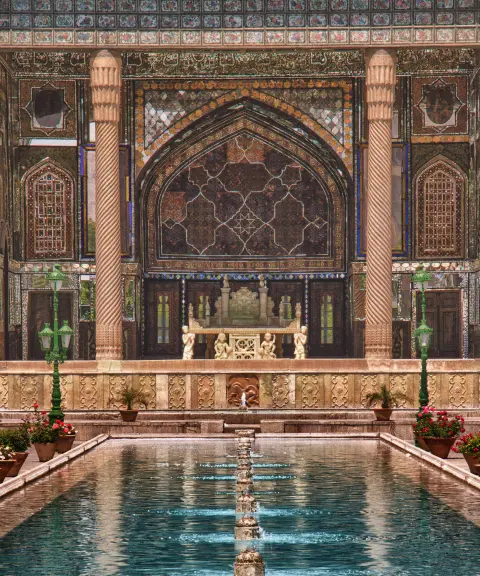
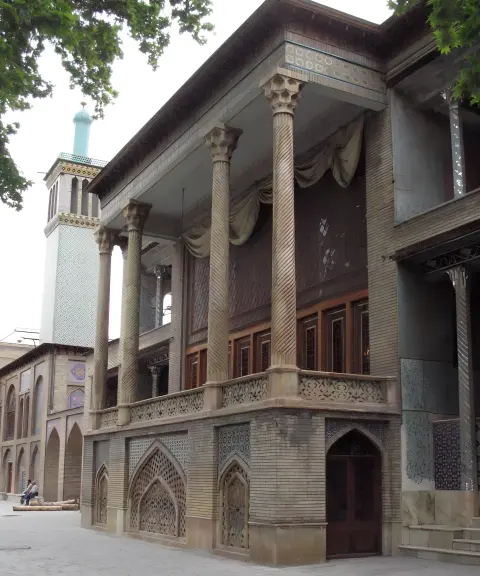
Marble Throne Veranda
Province Tehran
- Walking
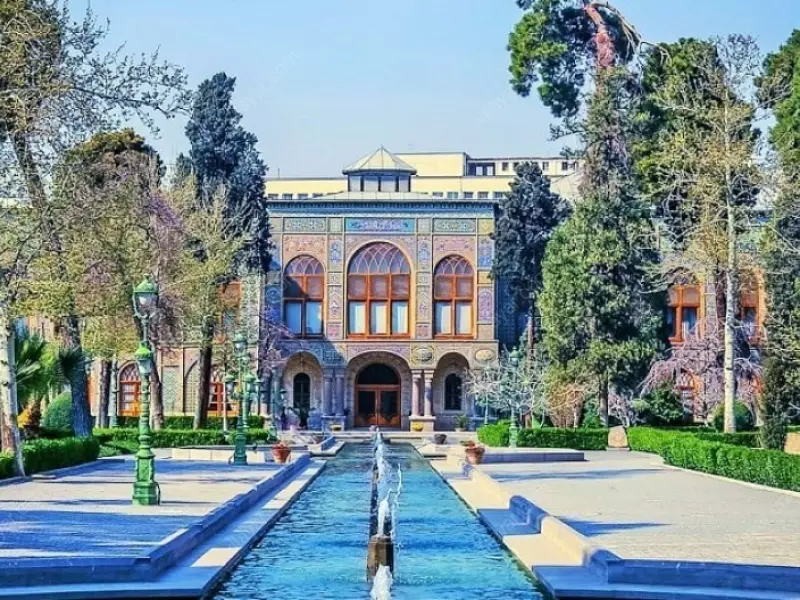
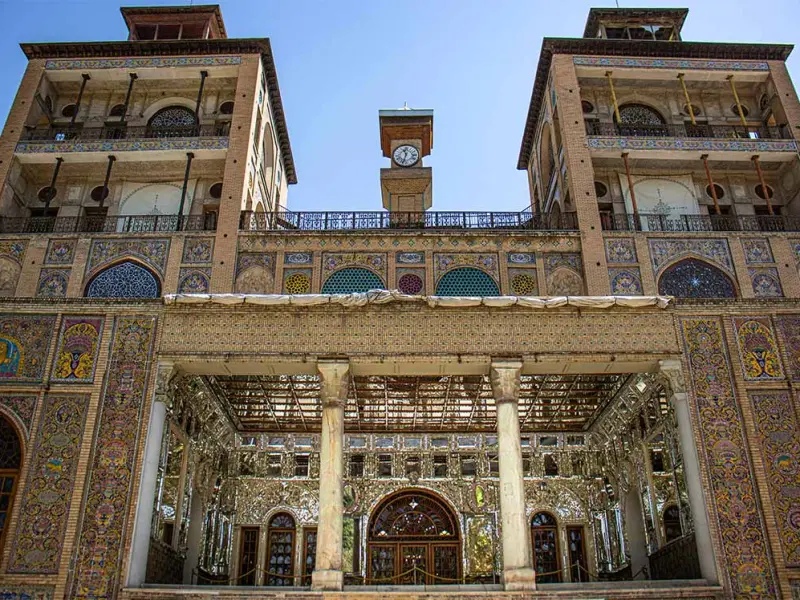
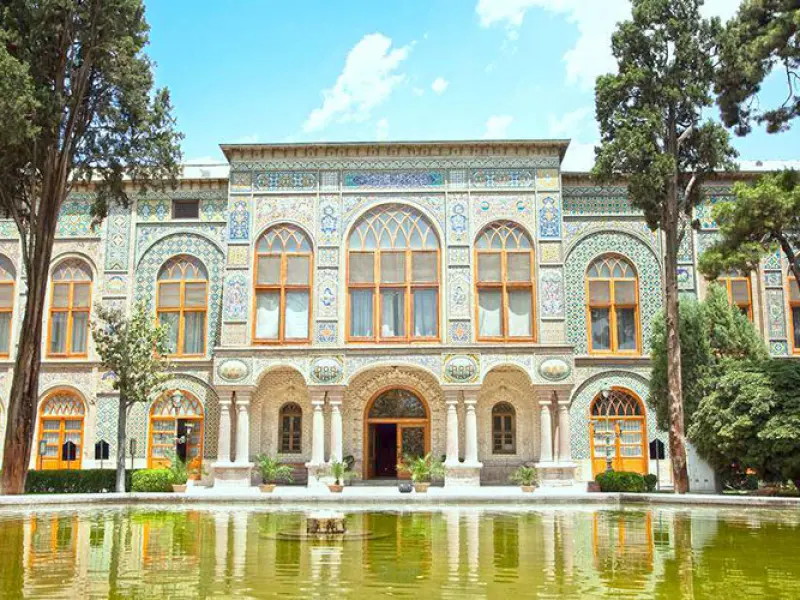
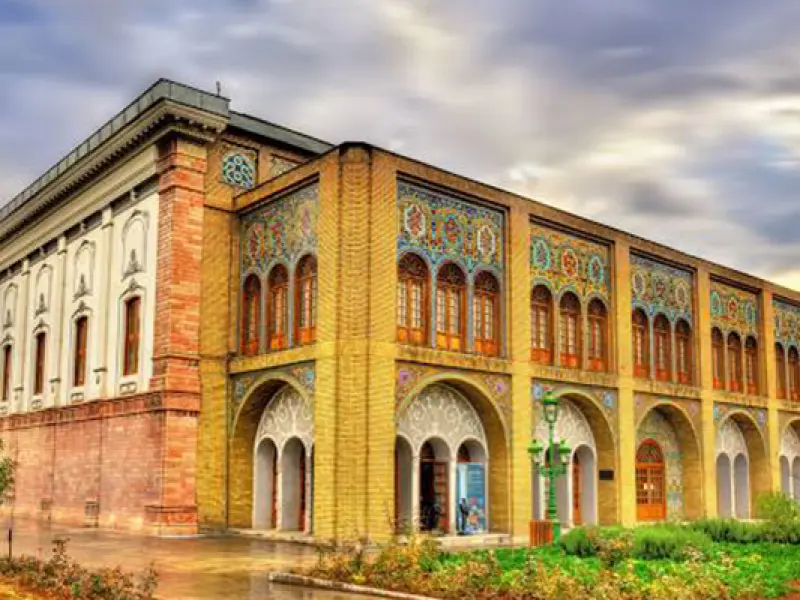
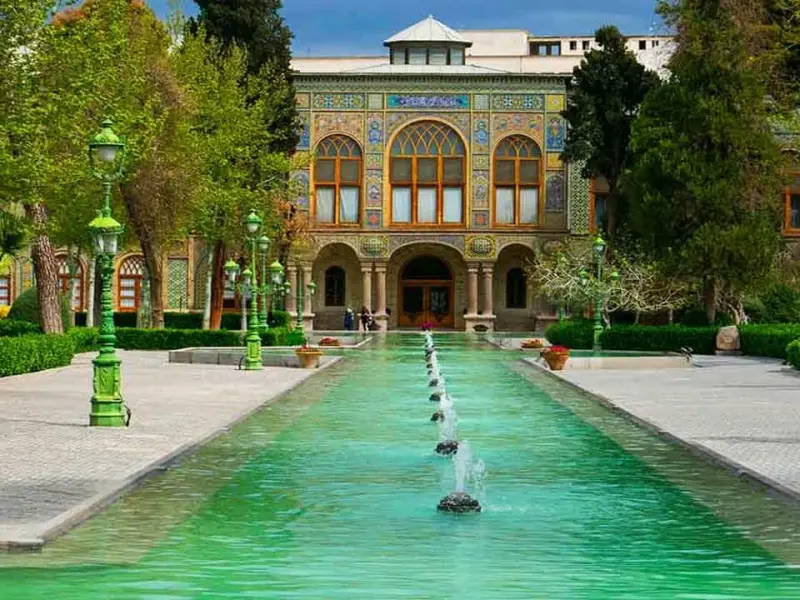
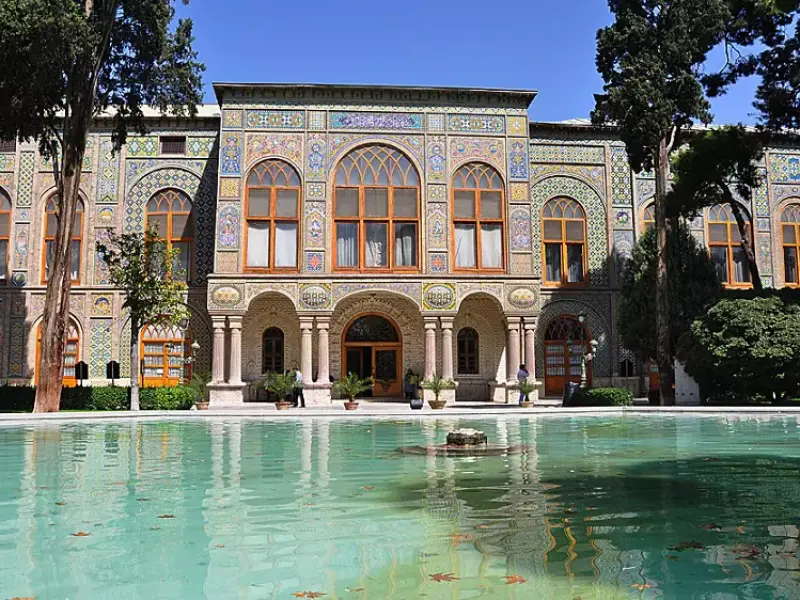
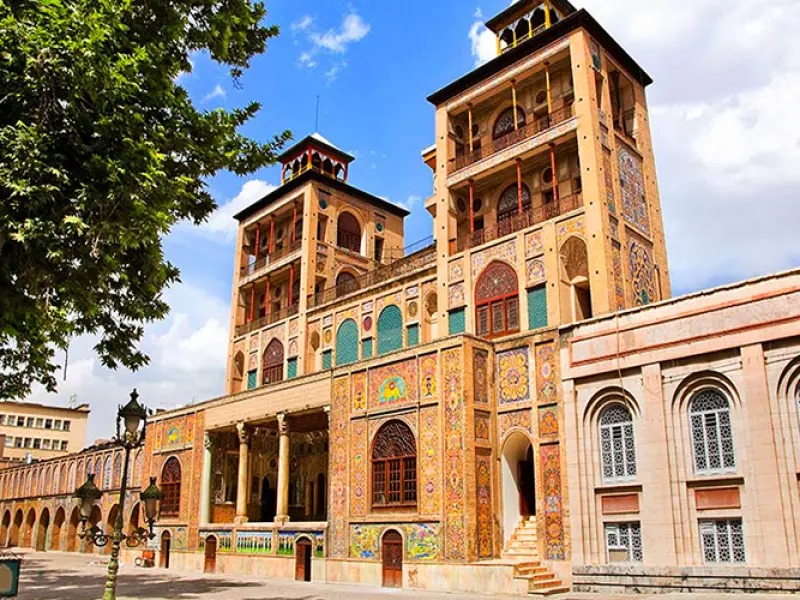
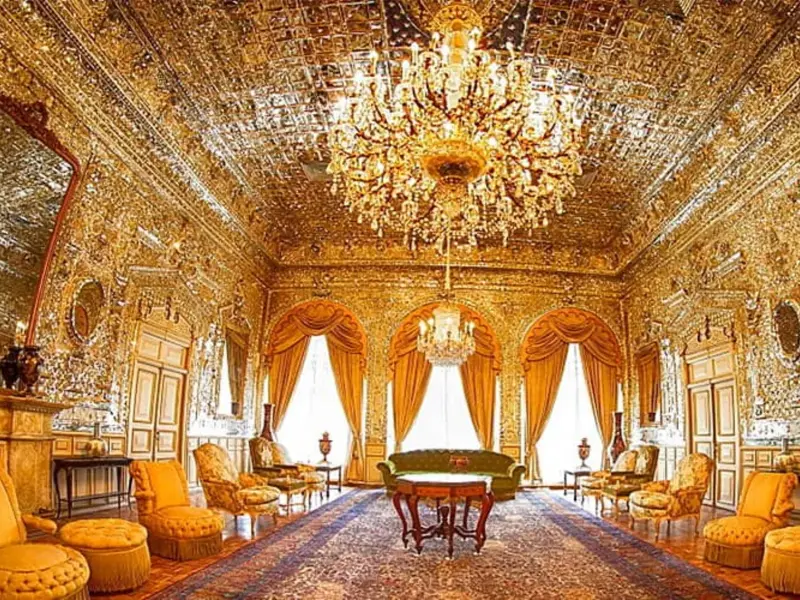
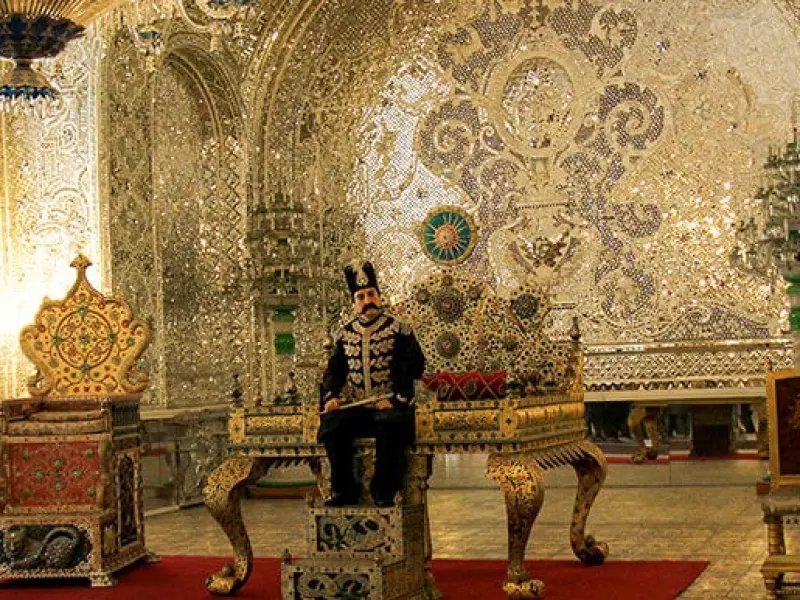
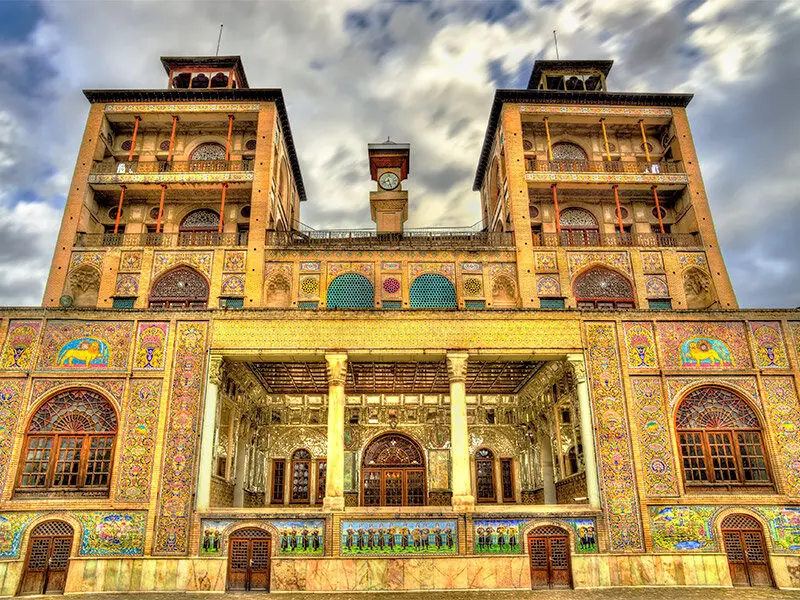
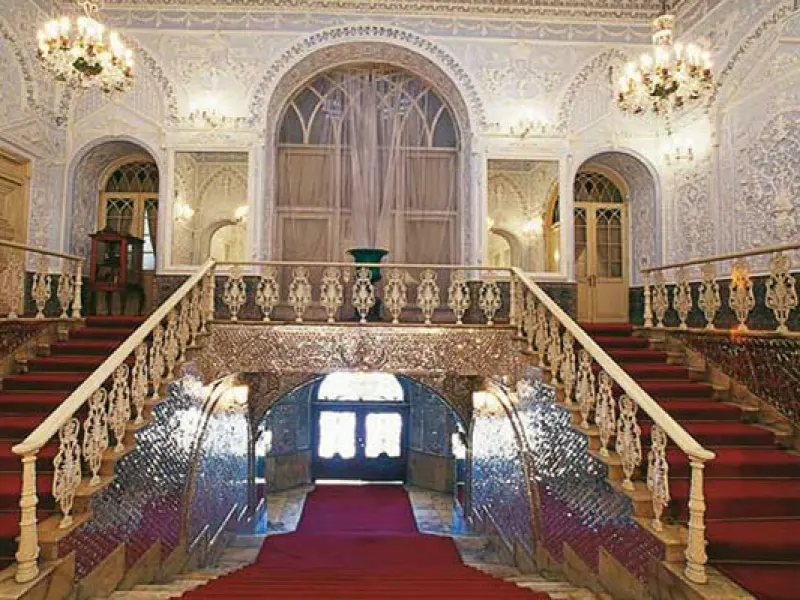
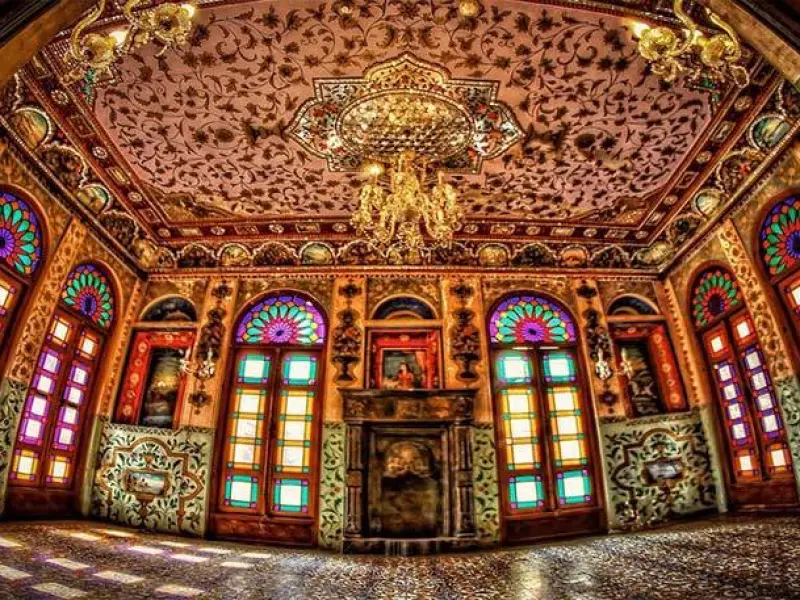
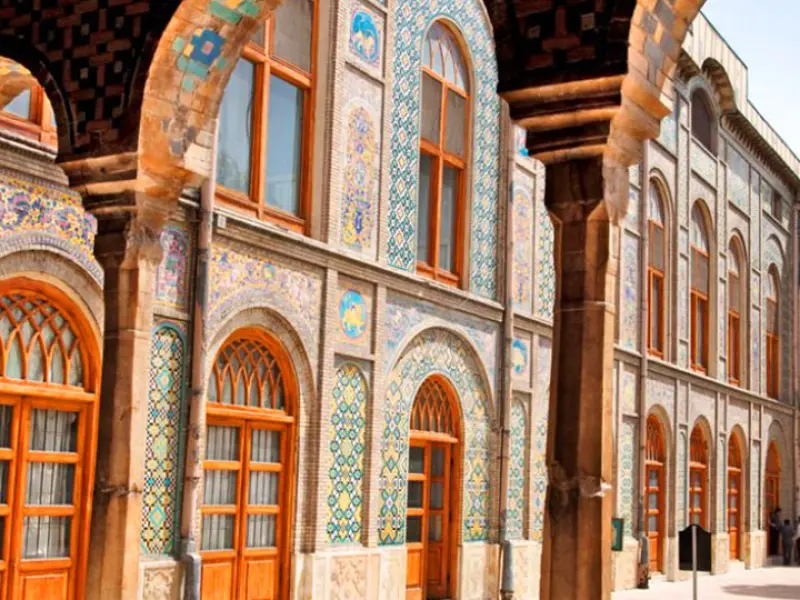
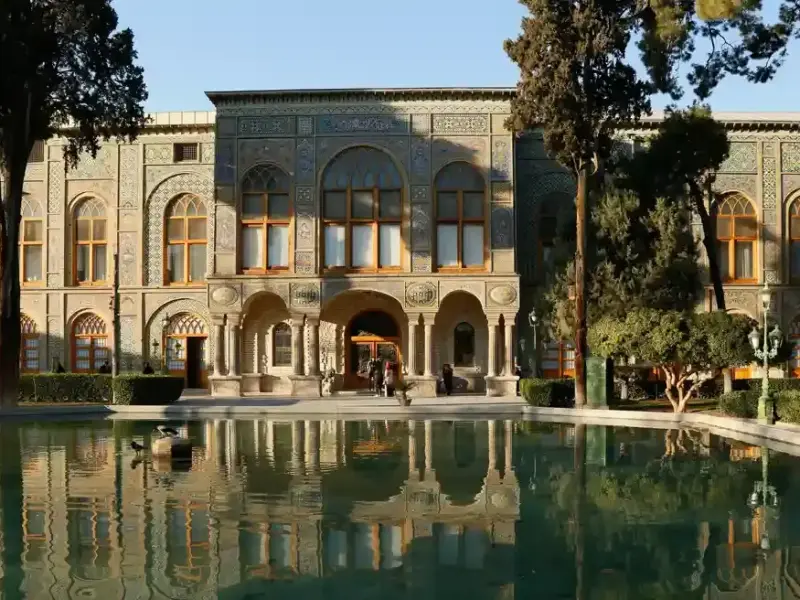
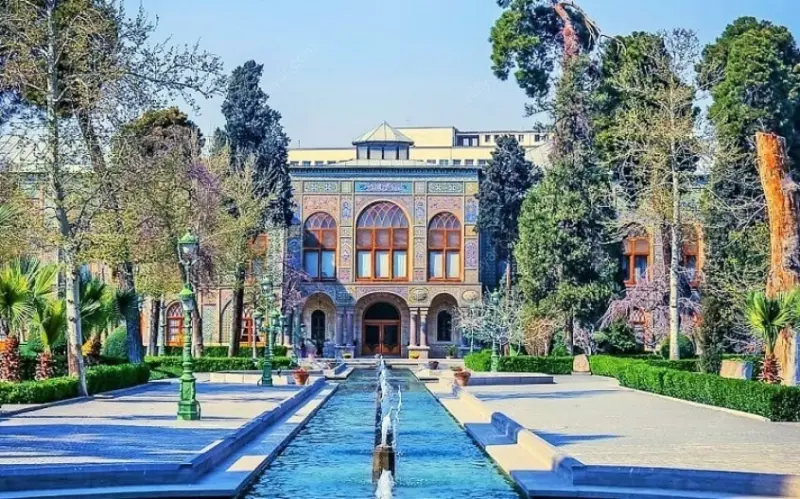
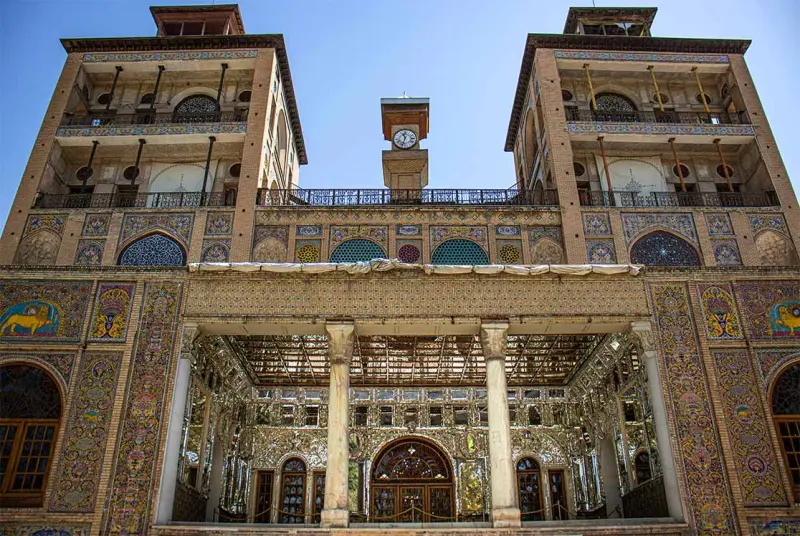
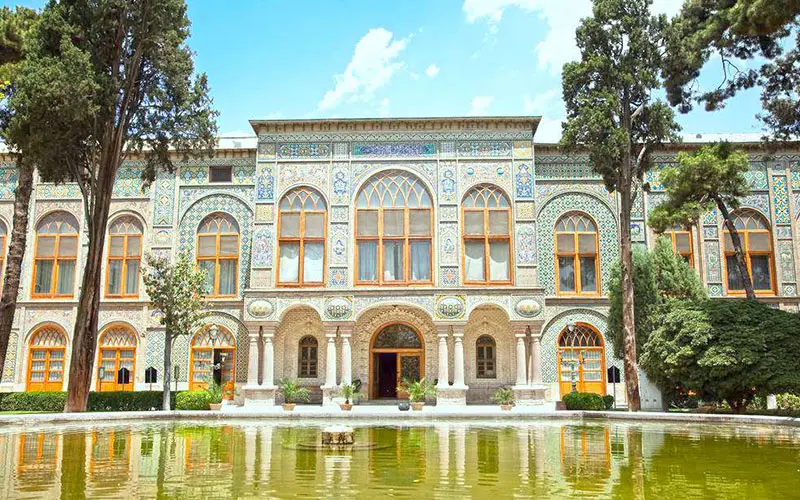
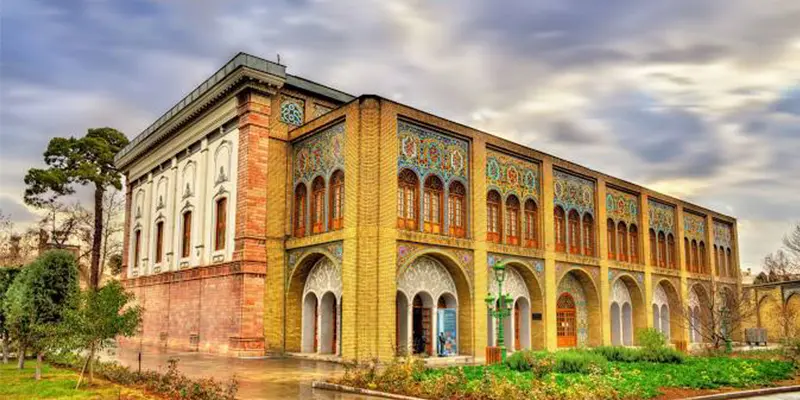
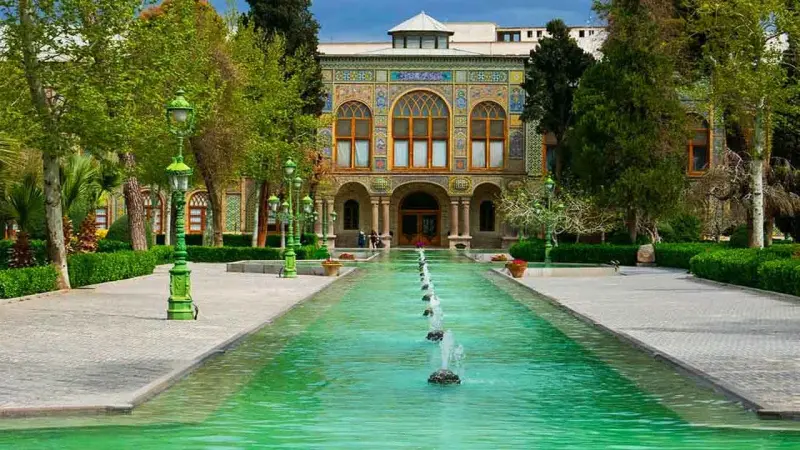
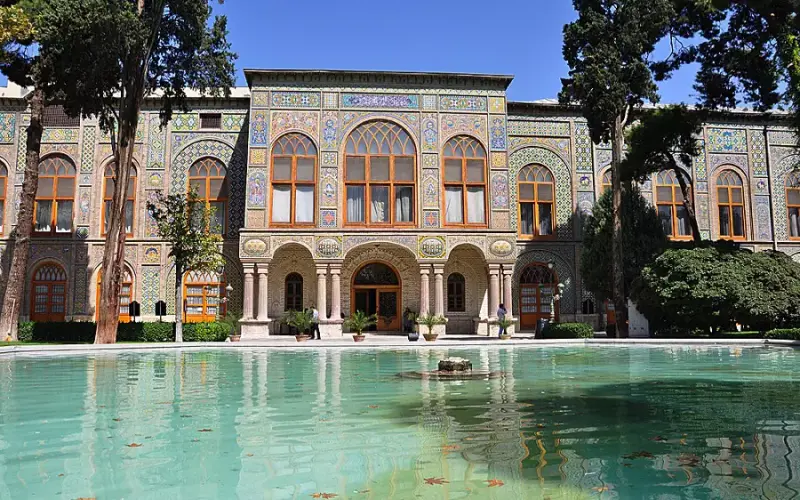
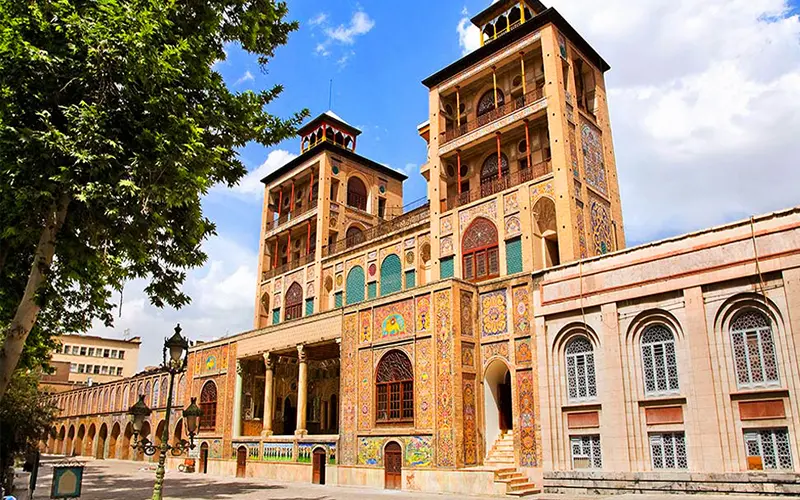
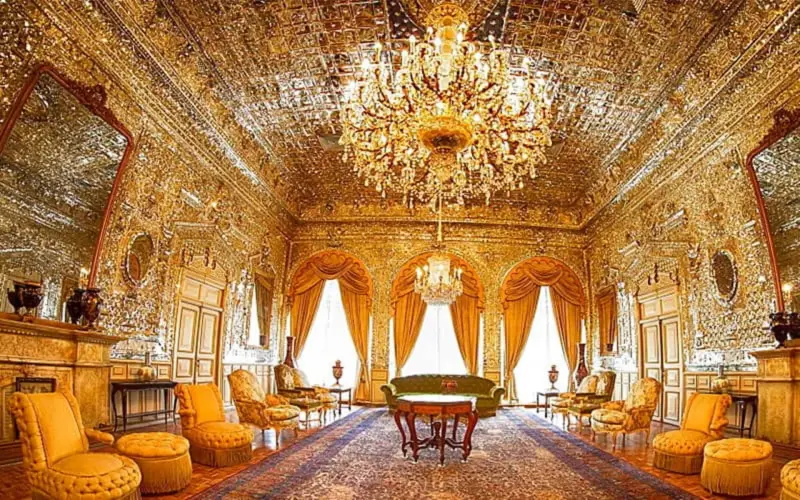
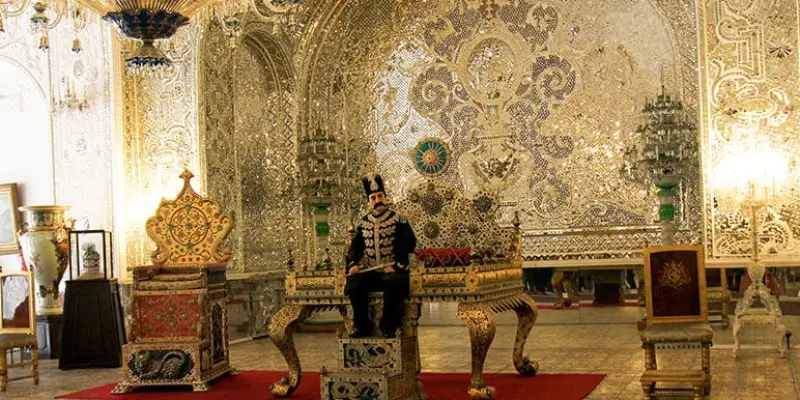
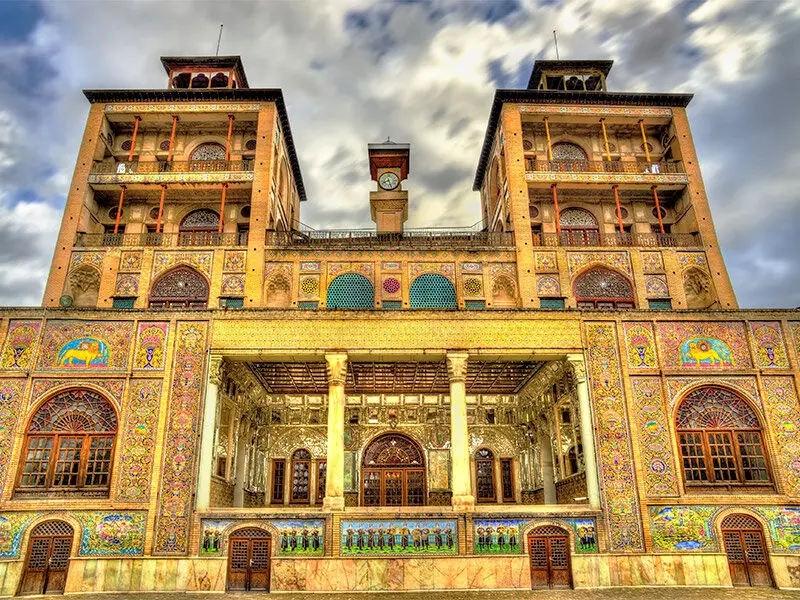
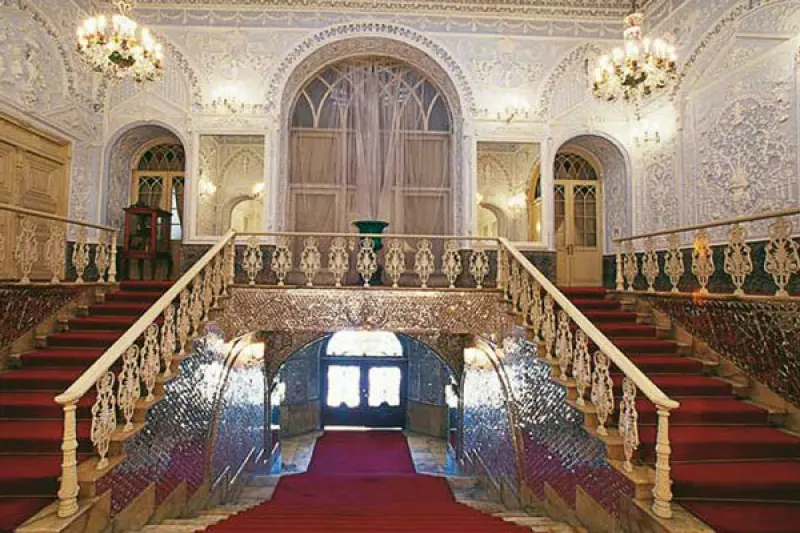
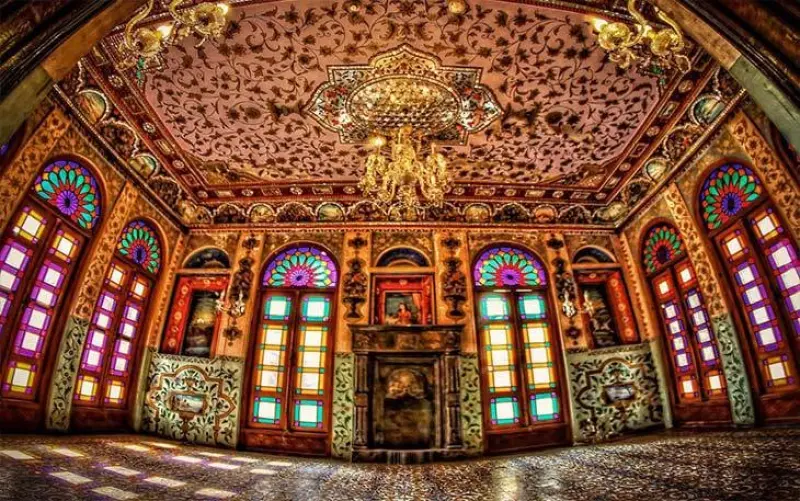
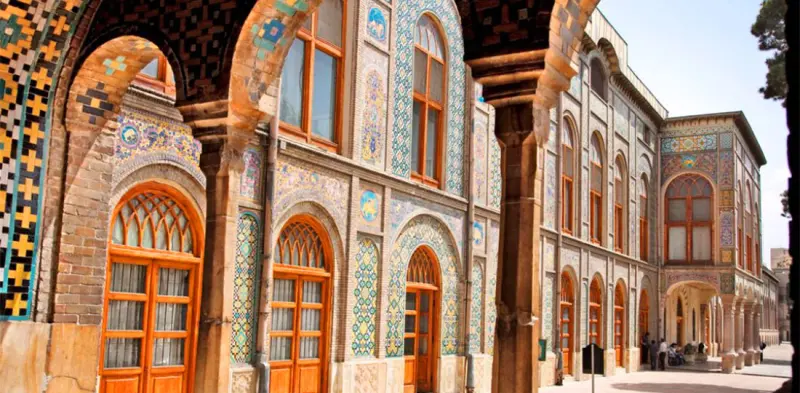
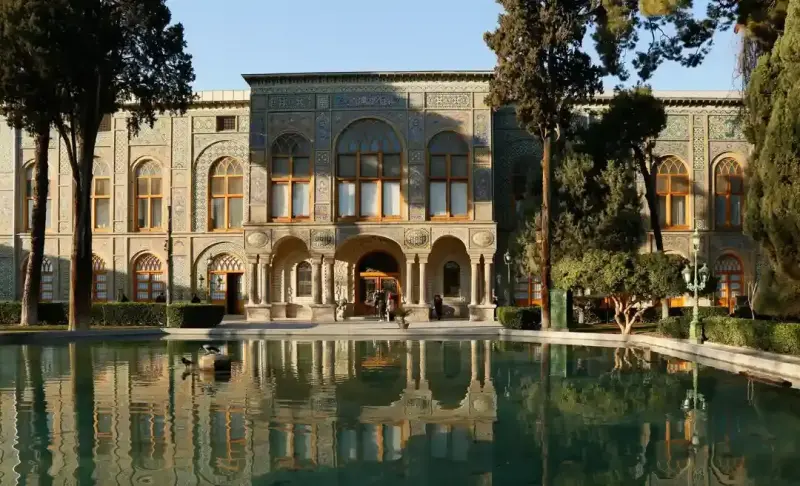
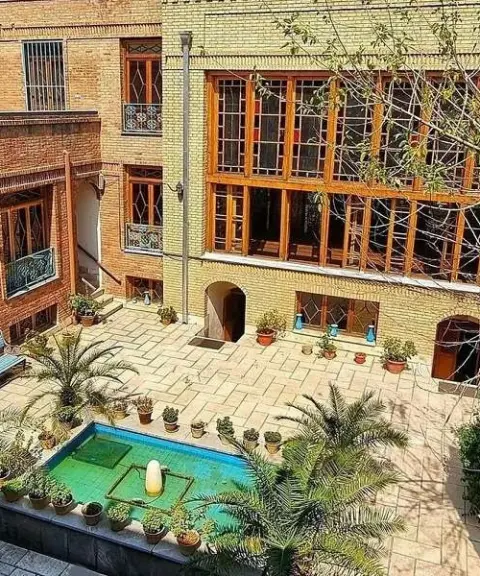
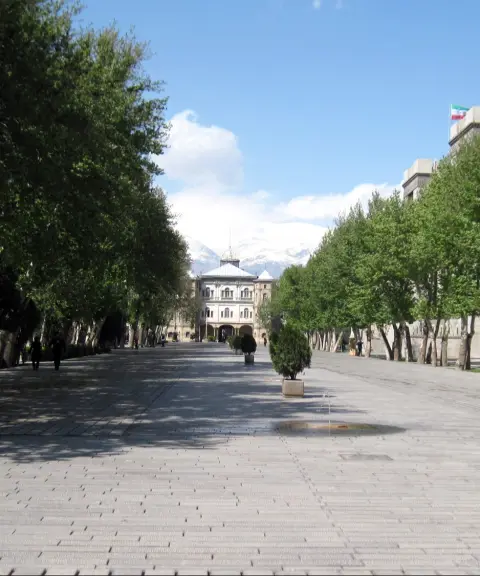
Golestan Palace is part of a historic complex in Tehran, originally known as the "Royal Citadel of Tehran" (Arg-e Saltanati). The palace stands near the Tehran Bazaar and is one of Iran's UNESCO-listed sites. Its name comes from a hall built in this area during the reign of the Qajar ruler Fath-Ali Shah. Later, in the reign of Naser al-Din Shah, the complex became known as the "Blessed Buildings of Golestan" (Emarat-e Mobarake-ye Golestan). Under Mozaffar al-Din Shah, the name was officially changed to "Golestan Palace" (Qasr-e Golestan). The history of the palace goes back to before the Qajar period, and its first foundations were laid in the Zand era. Golestan Palace was inscribed on the UNESCO World Heritage List in Tir 1392 (July 2013).
The history of the Royal Citadel of Tehran dates back to 1404 CE (20 Dhu al-Hijjah 806 AH), when Clavijo, the envoy of Henry III, King of Castile, travelled to Samarkand to meet Amir Timur Gurkani, and stayed in Tehran at the house of the local governor's representative. In the travel account of Pietro Della Valle from 1617 CE, and also in the writings of Sir Thomas Herbert, there is mention of a plane-tree grove inside the Shah Tahmasbi wall, which stood in Tehran in the time of Shah Abbas I of the Safavid dynasty. This shows the historical importance of the area. In addition, the construction of the Royal Citadel of Tehran is traced to the time of the Safavid ruler Shah Suleiman (1078–1109 AH), when a government audience hall (divan-khaneh) was built on this site.
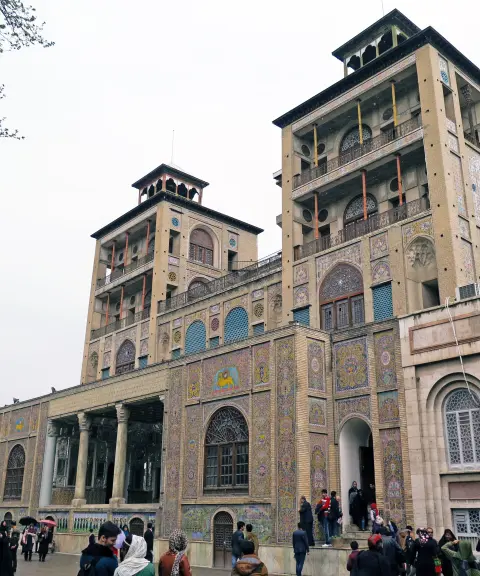
Although the surviving works in Golestan Palace today mostly belong to the Zand era, evidence shows that in the Safavid period, and even earlier, this area contained buildings of historical significance. These include the divan-khaneh built in the time of Shah Suleiman Safavi, as well as buildings in which Shah Soltan Hossein, in the last years of his reign, hosted foreign ambassadors, including the Ottoman envoy Ahmad Dori Efendi. The palace consists of various parts, such as the Marble Throne Terrace (Eyvan-e Takht-e Marmar), the Salam Hall, the Mirror Hall, the Dining Hall (Sofrehkhaneh), the Karim Khani Nook (Khalvat-e Karimkhani), the Brilliant Hall (Talar-e Berelian), the Windcatcher Building (Emarat-e Badgir), the Shams al-Emareh Palace, the Diamond Hall, and the White Palace (Kakh-e Abyaz). The Marble Throne Terrace and the Karim Khani Nook date from the reign of Karim Khan Zand and are the oldest buildings in the Golestan complex.
Written by زهرا لنگری Last updated
What you can do here, and what it takes
کفش پیادهروی به همراه داشته باشید..
Province Tehran
Province Tehran
Province Tehran
Province Tehran
Province Tehran
Province Tehran
Province Tehran
Unfortunately, no comments have been registered.