
 Gorge
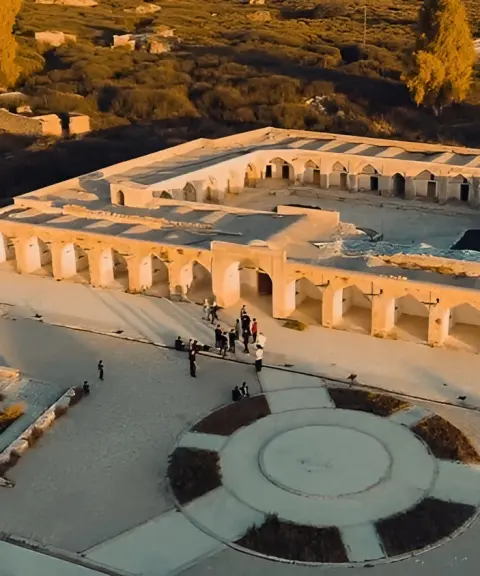

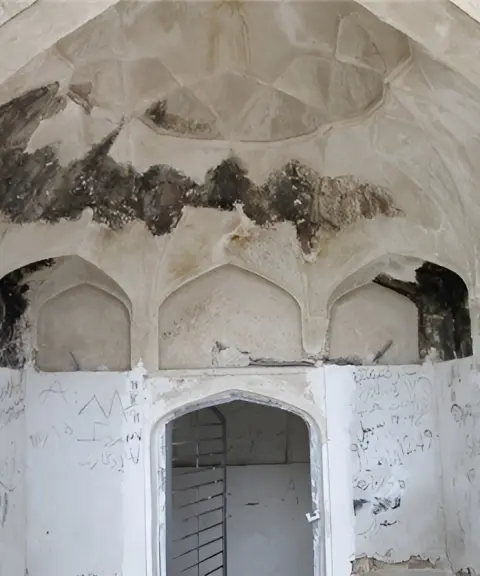
Bolad Shapur Caravanserai, Dehdasht
Province Kohgiluyeh and Boyer-Ahmad
- Walking
Where ancient history meets pristine nature in the heart of the Zagros
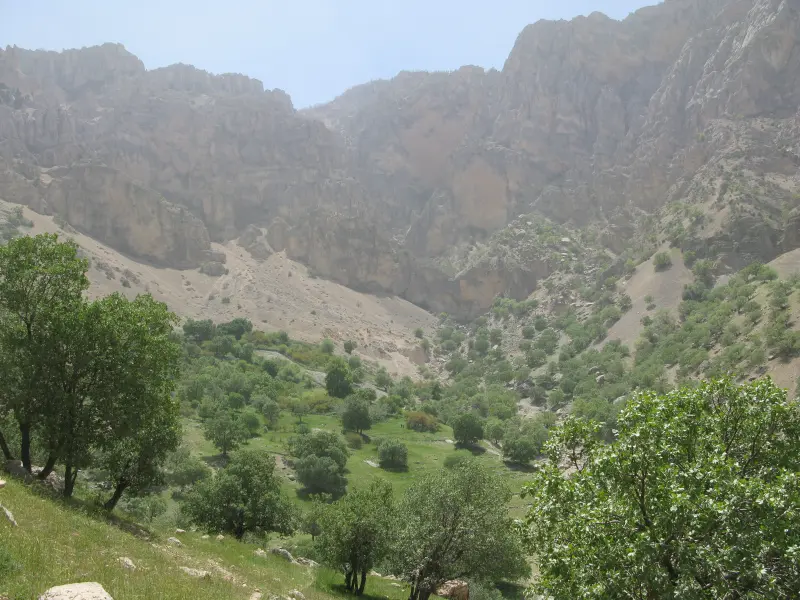
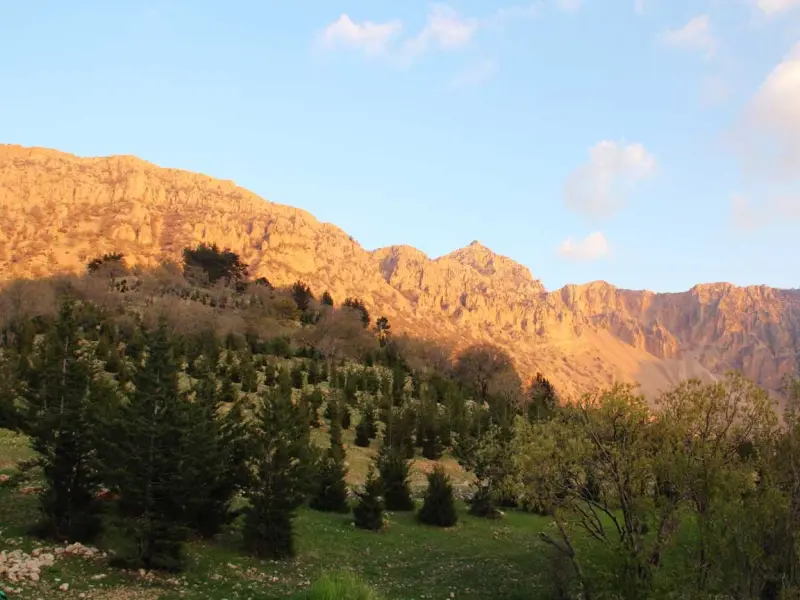
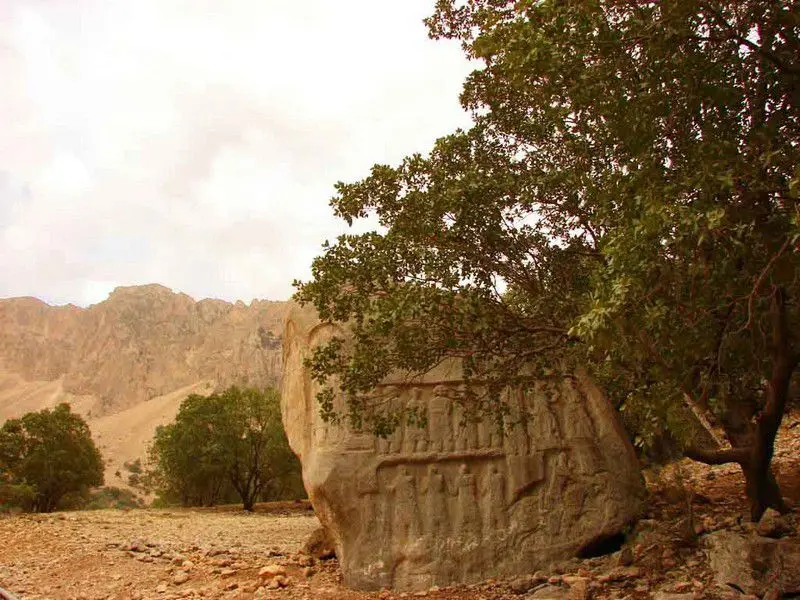
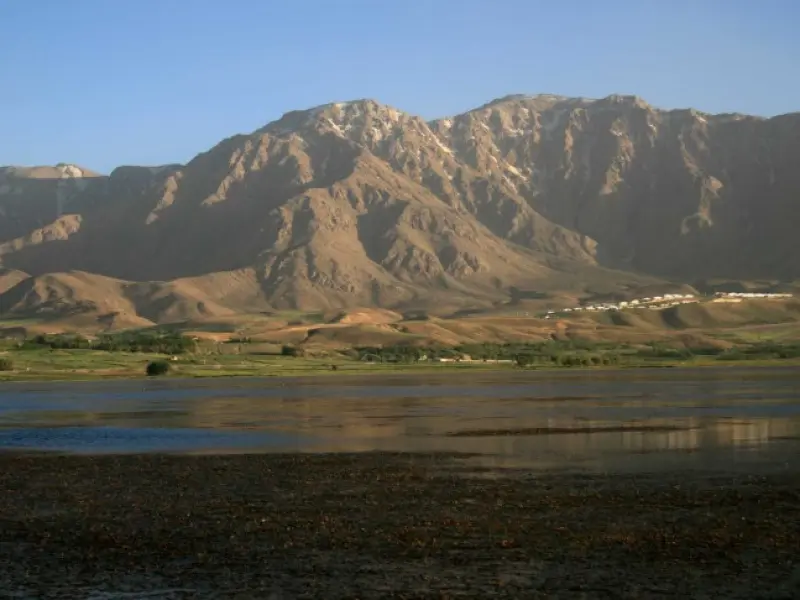
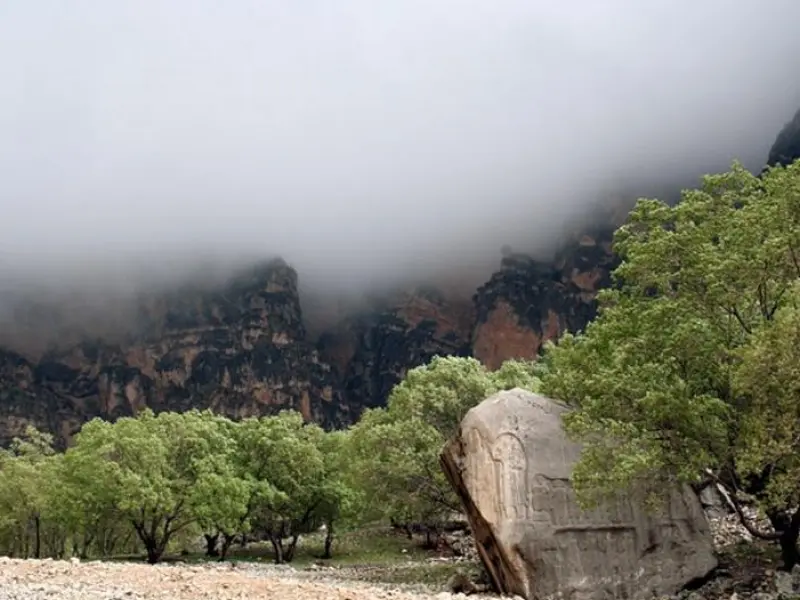
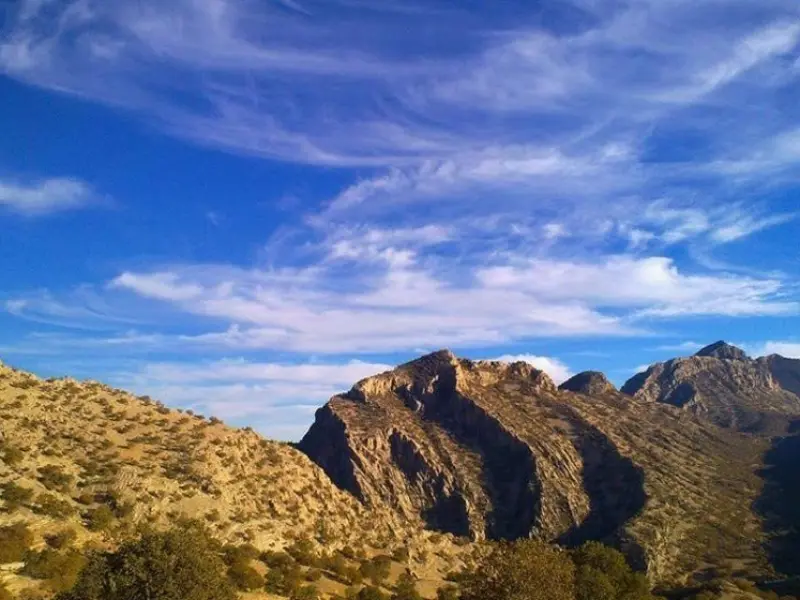
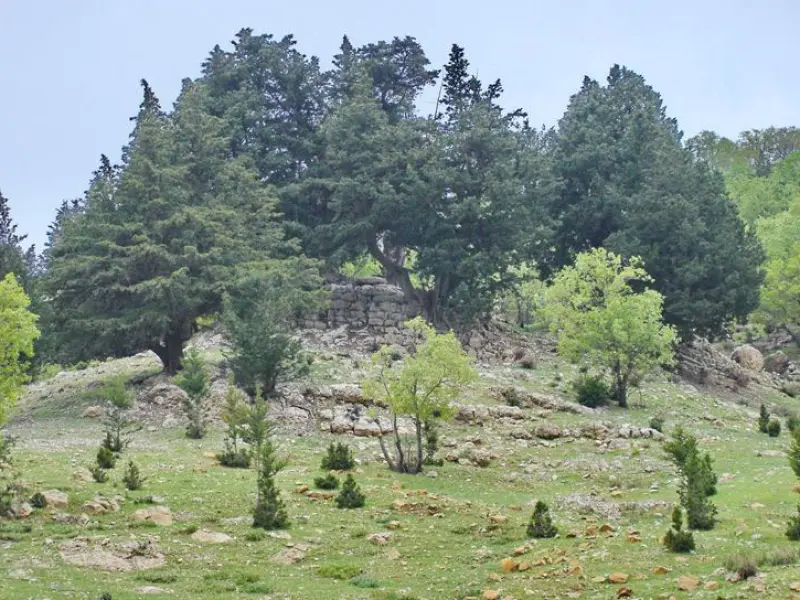
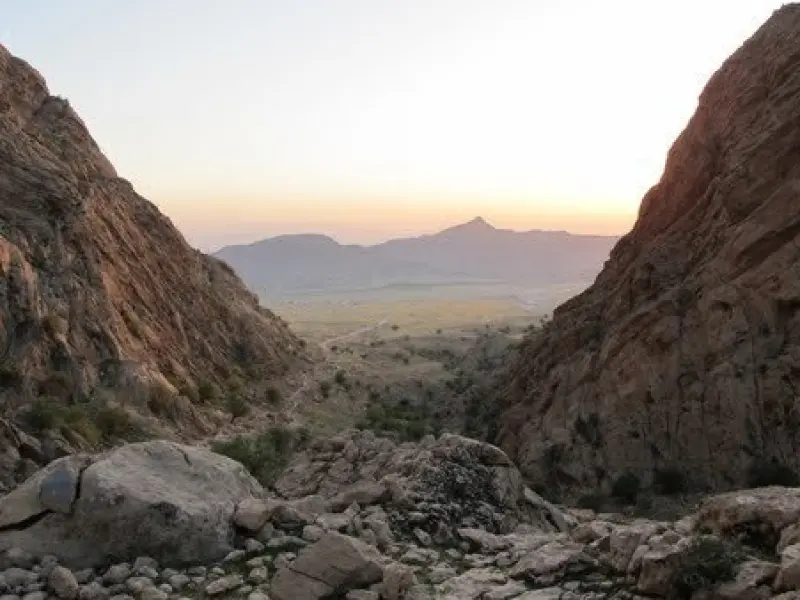
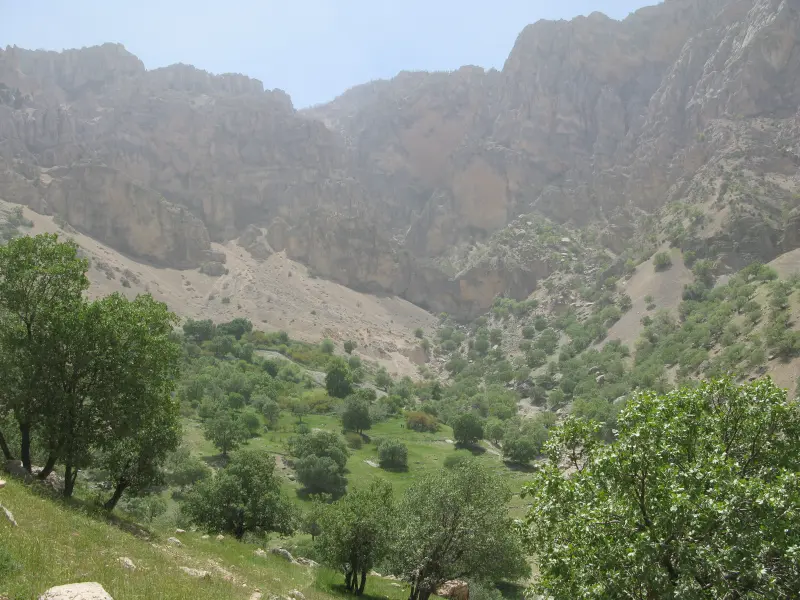
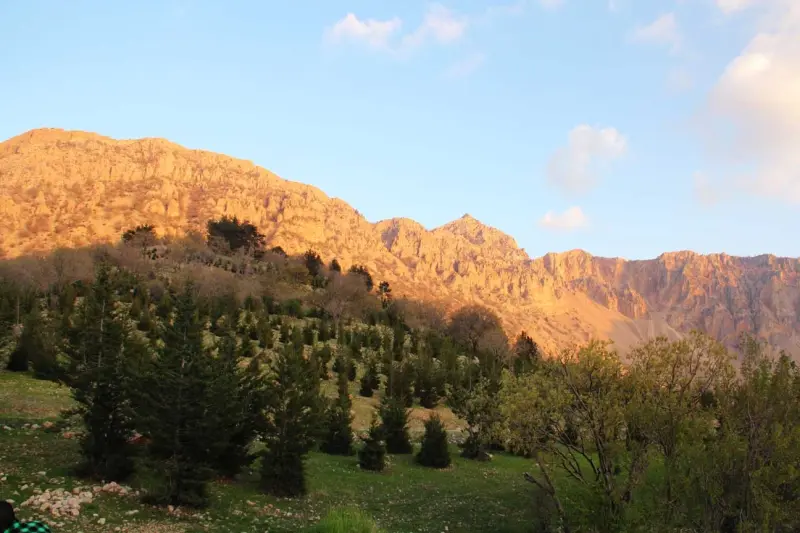
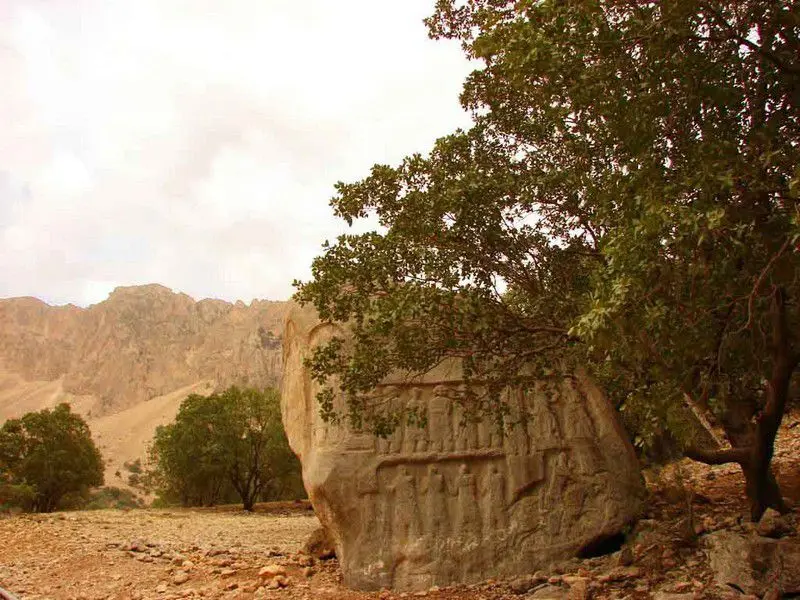
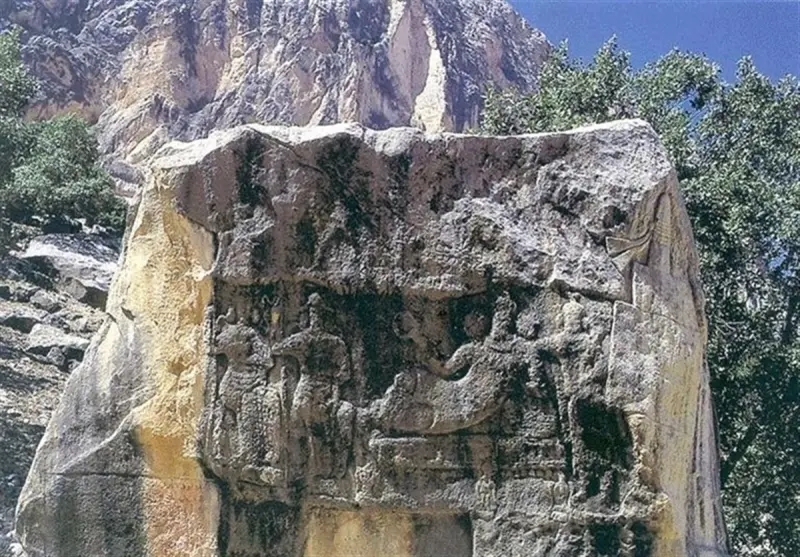
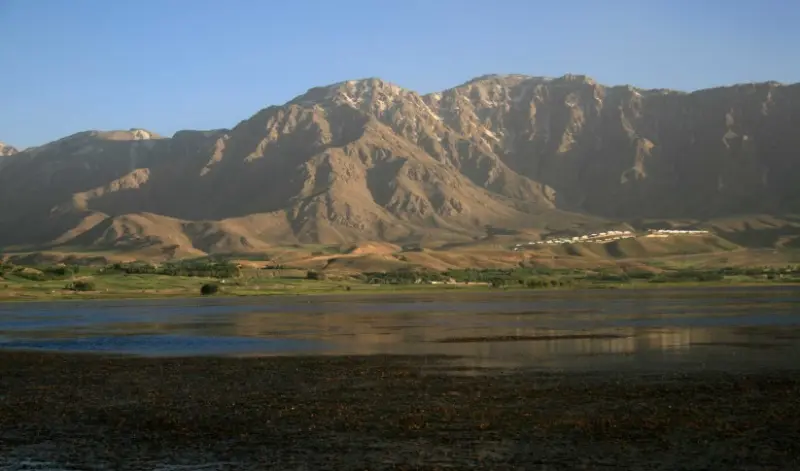
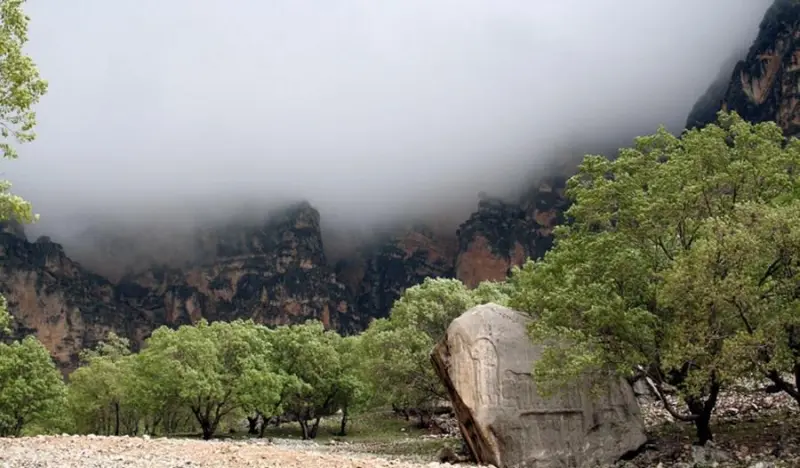
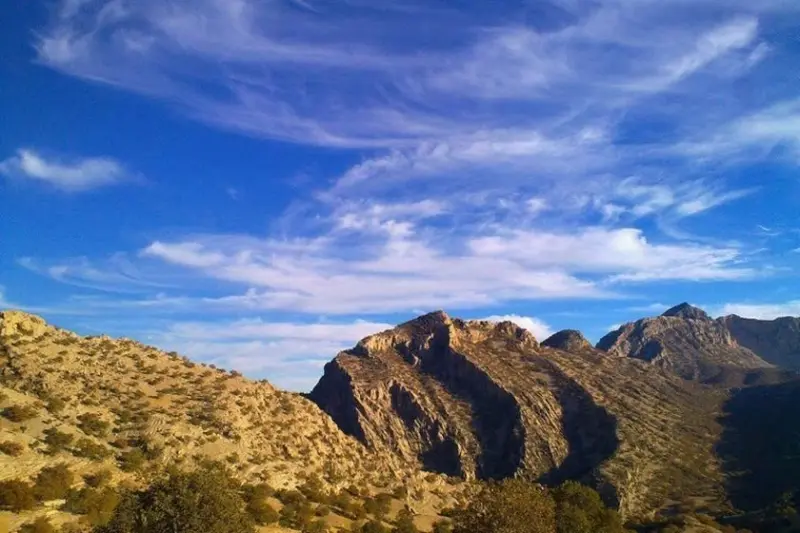
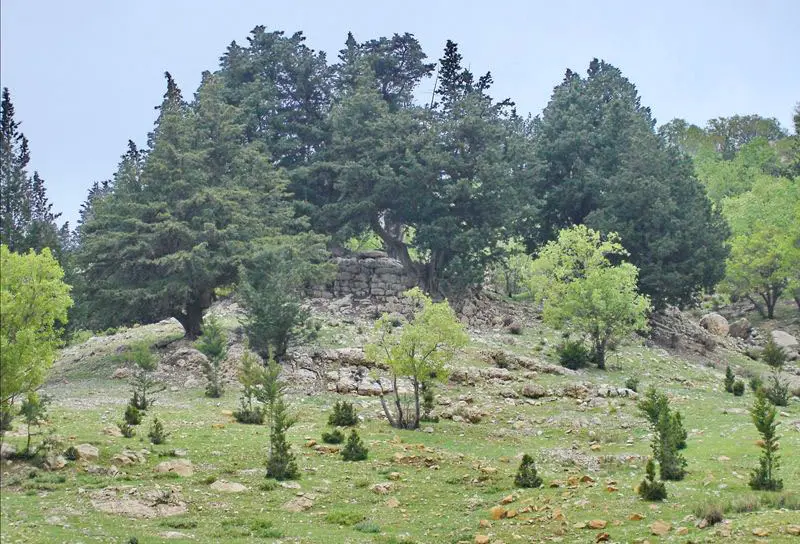
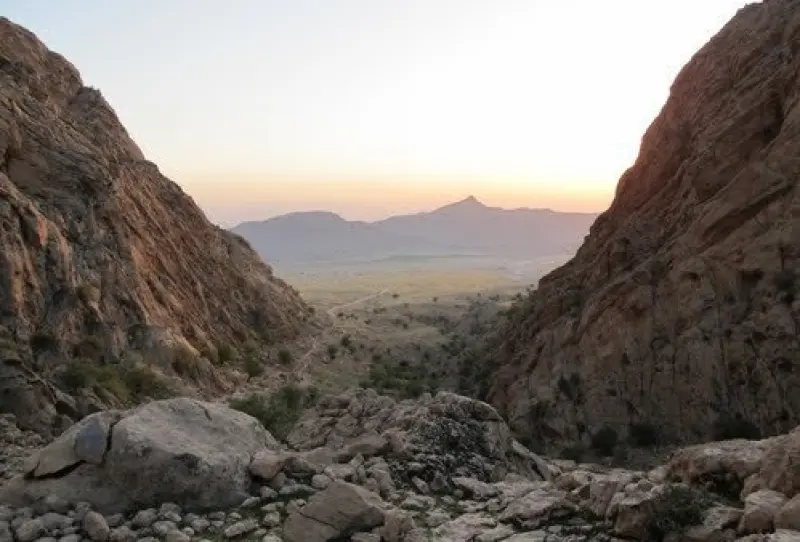
Solak Gorge, also known as "Tang-e Sarvak", is one of the most important historical and natural sites in Kohgiluyeh and Boyer-Ahmad Province. The gorge lies in Bahmai County, near the town of Likak, about 45 kilometres west of Behbahan. Covering nearly 800 hectares in the heart of the Zagros Mountains, it is regarded as one of the largest historical sites in the province. The area is listed on Iran's National Heritage List, and its unique combination of ancient remains and lush greenery makes it an appealing destination for lovers of history and nature tourism. The word "tang" refers to a large natural cleft in a mountain, carved by the passage of floodwaters, while "Solak" apparently comes from the tall, ancient cypress trees that grow in this area. Because local people call the cypress tree "sol", the place became known as Tang-e Solak. The gorge is considered one of the most important and largest valleys in the Hatam mountain range, and at its western end it joins Tang-e Maghar, an even more important gorge.
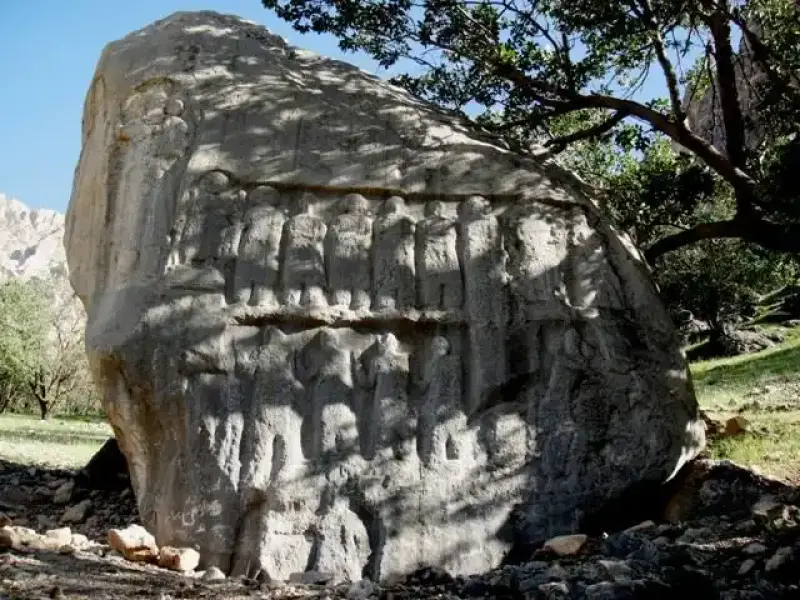
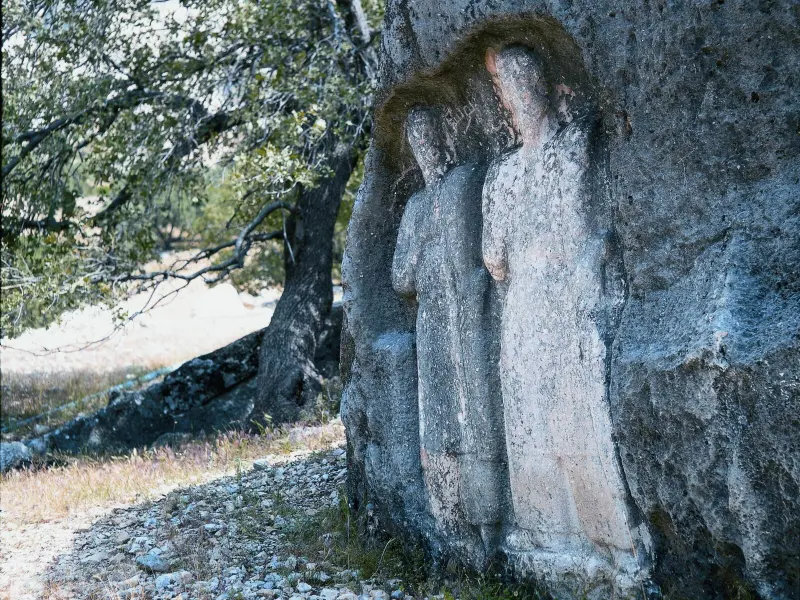
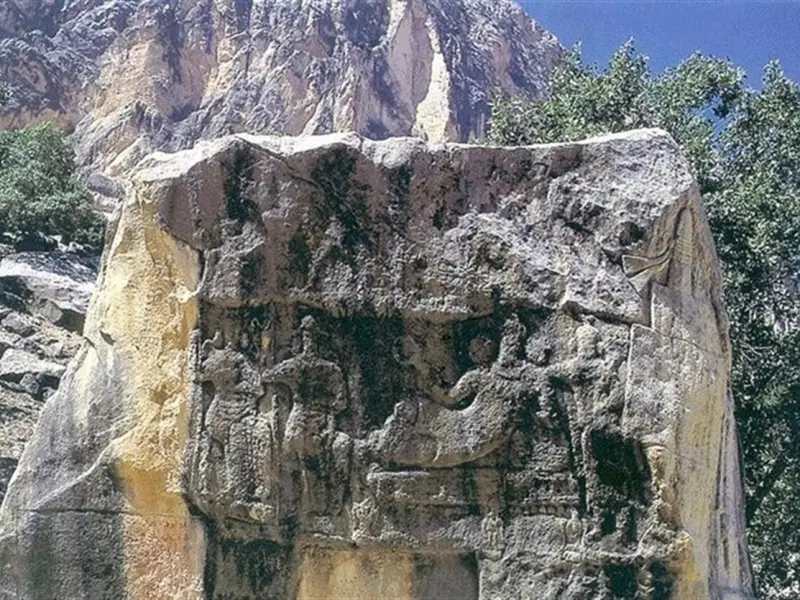
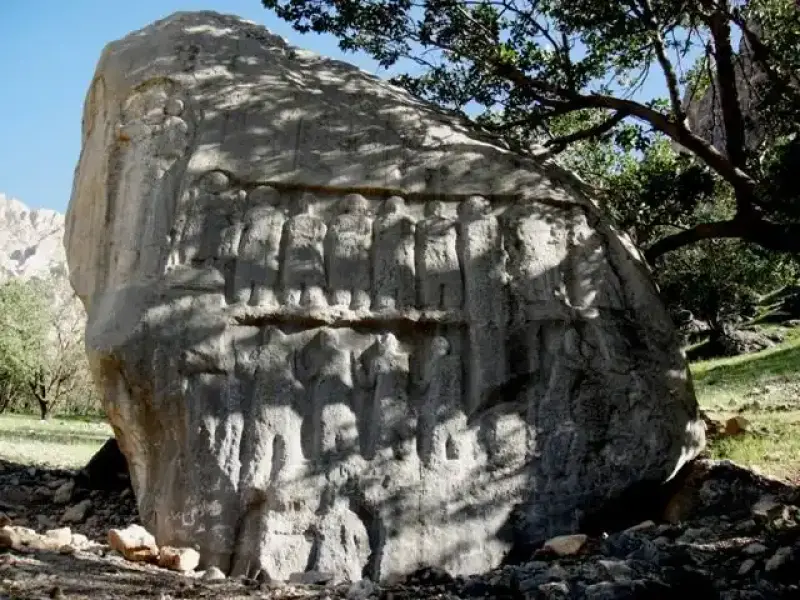
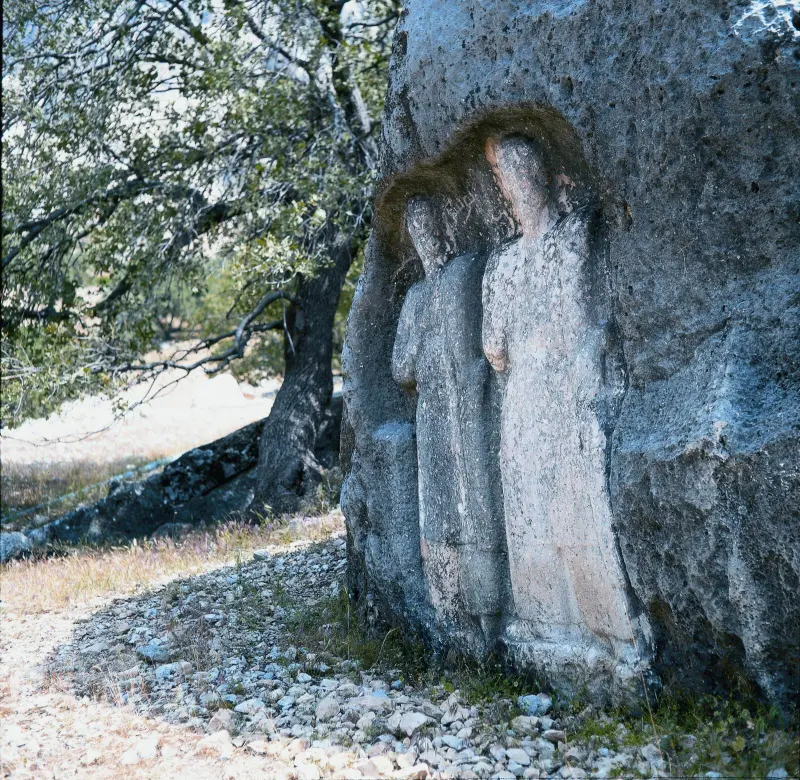
In the heart of Solak Gorge there is a group of rock reliefs from the Elymaean and Parthian periods, carved into tall cliffs. These carvings include images of people, animals and various weapons such as spears, swords, bows and banners, and they vividly depict the artistic and cultural characteristics of that era. One of the most important reliefs in the complex shows an Elymaean prince seated on a throne, with various figures standing around him. These works, first identified in 1275 AH (lunar Hijri) by Baron de Bode, a Russian traveller, are regarded as one of the few surviving relics of the Elymaean period in southern Iran. In addition, the area contains 14 ossuaries (ustudan, or bone containers) and two kilometres of paved stone road, which reflect the historical and cultural importance of the site.
To reach Solak Gorge, you can head from the town of Likak toward the village of Abdoli and, after about 5 kilometres on a dirt road, arrive at the entrance of the gorge. The best time to visit is spring, when the nature around the gorge is at its most beautiful. In this season, oak and Zarbin (cypress) trees, clear springs and wild flowers such as the crown imperial (fritillaria) and thyme give the area a special charm. Visitors should practise responsible nature tourism and avoid damaging the historical remains and the local environment, so that this precious heritage can be preserved for future generations.
Written by زهرا لنگری Last updated
What you can do here, and what it takes
بهتر است با ورزش درهنوردی کمی آشنایت داشته باشید.
از کفش مناسب پیادهروی و کوهنوردی استفاده کنید.
Province Kohgiluyeh and Boyer-Ahmad
Province Kohgiluyeh and Boyer-Ahmad
Province Khuzestan
Province Kohgiluyeh and Boyer-Ahmad
Province Kohgiluyeh and Boyer-Ahmad
Province Kohgiluyeh and Boyer-Ahmad
Province Kohgiluyeh and Boyer-Ahmad

Unfortunately, no comments have been registered.