
 Attractions
Dehdashti House
Province Isfahan
- Walking
A Safavid Landmark in Isfahan's Historic Quarter
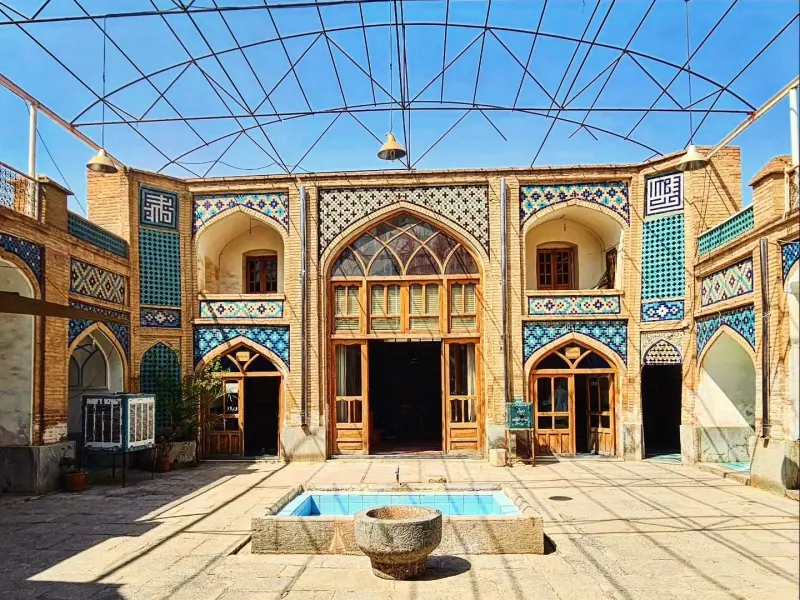
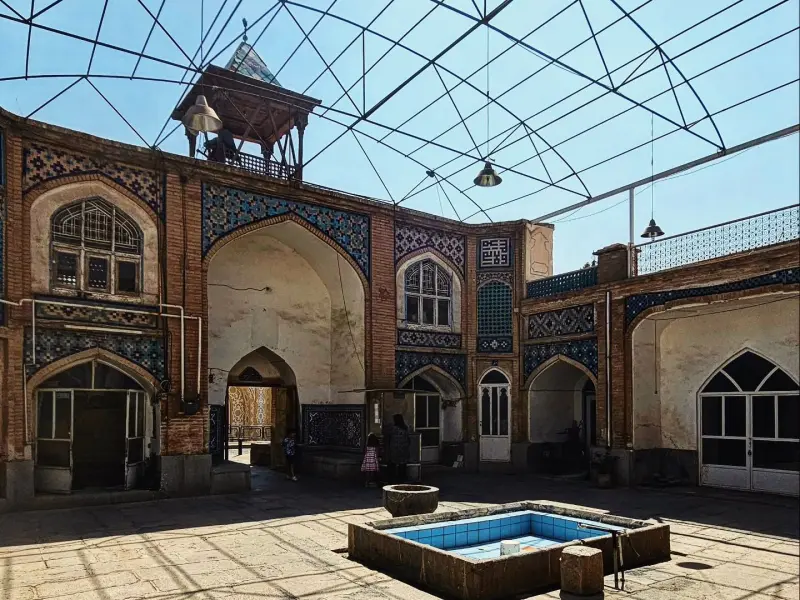
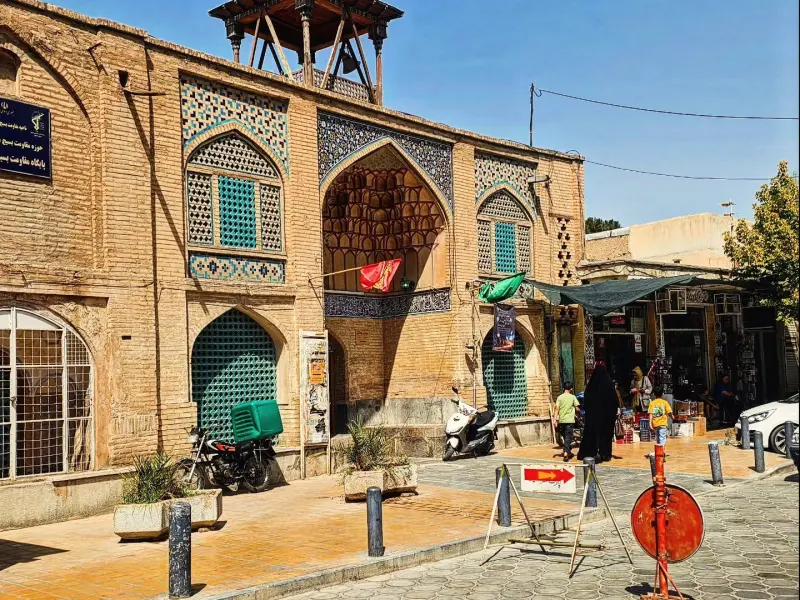
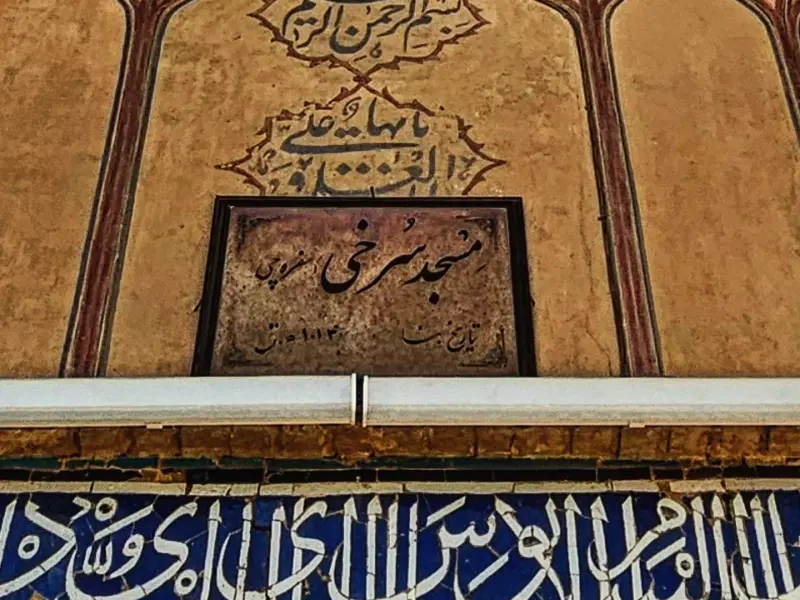
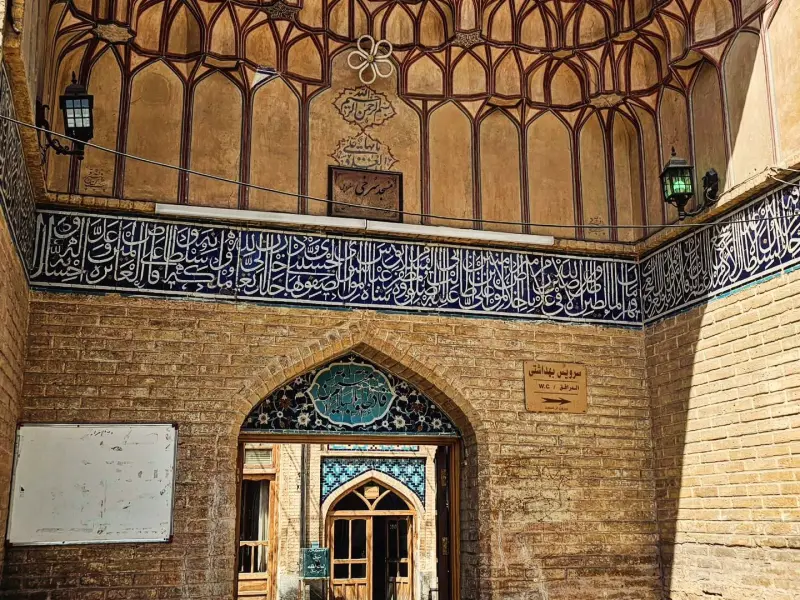
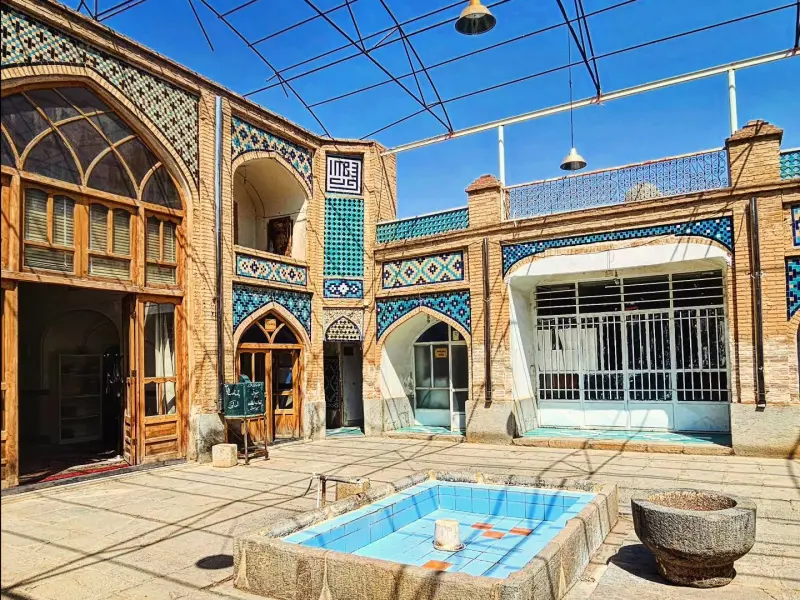
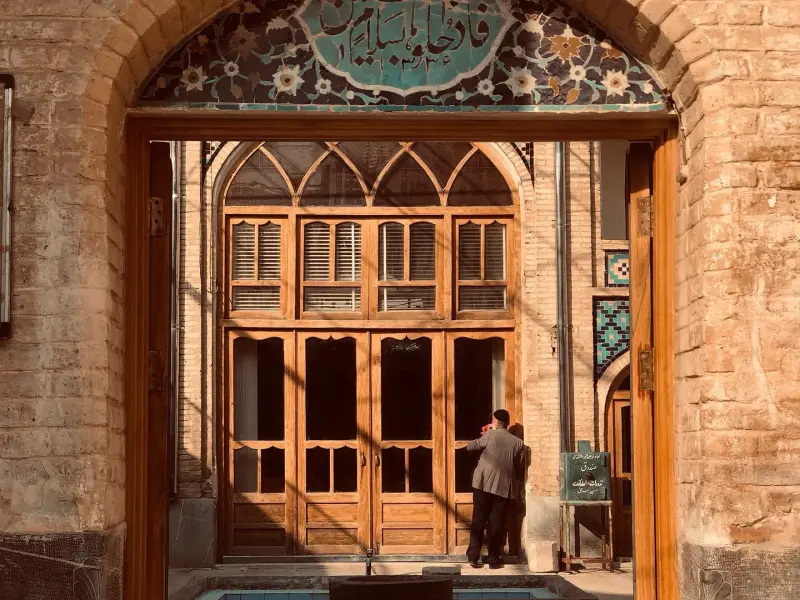
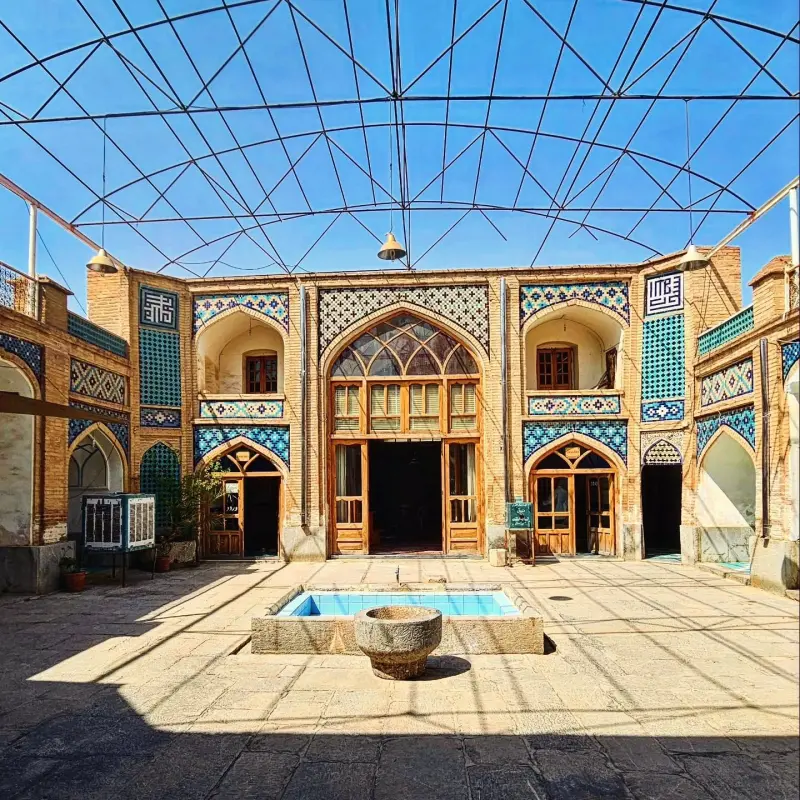
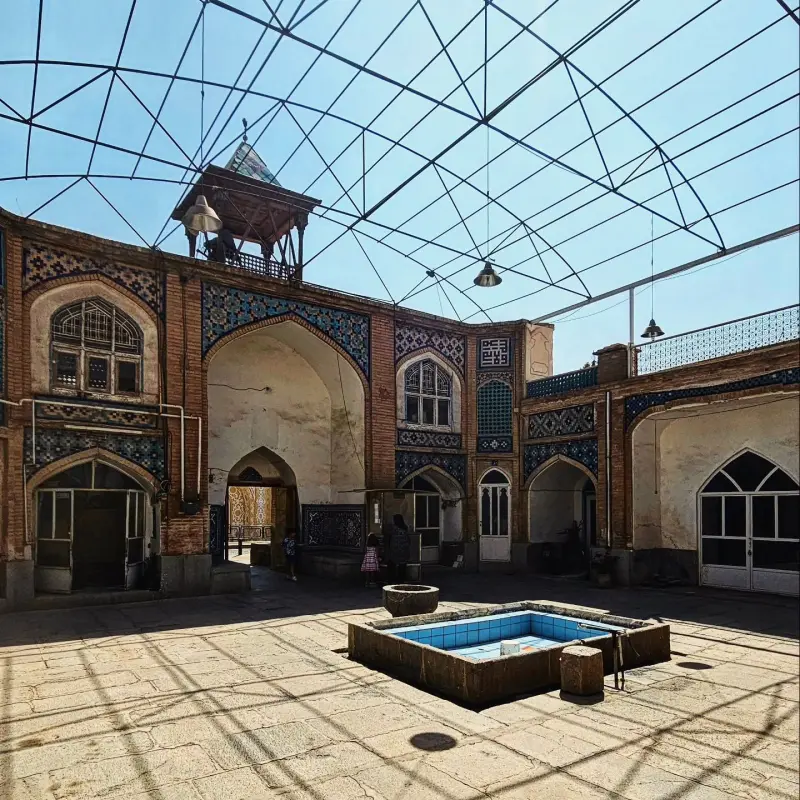
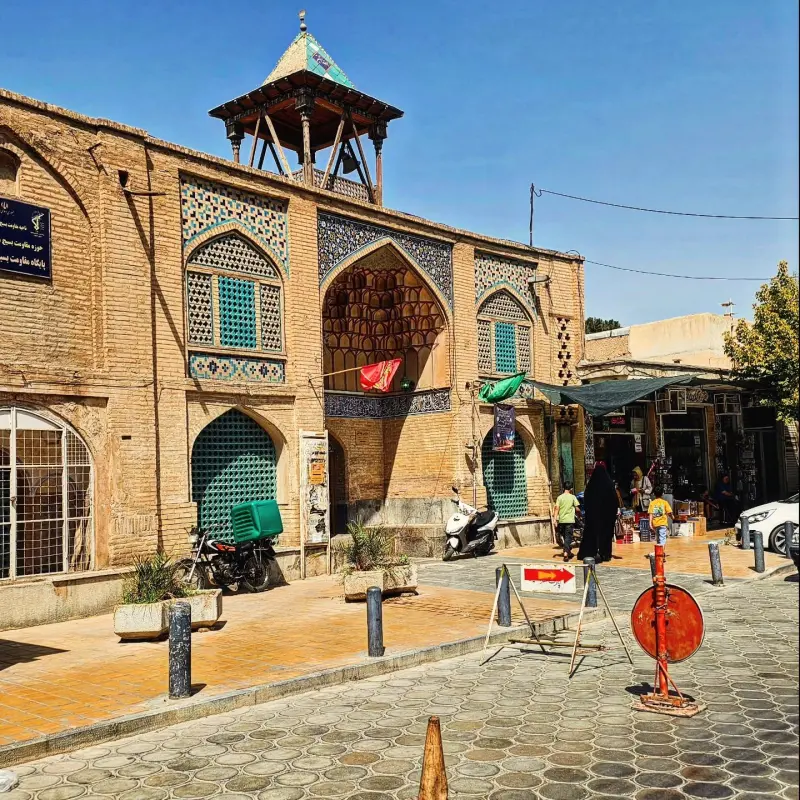
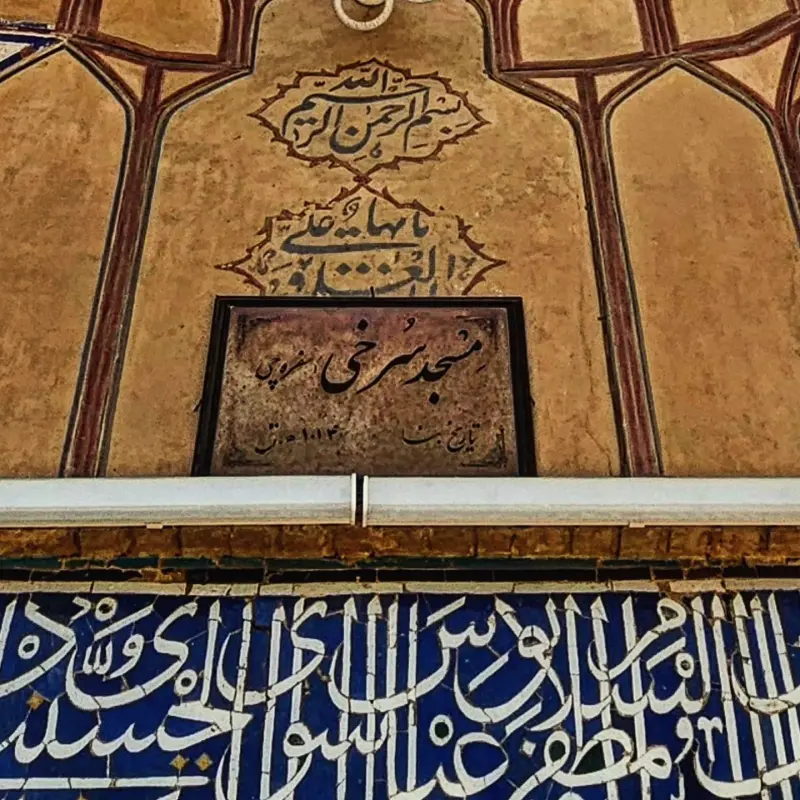
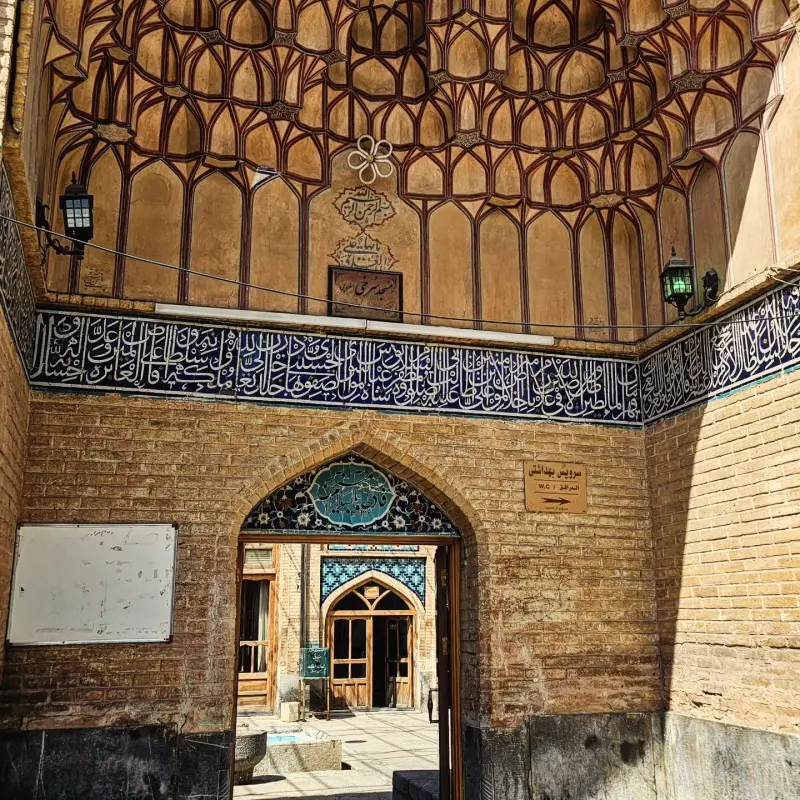
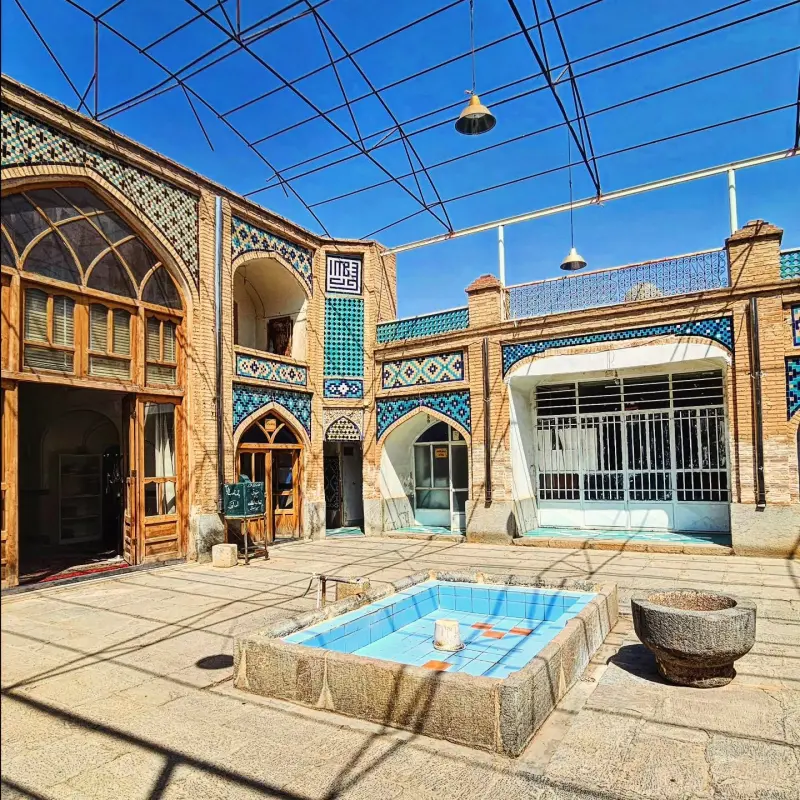
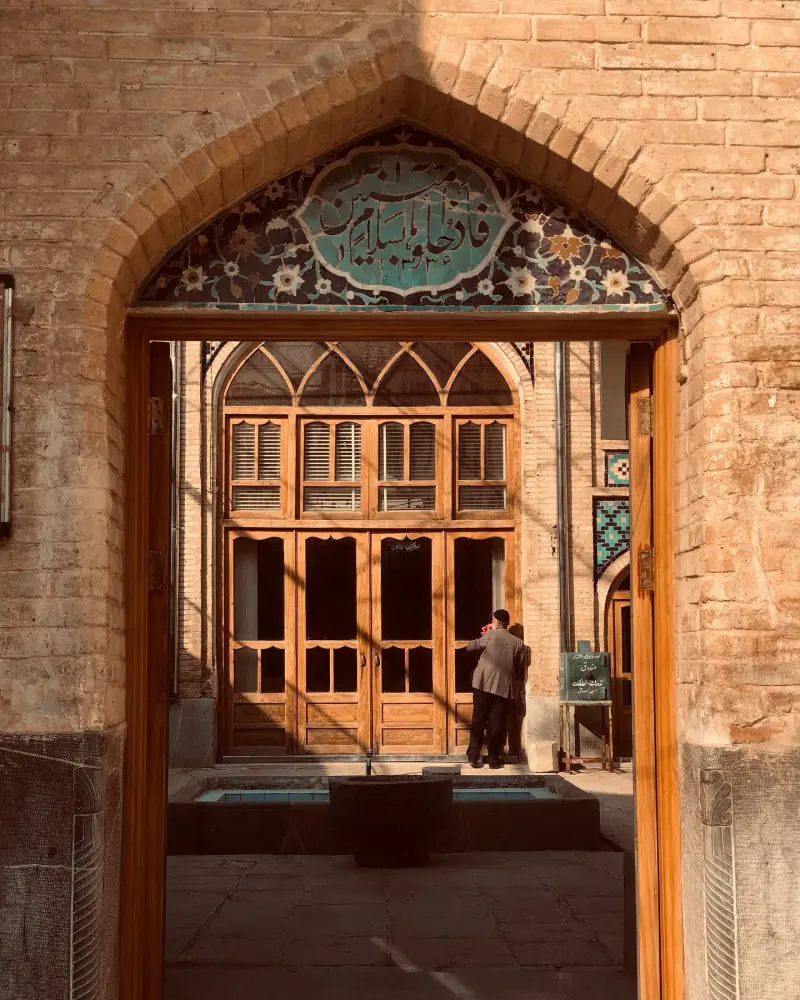
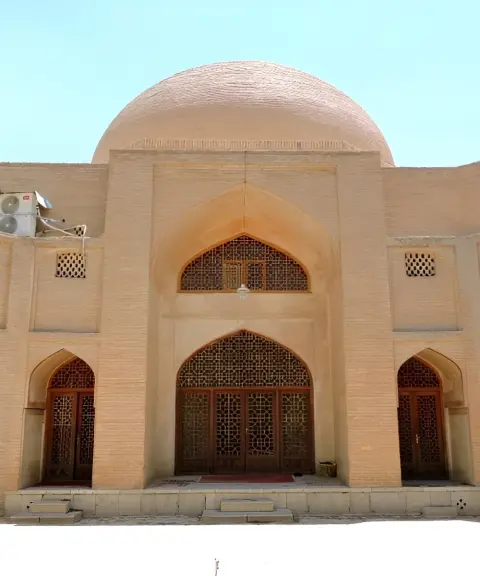
Sorkhi Mosque, also known as Sofrehchi Mosque, stands in Isfahan near Lower Chahar Bagh and Sorkhi Mosque Alley. It is one of the historic buildings of the reign of Shah Abbas I of the Safavid dynasty. The mosque was built in 1014 AH (lunar Hijri) and its construction is attributed to a man named "Khalaf", who was Shah Abbas's sofrehchi (royal table steward). On 12 Esfand 1315 it was registered as number 275 on the Iran National Heritage List. With a history of more than four hundred years, it is one of the valuable historic buildings in the central quarter of Isfahan. This small historic building sits within Isfahan's urban fabric and is an example of Safavid-era religious architecture in the city.
The mosque's most important architectural features are its tiled entrance portal and historic inscription, executed in thuluth calligraphy with white mosaic tilework on a lapis-blue background and showing the date 1014 AH (lunar Hijri). On the western side of the forecourt there is also a stone basin (sangab) dated 1117 AH (lunar Hijri), another of the building's historic elements. Over time the mosque's name changed from "Sofrehchi Mosque" to "Sorkhi Mosque" ("the Red Mosque") because of the red bricks in its dome. Another notable feature is the discovery of the original Safavid mihrab during the restoration of the western prayer hall. This mihrab had been covered over in the Qajar period and replaced with a smaller one. Together with the age of the building and its location in Isfahan's historic quarter, these elements make Sorkhi Mosque an appealing attraction for those interested in Safavid-era architecture and historic monuments.
To visit Sorkhi Mosque, you can reach Sorkhi Mosque Alley from the Lower Chahar Bagh area and Bazarche-ye Now Street, and combine the visit with a stroll through Isfahan's historic central quarter. Spring and autumn, when Isfahan's weather is more pleasant, are the better seasons for walking and visiting the historic buildings of this area. The cooler hours of the day also let you see the mosque and its surroundings more peacefully. When visiting this historic building, avoid touching or damaging the tilework, the inscription, the mihrab and other architectural elements. Keep quiet and respect the mosque's religious function, so that conditions remain suitable for other visitors and for local worshippers.
Written by زهرا لنگری Last updated
What you can do here, and what it takes
کوچه مسجد سرخی و بافت تاریخی اطراف بنا برای پیادهروی و گشتوگذار در محدوده مرکزی اصفهان مناسب است.
Province Isfahan
Province Isfahan
Unfortunately, no comments have been registered.