
 Historic Castle
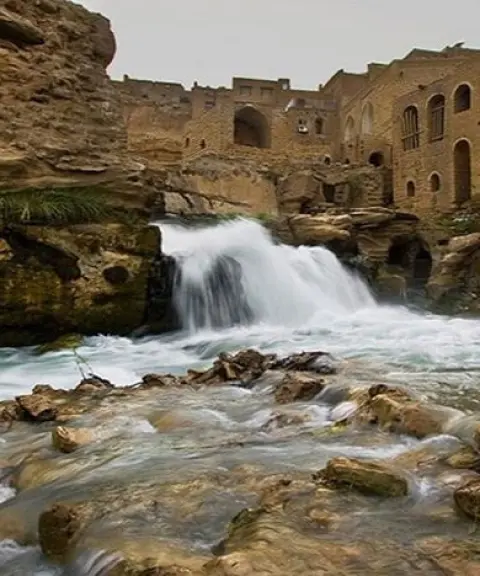
Salasel Castle
An Ancient Fortress at the Heart of Shushtar's History
- Historic Castle
- Khuzestan, Shushtar
- Altitude 57 m
- Ability level Intermediate
Ability level:
Intermediate
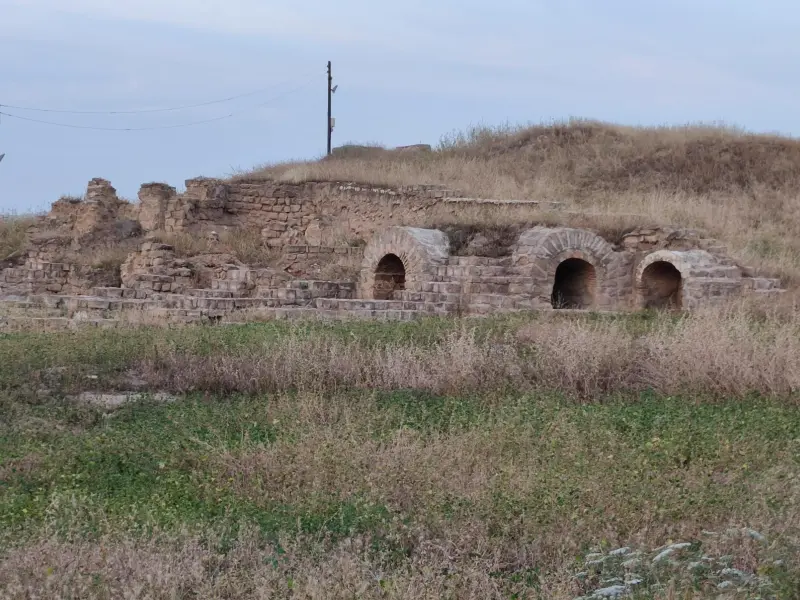
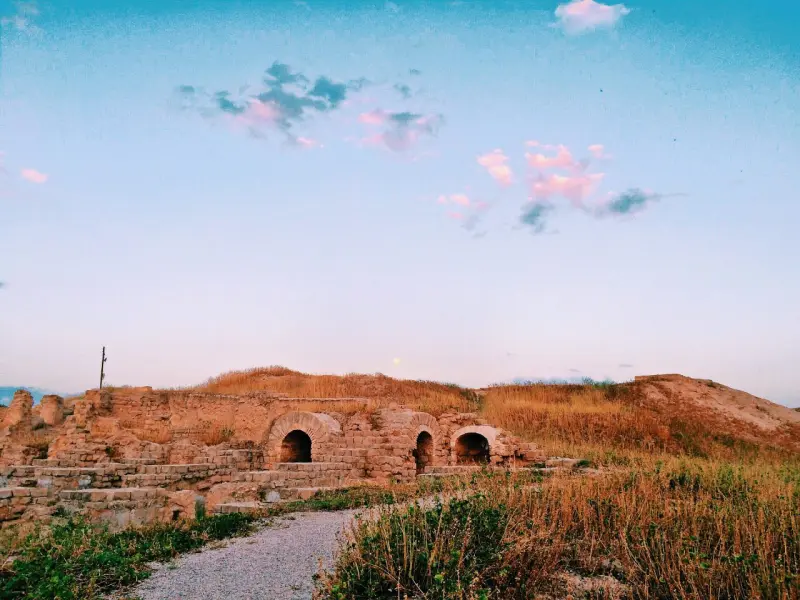
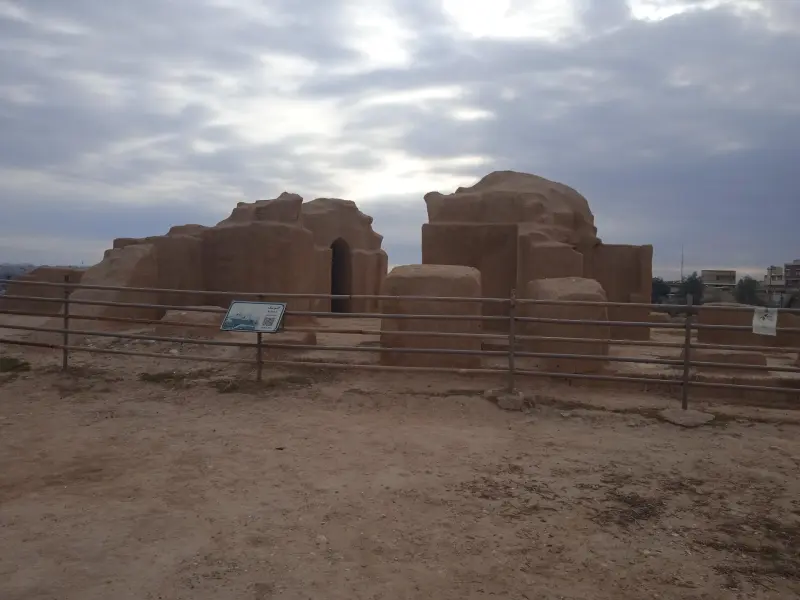
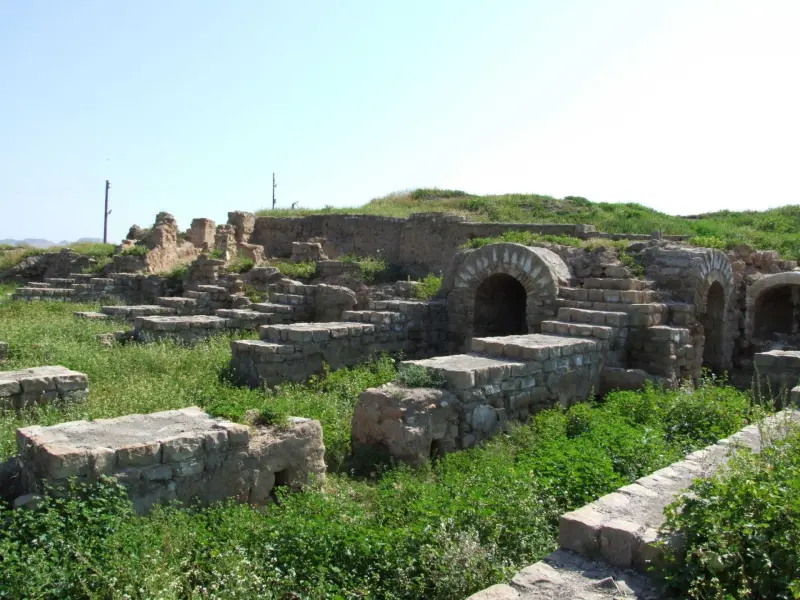
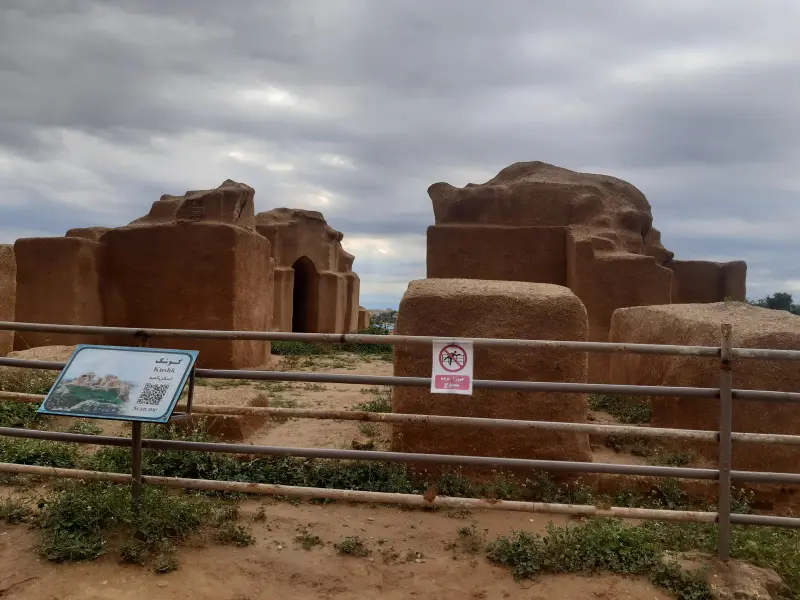
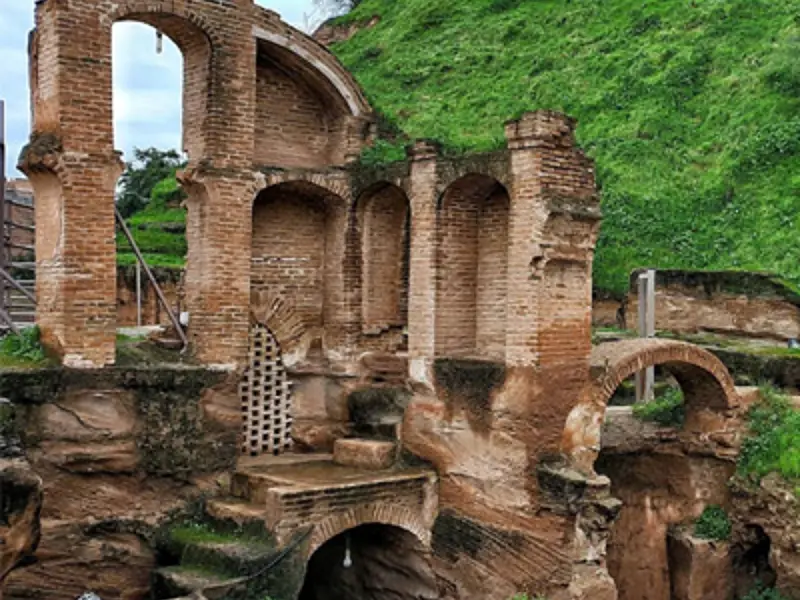
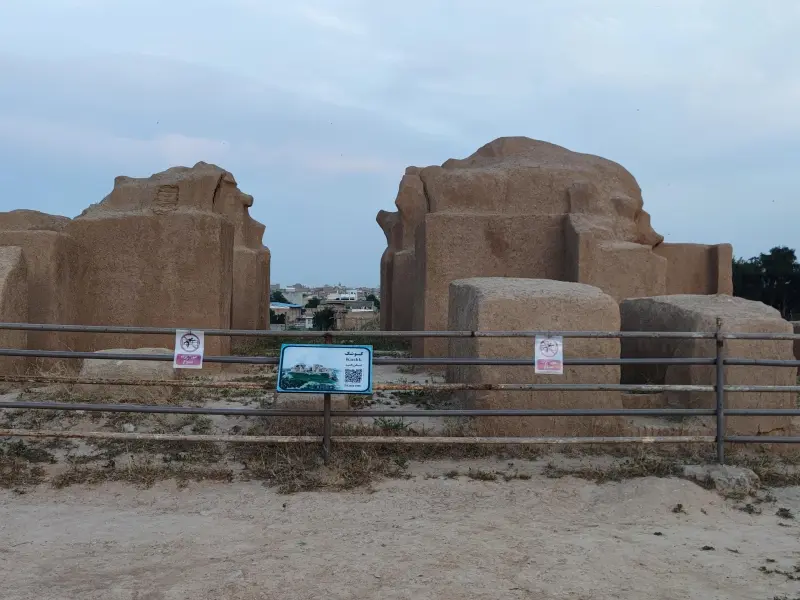
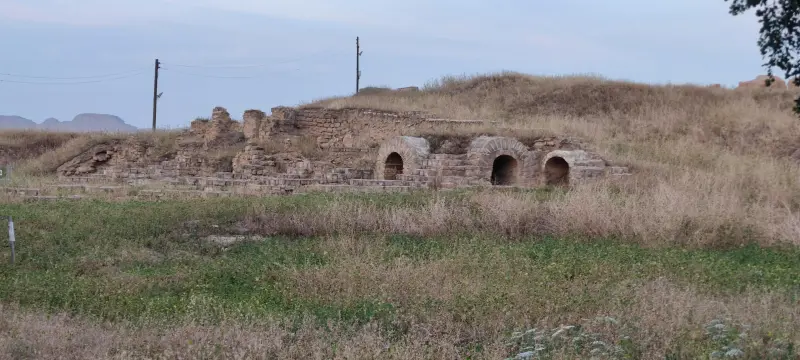
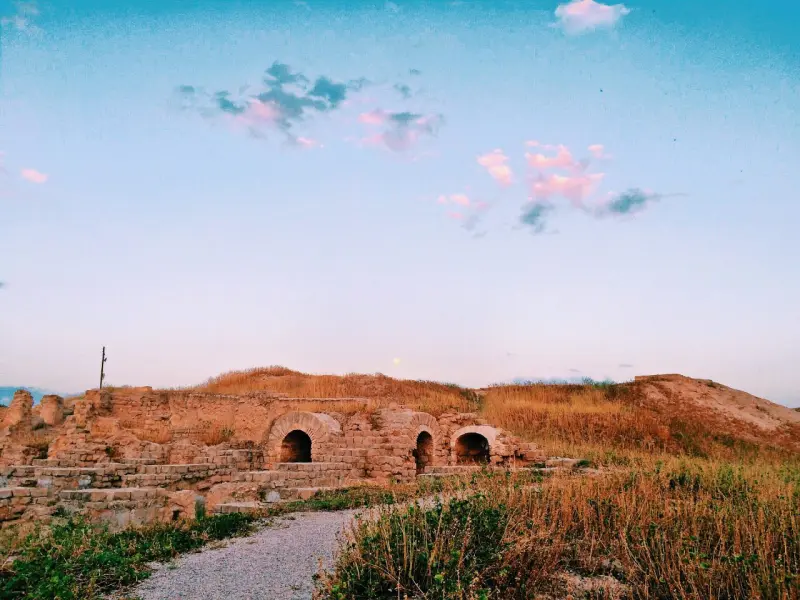
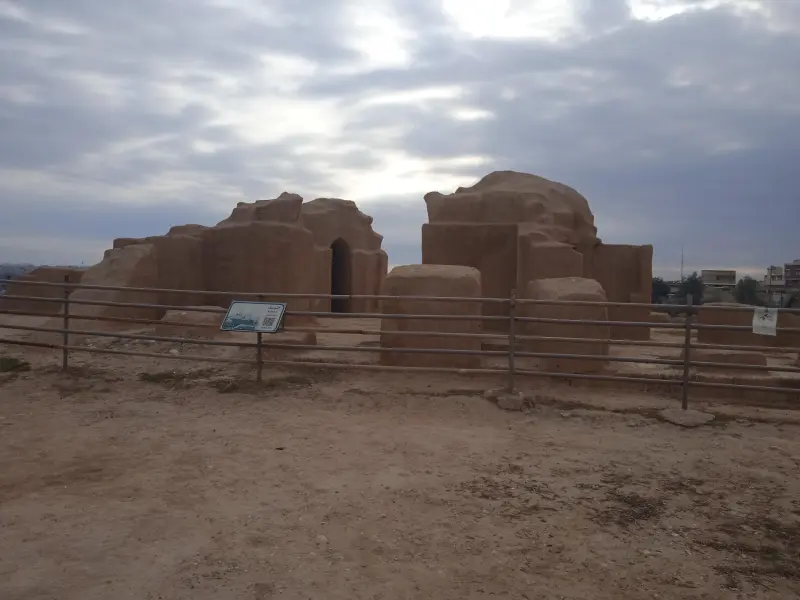
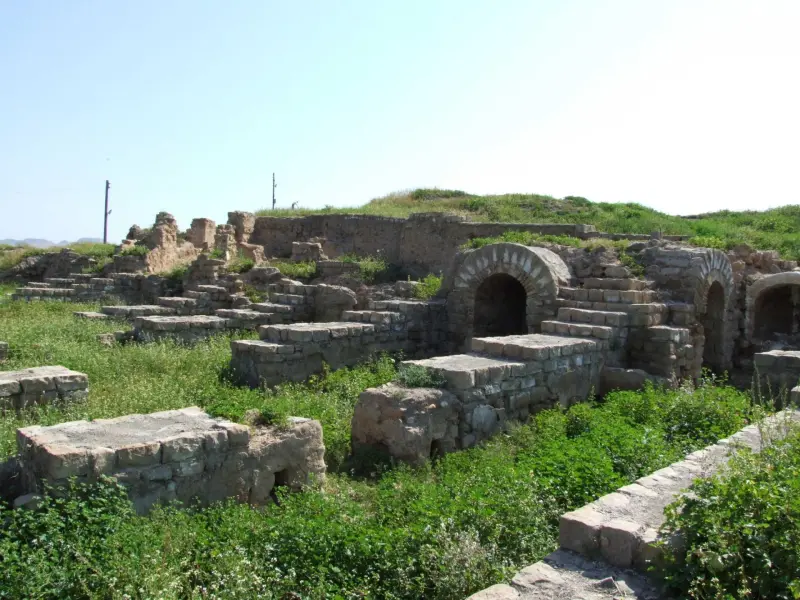
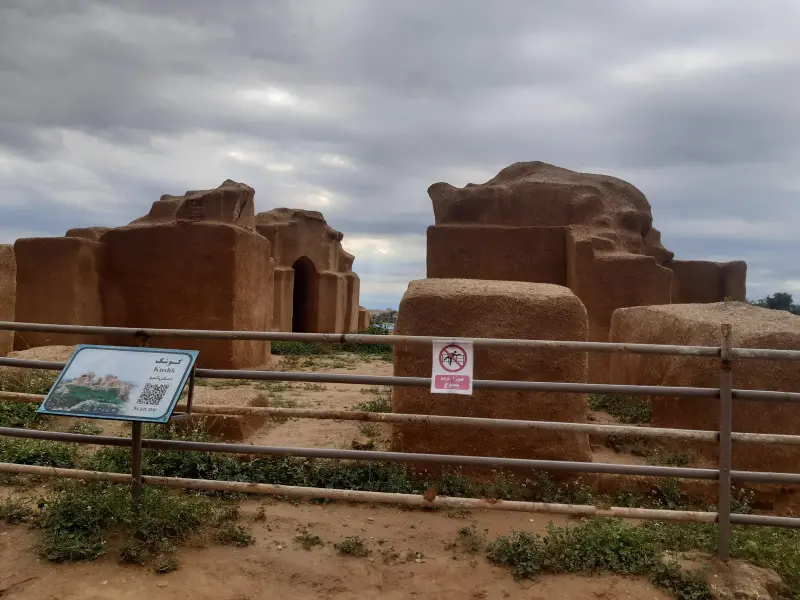
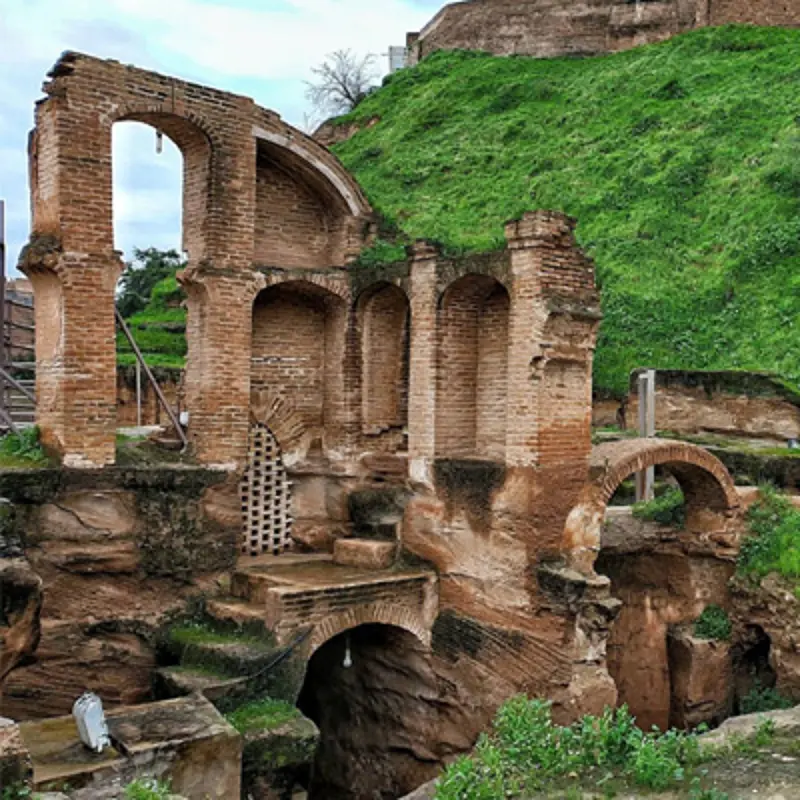
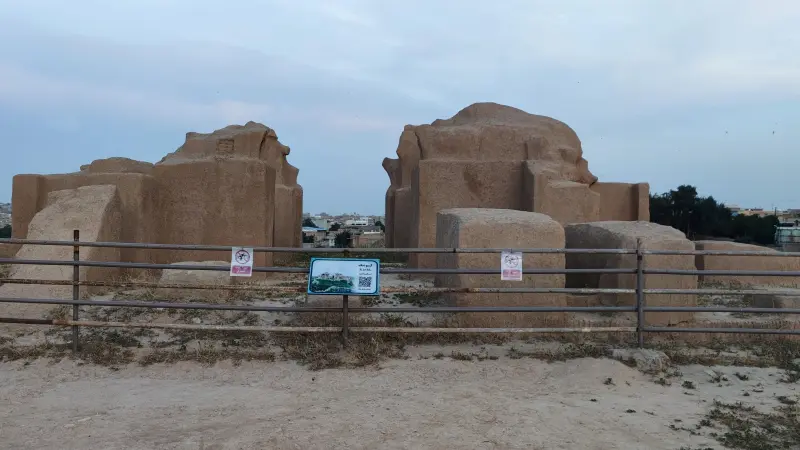
Salasel Castle, one of the most outstanding historical monuments of Khuzestan Province, stands in the northwest of the city of Shushtar, beside the Shatit River. Dating back to the Achaemenid period, the castle was used in various eras of Iranian history, including the Sasanian, Islamic and Qajar periods. Despite repeated destruction over the centuries, it remains one of the region's major tourist attractions.
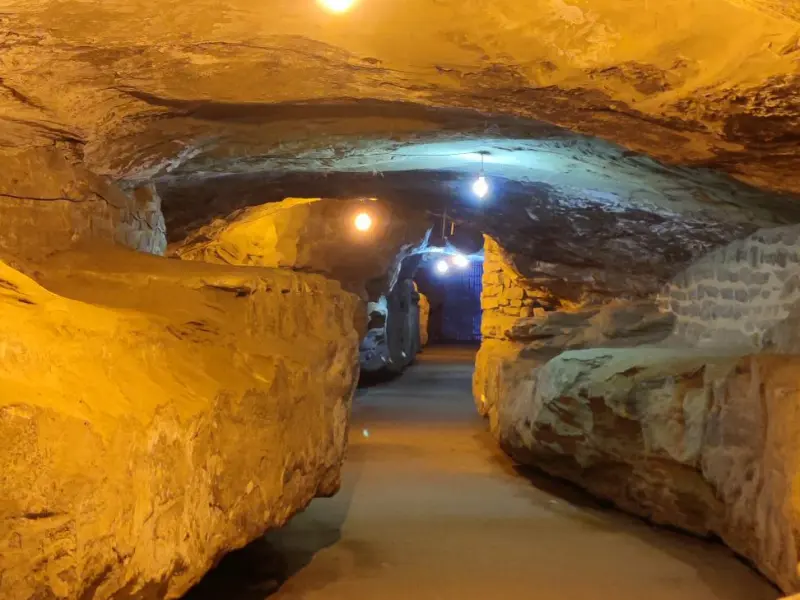
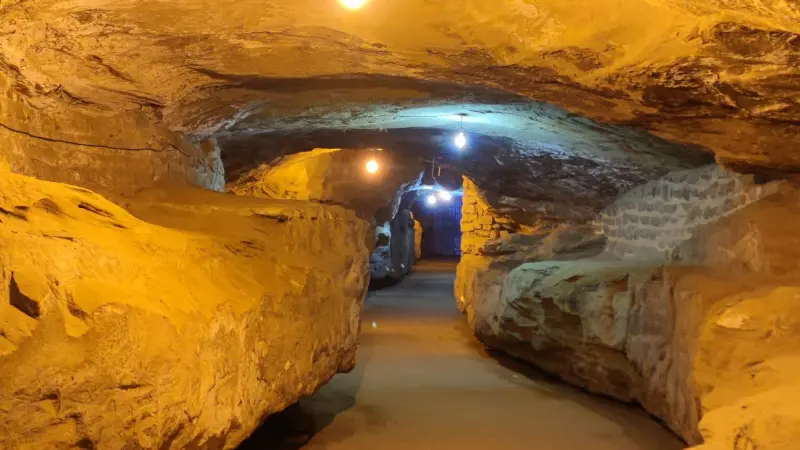
Covering an area of about 5.3 hectares, Salasel Castle had a complex layout with several courtyards, towers, a bathhouse, barracks, stables, a kitchen, an arsenal, a naqqareh-khaneh (drum house) and a prayer hall. The castle was well protected against possible attacks by a moat on its north and northeast sides and by the Darioun Canal on its south side. Its special shavadans (cool underground rooms) testify to its clever climate-conscious design for coping with Khuzestan's summer heat of over 50 degrees; these shavadans kept the temperature inside the building stable at around 15 degrees. Underground passages and tunnels were also designed to provide access to groundwater and to connect the castle with the urban fabric of the city, which facilitated its military and administrative functions. Some historical sources attribute the name "Salasel" to a person called "Abi Salasel", who repaired and restored the castle in the 4th century AH.
From early times until the Qajar period, Salasel Castle was the seat of government of the governors of Khuzestan and the place from which the region's water resources were managed. In the 1960s (the Persian decade of 1340s), part of it was demolished so that its materials could be used in government buildings. Today the castle is part of the Shushtar Historical Hydraulic System and is inscribed on the UNESCO World Heritage List. Restoration and improvement projects are under way to protect it. To reach Salasel Castle, head northwest out of Shushtar and, after passing through the city streets, follow the dirt track leading to the castle. This route involves about 40 minutes of walking through the region's unspoiled nature. The best time to visit the castle is spring and early autumn, when the weather is mild and the surrounding landscape is green and delightful. To preserve the authenticity and natural setting of this area, visitors are advised to stay out of the fragile parts of the castle and to avoid any behavior that harms the environment.
Written by ستایش عرب Last updated
Activities
What you can do here, and what it takes
-
Walking
مسیرهای اطراف قلعه برای پیادهروی کوتاه و گشتوگذار در دل طبیعت بکر مناسب هستند.
Specifications
Introduction of the location and specifications of Salasel Castle
Construction Period:
Achaemenid period
Location:
Khuzestan, Shushtar
Coordinates:
32.05088603, 48.85302544
Open in maps
Height above mean sea:
57 meter
Floras:
Semi-desert
Faunas:
Presence of Predatory Animals, Presence of Allergenic Insects
Transports:
Private car, Walking, Minibus, Bus
Tourist Attractions in Shushtar
Attractions that are nearby

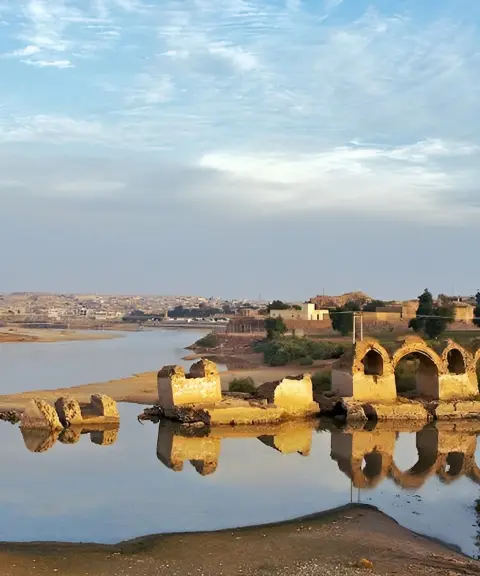

Shadorvan Bridge (Band-e Qaisar)
Province Khuzestan
- Walking
A masterpiece of Sasanian-era hydraulic engineering
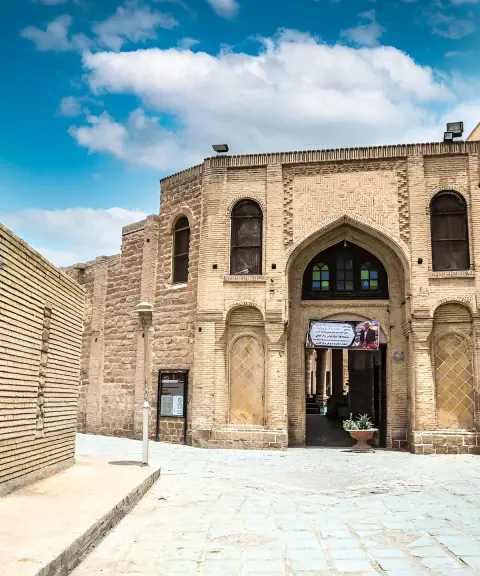
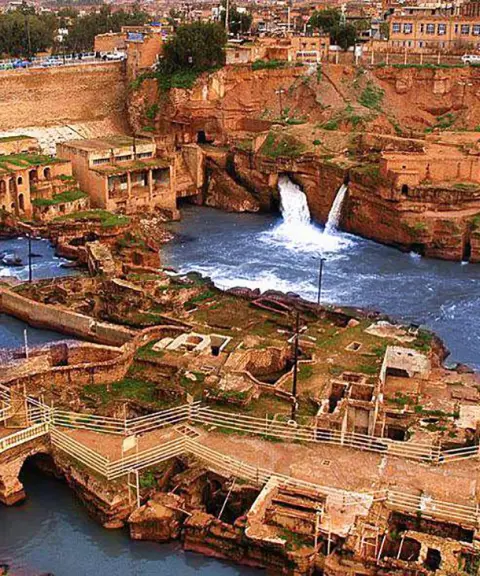

Shushtar Historical Hydraulic System
Province Khuzestan
- Walking
The finest historical water structure
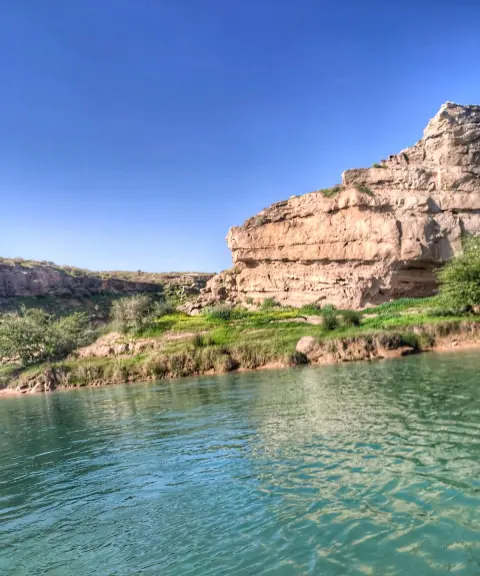

Tang-e Aghili, Shushtar
Province Khuzestan
- Swimming
- Canyoning
- Rowing
- Walking
The Amazon of Iran in the Heart of Khuzestan
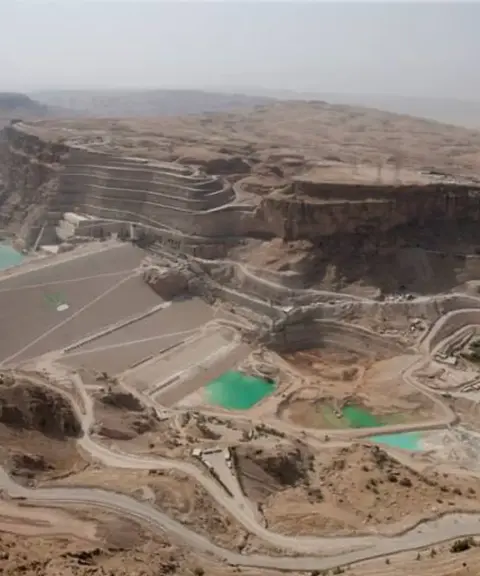

Gotvand Dam
Province Khuzestan
- Walking
A Monumental Engineering Structure on the Karun River in Khuzestan
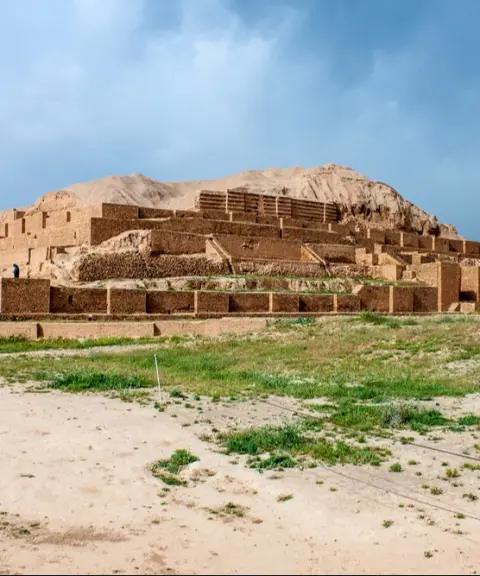
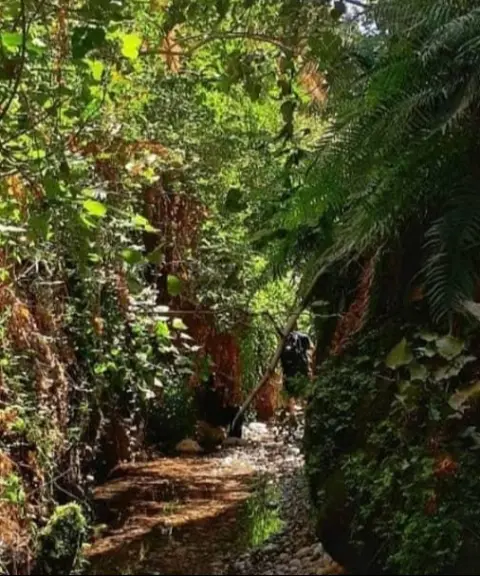

Pol-e Parzin Valley
Province Khuzestan
- Walking
- Canyoning
An Undiscovered Paradise in the Heart of Khuzestan
Related tags:
Unfortunately, no comments have been registered.