
 Attractions
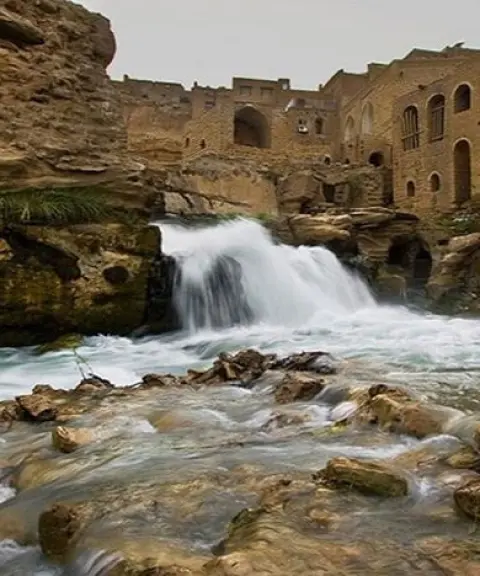
Shadorvan Bridge (Band-e Qaisar)
A masterpiece of Sasanian-era hydraulic engineering
- Attractions
- Khuzestan, Shushtar
- Altitude 42 m
- Ability level Beginner
Ability level:
Beginner
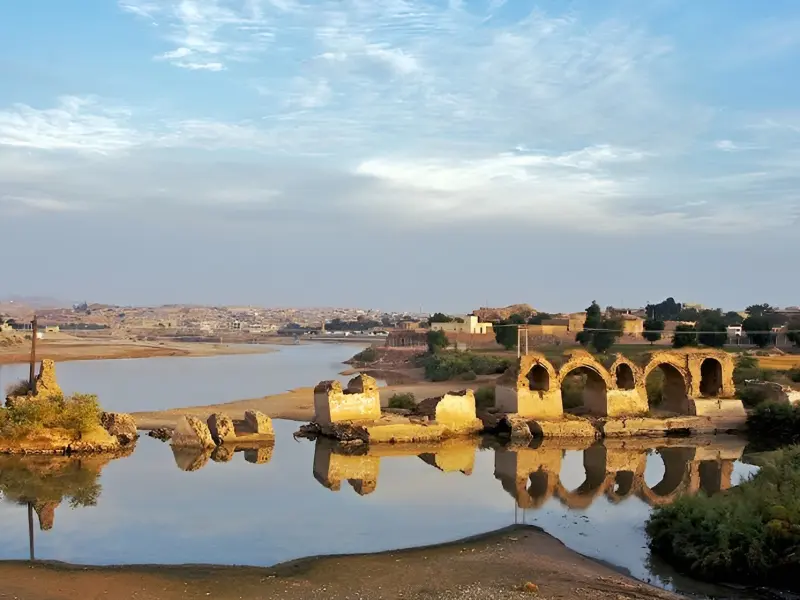
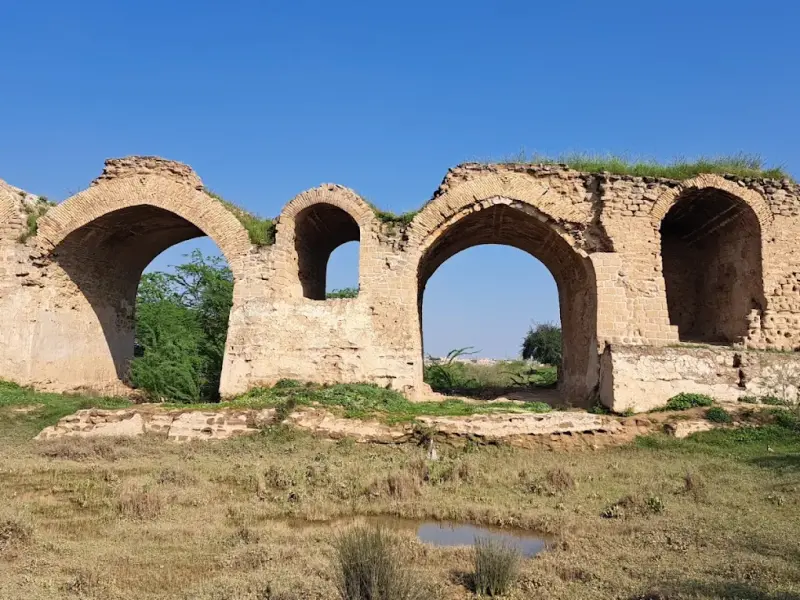
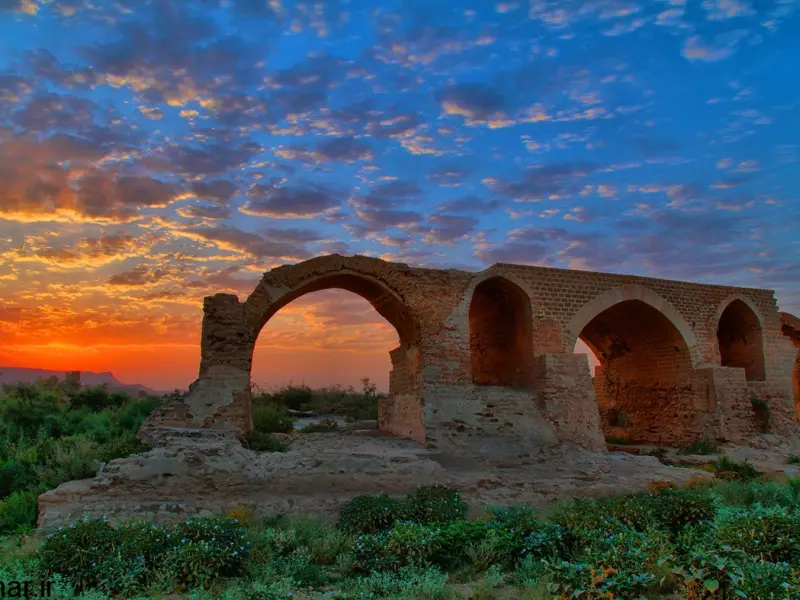
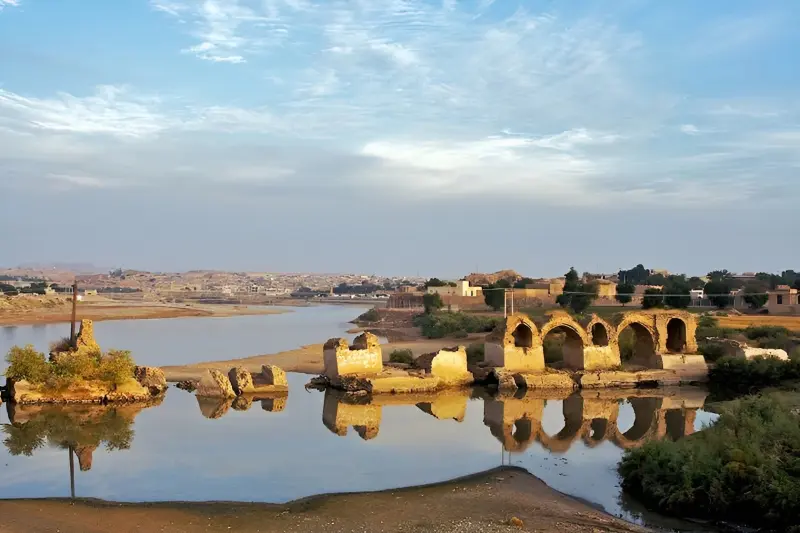
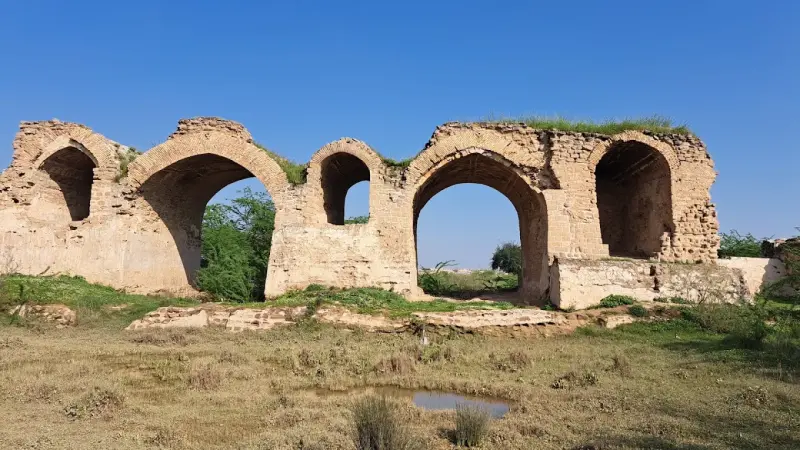
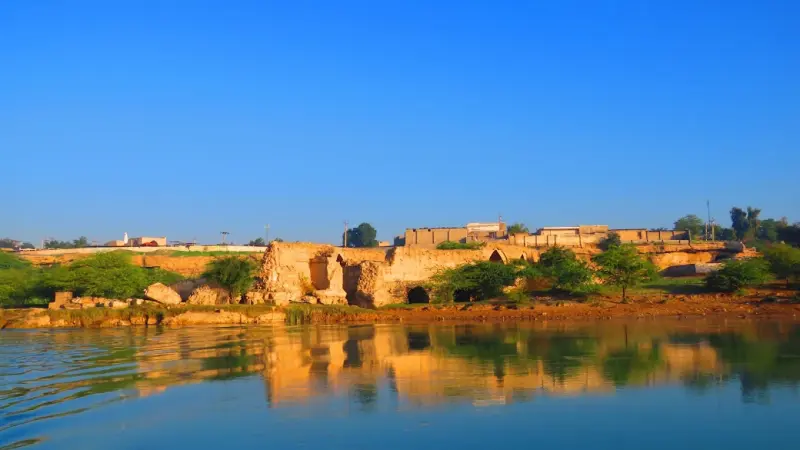
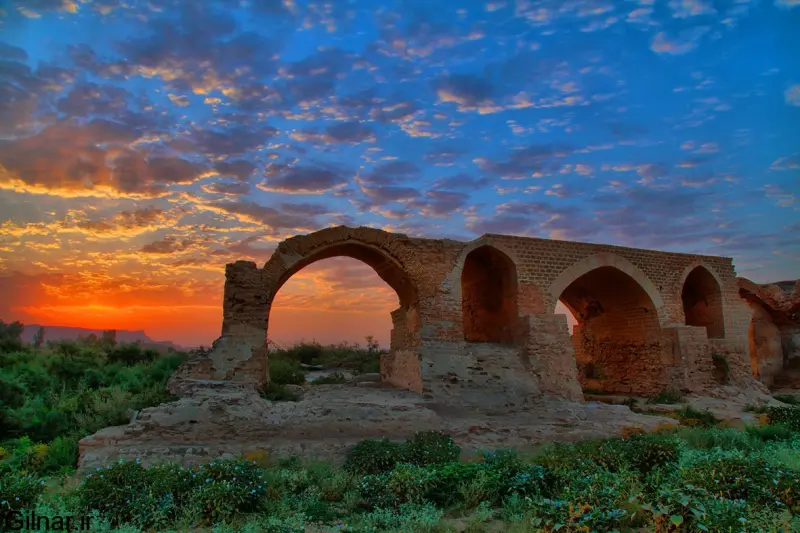
Shadorvan Bridge, also known as Band-e Qaisar and the Bridge-Dam of Valerian, is a valuable historical monument in Shushtar County, Khuzestan Province. The structure was built in the Sasanian period, during the reign of Shapur I, and stood on the Shatit branch of the Karun River. Shadorvan Bridge is regarded as one of the key parts of Shushtar's historical water system, a unique complex of ancient hydraulic structures built to manage the flow of water and put it to use in different parts of the city and its farmland. It was registered on Iran's National Heritage list on 15 Dey 1310 (Solar Hijri) as item No. 78, and in 2009 it was also inscribed on the UNESCO World Heritage List together with the other historical hydraulic structures of Shushtar.
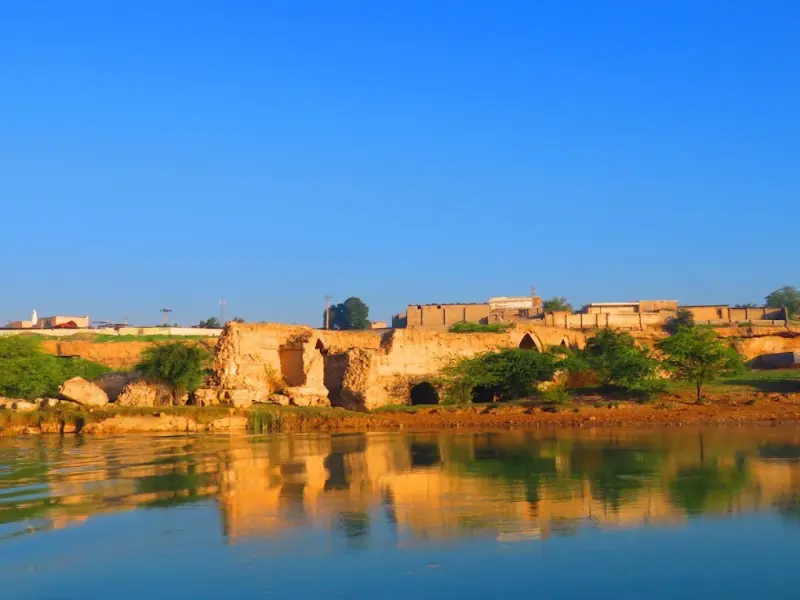
Besides serving as a crossing, Shadorvan Bridge also had a hydraulic function: by controlling and regulating the flow of the Karun, it helped channel water into the routes used to irrigate farmland. The bridge is reported to have been about 500 metres long and, according to historical accounts, had 44 spans, some of which have been destroyed over time. The surviving remains of the piers and spans give an impression of the size of the structure and how it was built in ancient times. According to historical and legendary accounts, after defeating Valerian, the Roman emperor, Shapur I used Roman engineers and prisoners to build Shushtar's hydraulic structures. In the Shahnameh, Ferdowsi also attributes the building of this bridge to a Roman engineer named Baranush, who had been promised freedom and a return to his homeland in exchange for building the bridge. However, the details of this account should be considered in light of the narrative nature of the historical sources. Today the remains of the bridge can be seen near Azadegan Bridge, within the area of Shushtar's historical hydraulic structures, and a visit offers a chance to learn about engineering, architecture and water resource management in ancient Iran.
To visit Shadorvan Bridge, travel to Shushtar County in Khuzestan Province and, starting from the Band-e Mizan area in the northwest of the city, head south to reach the site; the remains of the bridge lie about 300 metres south of Band-e Mizan. The area is accessible via Shushtar's city streets, and a visit to the bridge can be combined with seeing other parts of Shushtar's historical water system, including Band-e Mizan and the complex of watermills and waterfalls. Spring, especially Farvardin and Ordibehesht (roughly April and May), is usually a good time to explore the city and visit its historical sites thanks to the milder weather; autumn and winter can also be good options as the weather cools. During your visit, avoid entering unstable parts of the structure, climbing on the historical remains or damaging the stones, and do not leave litter behind, so that this valuable heritage is preserved for future generations.
Written by زهرا لنگری Last updated
Activities
What you can do here, and what it takes
-
Walking
کفش پیادهروی به همراه داشته باشید..
Specifications
Introduction of the location and specifications of Shadorvan Bridge (Band-e Qaisar)
Construction Period:
Sasanian
Location:
Khuzestan, Shushtar
Coordinates:
32.05373311, 48.84846179
Open in maps
Height above mean sea:
42 meter
Transports:
Private car, Minibus, Bus
Tourist Attractions in Shushtar
Attractions that are nearby

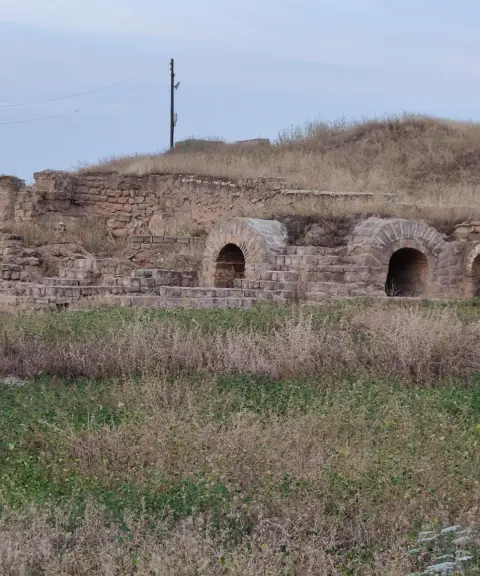

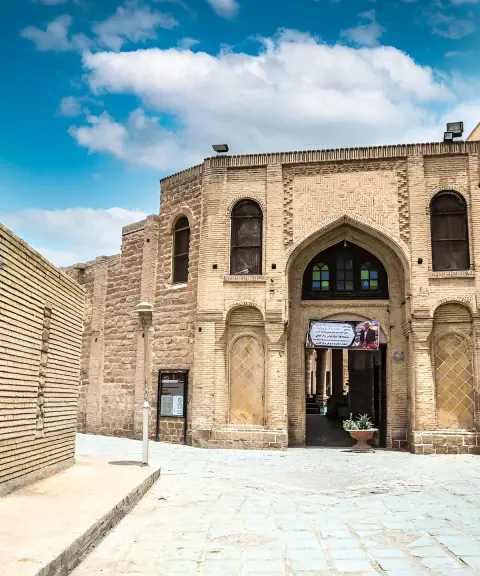
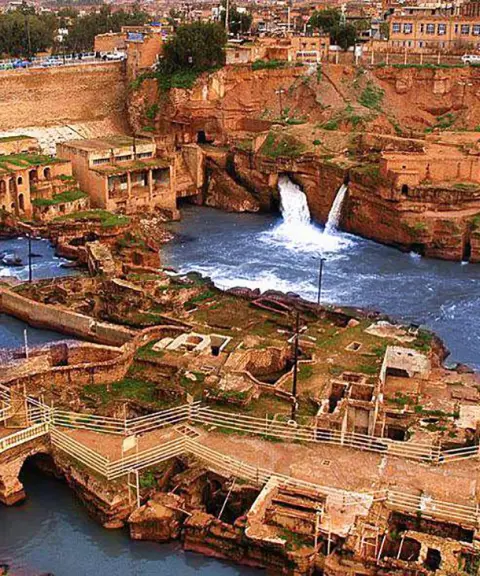

Shushtar Historical Hydraulic System
Province Khuzestan
- Walking
The finest historical water structure
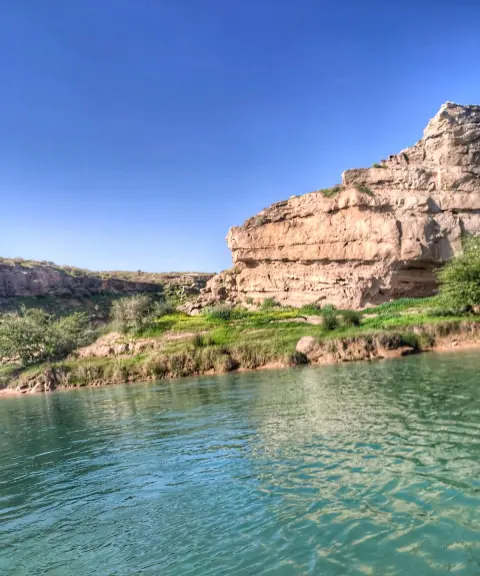

Tang-e Aghili, Shushtar
Province Khuzestan
- Swimming
- Canyoning
- Rowing
- Walking
The Amazon of Iran in the Heart of Khuzestan
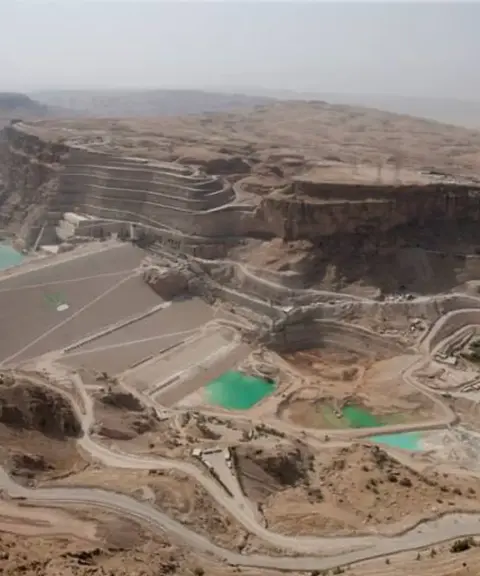

Gotvand Dam
Province Khuzestan
- Walking
A Monumental Engineering Structure on the Karun River in Khuzestan
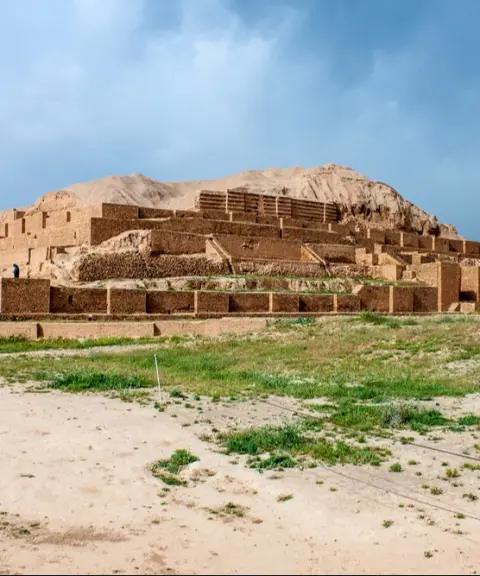
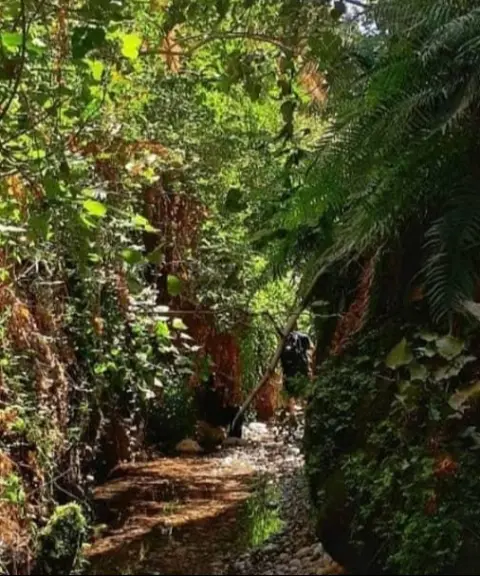

Pol-e Parzin Valley
Province Khuzestan
- Walking
- Canyoning
An Undiscovered Paradise in the Heart of Khuzestan
Related tags:
Unfortunately, no comments have been registered.