
 Attractions
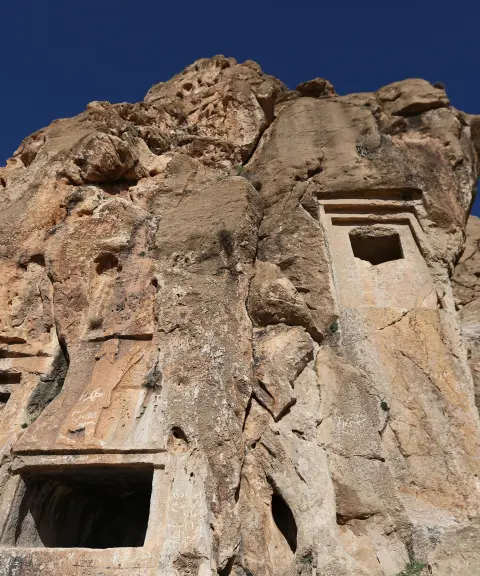
Eshaqvand Rock-Cut Tombs
Province Kermanshah
- Walking
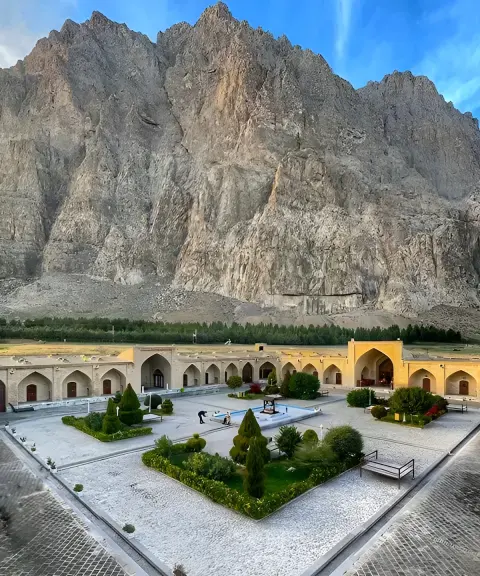
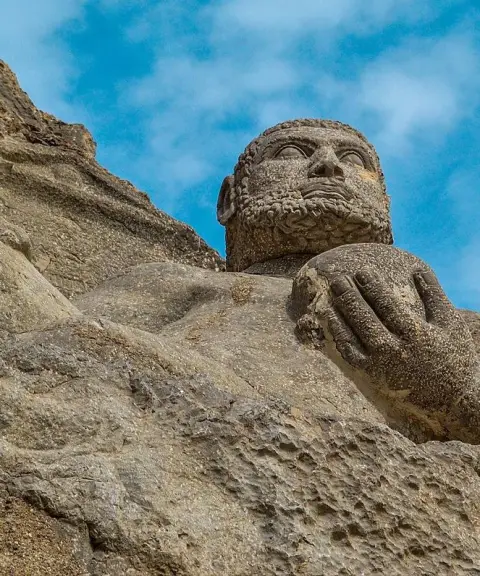
A rock-hewn tomb in the mountains of Harsin
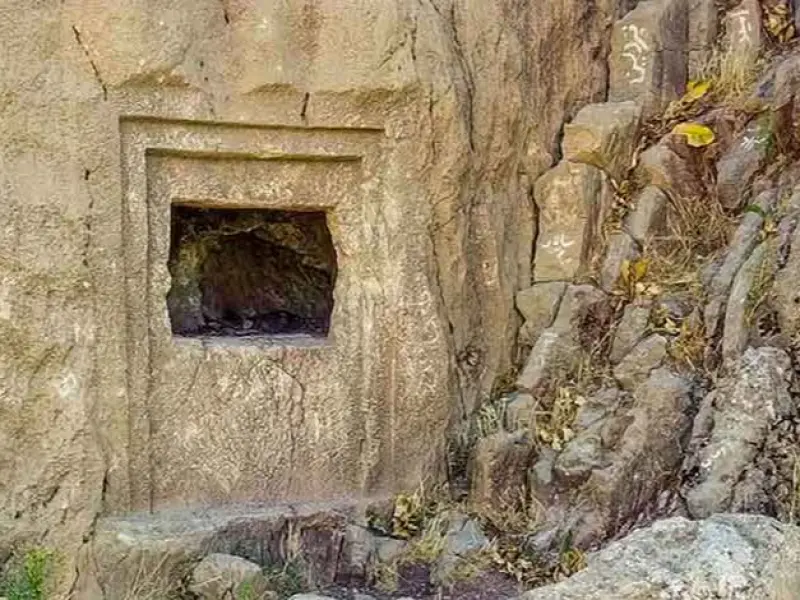
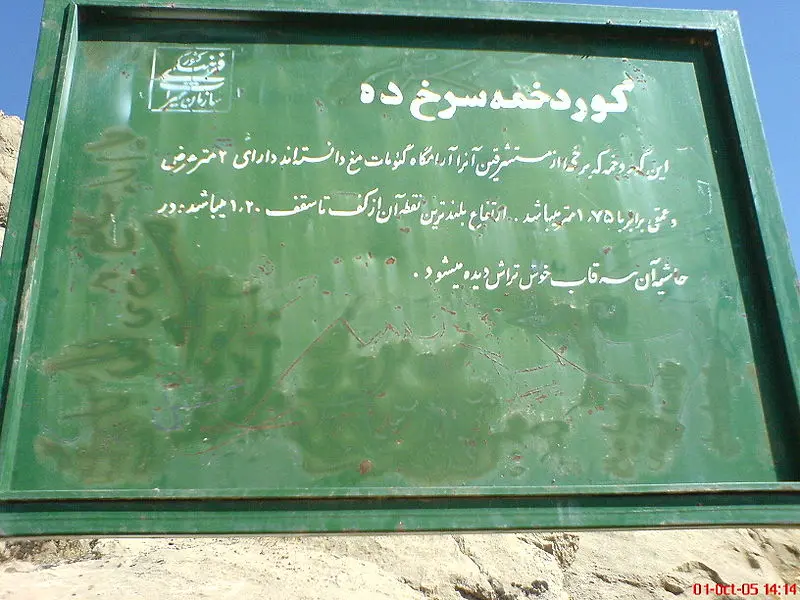
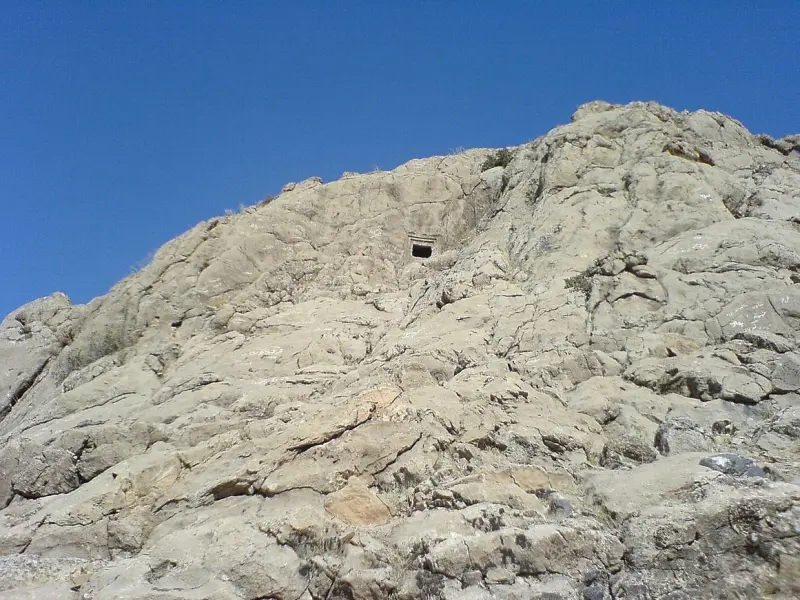
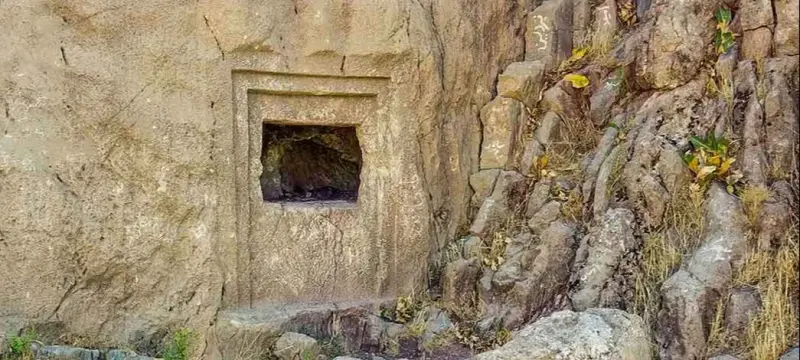
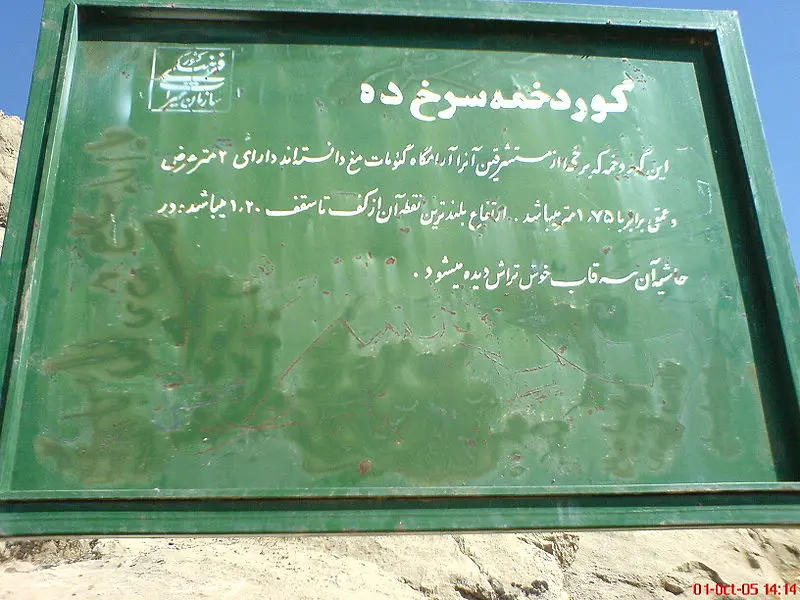
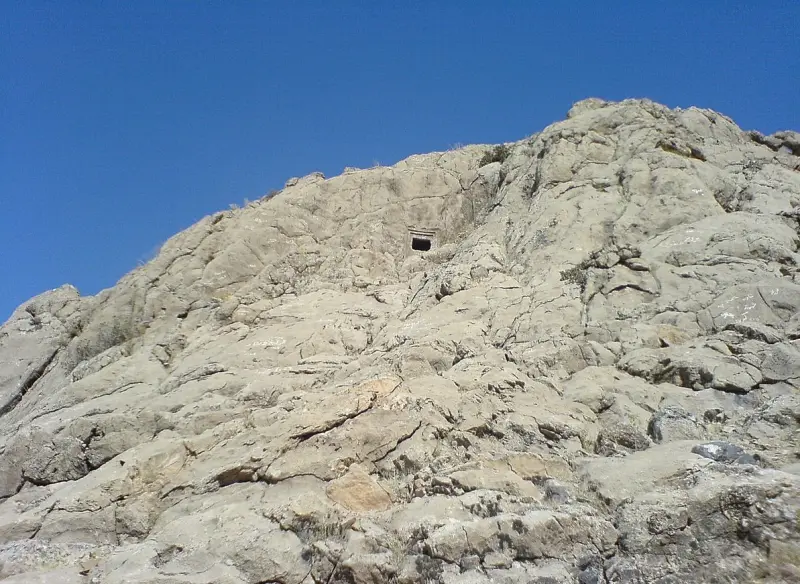
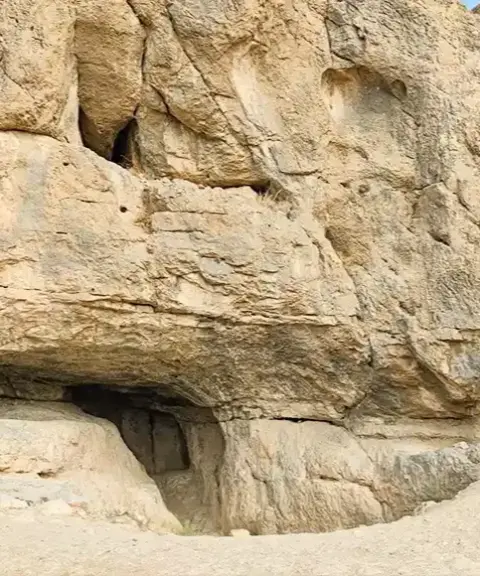
The Sorkhdeh Rock-Cut Tomb is one of the most notable historical monuments of Kermanshah Province. It is attributed to the Median period, although some researchers have suggested that it may belong to the Achaemenids. The monument is located in Harsin County, near the villages of Shamsabad and Sorkhdeh, on the western bank of the Gamasiab River. It lies about 19 kilometres from the Eshaqvand rock-cut tombs, and because of its architectural and archaeological importance it was added to Iran's National Heritage list on 24 Farvardin 1382 (13 April 2003) under national registration number 8160.
This rock-cut tomb was carved into the mountain in the form of a small chamber, with a simple but precise structure. The walls of the tomb are nearly 2 metres thick, and the interior is about 1.75 metres deep and 1.20 metres high. The entrance, 1.10 metres wide and 0.85 metres high, is skilfully carved with three decorative frames, giving it a striking appearance. These features reflect the skill of the stonemasons and the ritual beliefs of the people of that era, who expressed peace and respect for the dead through rock-cut architecture. Some researchers believe this tomb was the burial place of Gaumata the Magus (the Magus who briefly seized the throne), but this view is not certain, and there are also disagreements over whether the structure is a dakhma or a rock-cut tomb. Some believe that, because of the climate in this region, tombs like this were built and used instead of ossuaries (astodans) and Towers of Silence.
To reach the Sorkhdeh Rock-Cut Tomb, after crossing the Chehr Bridge on the road from Bisotun to Harsin, turn right and drive about 11 kilometres along the Gamasiab River. About one kilometre before the village of Sorkhdeh, the rock-cut tomb appears high on a cliff on the left side of the road. The best time to visit is spring and early summer, when the weather is milder and the surrounding landscape is at its most beautiful. However, responsible nature tourism is essential to protect this historical heritage: avoid approaching loose or damaged spots, do not dig or move any stones or artefacts, take your rubbish with you, and avoid bringing unnecessary plastic items. It is also advisable to wear proper hiking footwear to reduce the risk of slipping on rocky, steep paths.
Written by زهرا لنگری Last updated
What you can do here, and what it takes
مسیر خاکی کنار رودخانه گاماسیاب و در دامنه کوه محل قرارگیری گوردخمه، محیطی آرام برای قدمزدن و تماشای مناظر طبیعی فراهم میکند.
Province Kermanshah
Province Kermanshah
Province Kermanshah
Province Kermanshah
Province Kermanshah
Province Kermanshah


Unfortunately, no comments have been registered.