
 Attractions
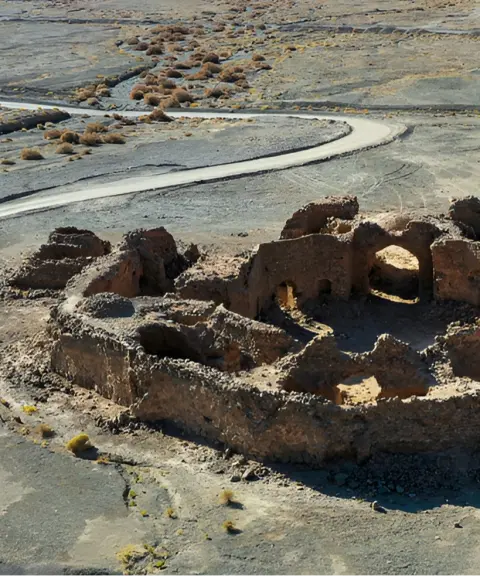
Anjireh Stone Caravanserai
Province Yazd
- Walking
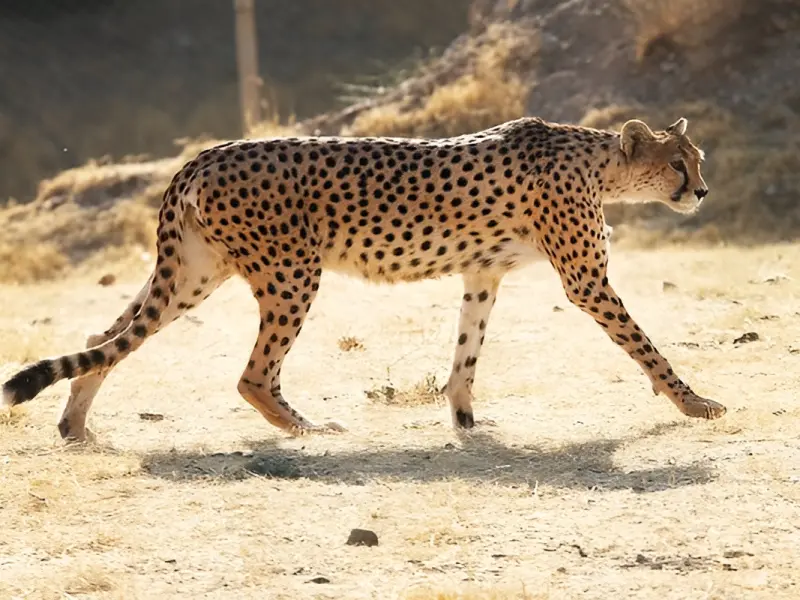
A valuable habitat of the Asiatic cheetah on Iran's central plateau
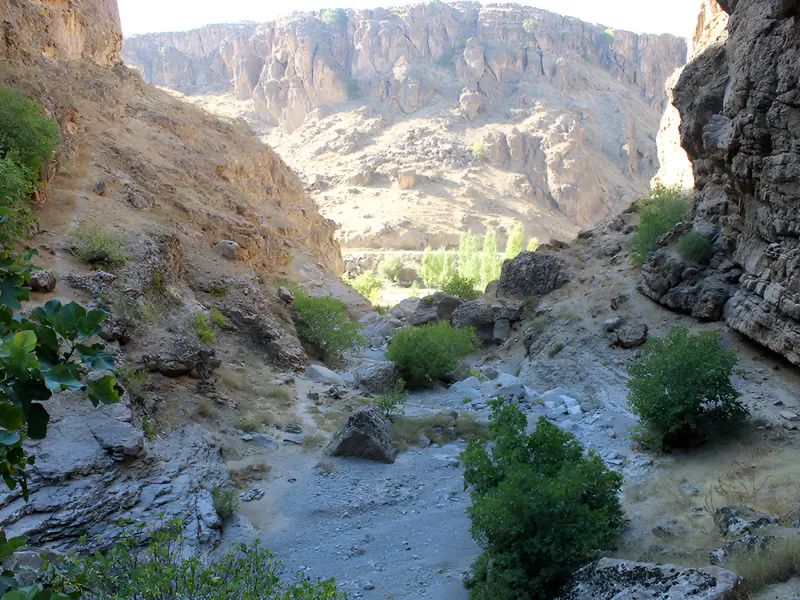
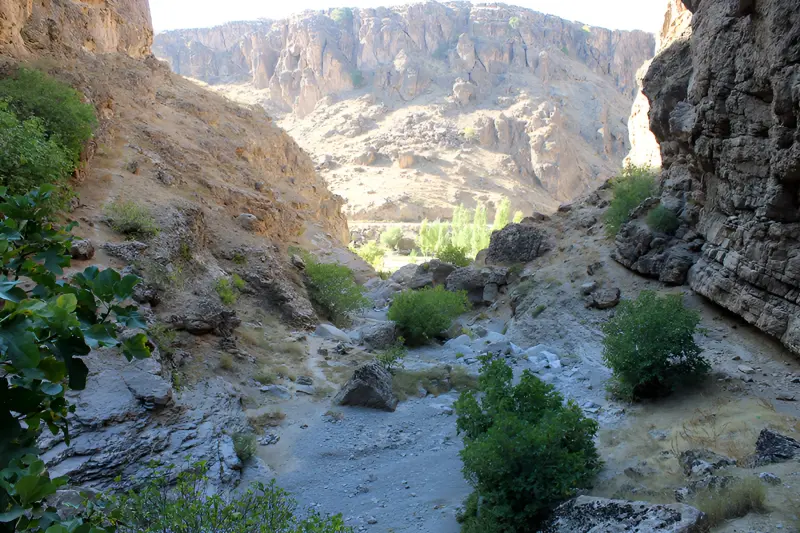
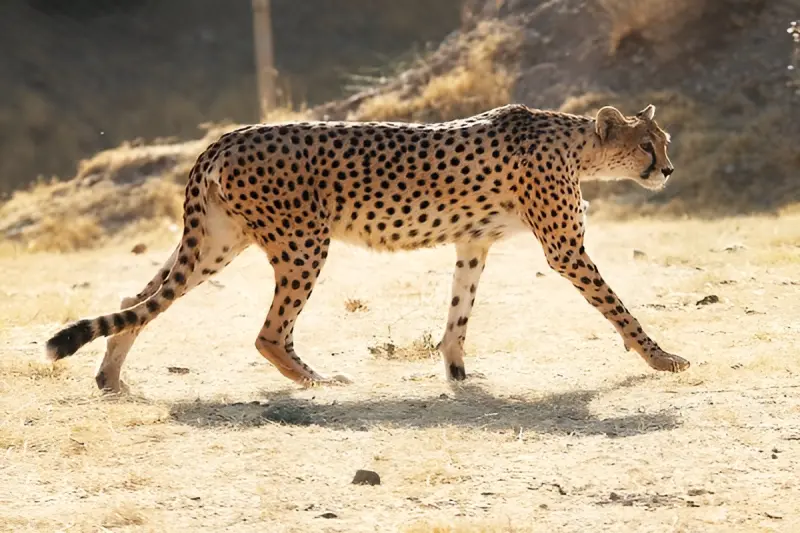
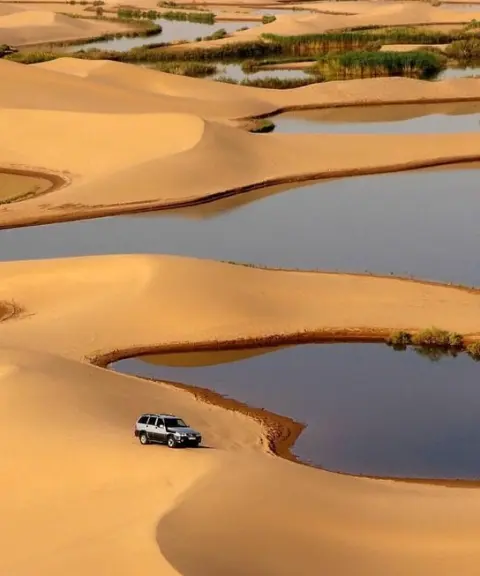
Dare Anjir and Niyaz Wildlife Refuge is one of the largest protected areas in Iran. It lies in Yazd Province, within the counties of Ardakan and Bafq. Covering about 175,000 hectares, the area was registered in 1381 (2002) as one of the areas protected by the Department of Environment. This natural expanse includes mountainous terrain, rolling hills and broad plains, and is made up of three main habitats, Dare Anjir, Bozva and Niyaz, together with the plains between them. The area's particular location on Iran's central plateau gives it a hyper-arid climate, with very hot summers and cold winters, and very low average annual rainfall.
In terms of biodiversity, the refuge is considered one of the most important wildlife habitats in Iran and is known above all as a key area for the Asiatic cheetah. Besides the cheetah, the area is home to species such as the leopard, caracal, goitered gazelle, wild sheep (urial and mouflon), wild goat and ibex, as well as various carnivores and rodents. The vegetation consists of drought-resistant species such as saxaul, tamarisk, Zygophyllum (qich), wormwood, wild almond and wild fig. Together with the deep, rocky valleys, these plants create safe, natural habitats for wildlife. The lack of large human settlements and the limited human activity have made this one of the most pristine ecosystems in the country, although a few mines and through roads have affected its natural structure to some extent.
To reach the refuge, the main route runs from Yazd Province along the Yazd–Tabas road, and there are also secondary routes via Chadormalu, Saghand and Kharanaq. Because of the size of the area and its protected status, entry is allowed only under specific environmental regulations, and there are only a limited number of dirt tracks inside it. The best time to visit the areas around the refuge is autumn and winter, when the heat eases and the climate is more bearable. When visiting this valuable habitat, it is vital to follow the principles of responsible tourism, including not entering sensitive habitats, keeping wildlife undisturbed, and avoiding any damage to vegetation and water sources.
Written by زهرا لنگری Last updated
What you can do here, and what it takes
در بخشهای مجاز اطراف منطقه، امکان پیادهروی و مشاهده مناظر کویری و کوهستانی با رعایت ضوابط محیطزیست وجود دارد.
Province Yazd
Province Yazd
Province Yazd
Province Yazd
Province Yazd
Province Yazd

Unfortunately, no comments have been registered.