
 Historic Castle
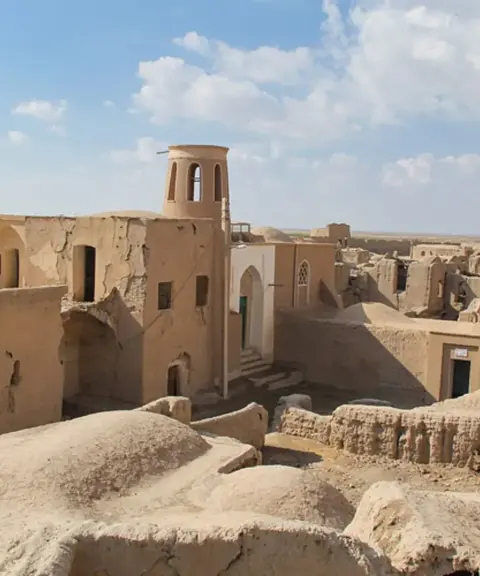
Ghurtan Castle
A Living Mud-Brick City from Sasanian History
- Historic Castle
- Isfahan, Varzaneh
- Altitude 1,482 m
- Ability level Beginner
Ability level:
Beginner
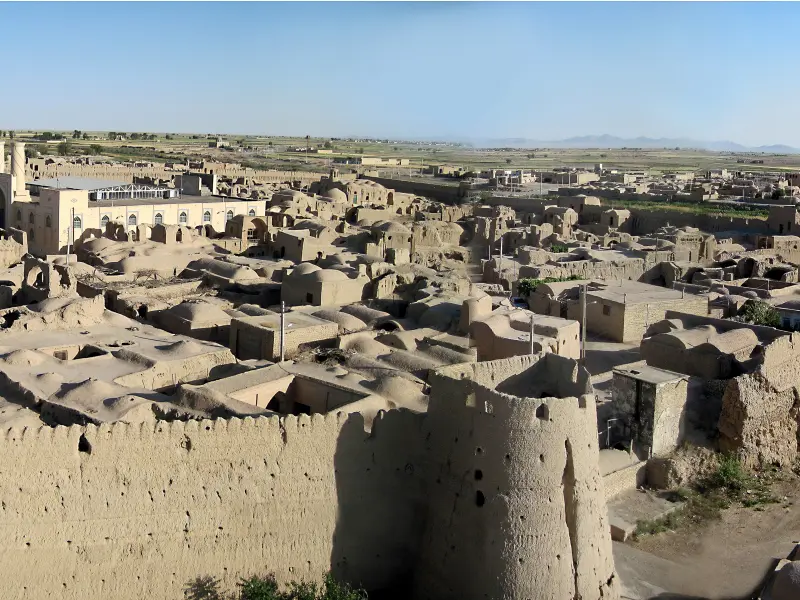
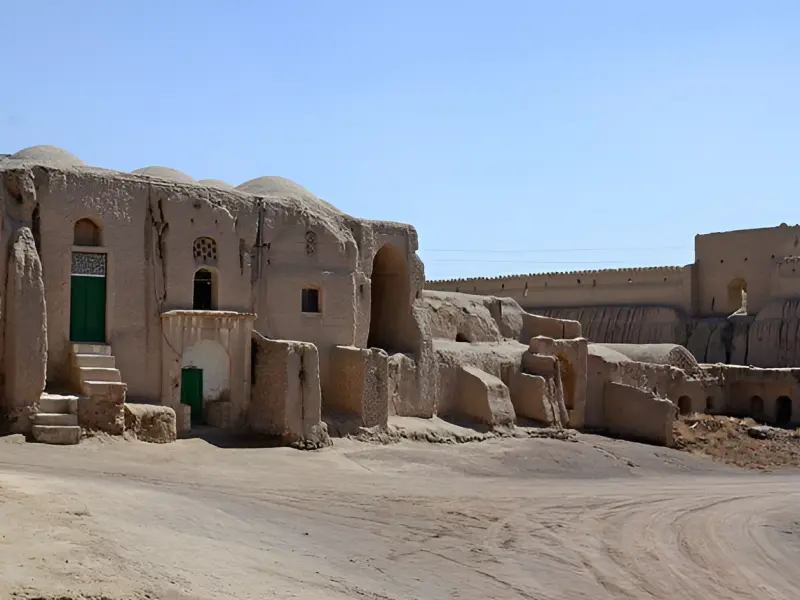
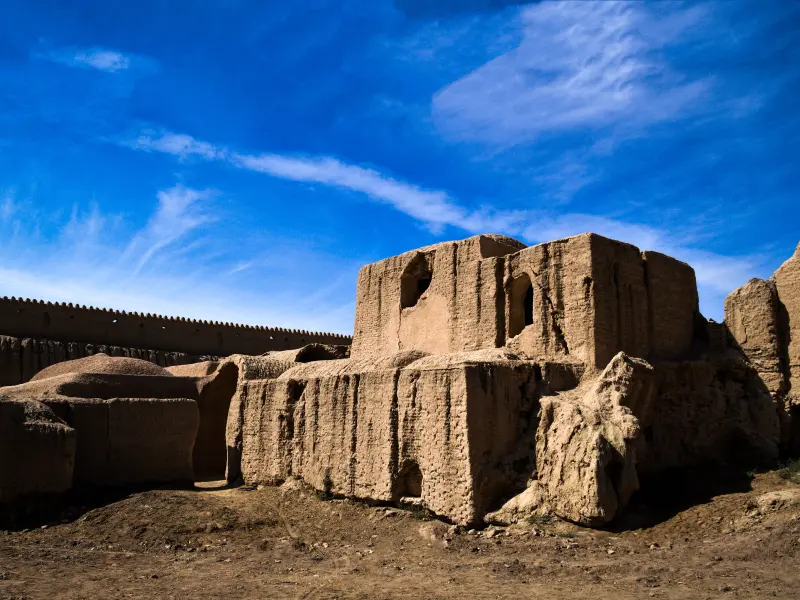
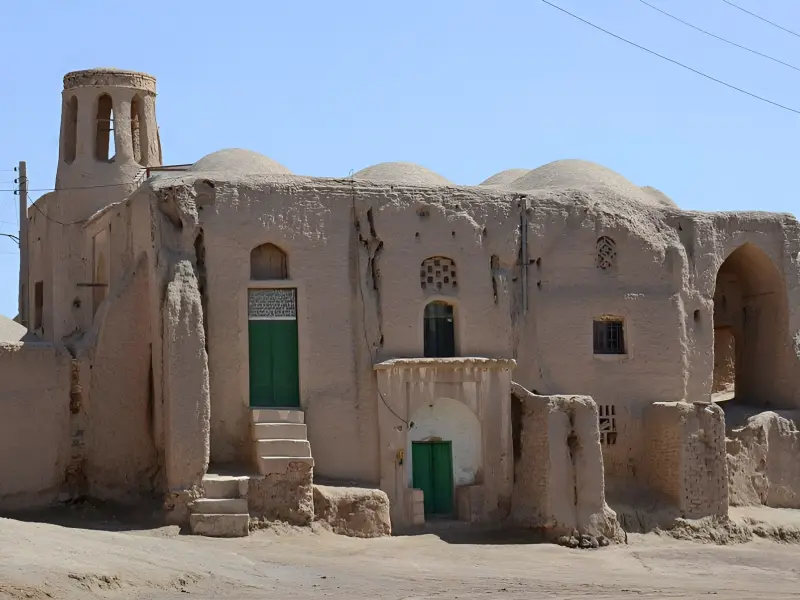
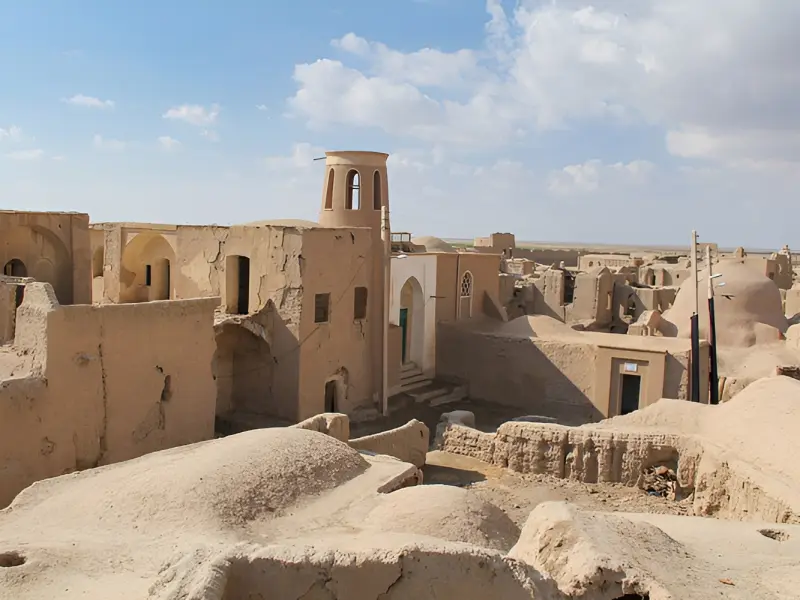
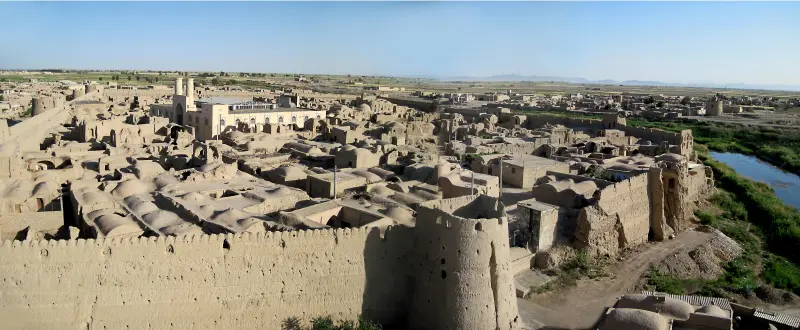
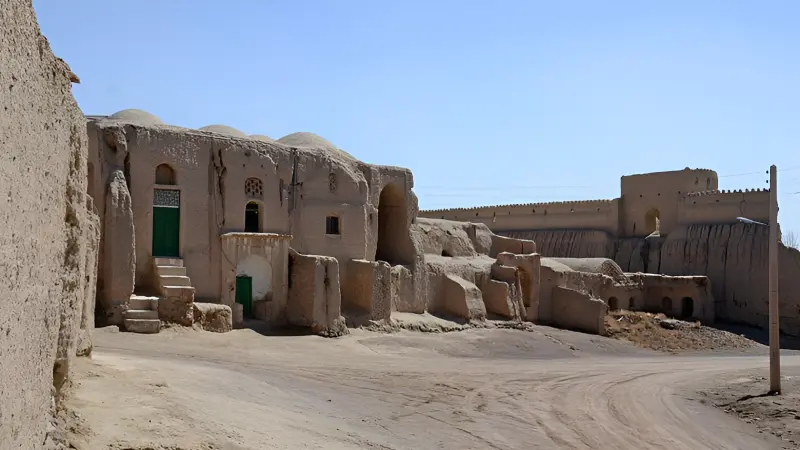
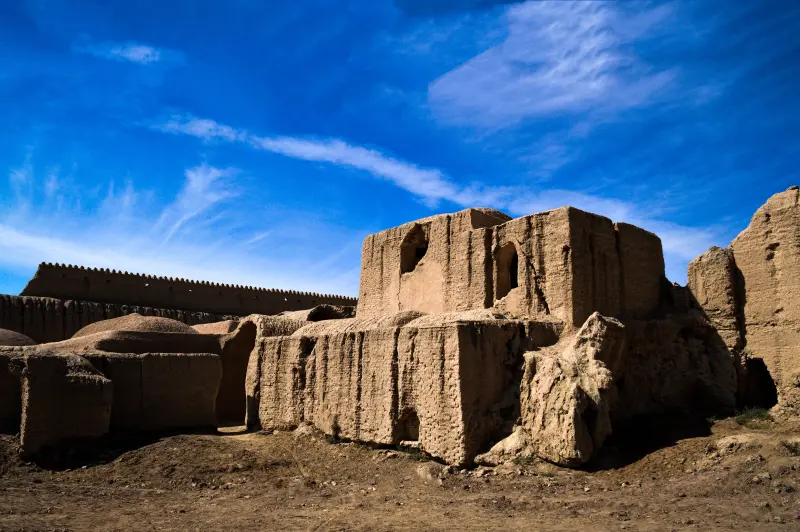
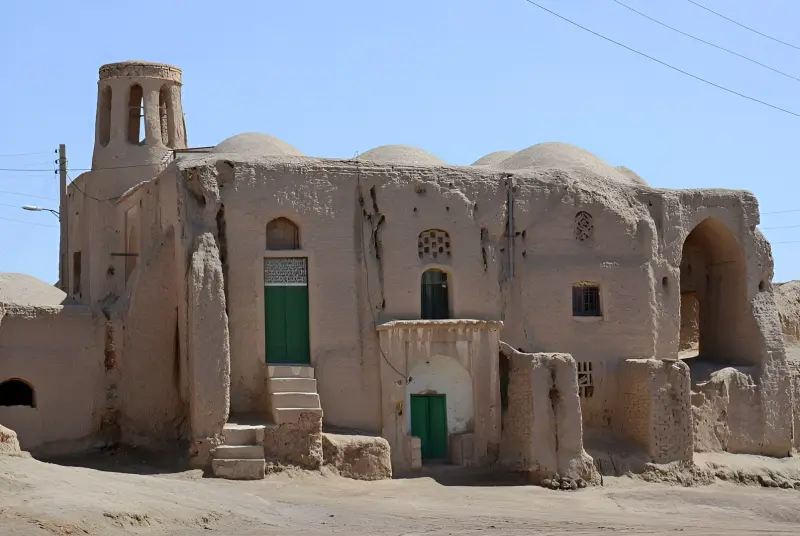
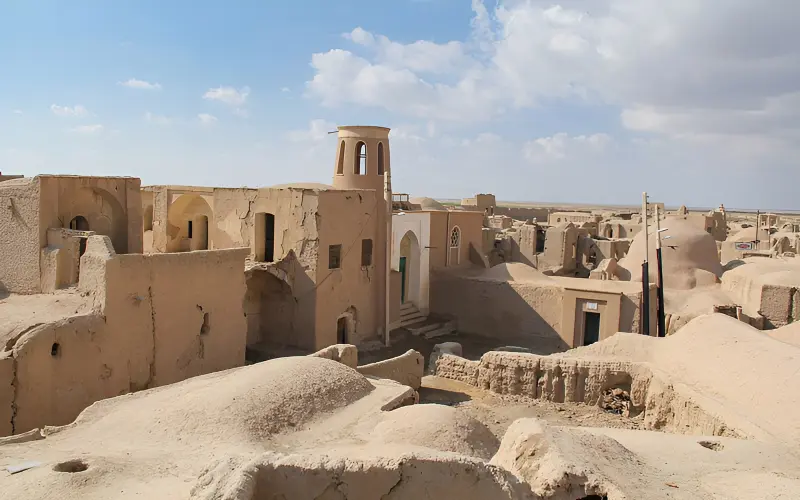
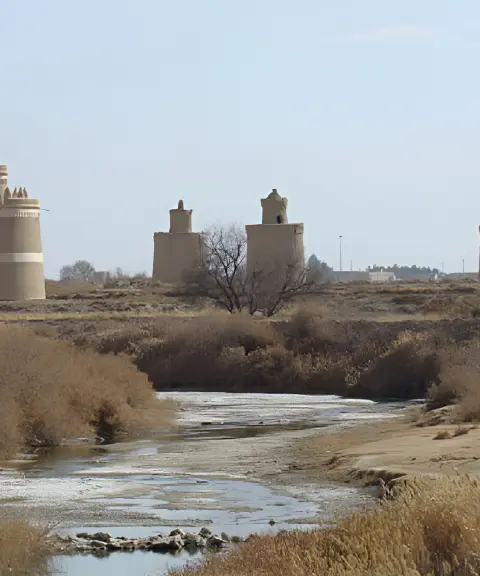
The historic Ghurtan Citadel is located in Isfahan Province, in Varzaneh County, within the Gavkhouni rural district. Dating back to the Sasanian era (around 421 to 439 CE), with additional layers from later periods such as the Daylamites and the early Islamic era, it is considered one of the largest mud-brick and adobe citadels in Iran. The site lies about 12 kilometres from the centre of Varzaneh, along the Isfahan–Yazd road. Because of its size and town-like structure, it is in effect regarded as a living historic settlement. The citadel covers roughly five hectares and includes dozens of historic houses, towers and ramparts, internal alleys and public spaces, and in the past it served as a small walled town. Its registration on Iran's National Heritage List in 1387 (Solar Hijri; 2008 CE) has further confirmed its historical and cultural importance.
In terms of architecture and historical function, Ghurtan Castle has a highly complex and unique structure, including 14 watchtowers, thick mud-brick walls about 9 to 12 metres high, and ramparts hundreds of metres long. Inside the complex are numerous spaces, such as three historic mosques, a traditional bathhouse, an old bazaar, a pigeon house, a date-palm storage chamber (nakhldan) and several residences of local khans, each reflecting the social and economic structure of the citadel in the past. Among its most important religious sites are the Ahleh Mosque, with its distinctive hypostyle (shabestani) architecture, the Bala Mosque, dating from the early Islamic era, and the Ebrahim Mosque, which belongs to the Safavid period. The presence of small bazaars, traditional mills and fortresses such as Navab Castle also points to a dynamic economic life in this complex across different historical periods. Although parts of the citadel have been damaged by the passage of time and floods of the Zayandeh Rud, some sections are still inhabited, and this has made Ghurtan Castle one of the few living mud-brick citadels in the world.
The route to Ghurtan Castle begins in the town of Varzaneh. Driving along the Varzaneh–Isfahan road for about 10 to 12 kilometres will bring you to this historic complex. The best time to visit is during the mild seasons of the year, especially autumn and early spring, when the weather in the surrounding desert region is more favourable. Visitors should be aware that the site lacks extensive tourist infrastructure and its facilities are limited, so it is important to bring suitable equipment and follow the principles of responsible nature tourism. Keeping the surroundings quiet, staying out of fragile areas, avoiding damage to the mud-brick walls and respecting the remaining residential fabric are among the most important principles of visiting this valuable historic heritage responsibly.
Written by زهرا لنگری Last updated
Activities
What you can do here, and what it takes
-
Walking
بازدیدکنندگان میتوانند در میان بخشهای مسکونی و تاریخی ارگ حرکت کنند و ضمن پیادهروی، با ساختار اجتماعی و معماری یک شهر خشتی زنده و تاریخی آشنا شوند.
Specifications
Introduction of the location and specifications of Ghurtan Castle
Location:
Isfahan, Varzaneh
Coordinates:
32.45086011, 52.55680765
Open in maps
Height above mean sea:
1482 meter
Faunas:
Presence of Allergenic Insects
Transports:
Private car, Minibus, Bus
Tourist Attractions in Varzaneh
Attractions that are nearby

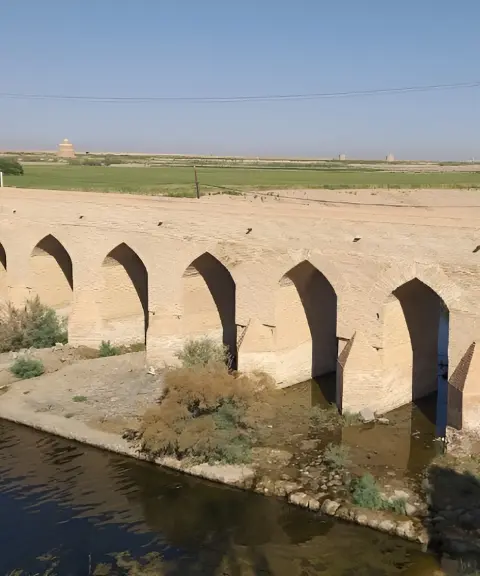
Ezhiyeh Historical Bridge
Province Isfahan
- Walking
An ancient relic of the Zayandeh Rud on the route east of Isfahan


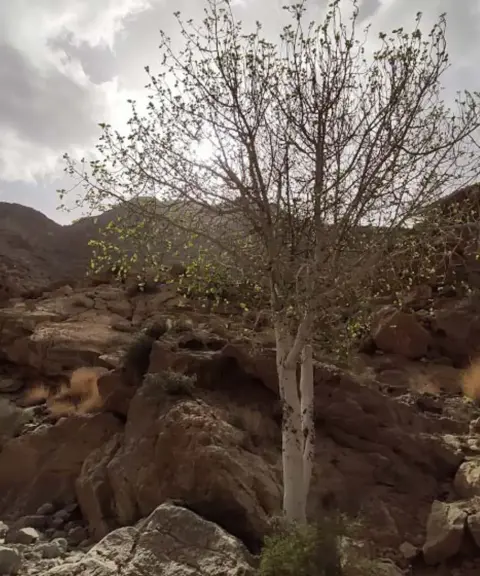

Kolah Ghazi National Park
Province Isfahan
- Walking
A Treasure of Biodiversity in the Heart of the Desert
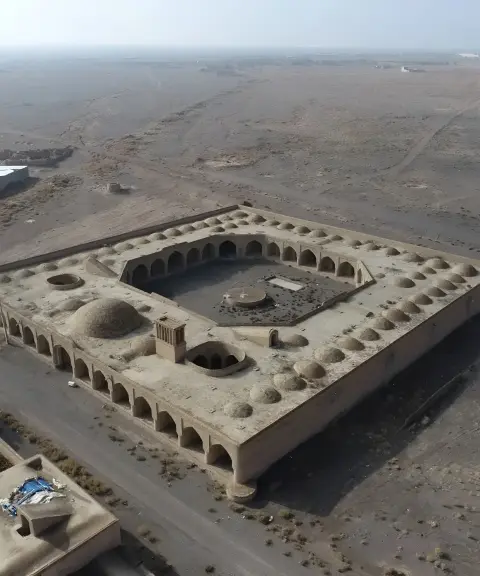
Nistanak Caravanserai
Province Isfahan
- Walking
A Qajar architectural masterpiece in the heart of Nain's desert landscape
Related tags:
Unfortunately, no comments have been registered.