
 Seas and Lakes
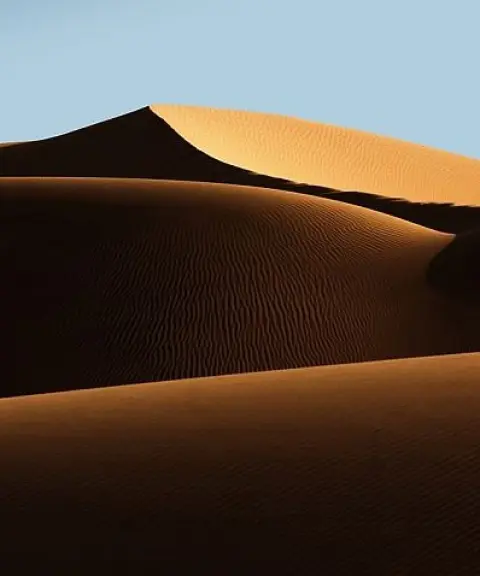
Namak Lake (Salt Lake)
A stunning expanse of salt in the heart of Iran's Central Desert
- Seas and Lakes
- Qom, Qom
- Altitude 789 m
- Ability level Beginner
Ability level:
Beginner
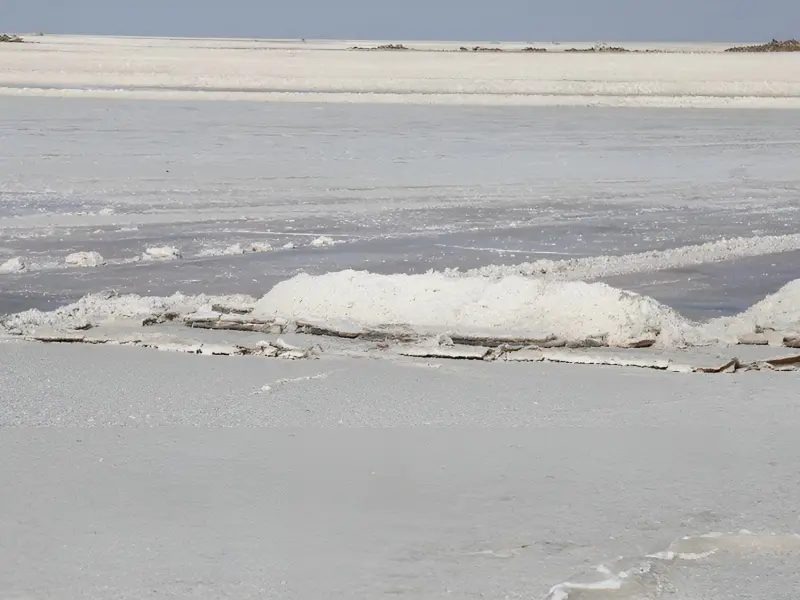
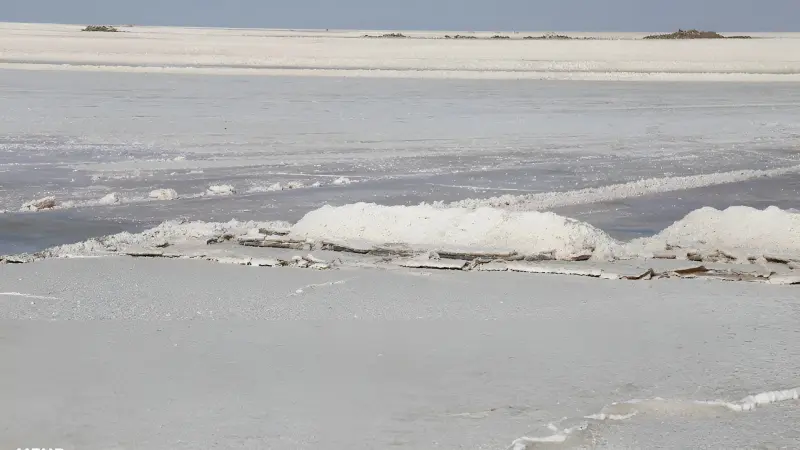
Namak Lake, also known as the Sea of Masileh or Masileh Salt Lake, is one of the largest salt lakes in Iran's Central Desert. It lies within the borders of three provinces, Qom, Isfahan and Semnan, and also shares a land border with Tehran Province in the Jajrud area. The lake is about 35 km northeast of Aran va Bidgol and about 70 km east of Qom. It is bounded by the Sefidab and Siahkuh mountains and Kavir National Park to the east, the Davazdah Imam mountains to the north, the Masileh plain to the west, and the Maranjab Desert and Band-e Rig to the south. Namak Lake is a seasonal, mostly dry expanse whose surface is covered with salt deposits and crystals for most months of the year. Because of its extreme salinity, it is considered one of the signature landscapes of Iran's Central Desert. The lake lies at an elevation of about 800 metres above sea level, and its area is reported to be about 2,400 square kilometres. Geologically, this expanse is a tectonic depression, and many geologists and scientists believe its formation is linked to the remnants of ancient bodies of water such as the Tethys Sea.
The most important feature of Namak Lake is its vast salt flat and the unique formations created by rainfall, water accumulation and evaporation on the lake surface. In many places the surface is covered with salt deposits, and after each rainfall and the subsequent evaporation of the water, salt crystals appear on the ground in polygonal patterns. In wetter seasons, parts of the lake briefly fill with water and reflect the sky, creating a view like a natural mirror. Parts of the area around the lake are also extremely marshy; among its marshlands are Hoz-e Qeylugheh in the east and the Do Kaviri marsh in the southeast. In the southern part of the lake, about 15 km away, lies the Wandering Island (Jazireh-ye Sargardan), which is made of porous volcanic rock and has no vegetation. Because the two ends of the island fade into the horizon through heat, optical illusion and the refraction of light, from a distance it looks like a lost ship wandering across the desert. Besides its natural and geological value, Namak Lake is also economically important, and one of the main sources and mines supplying Iran's salt is located in this region. Throughout history the area has also drawn the attention of travellers such as Marco Polo and Lord Curzon, and during the Safavid era it was regarded as an important centre of salt production.
Access to Namak Lake is via Aran va Bidgol and the Maranjab dirt road, and there are two main routes into the area. On the first route, after leaving Aran va Bidgol and driving towards the Maranjab Caravanserai, you reach the Namak Lake fork after about 35 km. On the second route, after passing the Maranjab Caravanserai and driving about 10 km, you can take the lake road at the Chah-Dast-Kan fork. Because the surrounding land is marshy and there are no signs or road markers in parts of the area, entering the lake without knowing the route can be very dangerous, and visiting without an off-road vehicle, a leader and suitable equipment is not recommended. Given the region's hot, dry climate, the cooler seasons, especially autumn and winter, are better times to visit, and in autumn, after rain, water on parts of the salt flat may create a beautiful mirror-like view. Visitors should avoid entering marshy areas and unknown routes, driving off safe tracks, damaging the salt crust and leaving litter behind. For responsible nature travel, bring enough water and food, suitable desert equipment, and a guide who knows the area.
Written by زهرا لنگری Last updated
Activities
What you can do here, and what it takes
-
Walking
کفش مناسب پیادهروی به همراه داشته باشید.
Specifications
Introduction of the location and specifications of Namak Lake (Salt Lake)
Location:
Qom, Qom
Coordinates:
34.50000000, 51.86666700
Open in maps
Height above mean sea:
789 meter
Floras:
Deserts and Dry Shrublands
Faunas:
Presence of Allergenic Insects, Presence of Herbivorous Animals
Transports:
Private car, Minibus, Bus
Tourist Attractions in Qom
Attractions that are nearby

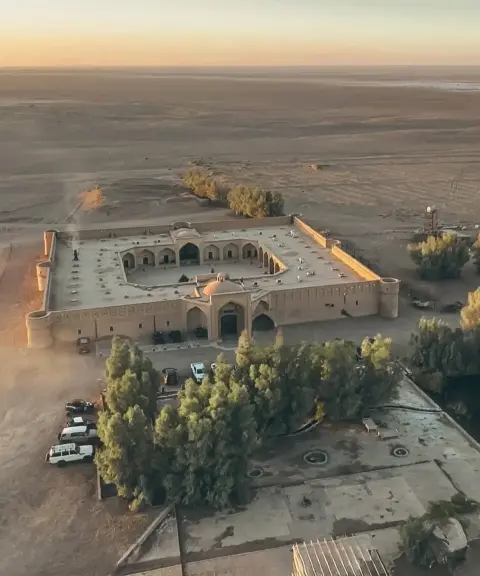

Maranjab Caravanserai
Province Isfahan
- Walking
A Magnificent Safavid Landmark in the Heart of the Aran va Bidgol Desert
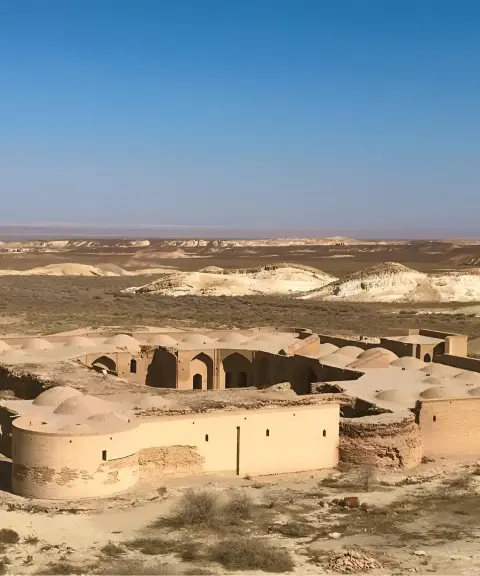
Ein al-Rashid Caravanserai
Province Semnan
- Walking
A historic jewel in the heart of the Garmsar desert
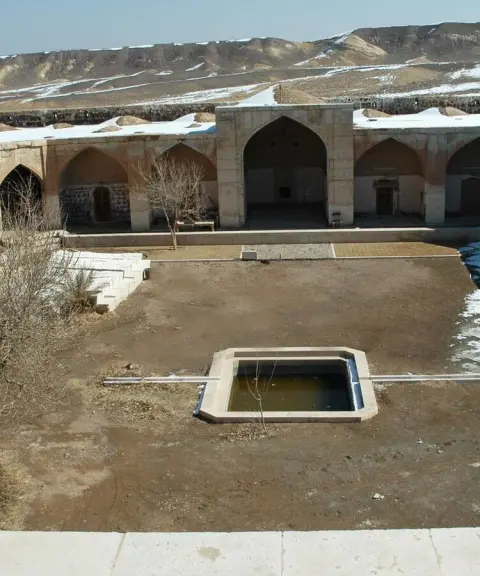
Qasr-e Bahram Caravanserai
Province Semnan
- Walking
Sasanian Splendor in the Heart of Kavir National Park
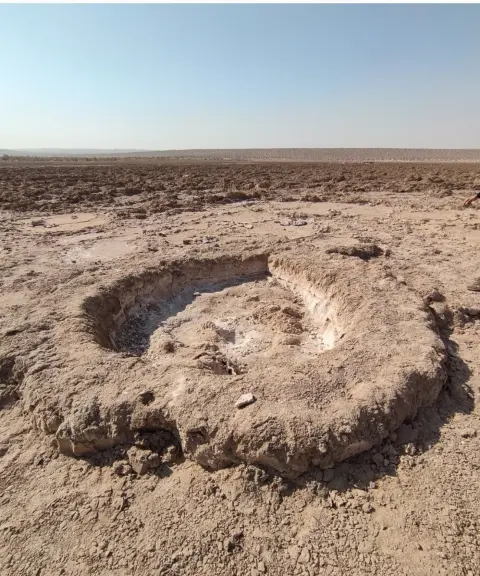
Chah Kenjeh Salt Flat
Province Isfahan
- Swimming
The white desert landscape in the heart of Aran va Bidgol
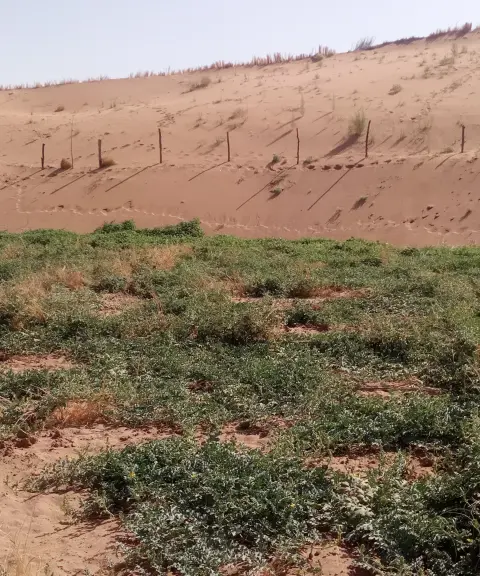

Yakhab Mountain
Province Isfahan
- Walking
- Mountaineering
A desert landscape and popular climbing destination north of Aran va Bidgol
Related tags:
Unfortunately, no comments have been registered.