
 Attractions
Ilchi Mosque
Province Isfahan
- Walking
A historic mosque in northeastern Isfahan
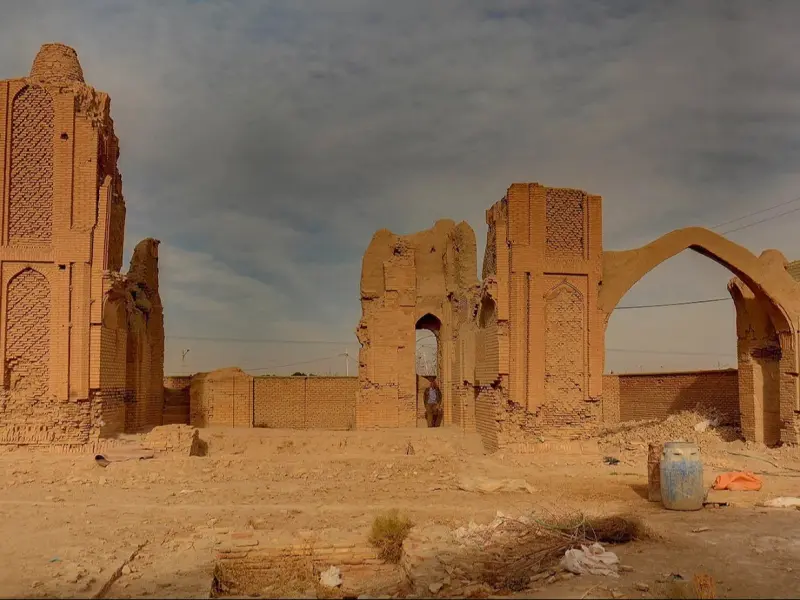
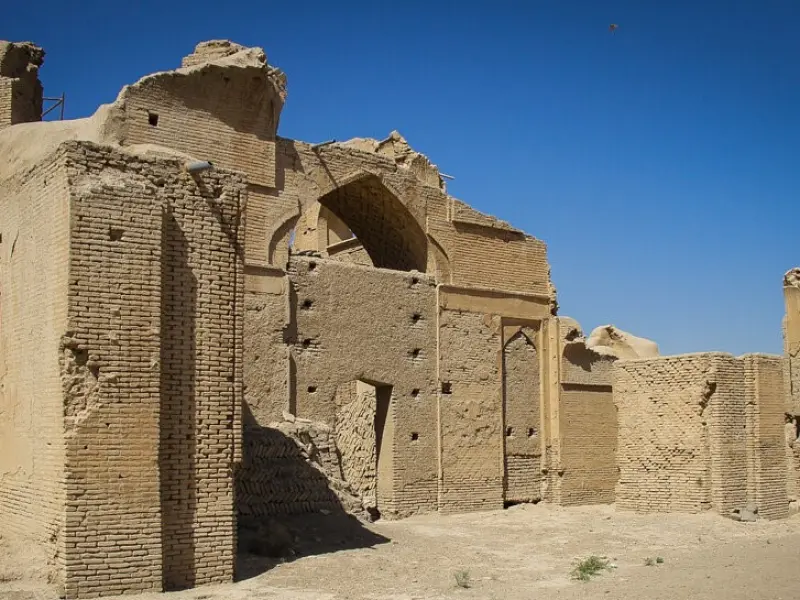
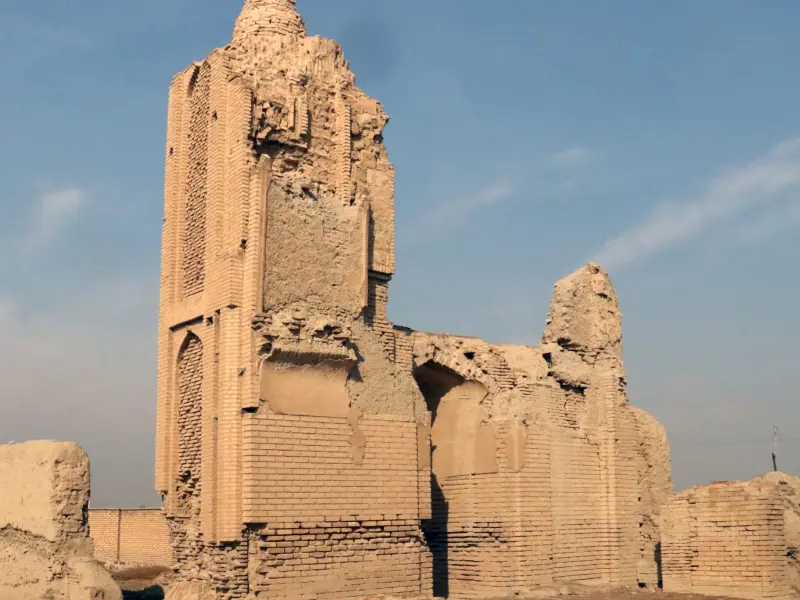
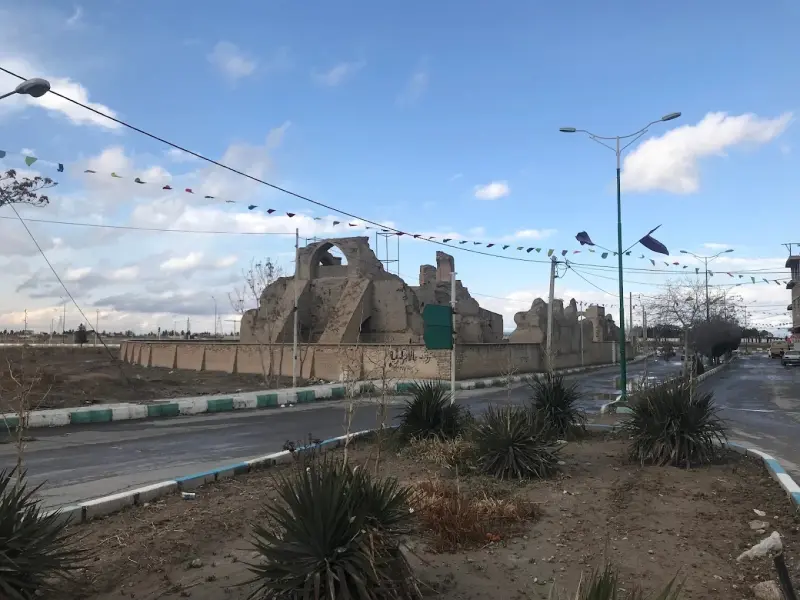
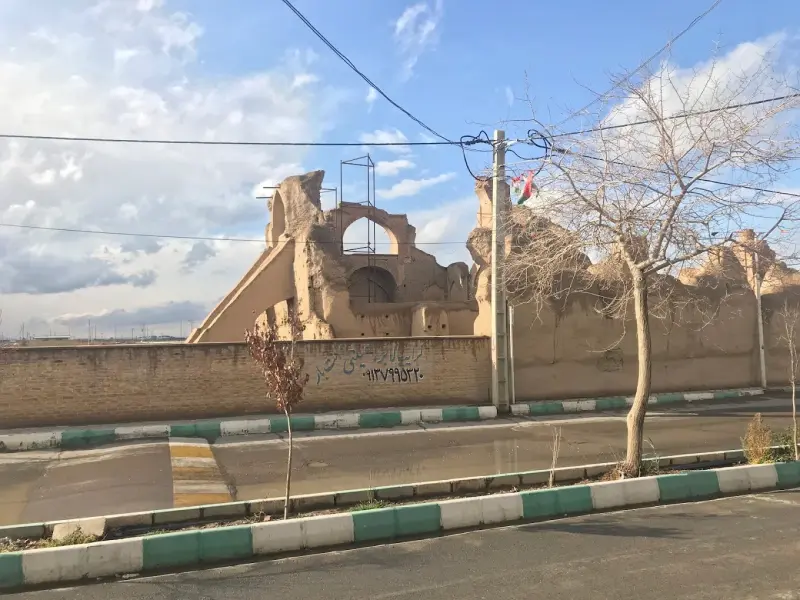
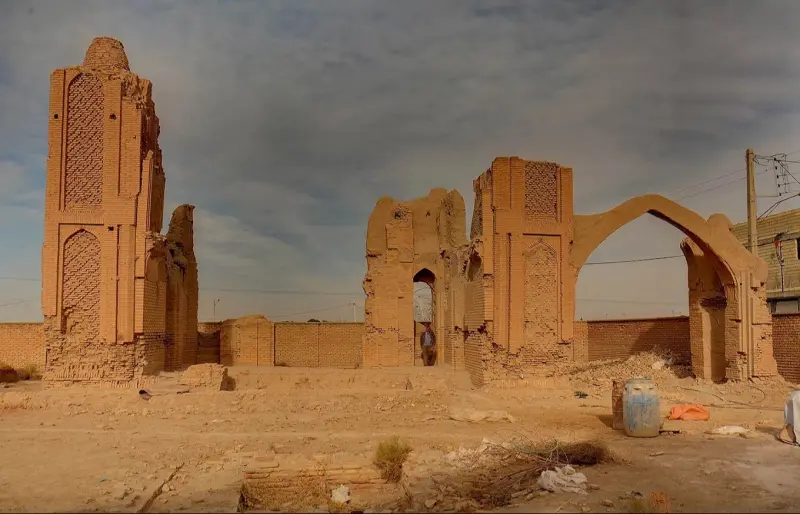
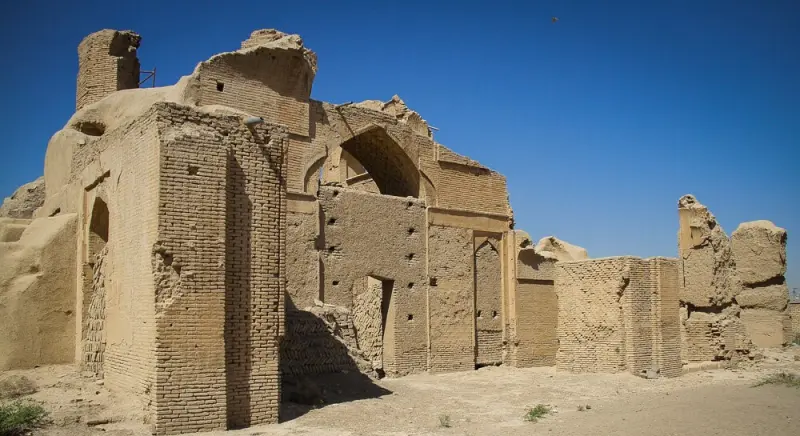
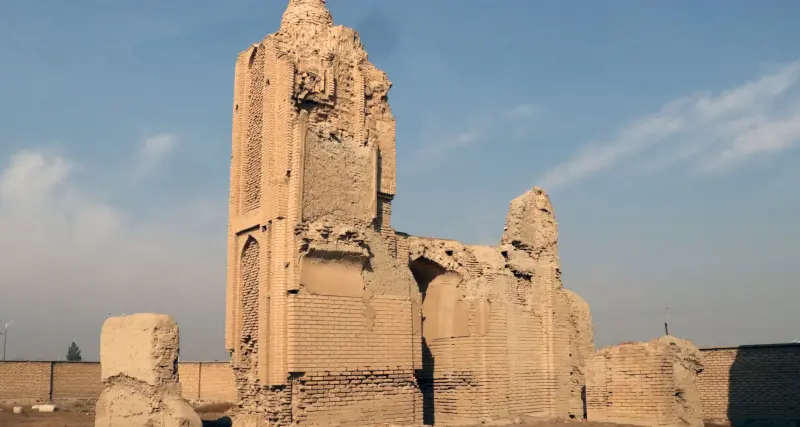
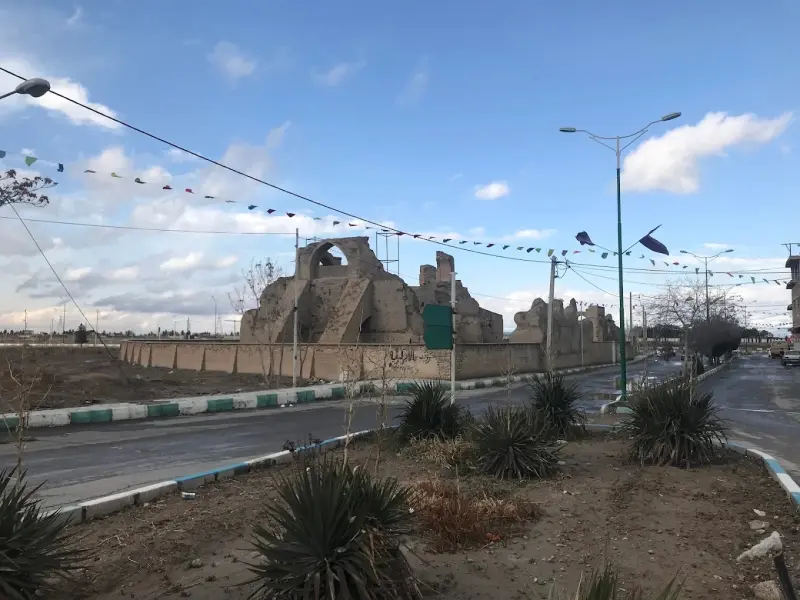
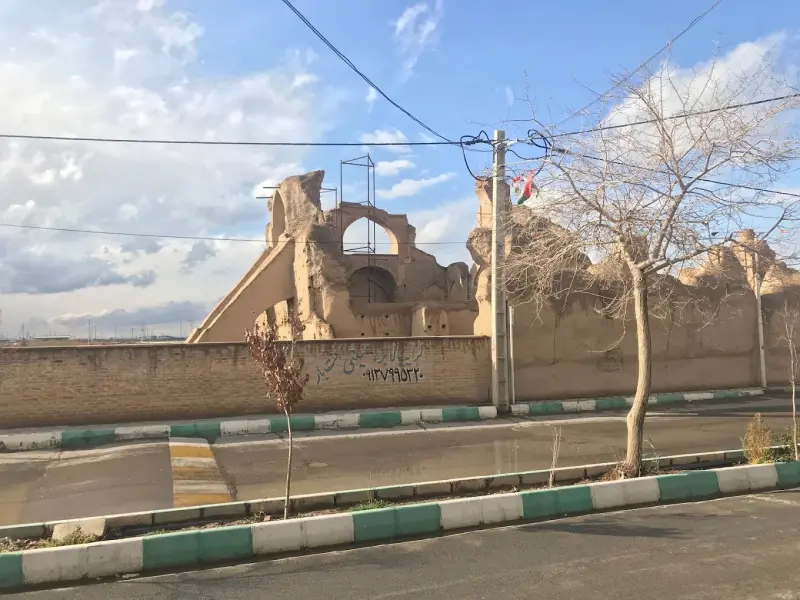
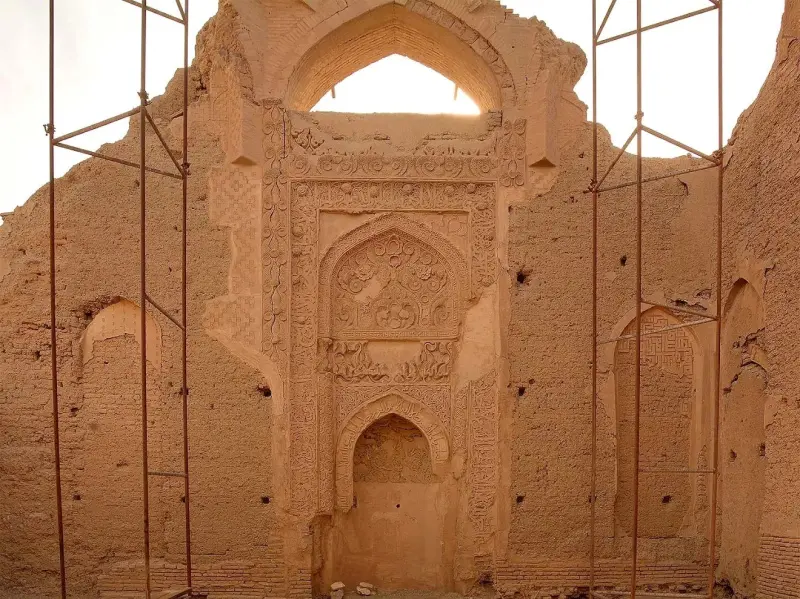
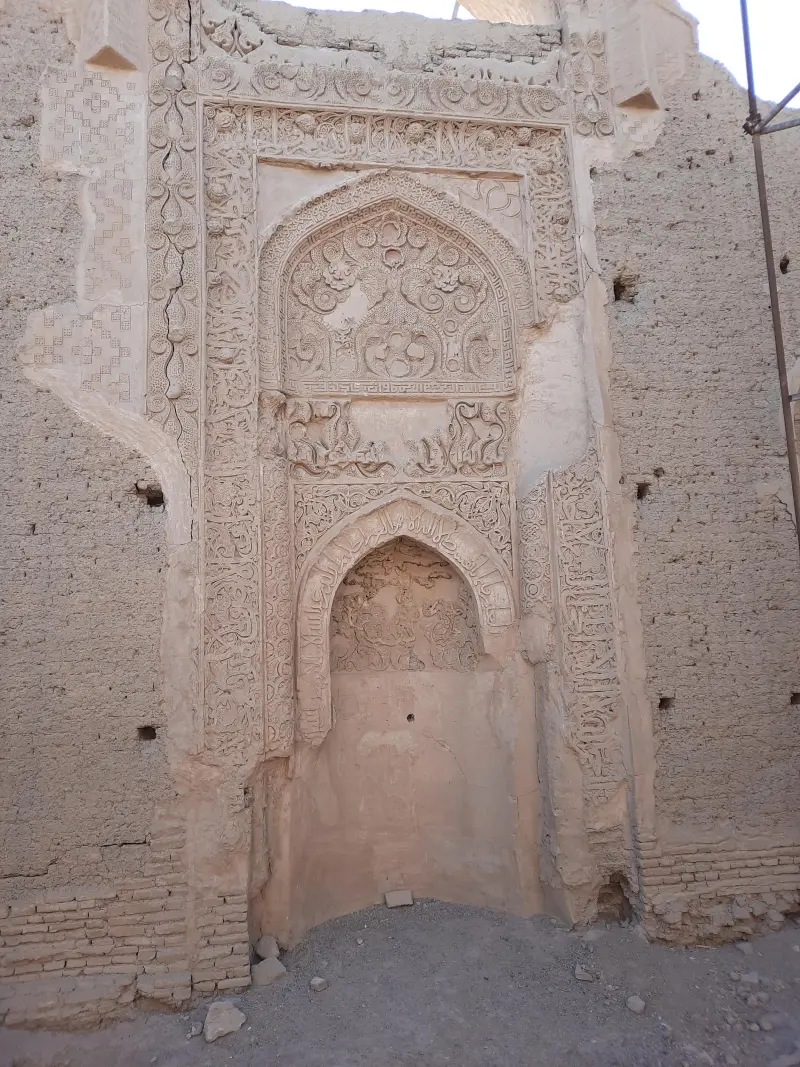
The Haftshuyeh Jame Mosque stands in the village of Haftshuyeh, in the Khorasgan area northeast of Isfahan, and is regarded as one of the most valuable historic buildings of the region. Architecturally, it is a two-iwan building in the classic style of Seljuk mosques, and its original structure dates to the 5th century AH. The main building material is mud brick; the exterior facade uses brick both plainly and decoratively, and the surviving evidence indicates that the foundations were built of stone and lime mortar. The Haftshuyeh Jame Mosque was inscribed on Iran's National Heritage List on 5 Esfand 1341 under registration number 430. Sources differ on when the building was constructed, and some attribute it to the 7th century AH; parts of the building were also altered and rebuilt during the Ilkhanid period.
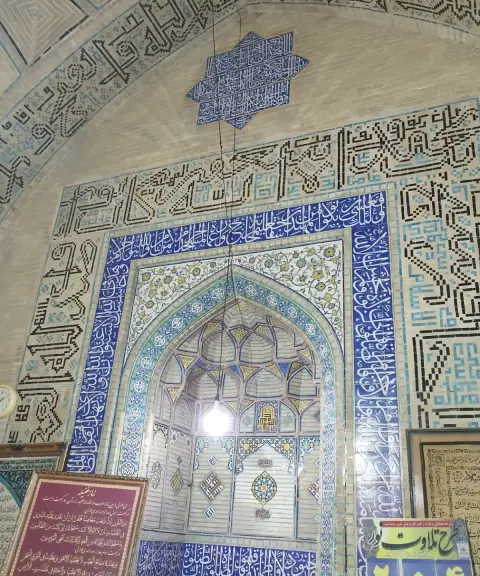
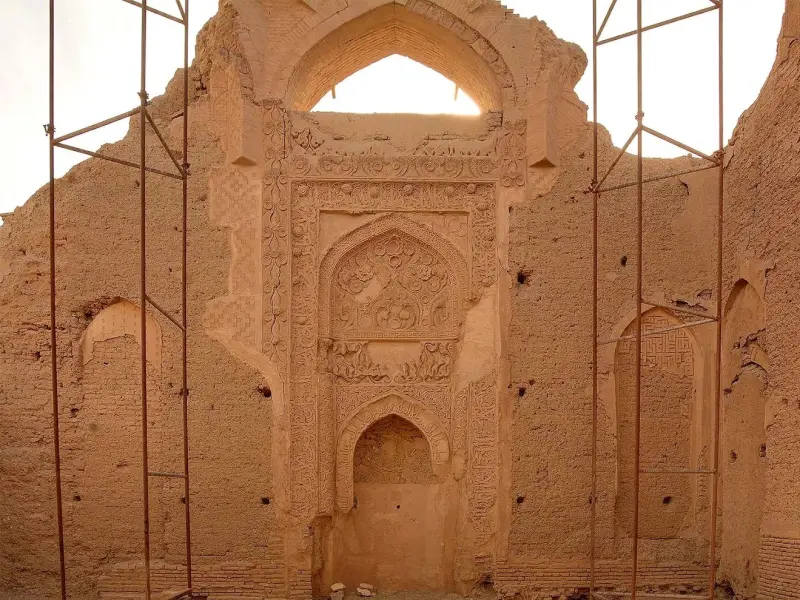
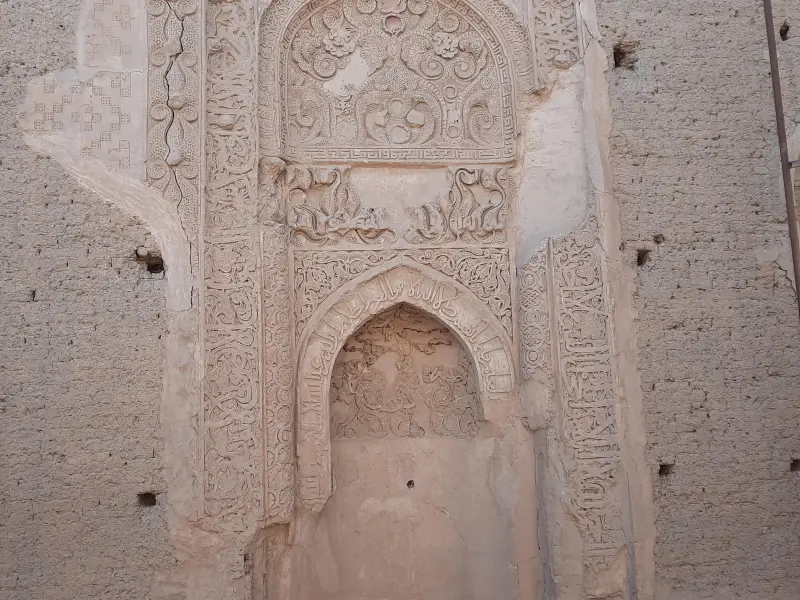
The most important surviving part of the mosque is its exquisite mihrab, which preserves valuable stucco work and has remained in better condition than the other parts of the building. Seljuk-era architecture is clearly recognisable in the north iwan, while most of the stucco decoration is attributed to the Ilkhanid period. In the band surrounding the mihrab, the Ayat al-Kursi is carved in stucco in thuluth script; around its spandrel (esper), the Surah Al-Fatihah is carved in Kufic script, and verses 51 and 52 of Surah Al-Qalam in square (banna'i) Kufic script. The stucco decoration above the mihrab uses an ochre colour, while green and lapis blue are used in the lower section. The main dome and the iwan facing the domed chamber have been lost, and the eastern part of the mosque was destroyed during the construction of a road. Even so, the remains of the western walls, the octagonal base of a minaret, the rectangular pool of the courtyard and the walls of the domed chamber can still be seen. The mihrab stands among the ruins of the domed chamber, and the surviving part reaches a height of about five metres. The overall plan of the mosque is similar to that of the Gar Jame Mosque, and its interior stucco work and mihrab can be compared with buildings such as the Ashtarjan Mosque, the Pir Bakran complex and the Oljeitu Mihrab in the Jameh Mosque of Isfahan.
To visit the Haftshuyeh Jame Mosque, head to the village of Haftshuyeh in northeastern Isfahan and follow the roads leading to the village to reach the site. Given Isfahan's climate, spring and autumn are the best seasons to visit and explore the area. While visiting, it is best not to touch or lean on the surviving structures, damage the stucco work or move any building materials, so that the remains of this historic monument are better preserved. Keeping quiet, respecting the village and not leaving rubbish around the building are also part of responsible tourism in this area.
Written by زهرا لنگری Last updated
What you can do here, and what it takes
کفش پیادهروی به همراه داشته باشید..
Province Isfahan
Province Isfahan
Province Isfahan
Province Isfahan
Province Isfahan
Province Isfahan
Unfortunately, no comments have been registered.