
 Attractions
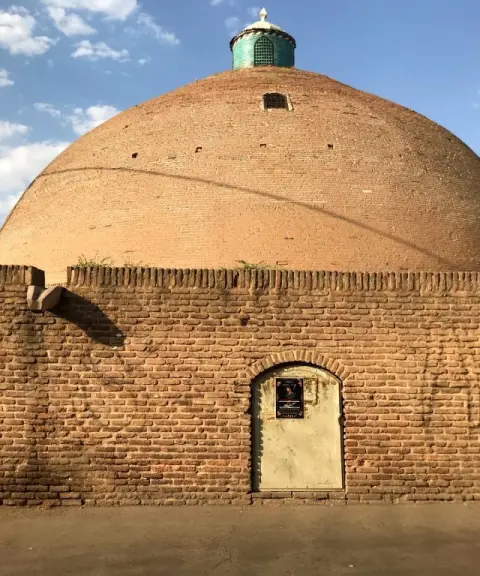
Sardar Bozorg Water Reservoir
Province Qazvin
- Walking
An ancient shrine with examples of Safavid architecture in Qazvin
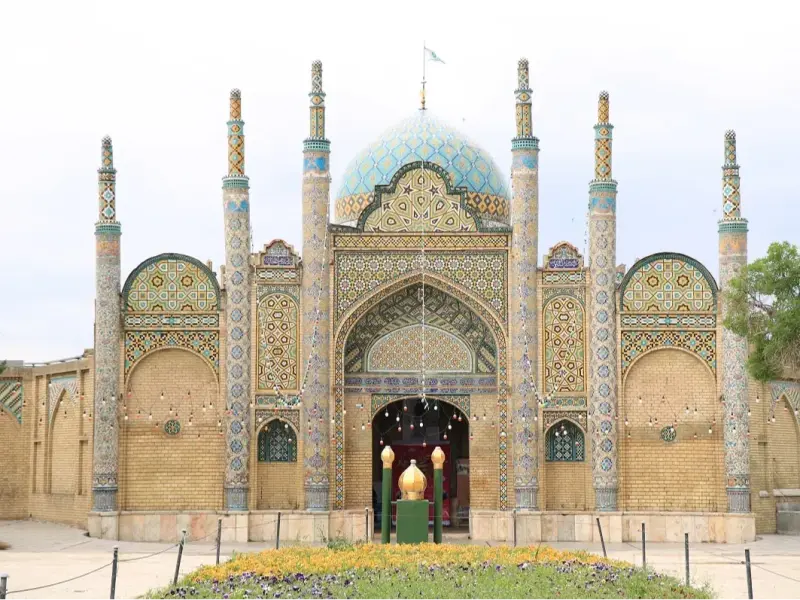
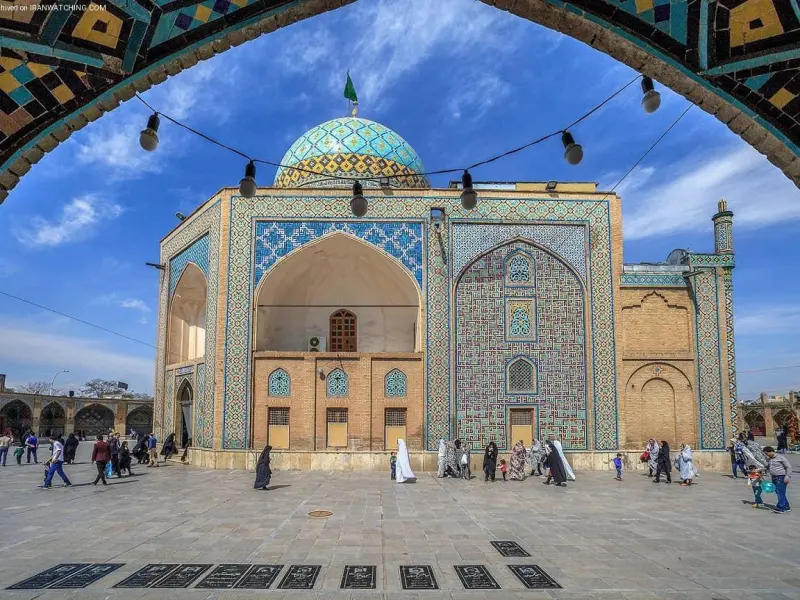
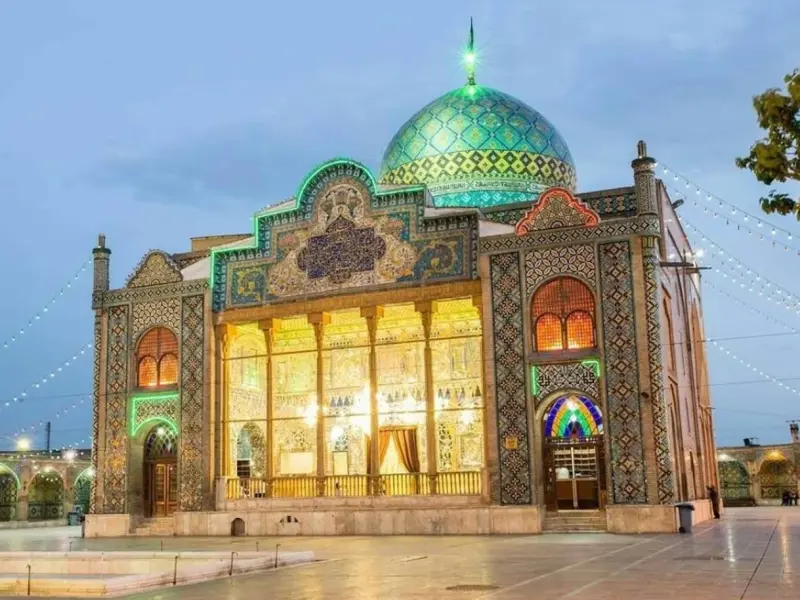
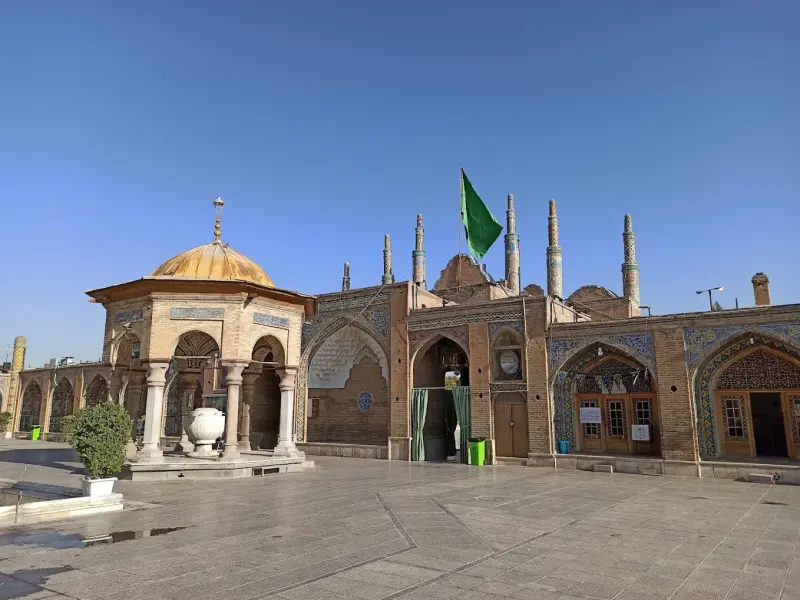
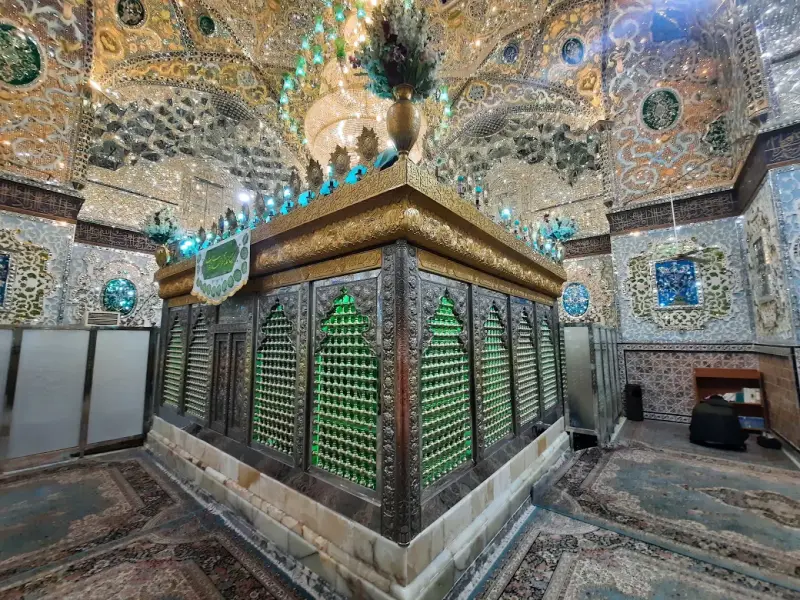
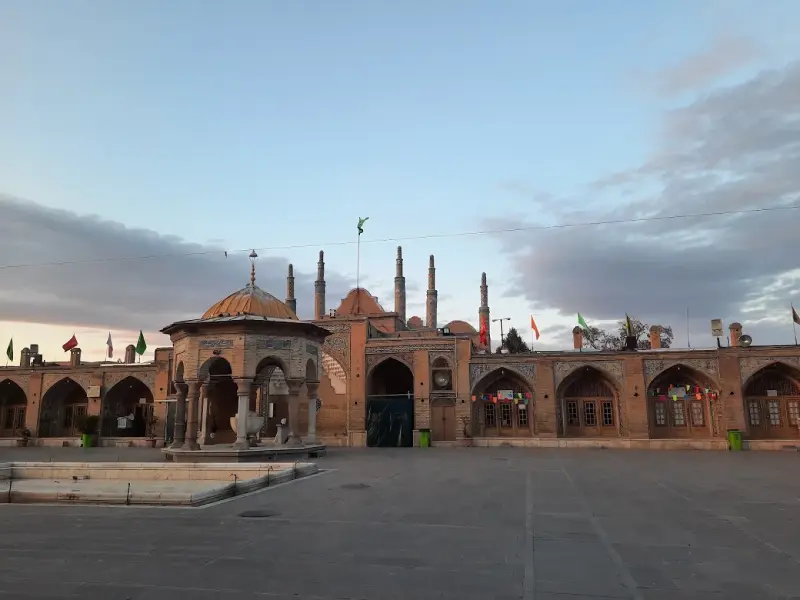
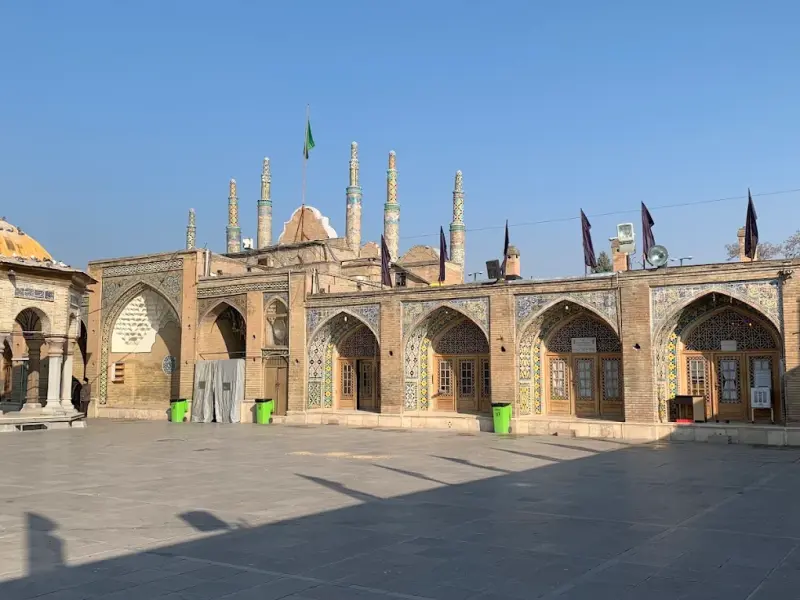
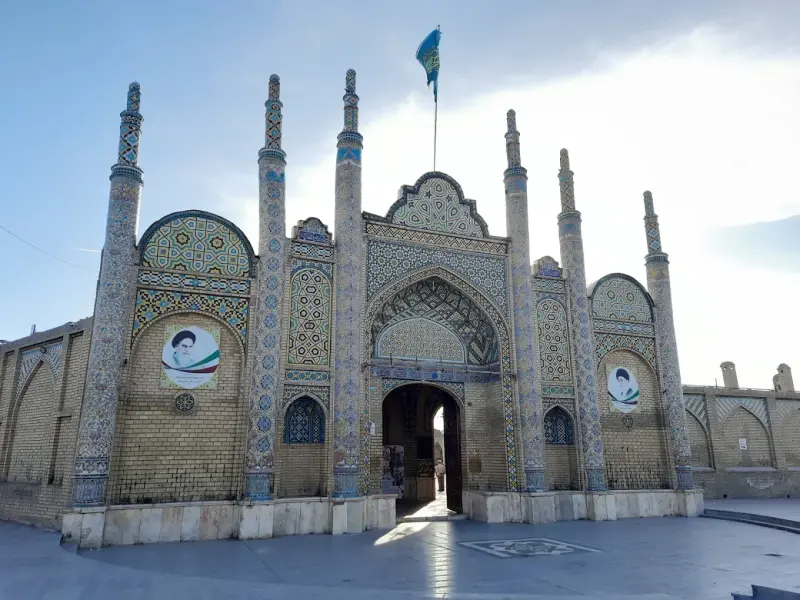
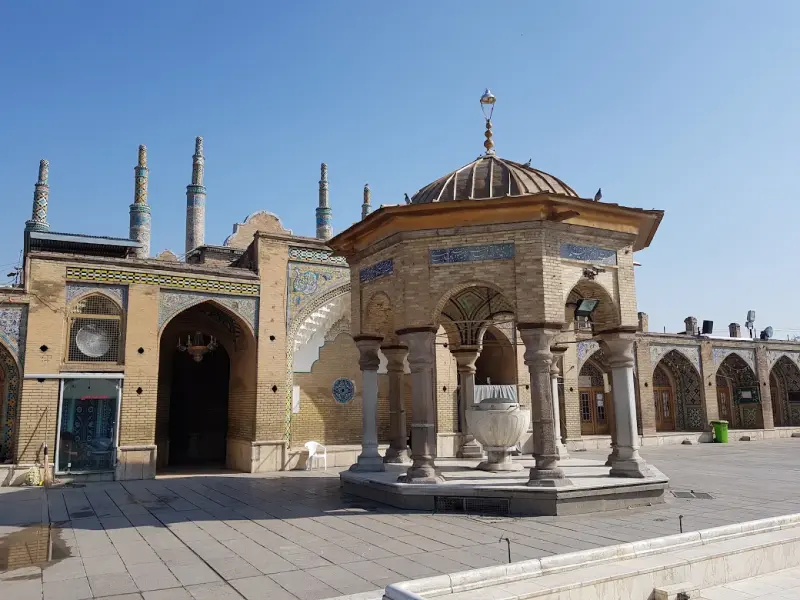
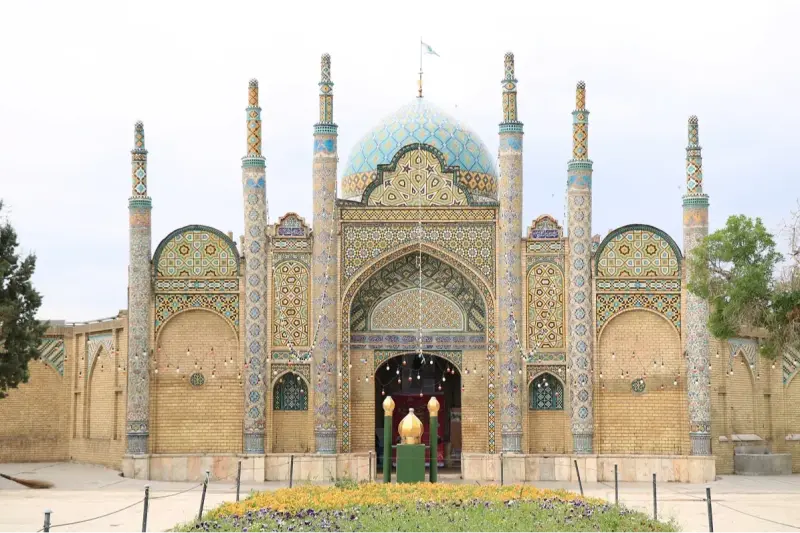
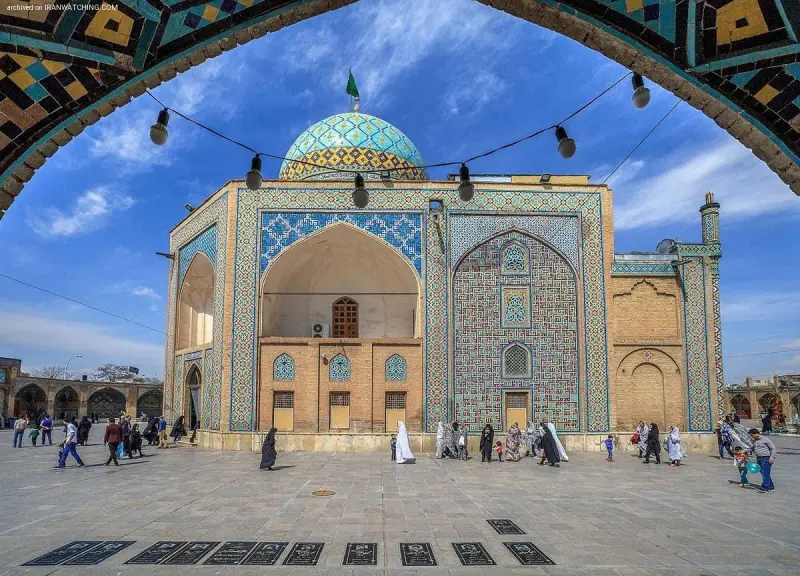
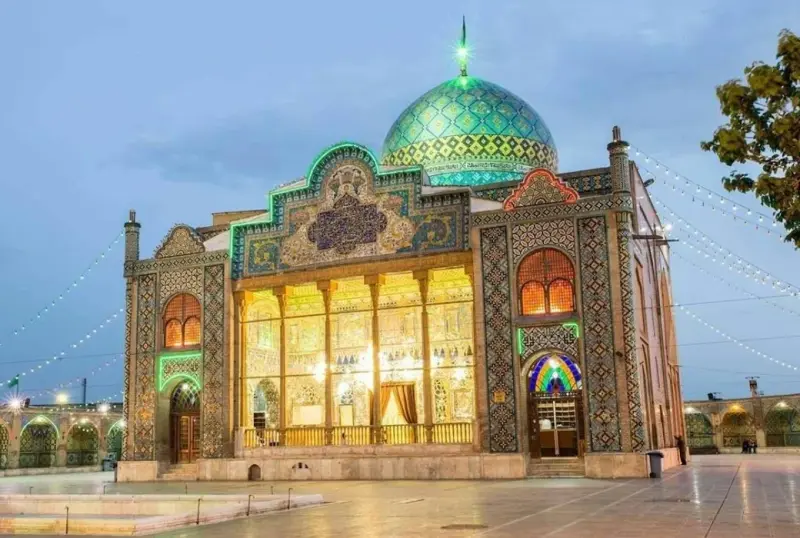
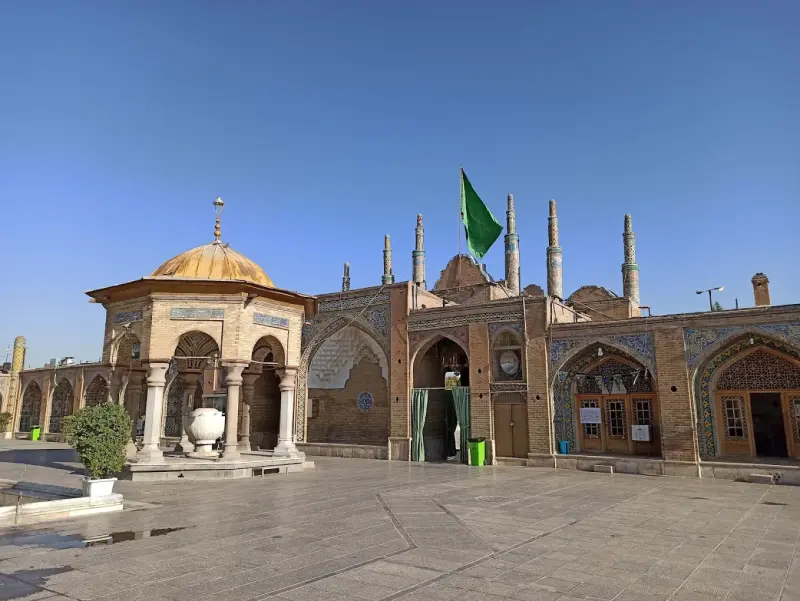
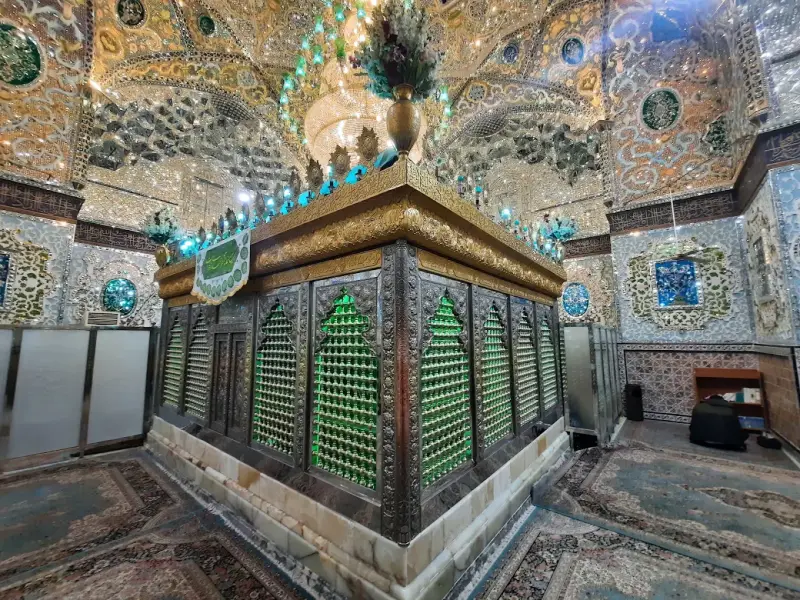
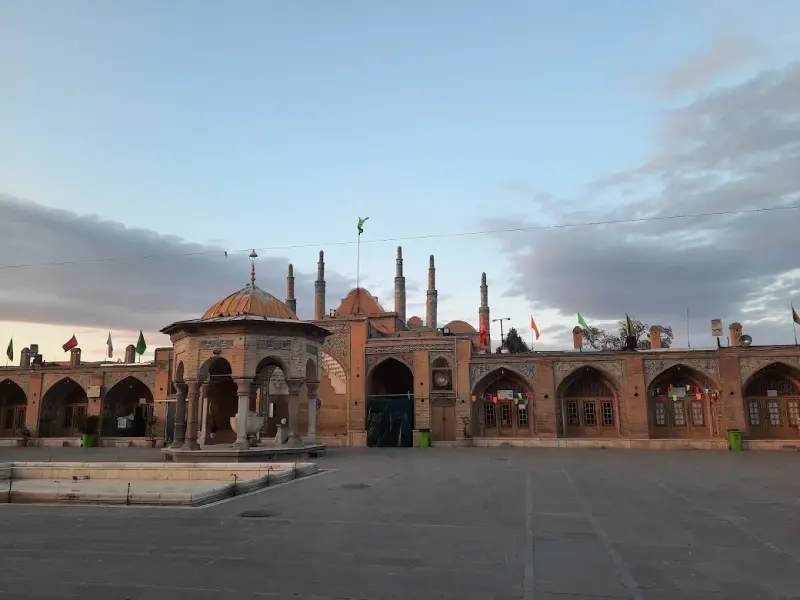
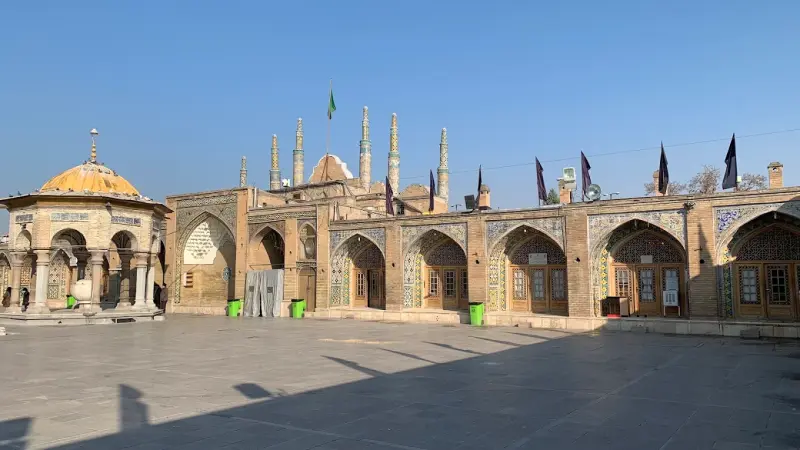
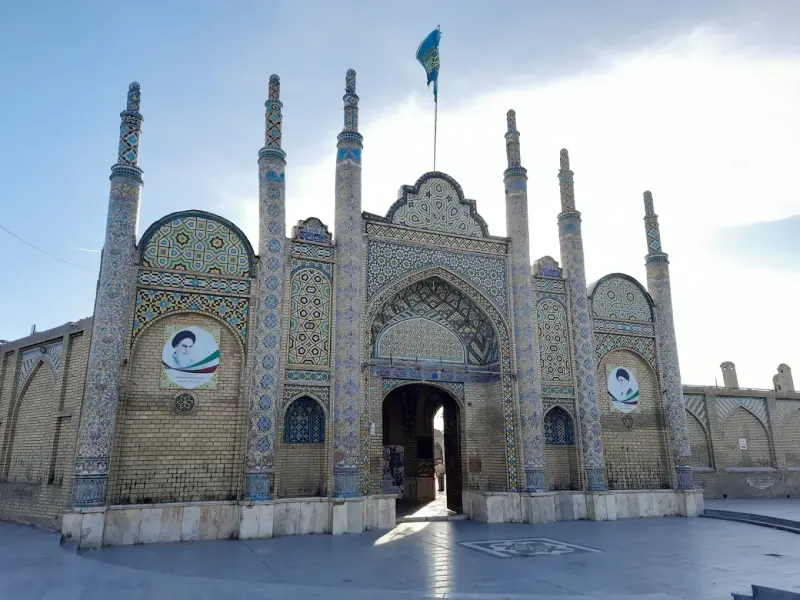
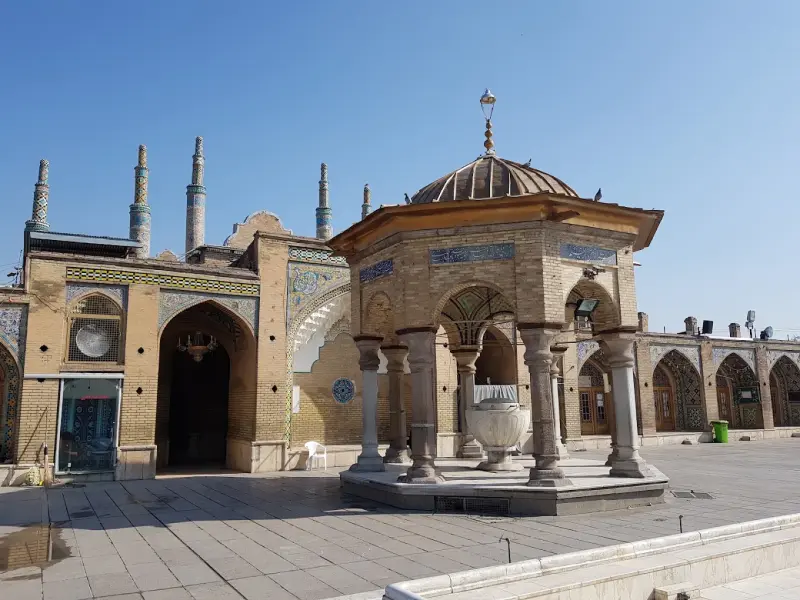
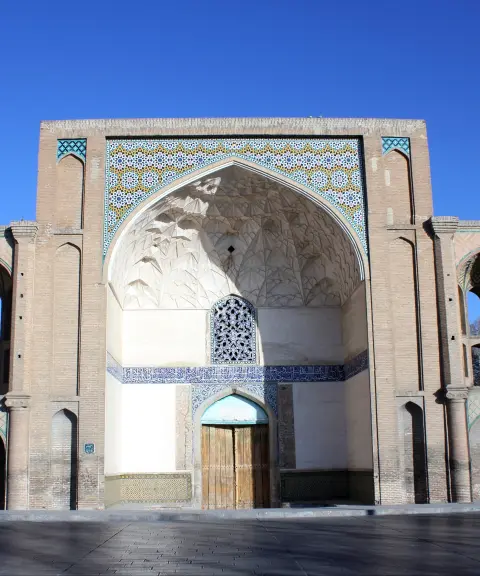
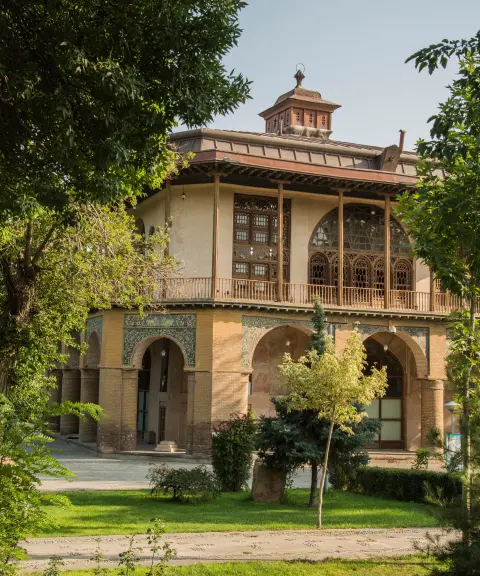
Imamzadeh Shahzadeh Hossein, also known among the people of Qazvin as Shazdeh Hossein, is one of the oldest and best-known shrines in the city of Qazvin, in Qazvin Province. The tomb is attributed to Hossein, the young son of Imam Ali ibn Musa al-Reza (peace be upon him). According to historical accounts, he died in Qazvin at the age of two and was buried in the city's southern cemetery. However, there are differing views and historical accounts about Imam Reza's (AS) presence in Qazvin and about the details of the lineage of the person buried here. Over the centuries the complex has held an important religious and social place among the people of Qazvin, and besides its value as a pilgrimage site, it is regarded as part of the city's historical and cultural heritage. The Imamzadeh was added to Iran's National Heritage list on 20 Bahman 1318 (Solar Hijri) under registration number 339.
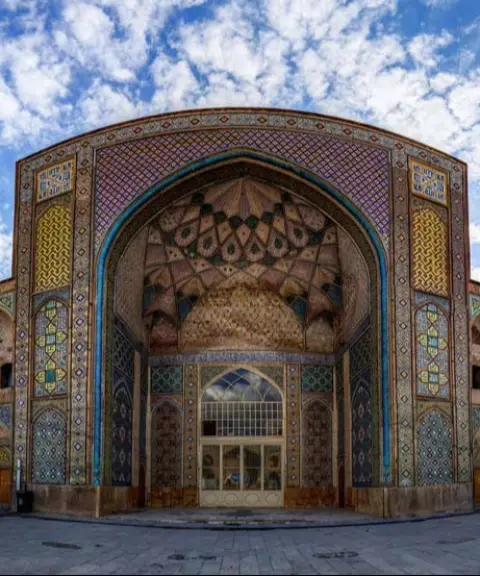
The Imamzadeh Shahzadeh Hossein complex consists of a shrine chamber, a tomb enclosure (zarih), porticoes, a courtyard, a saqqakhaneh (public water shrine), and two entrances, to the north and south. The large courtyard is surrounded by iwans whose colourful tilework and architectural decoration give the space a striking appearance. At the entrance to the shrine chamber you can see muqarnas work and delicate architectural ornament, while the interior of the shrine is decorated with seven-colour square tiles, mirror work, and inscriptions in thuluth calligraphy on a lapis-blue background. Among the complex's valuable works is a carved wooden door from the Safavid period, added to the building in 967 AH (Hijri Lunar). In addition, according to the mosaic-tile inscription in the complex, in 1040 AH (Hijri Lunar), on the orders of Zeynab Begum, daughter of the Safavid Shah Tahmasp, parts of the tomb were rebuilt and a fine wooden chest was installed over the grave. The site also underwent changes in the Qajar period, and in recent years parts of it have been restored and renovated. The tomb of Shah Ismail II, the third Safavid king, is also among the historical burials associated with this complex.
To visit Imamzadeh Shahzadeh Hossein, you can reach the complex via Bab al-Jannah Street and the Dabbaghan neighbourhood in the city of Qazvin. The shrine stands at the end of Salamgah Street, and since it is within the city, it can be reached by public transport or private car. The complex can be visited on most days of the year, but spring and autumn, thanks to Qazvin's pleasant weather, are good times to explore the city's historic quarter and nearby attractions. When visiting this religious and historical site, it is important to dress modestly and observe pilgrimage etiquette, keep the spiritual atmosphere peaceful, avoid damaging the decorations and historical features, and show respect to pilgrims and religious ceremonies.
Written by زهرا لنگری Last updated
What you can do here, and what it takes
کفش پیادهروی به همراه داشته باشید..
Province Qazvin
Province Qazvin
Province Qazvin
Province Qazvin
Province Qazvin
Unfortunately, no comments have been registered.