
 Caves
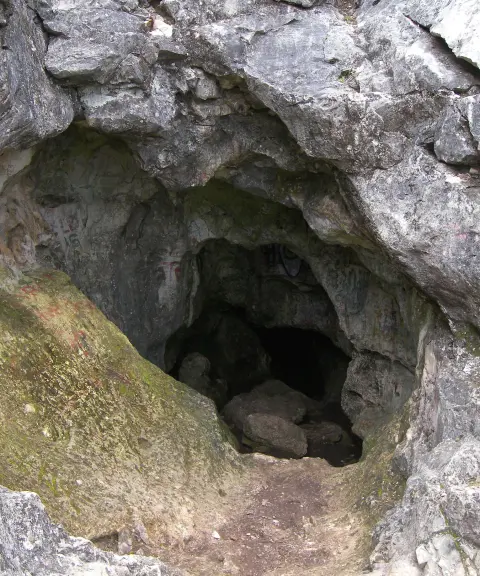
Khunik Cave
Province South Khorasan
- Caving
- Walking
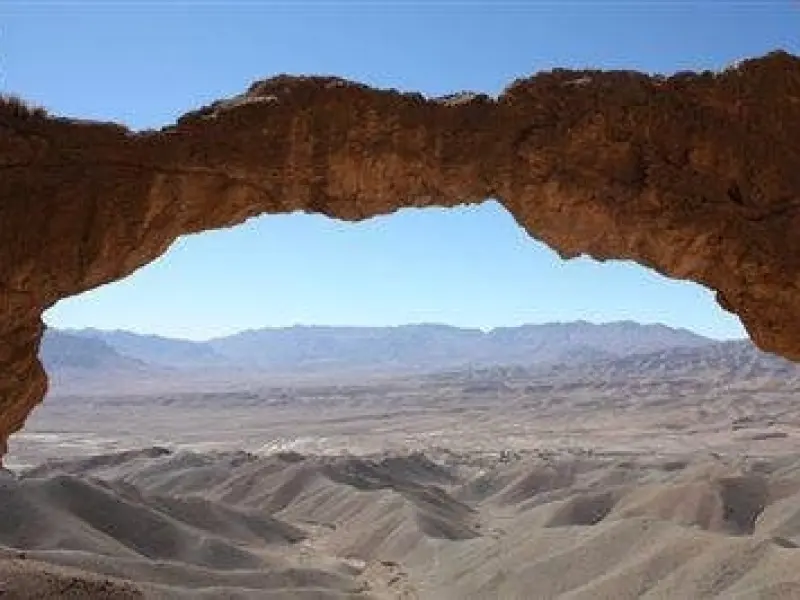
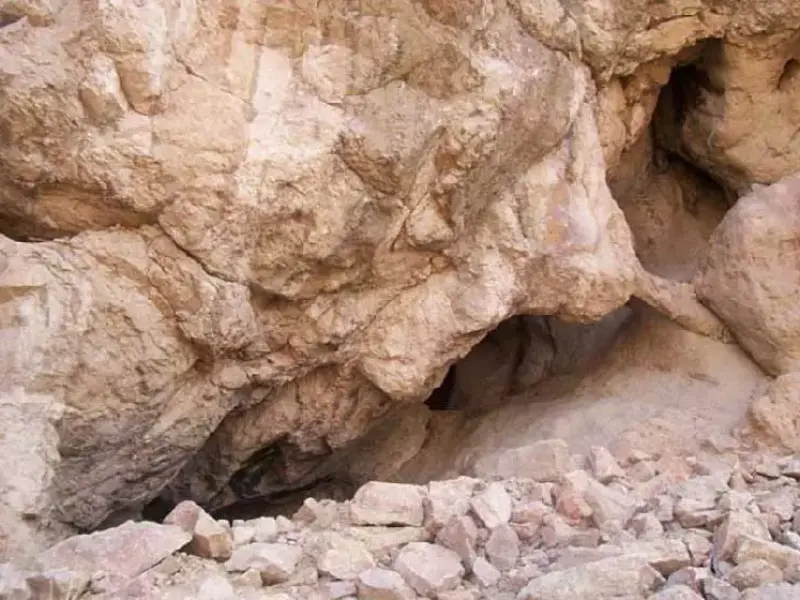
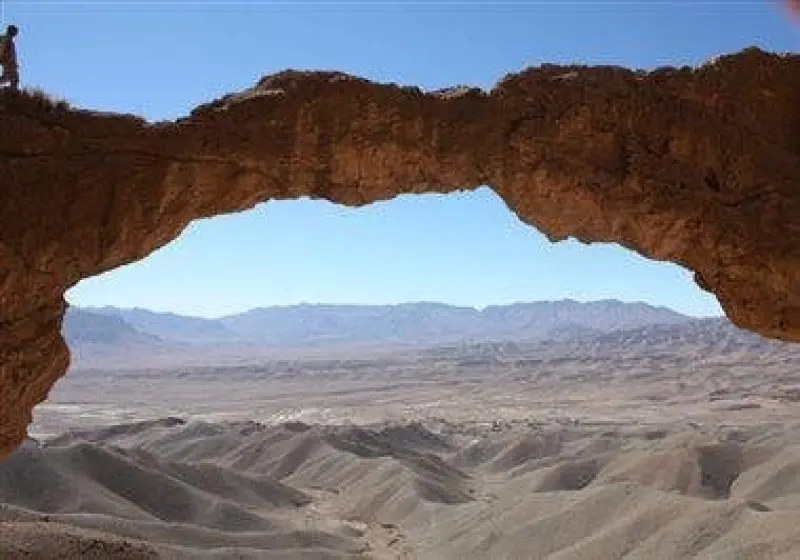
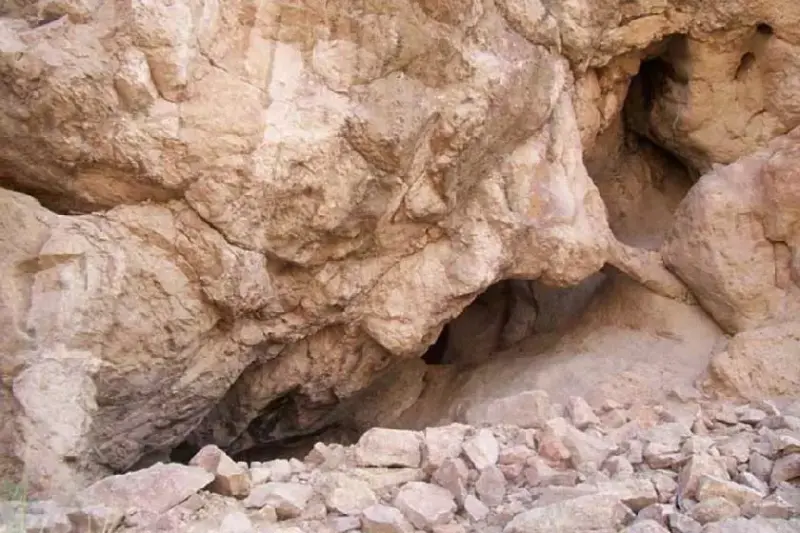
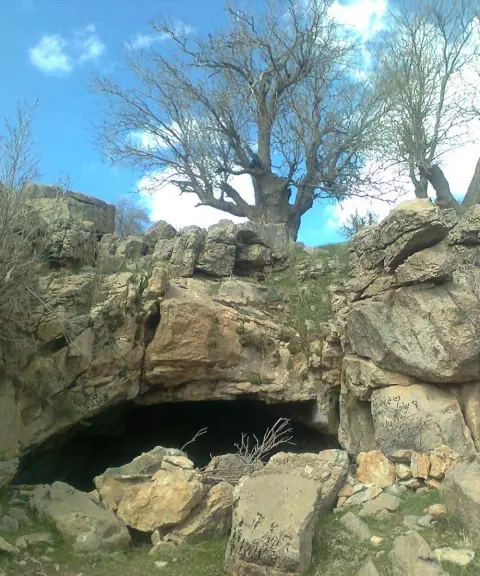
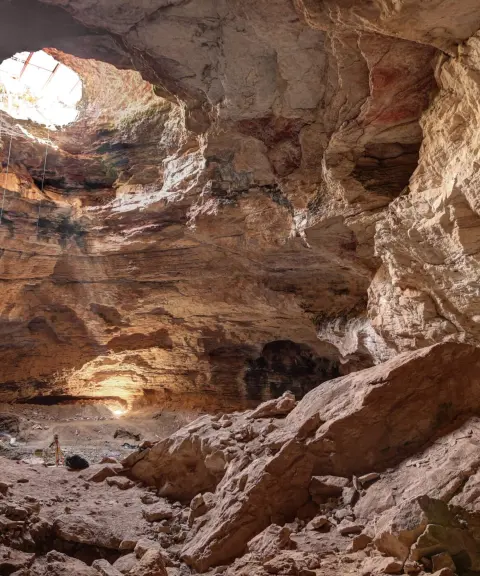
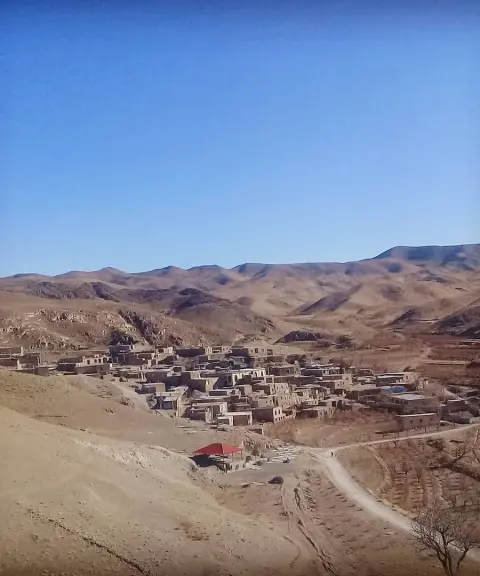
Laki Espiyur Cave, also known as Laki Aspur Cave, is a relic of the Paleolithic era. The cave is one of the tourist attractions of Qaenat County and lies in the historic village of Khunik-e Godar, also known as Godar-e Khunik, which is registered on Iran's National Heritage list. The finds uncovered in the cave show that people lived here up to the Islamic era. Judging by the tools discovered, the inhabitants of this shelter made their living by hunting. The cave has an entrance about two metres wide and an interior about 1.5 metres long and three metres wide.
The cave was studied in 1958 by the American professor Carleton S. Coon. From the remains of prehistoric human skeletons and the pottery he found, he concluded that the cave is one of the important Paleolithic sites, and that Neanderthals lived in it 30,000 years ago. A part of the cave probably collapsed in an earthquake, killing and injuring its inhabitants. The excavation of the cave was very meticulous. The tools recovered showed that the people who lived in this shelter were engaged in hunting. Its walls are made of Taurus stone, which gives the interior a special beauty.
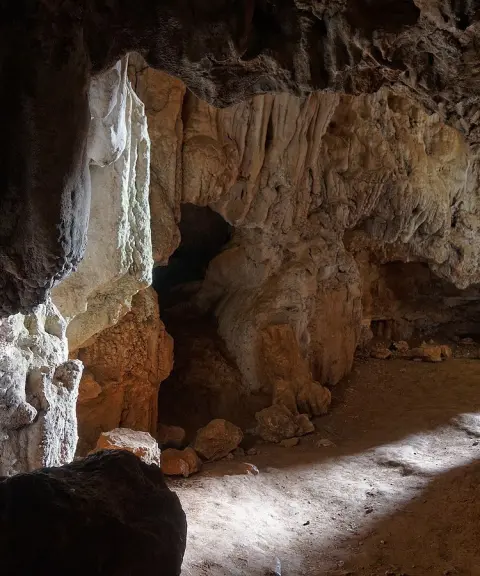
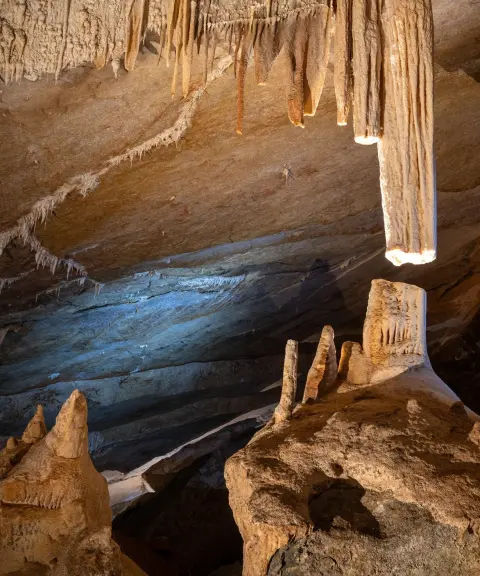
The interior of the cave slopes steeply from the very start of the entrance. In some places the gradient reaches 70 percent, so that advancing without a rope is dangerous. The entrance extends along a ridge, and for the first 40 metres the ceiling is decorated with beautiful muqarnas-like formations. At first glance they look man-made, but they are entirely natural, with no human intervention. Traces of habitation are scattered as far as 125 metres into the cave. An interesting basin seen at the start of the cave is an example of the architecture of the cave dwellers. It was built with stone, mortar and sarooj (a traditional waterproof mortar) to collect rainwater, snow and the cave's seepage. Some of the historical remains found in the cave, such as pottery, indicate that it dates back to the Sassanid era. The cave was also one of the important strongholds of the Ismailis in their time. To prevent cultural tampering, preserve its natural beauty and protect its petroglyphs, it should be guarded and protected as one of Iran's ancient caves.
Written by زهرا لنگری Last updated
What you can do here, and what it takes
لوازم مخصوص غارنوردی به همراه داشته باشید.
Province South Khorasan
Province South Khorasan
Province South Khorasan
Province South Khorasan
Province South Khorasan
Province South Khorasan

Unfortunately, no comments have been registered.