
 Caves
Khunik Cave
An ancient shelter in the heart of the Qaenat desert
- Caves
- South Khorasan, Qaen
- Altitude 1,813 m
- Ability level Beginner
Ability level:
Beginner
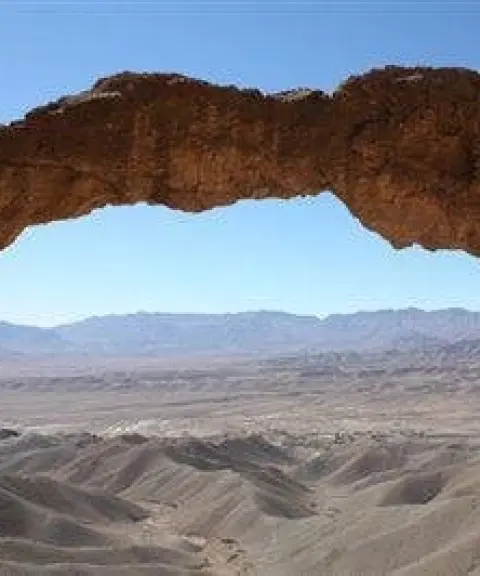
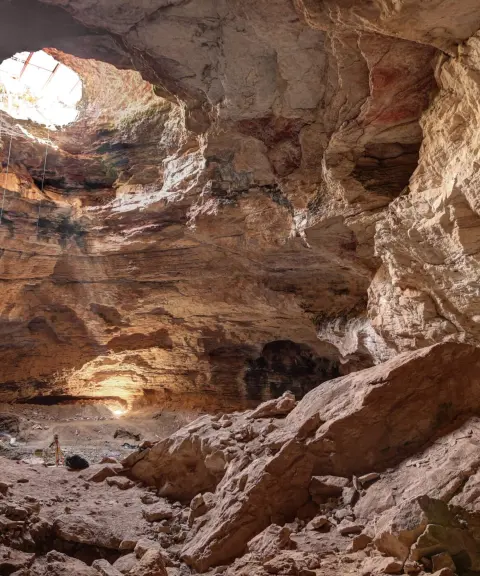
Khunik Cave is a well-known natural cave in Qaenat County, South Khorasan Province, about 20–25 kilometres south of the city of Qaen and northeast of Khunik village. The cave lies close to the mountainous and desert terrain of the region, and thanks to its position beside the surrounding heights and valleys, it is considered one of the typical natural caves of southeastern Iran. It is also one of the region's important prehistoric sites, with traces of human habitation identified from the Middle Paleolithic through to the Islamic era. The stone tools recovered from the cave belong to the Mousterian period and are about 30,000 years old, closely resembling the tools known from this period on the Iranian Plateau. Many of these finds came to light when the cave's inner layers collapsed during an earthquake, which in itself confirms the age and archaeological importance of the site.
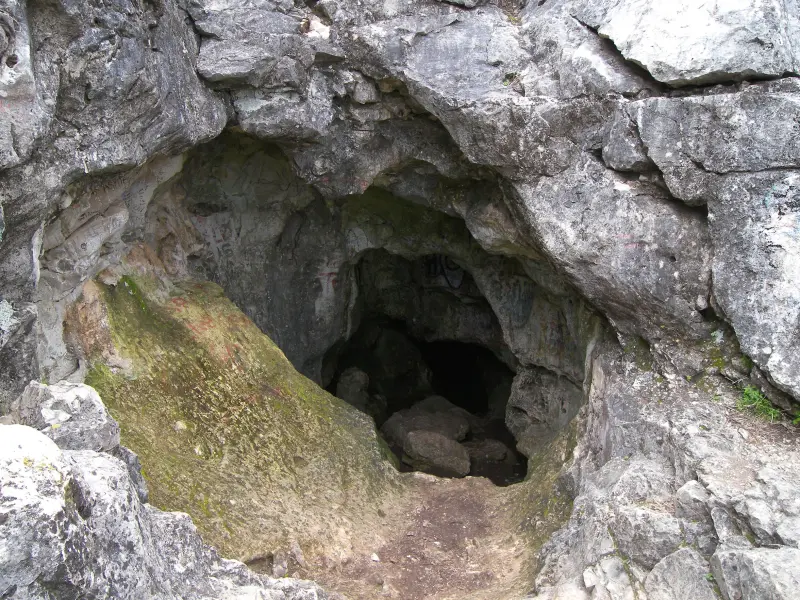
The vegetation around the cave is generally dry and desert-like, with drought-resistant plants growing in the surrounding low-lying areas. Because of the desert climate, low rainfall and high summer temperatures are the main characteristics of the area. Khunik Cave has an entrance about 2 metres wide, and its interior measures roughly 1.5 metres in length and 3 metres in width. Some sources state that the cave entrance is about 80 metres above the valley floor. The cave walls are made of Taurus limestone, which gives the interior a distinctive, natural look. The first archaeological test trenches in the cave led to the discovery of various knapped stone blades made by Middle Paleolithic humans, whose form and technique fully match the Mousterian culture.
The cave can be reached from the city of Qaen by heading towards Khunik village. After reaching the village, you take a short stretch of side road and then walk for a few minutes along a steep, rocky path to arrive at the cave entrance. In the local dialect, the cave is known as "Oshkaft-e Khunik"; the word "khunik" means cool air, and refers to the constant flow of cold air from the cave mouth. According to local belief, the cave was once a shelter for early humans, and even on the hot days of the year it stays cool inside. This quality has led local people to regard it as an ancient, mysterious place connected with the lives of their ancestors. The best time to visit the cave is spring and autumn, when the weather is milder and conditions are easier for walking and exploring. When visiting, it is important to follow the principles of responsible nature tourism, such as respecting the natural environment, picking up your litter and not damaging the structure of the cave.
Written by زهرا لنگری Last updated
Activities
What you can do here, and what it takes
-
Caving
تجهیزات لازم غارنوردی به همراه داشته باشید.
-
Walking
مسیرهای کوهستانی و خاکی پیرامون دهانه غار برای پیادهروی سبک و کاوش طبیعی مناسباند.
Specifications
Introduction of the location and specifications of Khunik Cave
Location:
South Khorasan, Qaen
Coordinates:
33.56650495, 59.17391673
Open in maps
Height above mean sea:
1813 meter
Floras:
Deserts and Dry Shrublands
Faunas:
Presence of Allergenic Insects
Transports:
Private car, Only with technical climbing equipment, Minibus, Bus
Tourist Attractions in Qaen
Attractions that are nearby
Div Varzaq Cave
Province South Khorasan
- Walking
- Caving
- Mountaineering
A natural and historical attraction in the heart of South Khorasan
Malek Cave
Province South Khorasan
- Walking
- Caving
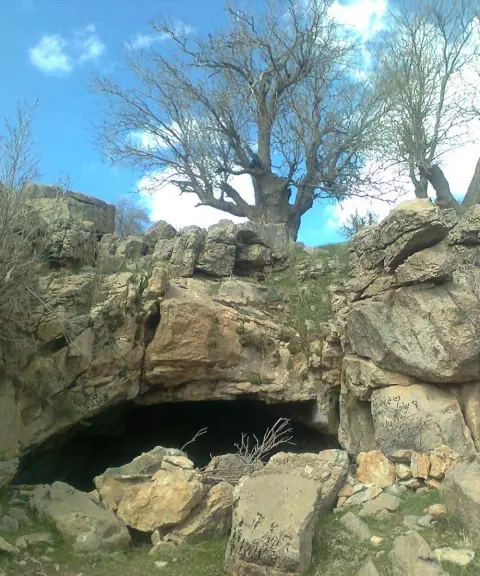
A natural attraction in the ancient lands of Qaenat
Tajarg Cave
Province South Khorasan
- Walking
- Caving
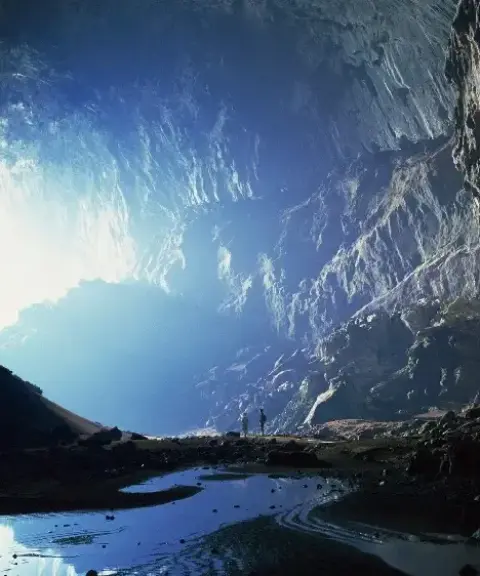
A tranquil rock cleft in the heart of the arid mountains of Qaen
Jujeh Cave
Province South Khorasan
- Walking
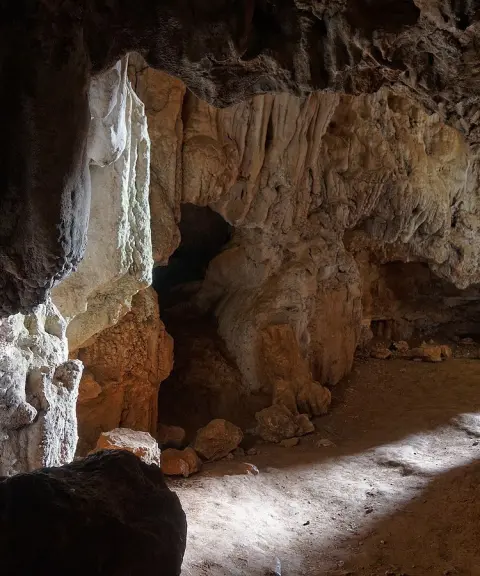
The hidden secret of the rocky cliffs of Khorasan's desert land
Bozmoredeh Cave
Province South Khorasan
- Walking
- Caving
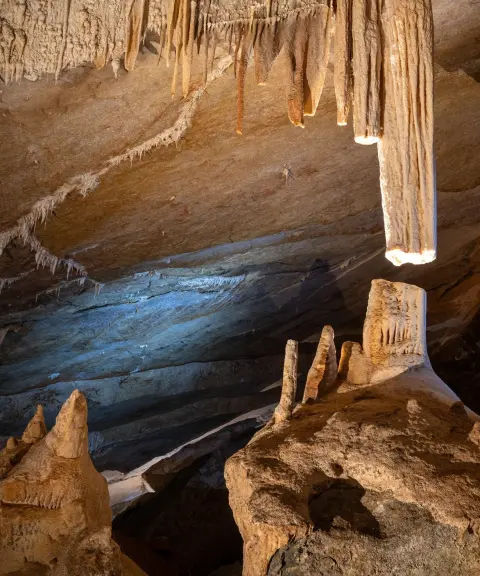
A historical and natural treasure in the mountains of Qaenat

Related tags:
Unfortunately, no comments have been registered.