
 Forest
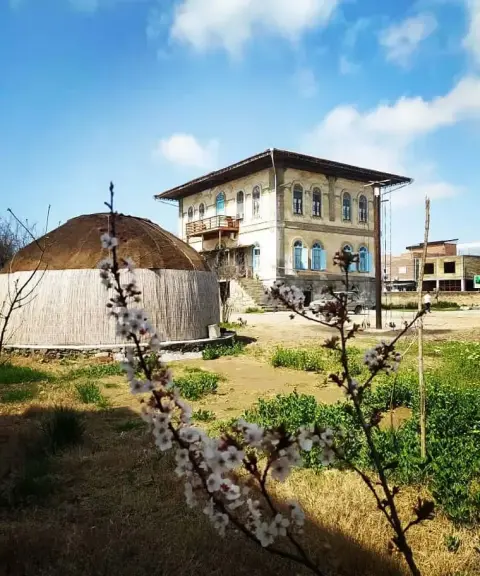

Gomishan Tappeh (Gomishan Tepe)
Province Golestan
- Walking
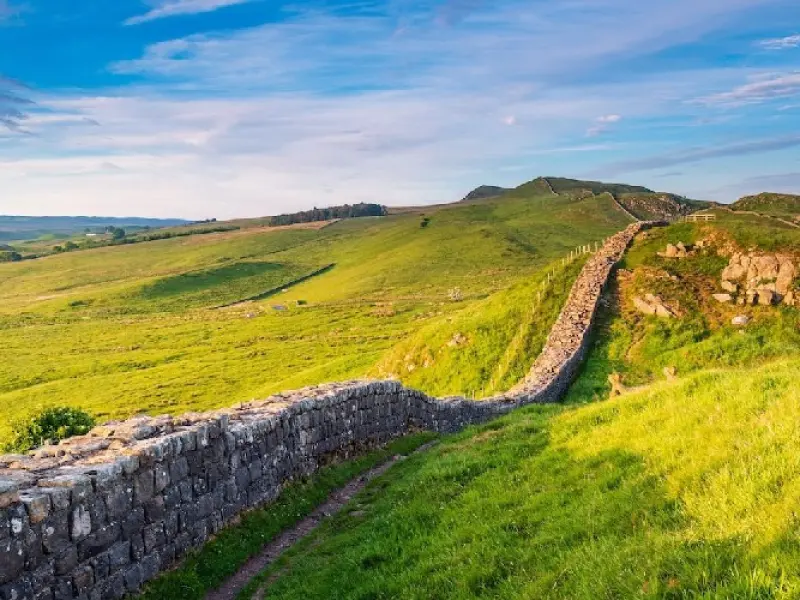
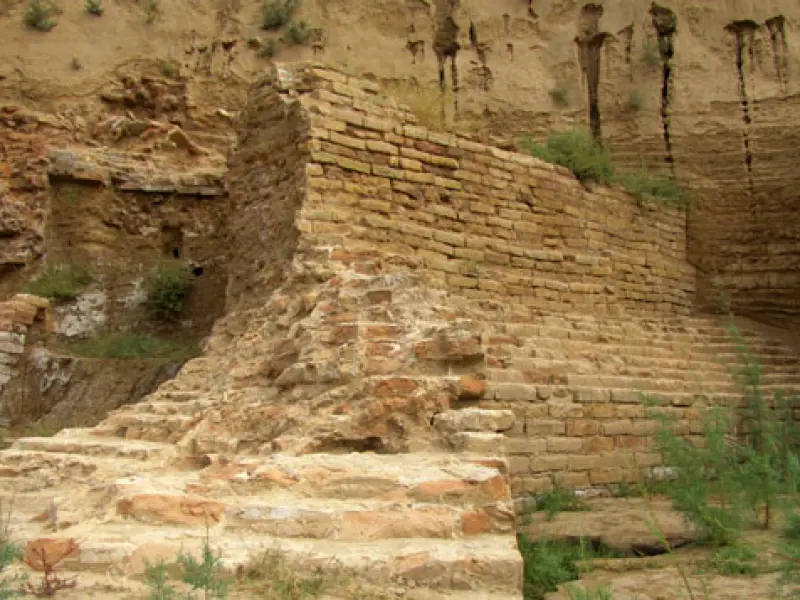
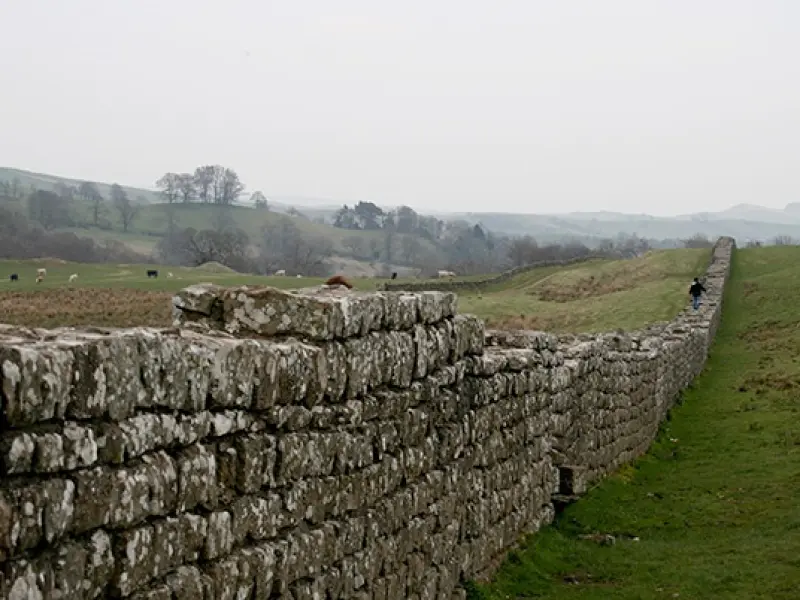
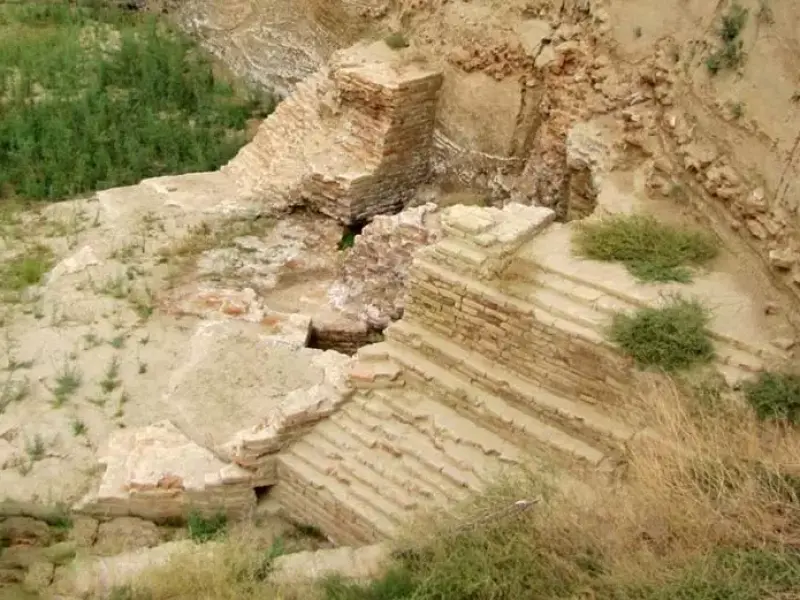
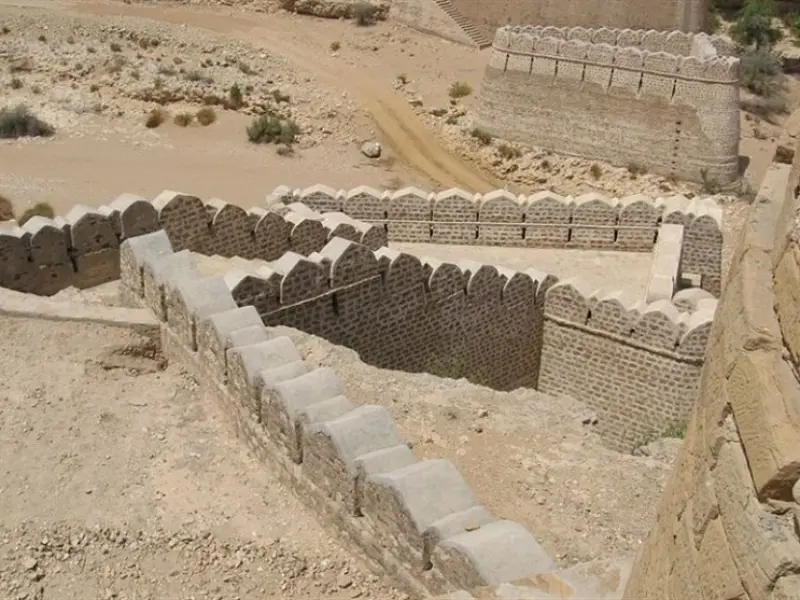
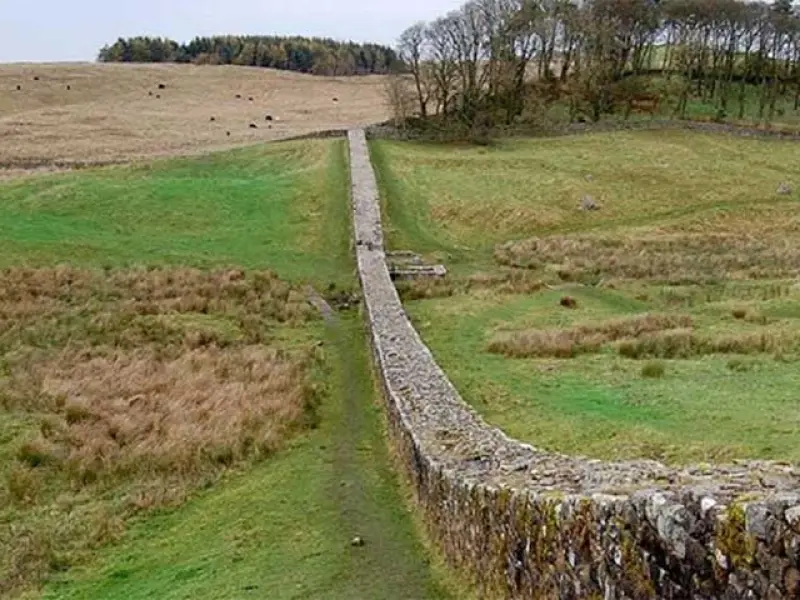
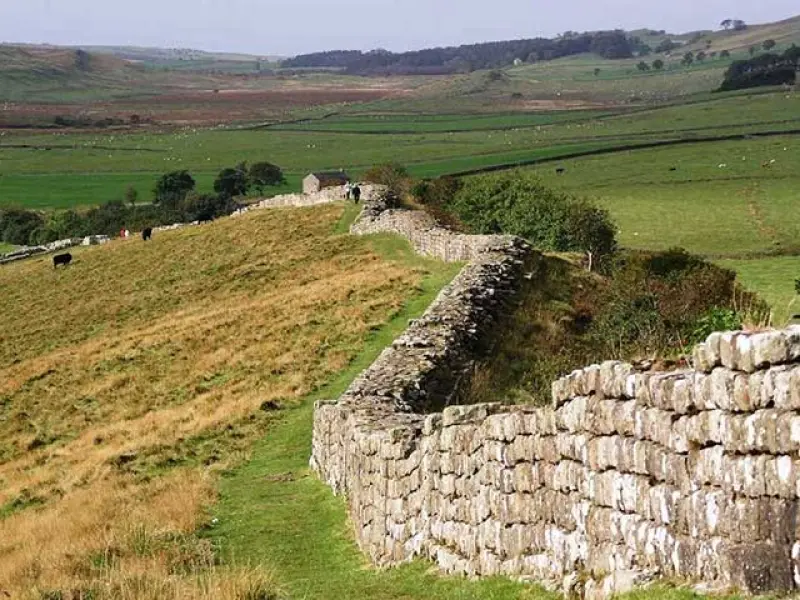
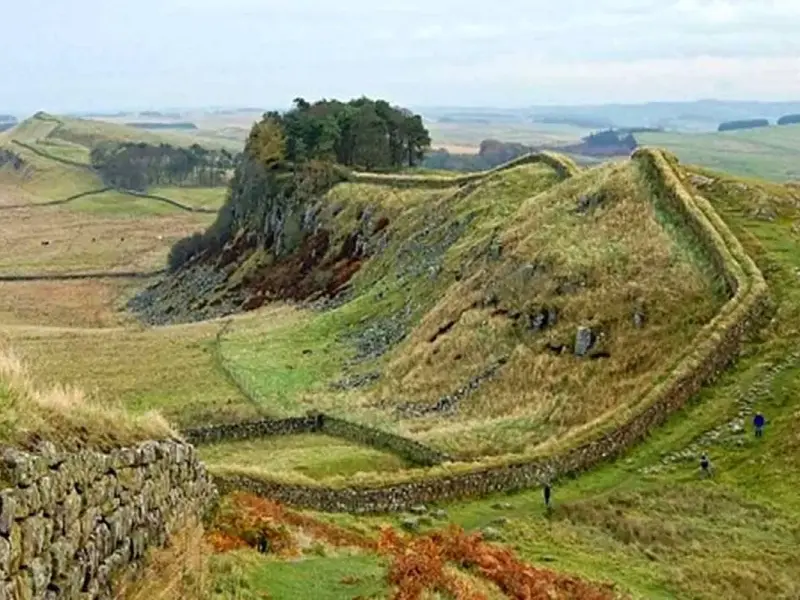
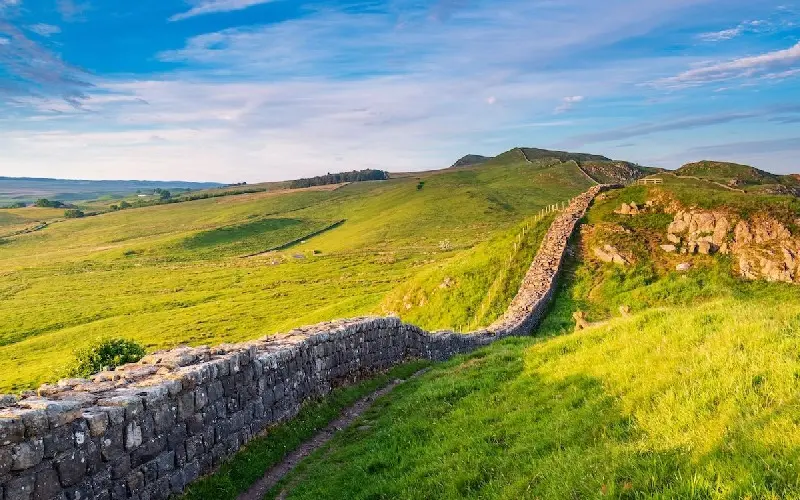
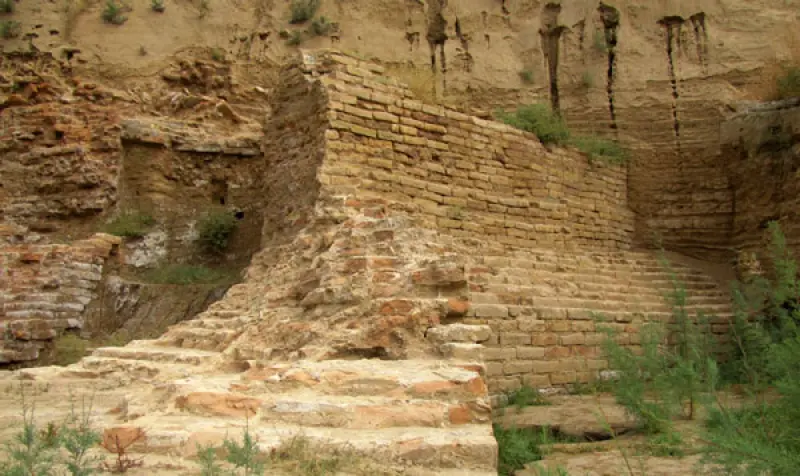
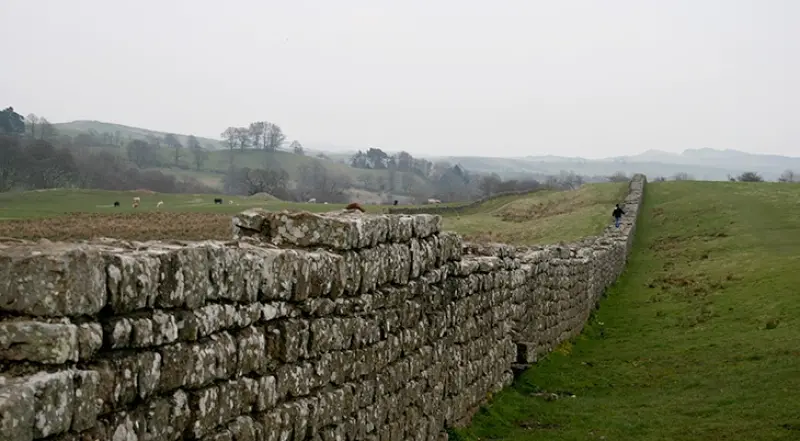
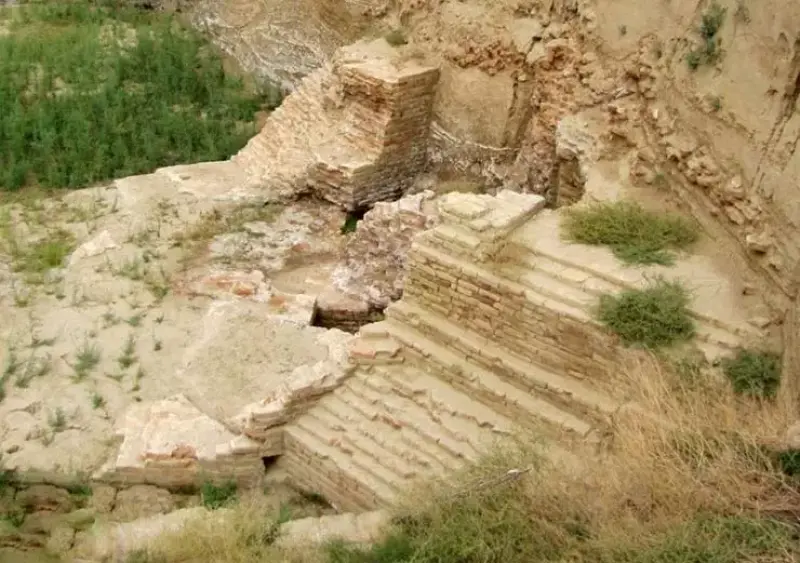
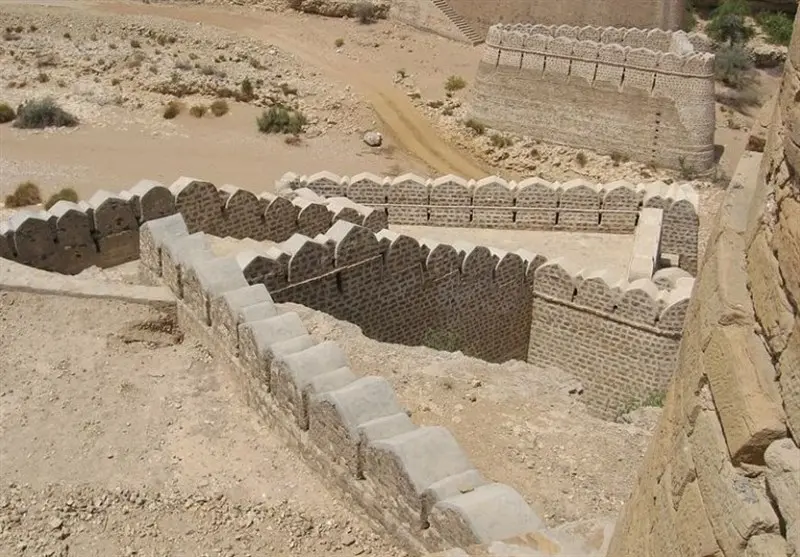
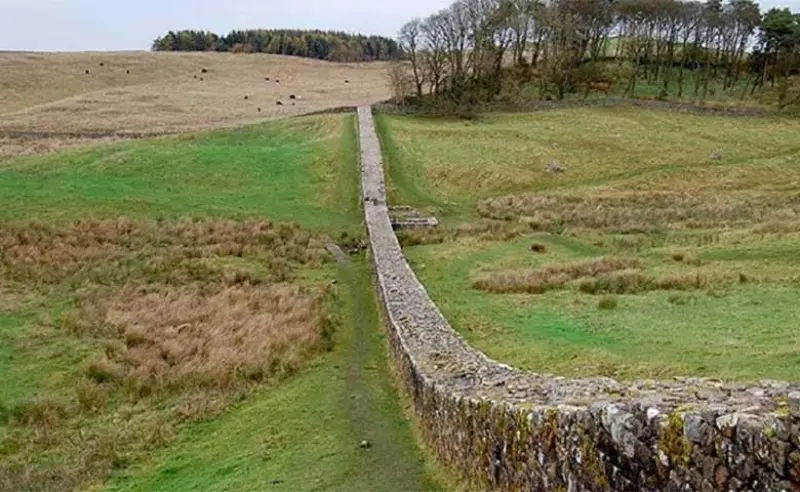
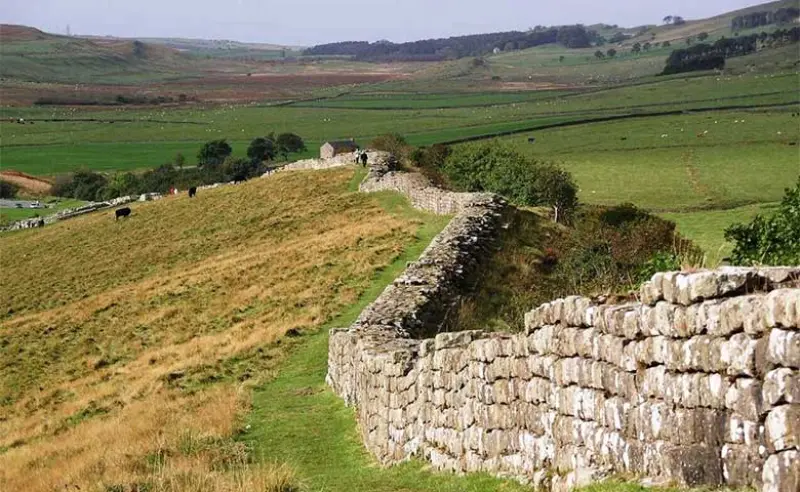
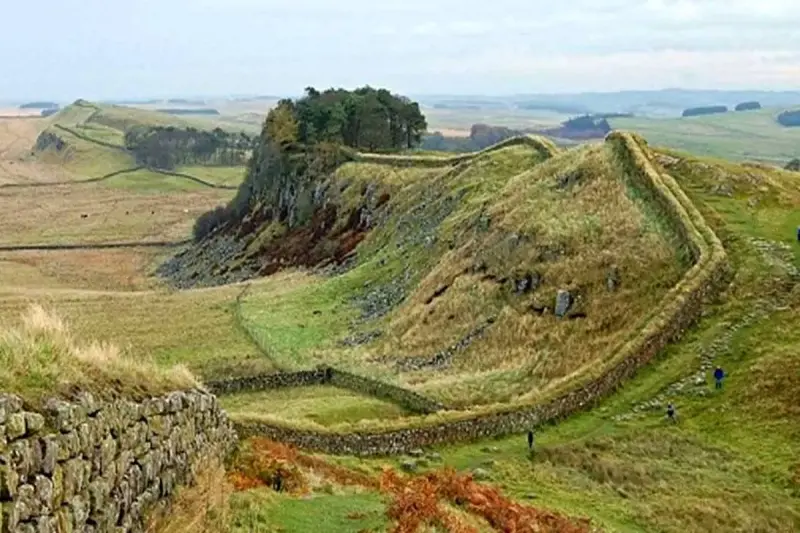
The Great Wall of Gorgan, one of the tourist attractions of Golestan Province, begins on the eastern shore of the Caspian Sea in the Gomishan area and extends to the Qelidagh Mountains northeast of Kalaleh. The historic wall of Gorgan, which historical sources also call the Red Wall, is known by other names as well, such as Alexander's Barrier, Firuz's Barrier, Anushirvan's Barrier and Qizil Alan (Red Snake), and along its course there are 36 forts and three watchtowers with square and rectangular plans. The wall is known as the "Red Snake" because red bricks were used to build its central core and middle sections. At 200 kilometres long, the Great Wall of Gorgan is the longest architectural work of ancient Iran after the Great Wall of China, and it is regarded as the second-largest wall in the world. It is one of the world's famous defensive structures and is considered a masterpiece of Iranian ingenuity, which is why it is listed among Iran's National Heritage sites.
For archaeologists, it is difficult to determine when the Gorgan defensive wall dates from, because the names of the Medes, Achaemenids, Parthians and Sasanians all appear in experts' writings. Even so, the wall can tentatively be dated to between 429 and 615 CE. Most historians believe that the Sasanian king Anushirvan built the wall, but Gardizi (an Iranian historian), in his book Zayn al-Akhbar, attributes the start of construction to Yazdegerd I and its completion to Anushirvan. Some other historical books attribute the repair of the wall to Mazyar, the ruler of Tabaristan. Many experts also believe that the Gorgan wall and the Great Wall of China were built at the same time, to counter attacks from the north by nomadic tribes known as the Hephthalites.
Because the Great Wall of Gorgan passes through several different regions, its vegetation is also varied. In areas close to the Caspian Sea, the vegetation consists of coastal and wetland plants. In more inland areas it includes grasslands, scrubland and shrubs. In the mountainous areas it consists of forest trees and shrubs. At present, the best places to see the Great Wall of Gorgan are the Pishkamar area northeast of Kalaleh, the area north of Gonbad-e Kavus on the way to Kalaleh and Maraveh Tappeh, and the village of Tamar Qareh Qozi. The visitable section of the wall lies in an area that looks different in each of the four seasons; however, given the region's climate, early autumn and early spring can be considered the best times to visit the Gorgan wall. The heat and humidity of summer, as well as the harsh weather of winter, may be somewhat unpleasant.
Written by ستایش عرب Last updated
What you can do here, and what it takes
از کفش کوهنوردی استفاده کنید.
مسیرهای کوهنوردی متعددی در این منطقه وجود دارد.
Province Golestan
Province Golestan
Province Golestan
Province Golestan


Unfortunately, no comments have been registered.