
 Attractions
- Ability level Beginner
Ability level:
Beginner
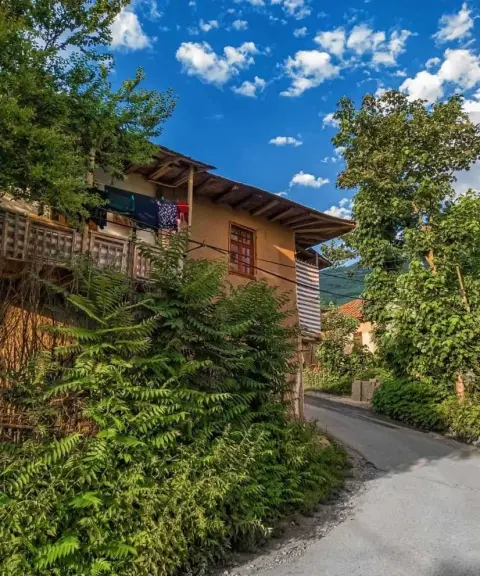
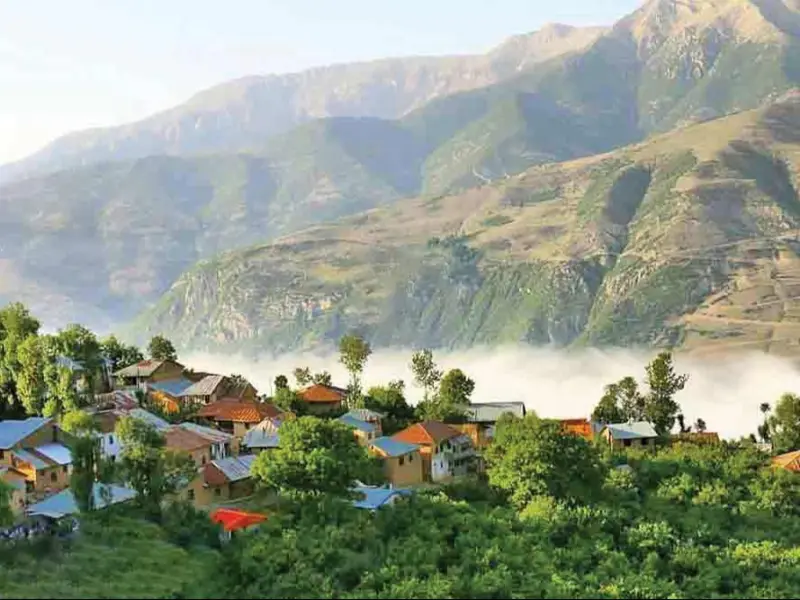
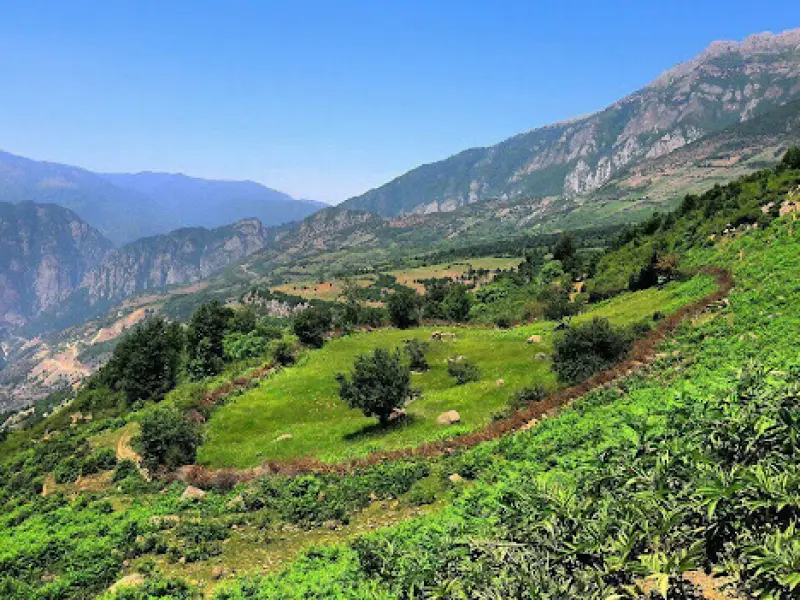
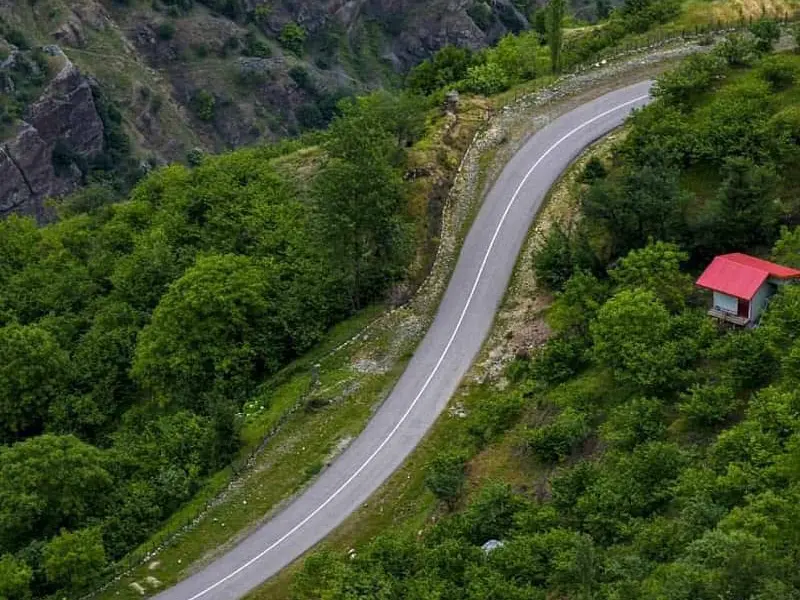
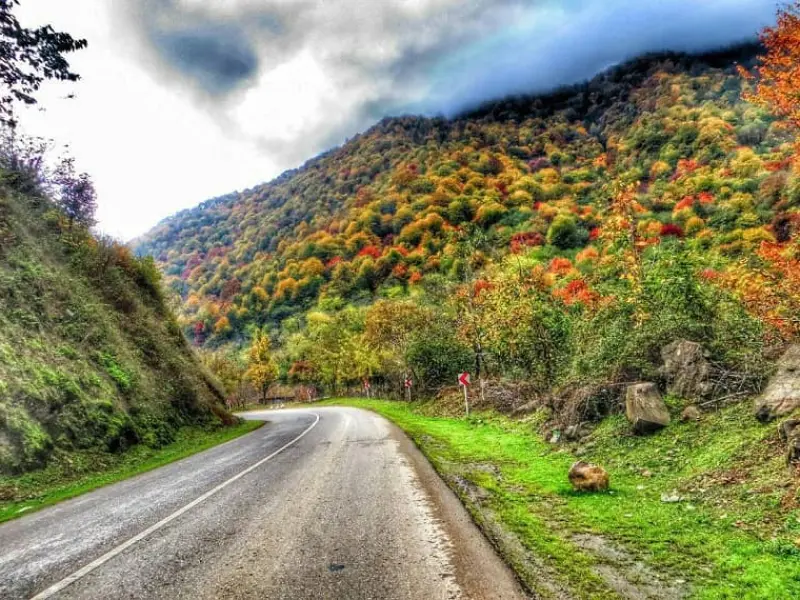
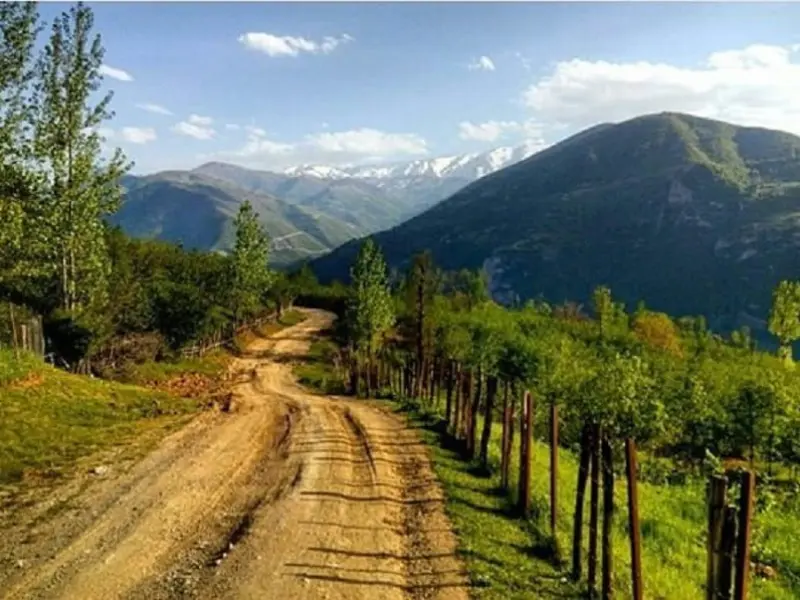
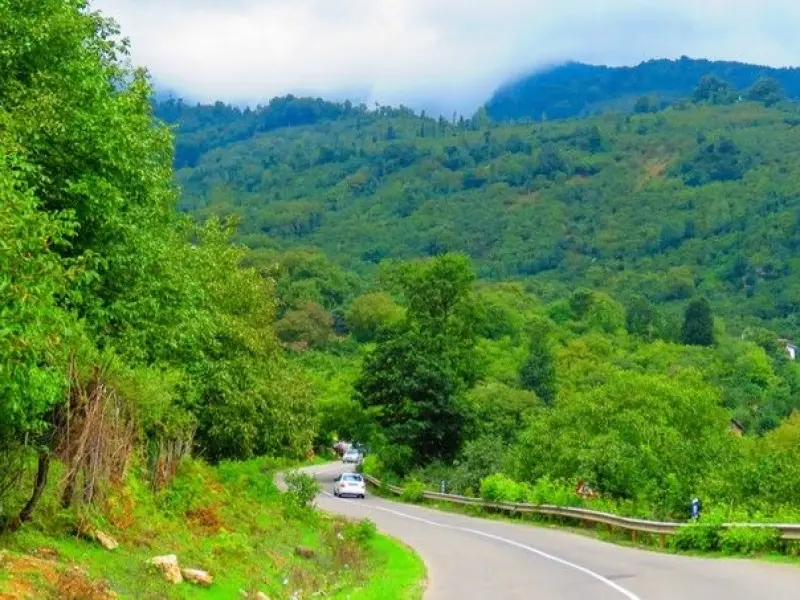
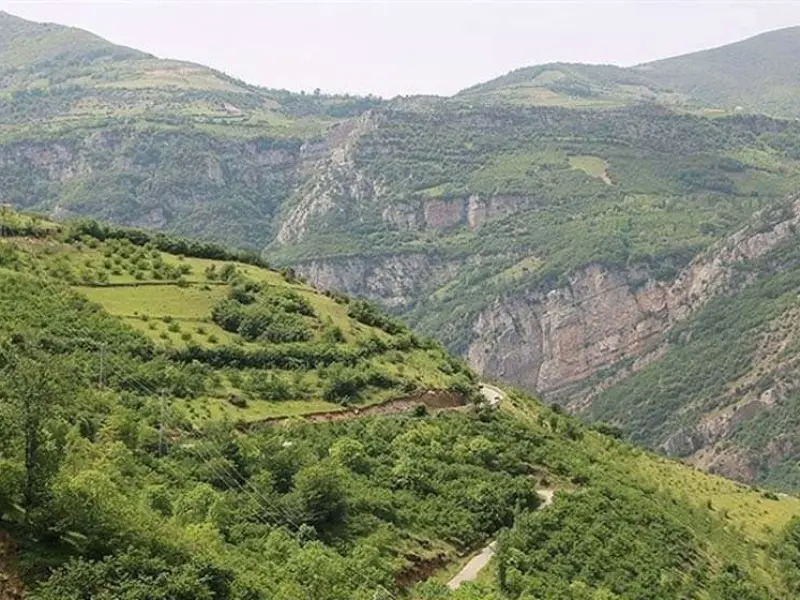
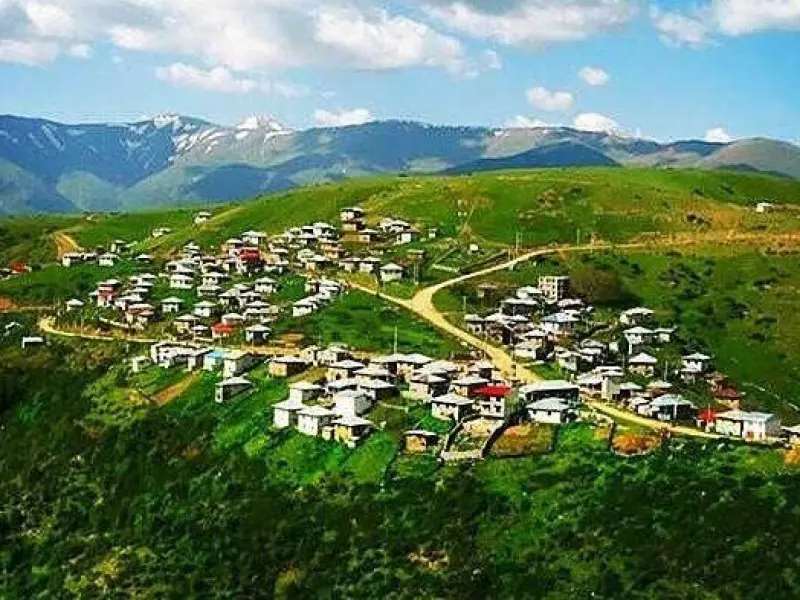
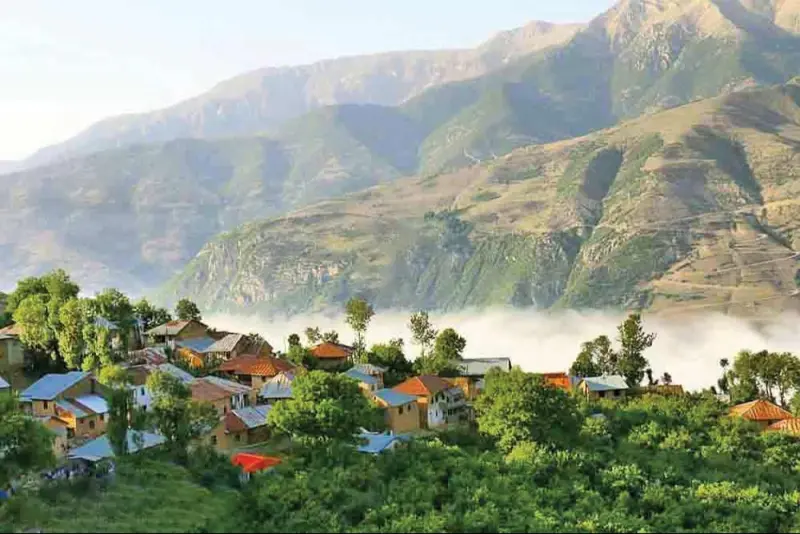
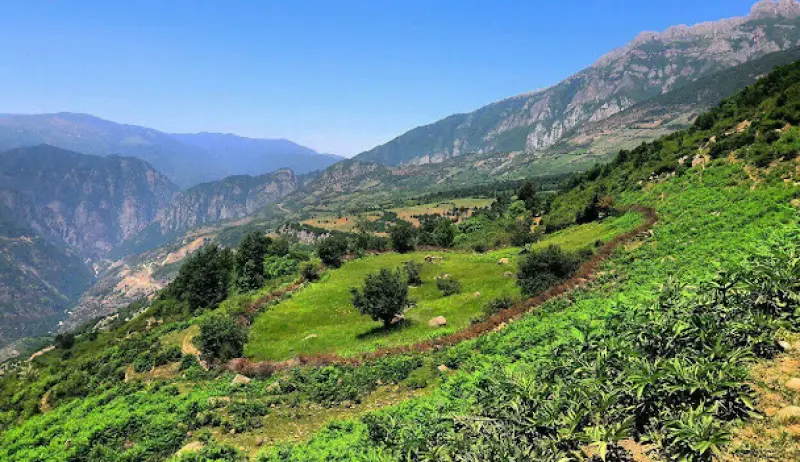
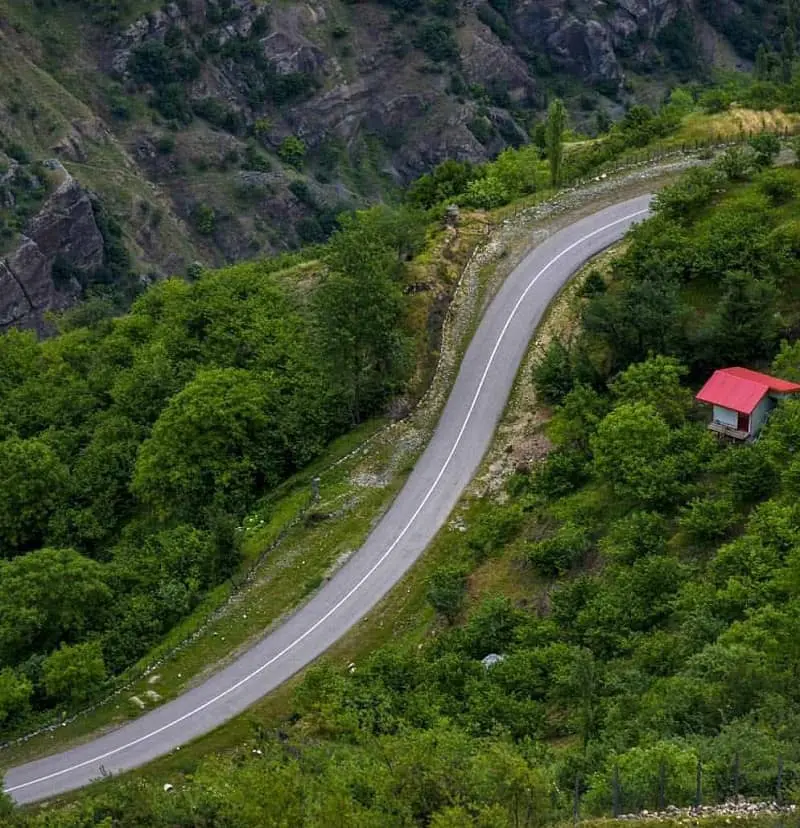
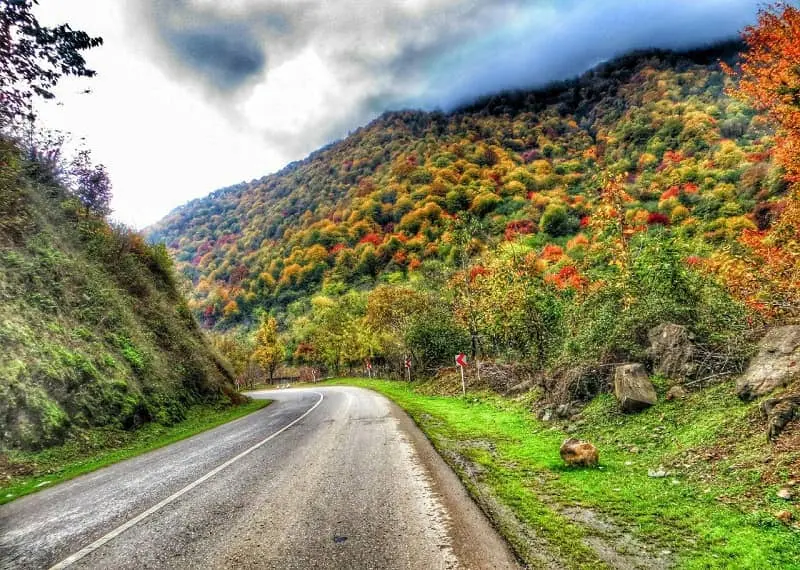
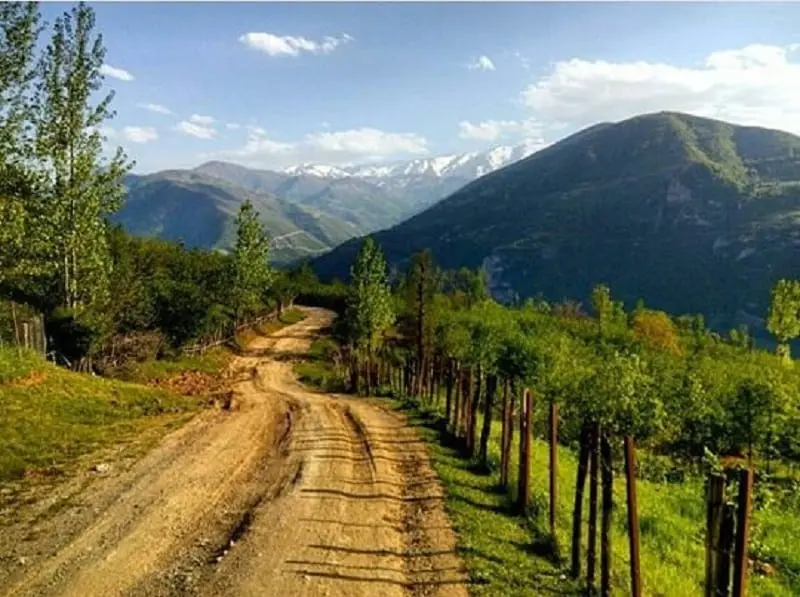
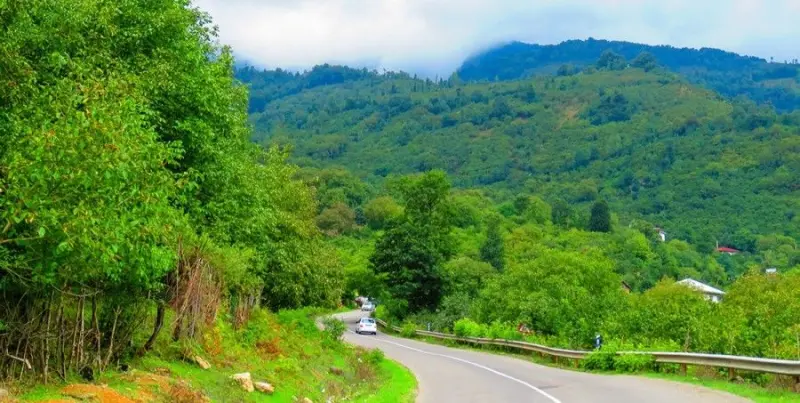
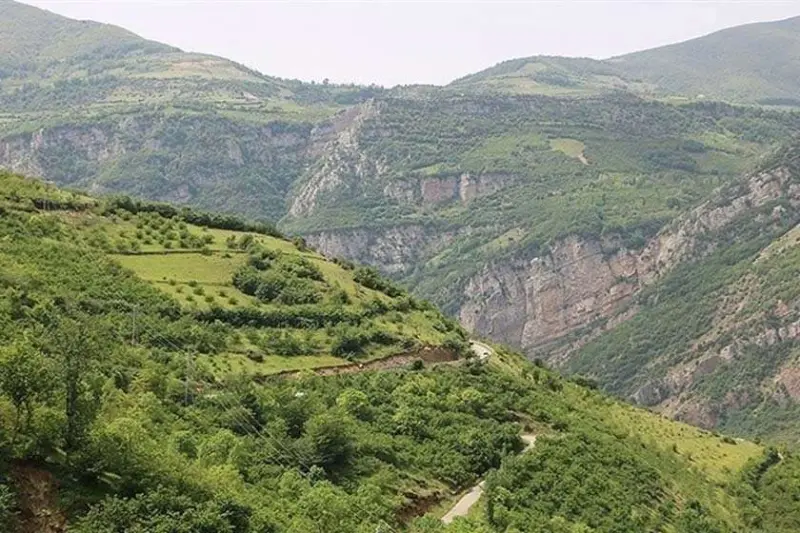
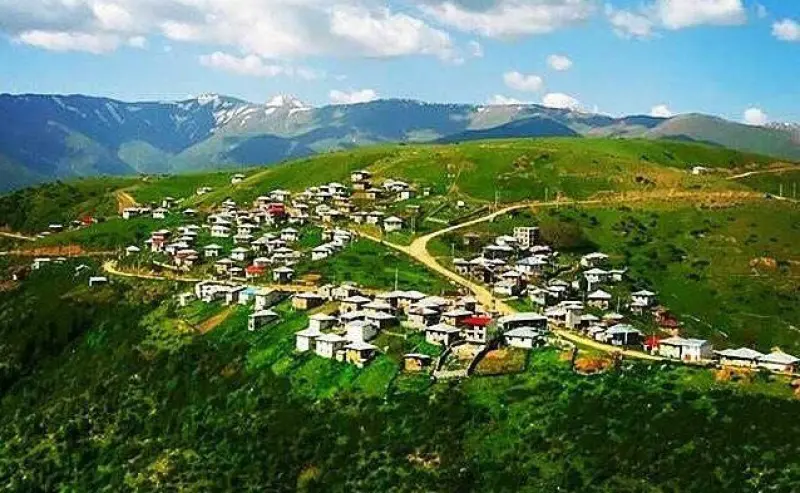
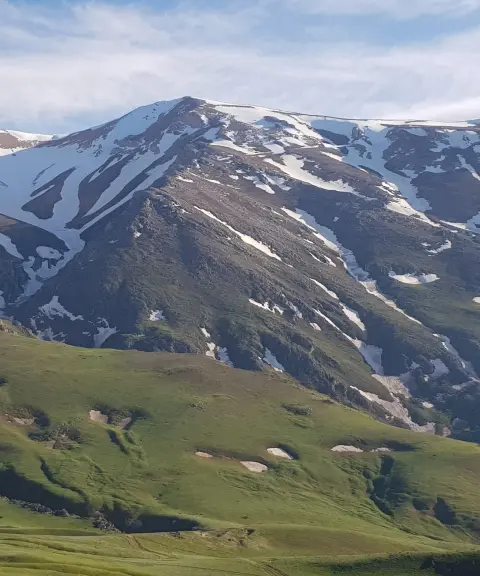
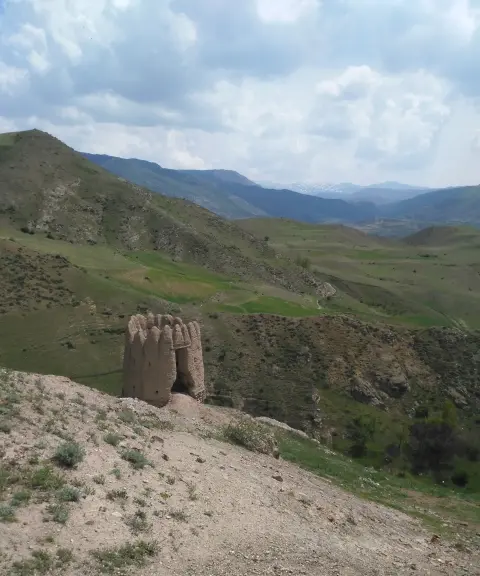
The Ashkourat summer pasture in Gilan is one of the tourist attractions of Rudsar. With its seven wonders, springs, natural lakes, mineral springs, crystal-clear rivers, walnut and hazelnut orchards, wheat and barley fields, many caves, and its pleasant, clean air, it is an unmatched destination, especially during the hot days of the year. Known as the Land of Wonders of Gilan, Ashkourat draws many tourists every year with its unique nature and its archaeological and historical sites. Based on the findings of archaeologists and the evidence obtained from various areas and the fortresses left in Ashkour, the region is dated to about 3,000 years ago, from the Iron Age to the Sasanian period, although some say Ashkour was founded in the Islamic era. The Al Buyid and Ziyarid rulers governed in Ashkour, and interestingly, a village called "Buyeh" is located in Samam Rural District, Rankuh District, in Amlash County. In the year 1391 (Solar Hijri), a cemetery was discovered in the Ashkour area, where, in addition to human remains, bronze military and decorative objects as well as grey pottery were found. Experts estimated the age of the human remains and the objects accompanying them at about 3,000 years.
The rocky Bride and Groom Mountain is one of the seven wonders of the Ashkourat region and is located in the village of Ziaz, in Ashkour-e Sofla Rural District. This village neighbours the villages of Aghrabon Kandsar, Garmabdasht, Divrud and Sajiran. To the north of the Si Pol area stands a steep rocky mountain, on whose highest point two stone figures in the shape of a bride and groom can be seen. The two rocks stand side by side in such a way that, to the viewer, they look like a bride and groom standing together. Samadabad Lake is one of the most beautiful tourist attractions of the Ashkourat region and is located in the village of Samadabad, in Shuil Rural District. Because of its heavy snowfall and rainfall and long-lasting cold, the Ashkour region has rivers that flow down from the highlands and finally reach the Polrud River.
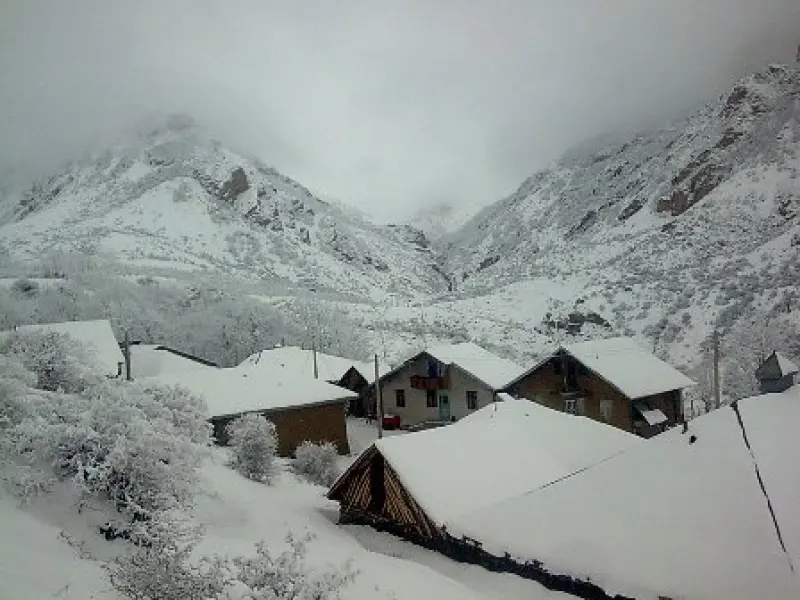
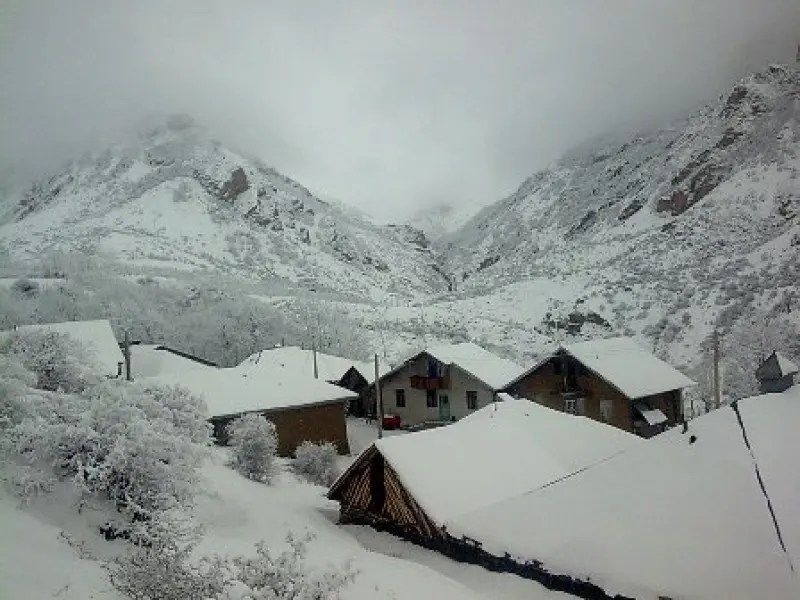
The Ashkourat, or Ashkour, region has hazelnut and walnut orchards and farmland growing wheat, barley, lentils, beans, potatoes, vegetables, summer crops, okra, pumpkin, corn, saffron, garlic and onions. About 50 types of medicinal plants also grow in this area, among them borage, Baba Adam (burdock), violet, edible mushrooms, nettle, golpar (Persian hogweed), artichoke, milkvetch (gavan) and marigold. Various mammals such as brown bears, leopards, wild boars, jackals, foxes and hares live in the forests of Ashkourat. The best time to visit the Ashkourat summer pasture in Rudsar is spring and summer; however, some tourists prefer to visit Ashkourat in the stunning, colourful season of autumn to witness nature's charm. Others choose the cold winter season to enjoy Ashkourat's snowy, white-clad landscapes. Keep in mind that in winter, when travelling to the Ashkourat region, you should bring equipment such as tyre chains, a tent and heating supplies.
Written by ستایش عرب Last updated
Activities
What you can do here, and what it takes
-
Walking
از کفش مناسب پیادهروی استفاده کنید.
-
Mountaineering
مسیرهای کوهنوردی متعددی در این منطقه وجود دارد.
-
Cycling
مسیرهای دوچرخهسواری در این منطقه وجود دارد.
-
Fishing
ابزار و وسایل ماهیگیری به همراه داشته باشید.
Specifications
Introduction of the location and specifications of Ashkourat Village
Location:
Gilan, Rudsar, Ashkavart Village
Coordinates:
36.86593644, 50.22323289
Open in maps
Height above mean sea:
3000 meter
Land Form:
Mountainous,
Floras:
Humid Subtropical Forest
Faunas:
Presence of Predatory Animals, Presence of Allergenic Insects, Presence of Herbivorous Animals
Transports:
Private car, Walking, Minibus, Bus
Tourist Attractions in Rudsar
Attractions that are nearby
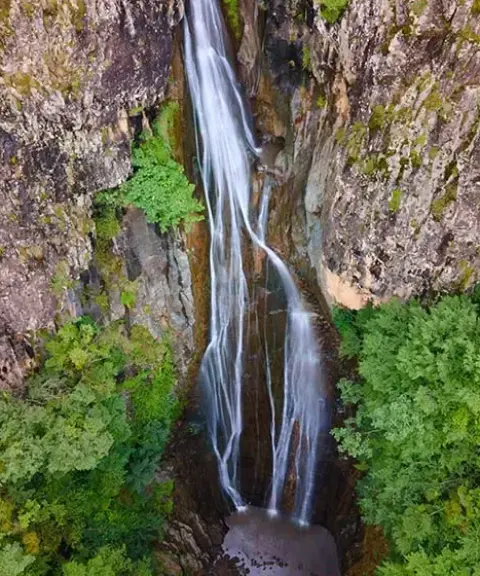

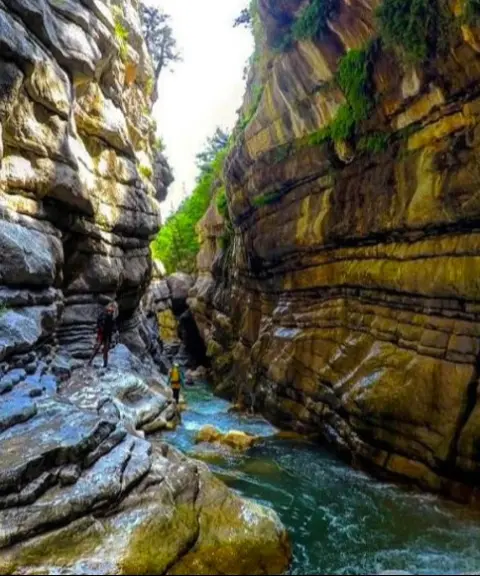

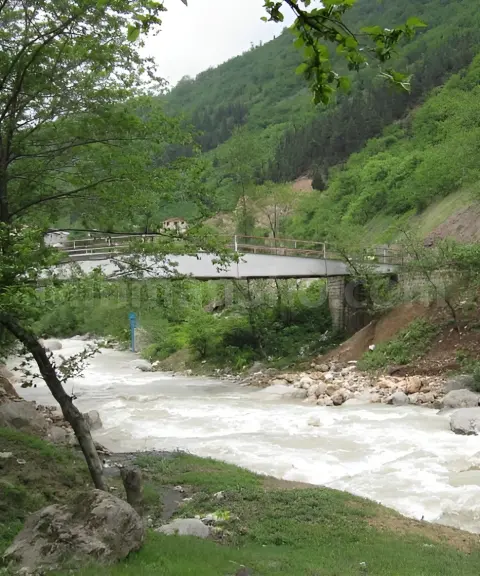

Sefidab Forest Park
Province Gilan
- Walking
- Cycling
- Horse Riding
A Tranquil Forest Paradise in the Heart of Gilan
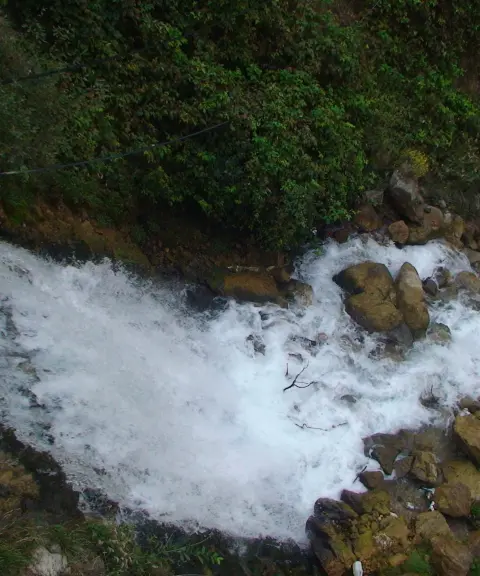
Asemanrud Canyon
Province Gilan
- Walking
- Canyoning
- Rock Climbing
- Swimming
A canyoning paradise in the forests of Gilan
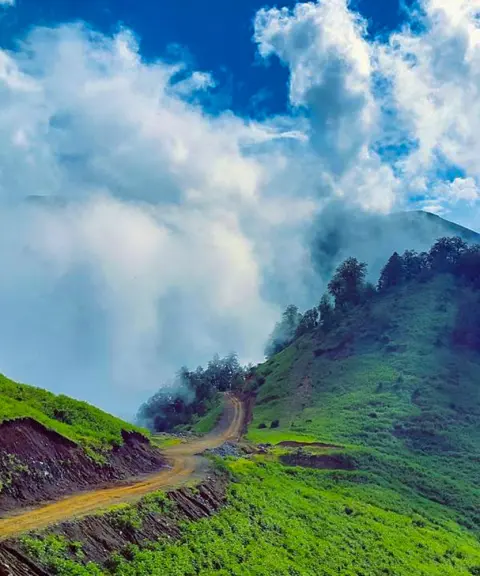

Javaherdasht
Province Gilan
- Walking
- Cycling
- Rowing
- Fishing
- Mountaineering
The Velvet Plain of the North


Related tags:
Unfortunately, no comments have been registered.