
 Historic Castle
- Ability level Beginner
Ability level:
Beginner
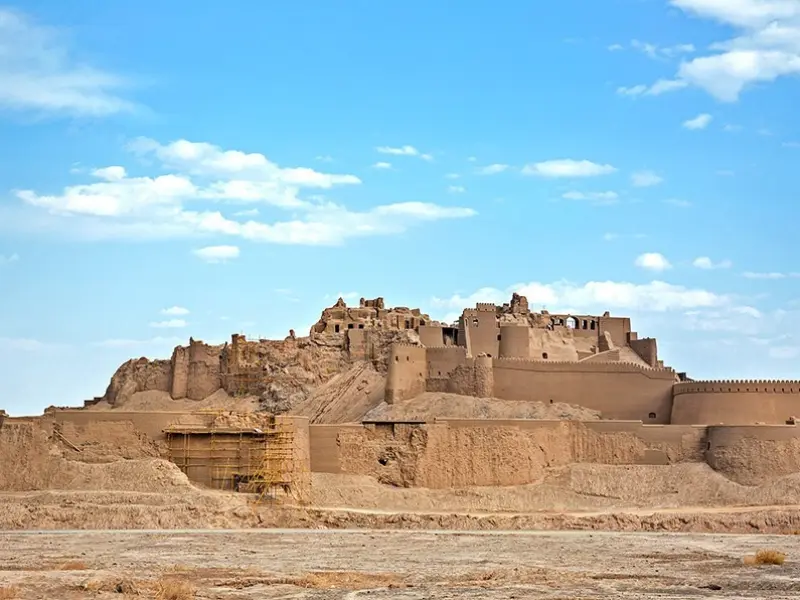
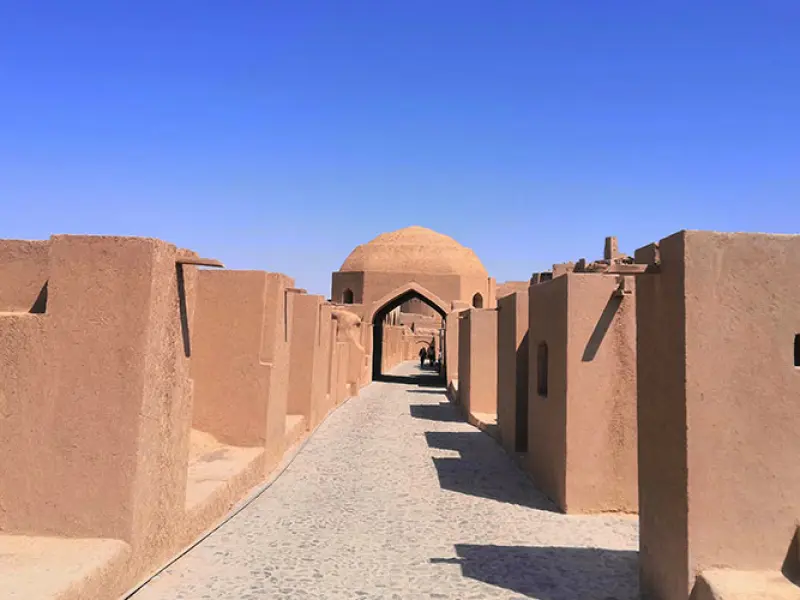
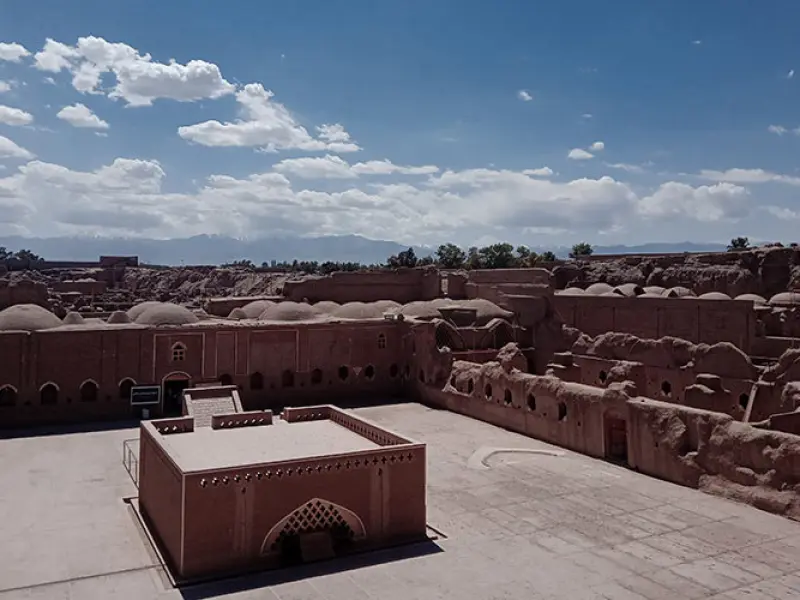
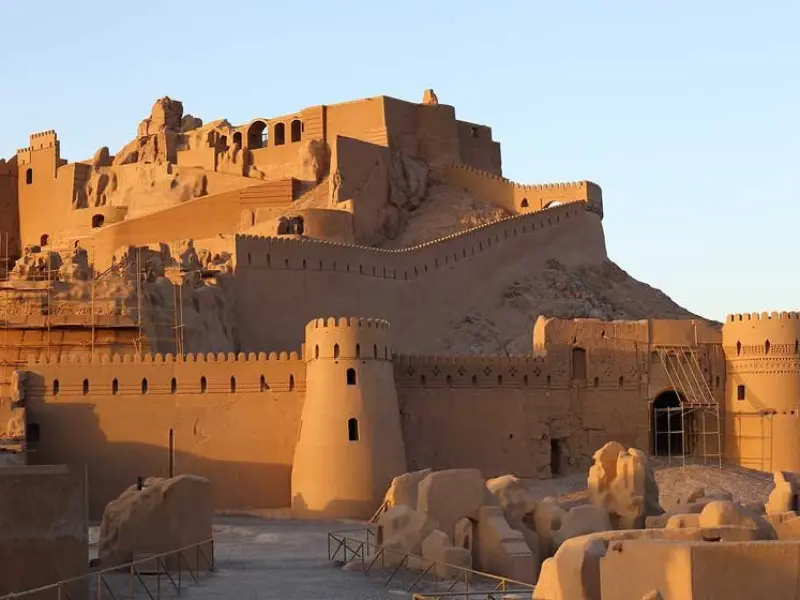
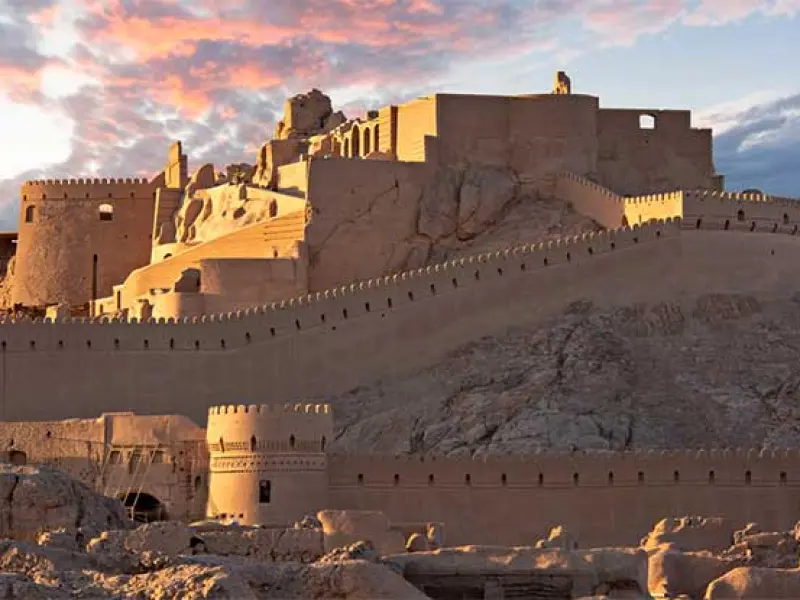
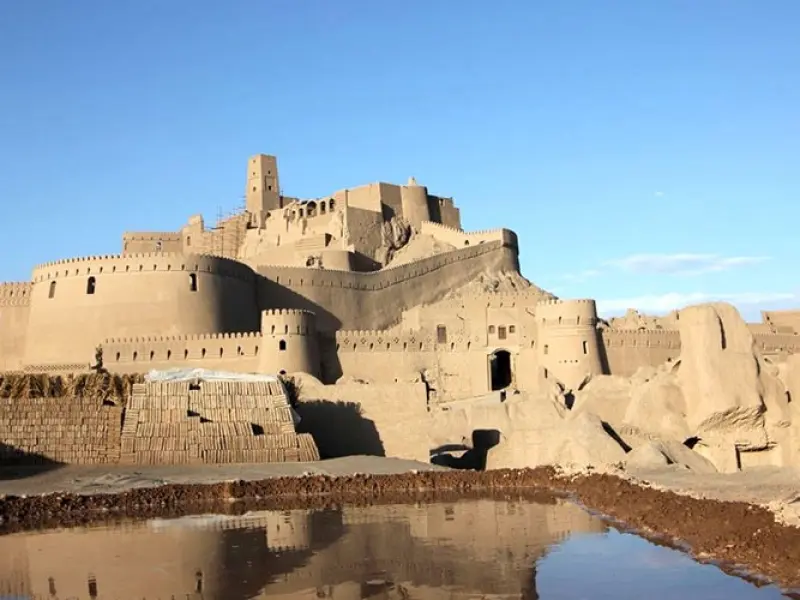
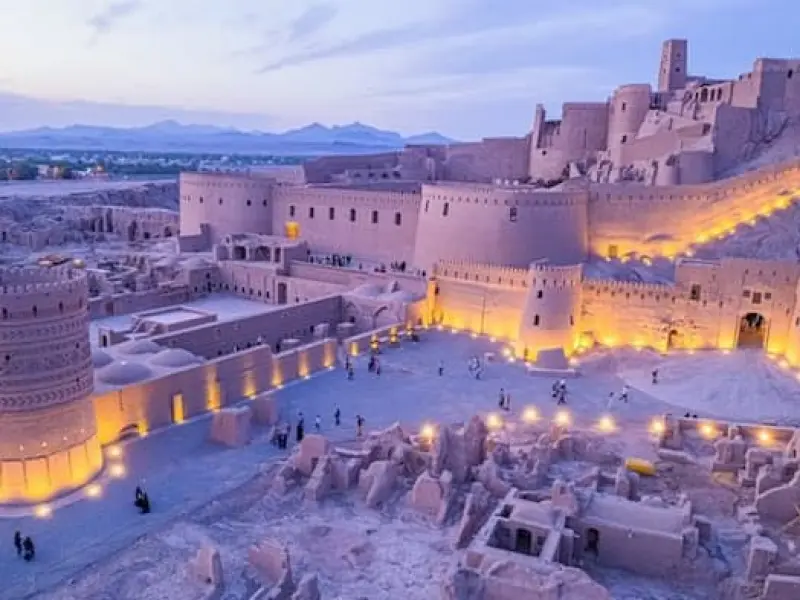
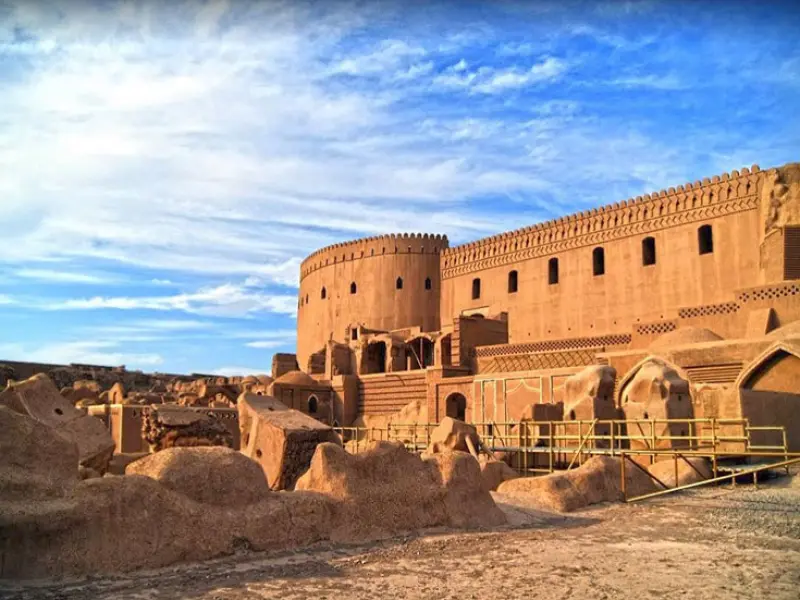
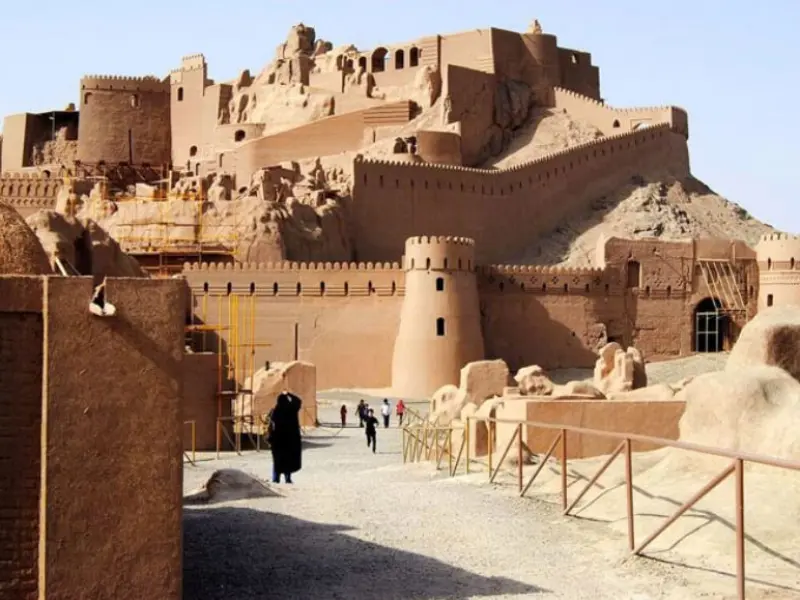
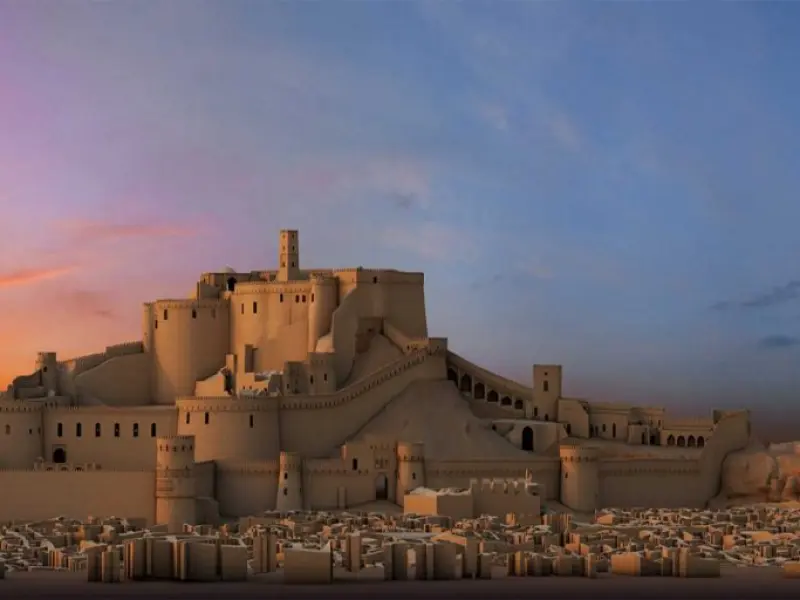
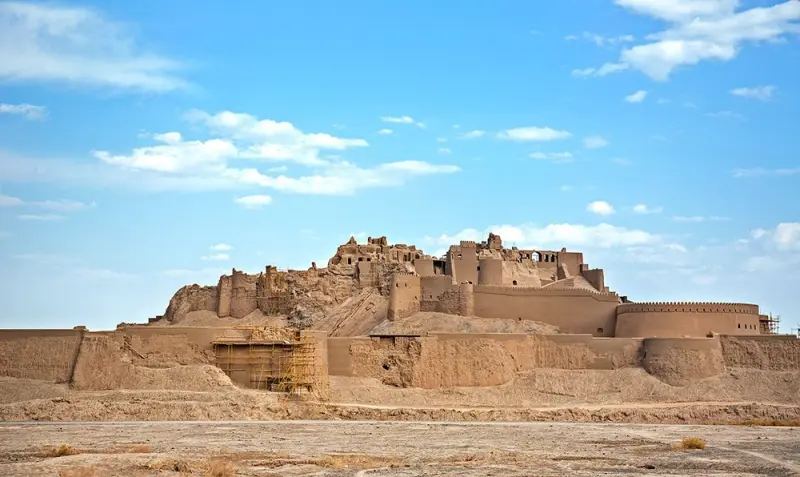
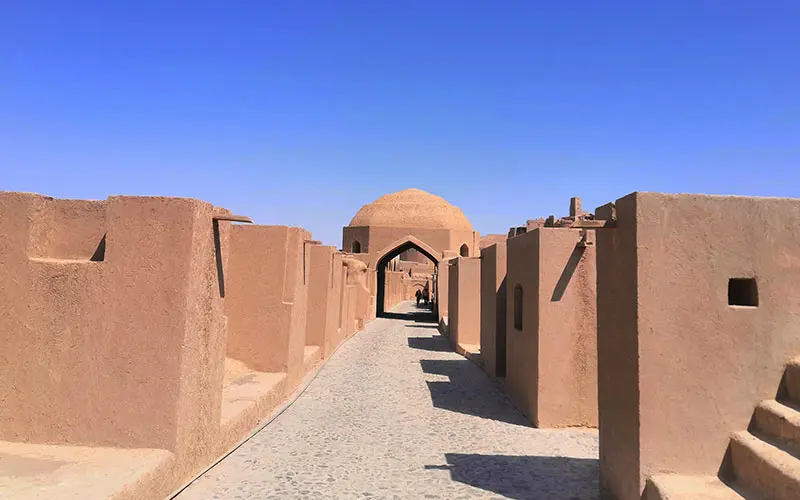
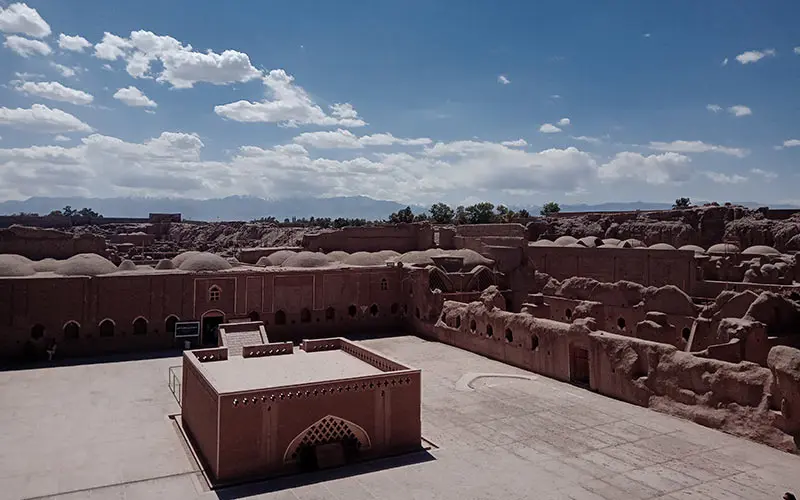
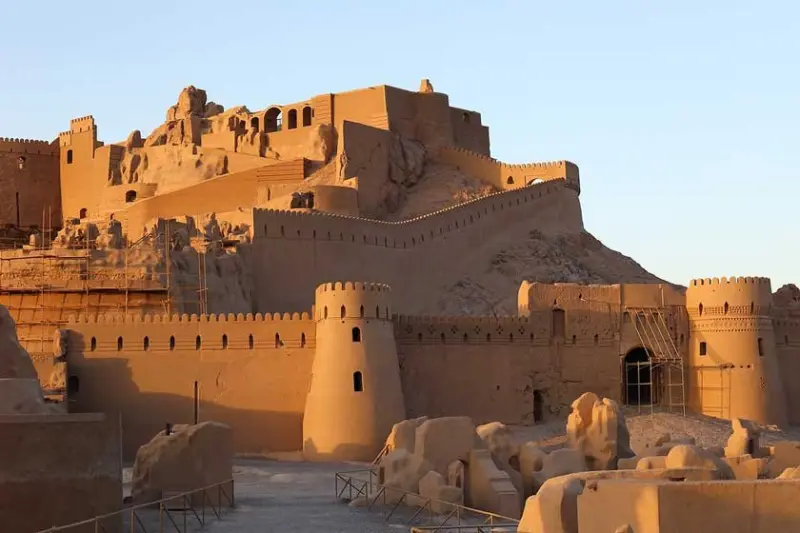
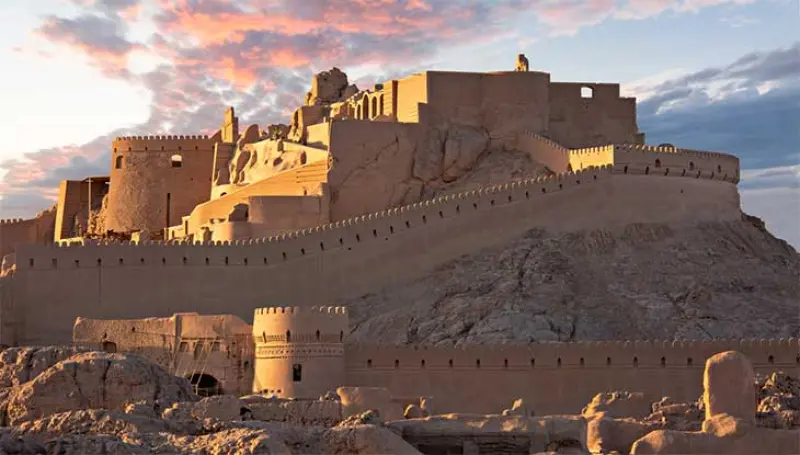
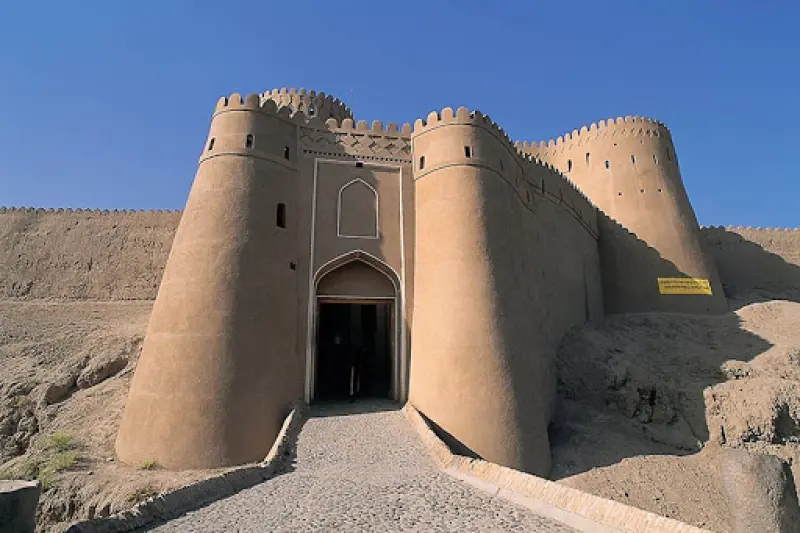
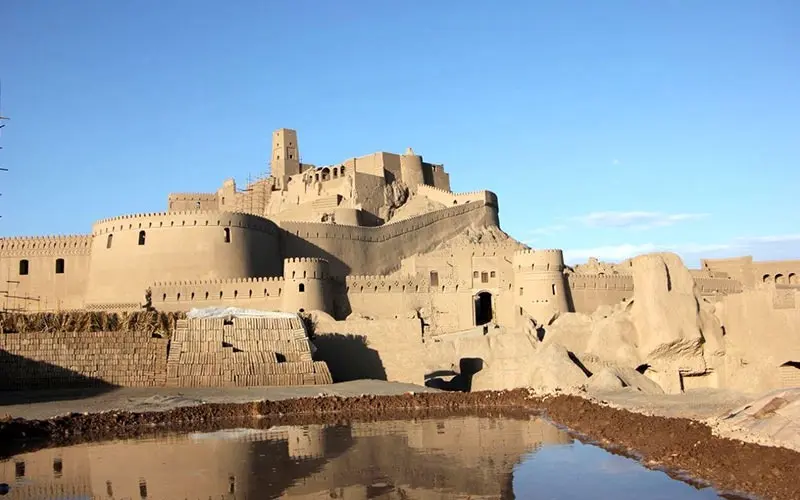
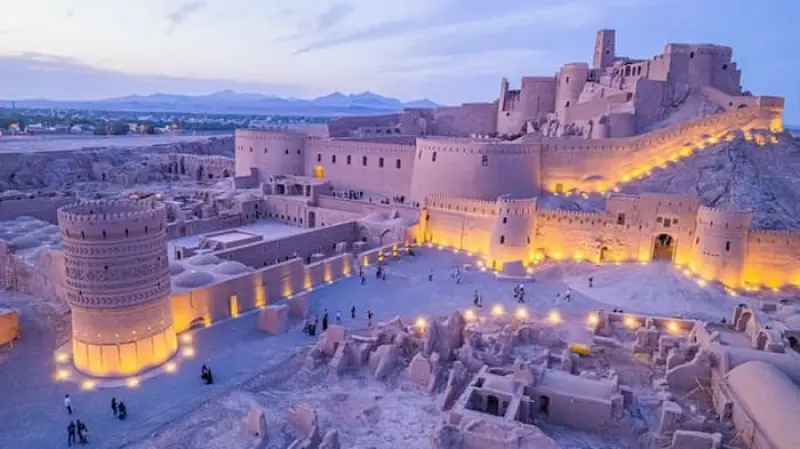
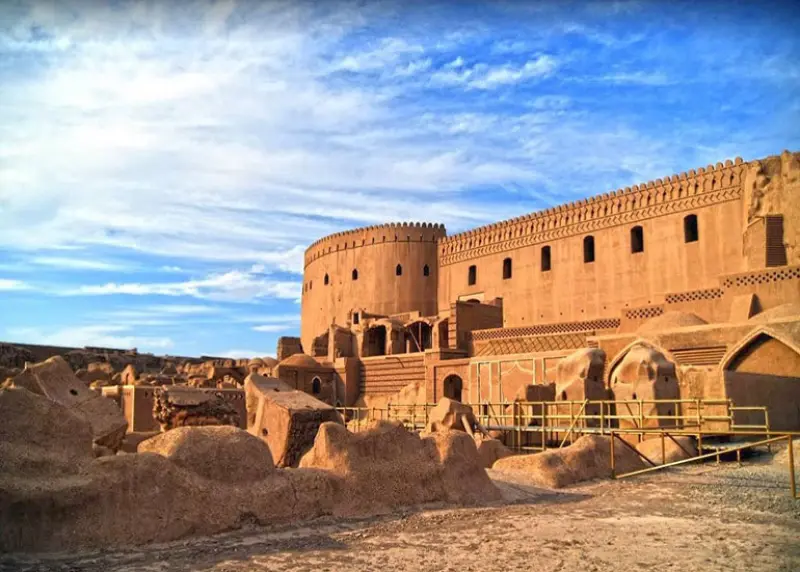
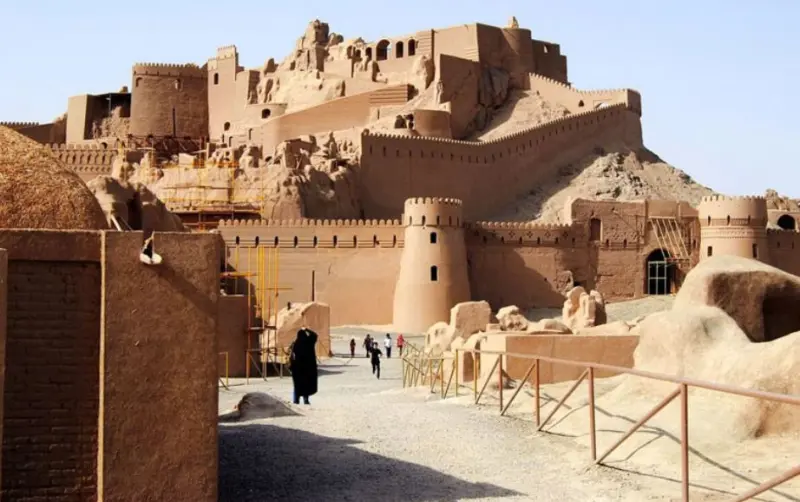
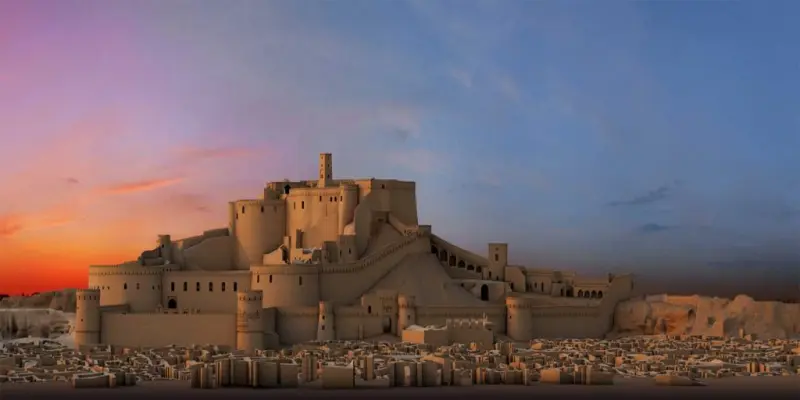
Arg-e Bam (Bam Citadel) is one of the most remarkable historical monuments in Iran and the world. It stands in the city of Bam in Kerman Province. Known as the largest adobe (mud-brick) structure in the world, this immense complex is more than two thousand years old and forms an important part of Iran's historical and cultural identity. Arg-e Bam lay on the Silk Road and, throughout history, played an important role in trade, defense and settlement. The unique architecture of the complex, built from raw mud brick, includes the governor's palace, a mosque, watchtowers, stables, residential houses and a bazaar. Its systematic design and precise engineering show the advanced understanding Iranian architects had of defensive principles and urban planning in ancient times. Unfortunately, Arg-e Bam was severely damaged in the earthquake of 1382 (2003), but extensive restoration and reconstruction projects, carried out in cooperation with Iranian and international specialists, are under way to revive this world heritage site. This valuable monument is also inscribed on the UNESCO World Heritage List and is regarded as one of Iran's most important tourist attractions.
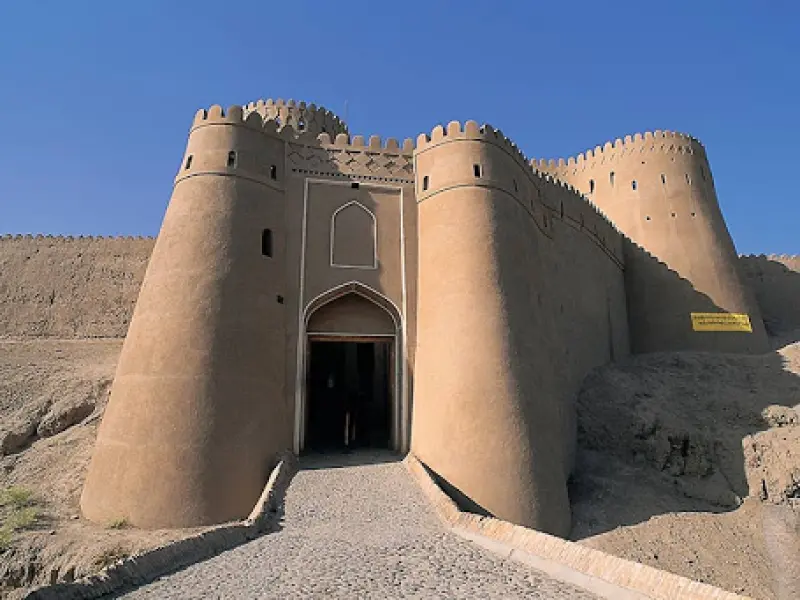
One of the unique features of Arg-e Bam is its four defensive walls. The first wall, 18 meters high, protected the people from enemy attack, and in some places it was more than 6 meters thick. Watchtowers were built into parts of this wall, both to reinforce and strengthen it and to provide a resting place for officers and guards. The outer wall of the citadel was surrounded by a moat. The houses of Arg-e Bam were divided into three categories: ordinary, semi-aristocratic and aristocratic. The smaller houses belonged to the poor and had two to three rooms. Houses with three to four rooms, some of them with an iwan (open porch), were allocated to the middle class. To keep out the heat in those days, windcatchers were built to channel the wind into the structure and work like a natural air conditioner. Interestingly, larger and more important mansions used four-sided windcatchers, while smaller buildings used single ones, so that wind could enter the house from different directions. The position of the main gate also directed strong winds away from the fortress. Another interesting feature was the small pools placed in the path of the wind, which, besides cooling the air, removed dust, a sign of the unrivaled architectural style of Arg-e Bam.
Because of its desert and semi-desert climate, the vegetation of the Bam region mainly consists of palm groves, tamarisk (gaz), saxaul (tagh), prosopis (kahur) and other drought-resistant plants. The date palm is the most important economic plant of the region, and beautiful palm groves surround Arg-e Bam, adding a special charm to the area around the monument. Given the region's hot, dry climate, the best time to visit Arg-e Bam is autumn, winter and early spring (Mehr to Farvardin, roughly October to April). During these months the weather in Bam is cooler and milder, and tourists can visit the historic site more comfortably. Summers in Bam are very hot, with temperatures sometimes rising above 40 degrees Celsius, so traveling in this season requires thorough preparation. Visiting Arg-e Bam not only offers an introduction to Iranian history but also gives travellers an unforgettable experience of the grandeur of mud-brick architecture and the ancient culture of eastern Iran.
Written by ستایش عرب Last updated
Activities
What you can do here, and what it takes
-
Walking
با پیادهروی میتوانید از این مکان لذت ببرید.
Specifications
Introduction of the location and specifications of Arg-e Bam
Construction Period:
Achaemenid era
Location:
Kerman, Bam
Coordinates:
29.11501079, 58.36936623
Open in maps
Height above mean sea:
2500 meter
Floras:
Deserts and Dry Shrublands
Faunas:
Presence of Predatory Animals, Presence of Herbivorous Animals, Presence of Allergenic Insects
Transports:
Private car, Walking, Minibus, Bus
Tourist Attractions in Bam
Attractions that are nearby


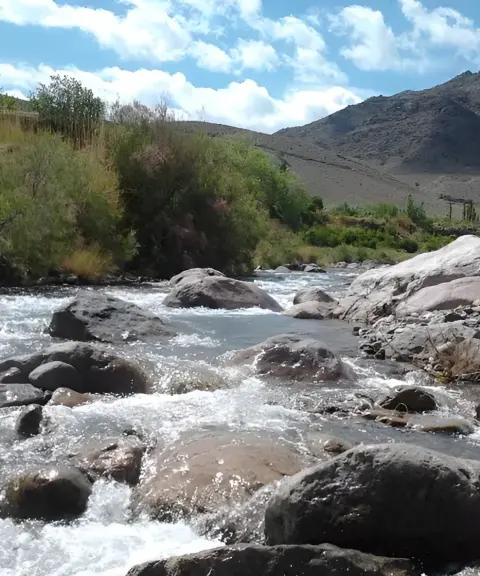
Sang-e Mes Protected Area
Province Kerman
- Walking
- Mountaineering
A habitat of exceptional biodiversity and spectacular natural landscapes

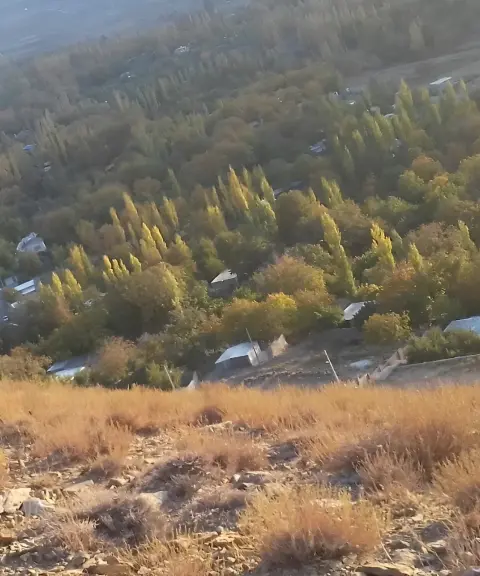

Dehbakri
Province Kerman
- Walking
- Mountaineering
A pleasant mountain summer retreat in the highlands of Kerman
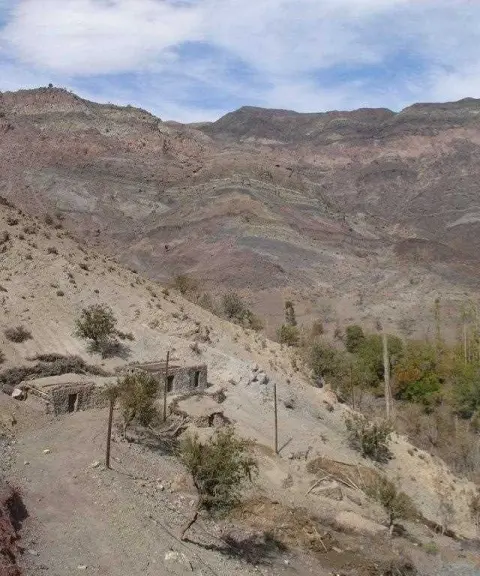
Zarrab Wildlife Refuge
Province Kerman
- Walking
- Mountaineering
Habitat of the Asian black bear in the heart of Kerman

Deymand and Guyekan Hot Spring
Province Kerman
- Walking
- Swimming
A boiling spring amid the volcanic rocks of southern Kerman
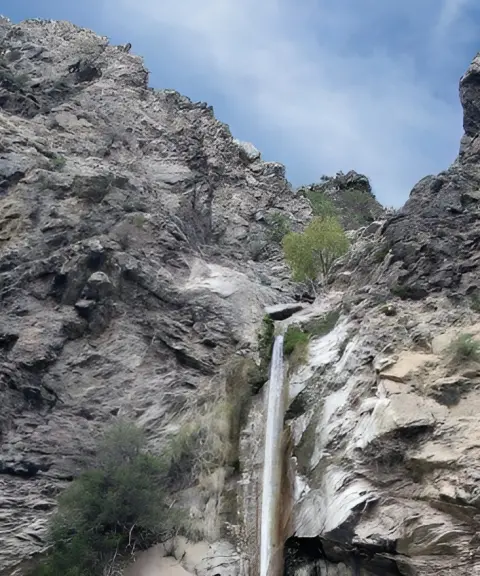
Sarnakuh Waterfall
Province Kerman
- Walking
A tall waterfall in the heart of the Jebal Barez mountains
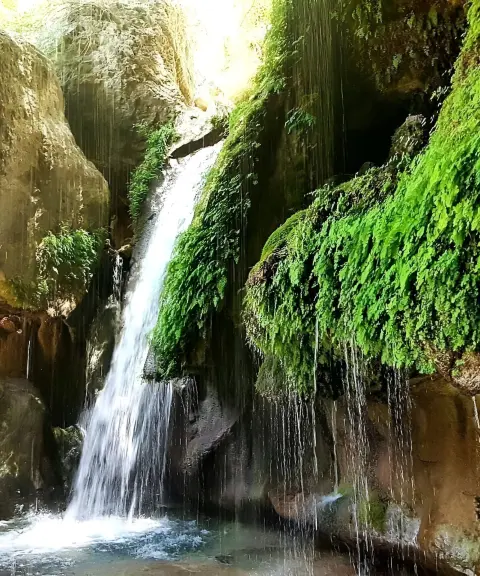
Tang-e Tahran Waterfall
Province Kerman
- Walking
- Canyoning
Discover hidden waterfalls among the cliffs of the Jebal Barez Mountains
Related tags:
Unfortunately, no comments have been registered.