
 Forest
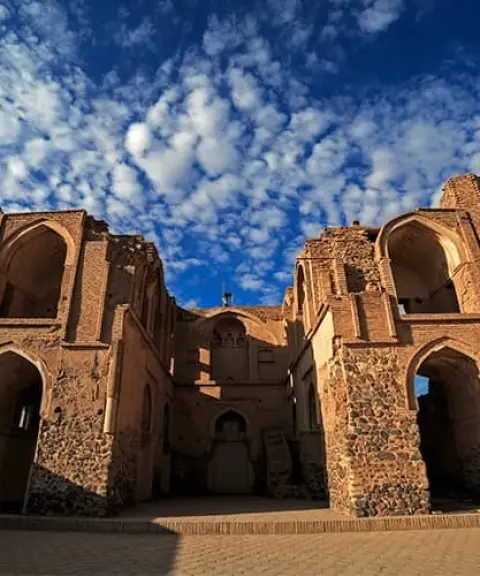
Shasku and Esfeden Protected Area
A valuable expanse of biodiversity in the desert lands of eastern Iran
- Forest
- South Khorasan, Qaen
- Altitude 1,407 m
- Ability level Beginner
Ability level:
Beginner
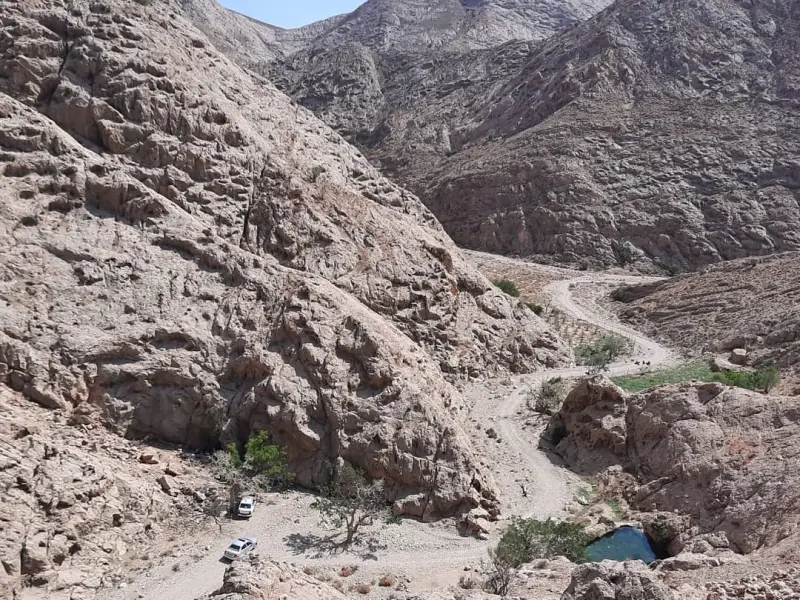
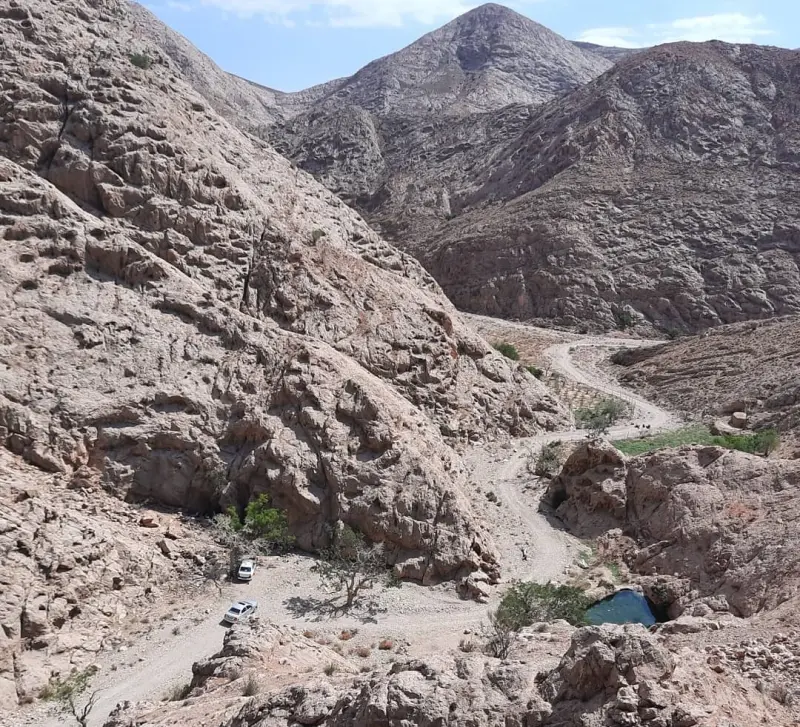
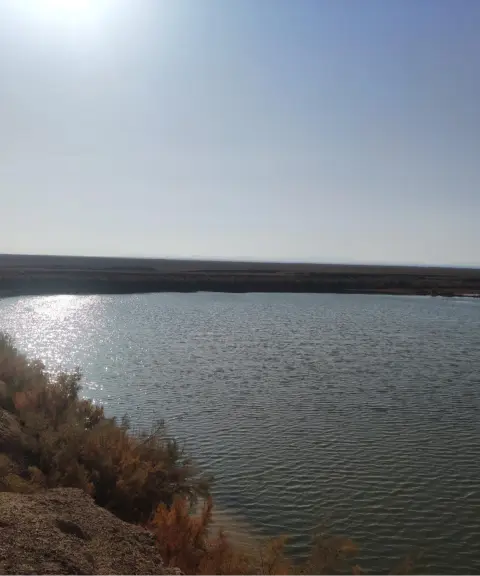
Shasku and Esfeden Protected Area is one of the areas managed by the Department of Environment in South Khorasan Province, located within the counties of Qaenat and Zirkuh. Covering about 70,300 hectares, it was officially designated a protected area in 1386 (2007) and plays an important role in preserving the biodiversity and natural resources of eastern Iran. The prevailing climate is arid to semi-arid, and the landscape consists of a mix of mountains, hills and broad plains, offering nature lovers wide and varied scenery.
The character and habitat of this protected area are shaped by varied topography, including mountainous sections, hills, dry clay flats (daghs) and gently sloping terrain. Limestone, dolomite, sandstone and other sedimentary rocks found in different parts point to the area's geological value. The area is home to numerous animal and plant species; environmental reports indicate more than 30 species of mammals, among them the wildcat, Pallas's cat, and wild sheep (urial), while gazelle were formerly present here. The vegetation includes drought-adapted species, water-loving plants, salt-tolerant plants, forage plants, shrubs, bushes and trees. Natural contrasts sit side by side here in a unique way: Lonicera persica can be seen alongside species such as wild pistachio (baneh), wild almond (badamshk) and shrubby plants. The Euphrates poplar (pedeh), well known for its need of water, grows near drought-resistant shrubs, and this combination gives the ecosystem a distinctive and unusual character.
To reach Shasku and Esfeden Protected Area, dirt and secondary roads lead from the towns of Qaenat and Zirkuh toward the central and southern parts of the area, and you will need to travel along village roads. Using a local guide or GPS is recommended for finding the entrances to the area. The best time to visit is spring and autumn, when the weather is milder and conditions are better for wildlife viewing and enjoying the natural scenery. Visiting responsibly means following environmental protection rules, including not lighting fires, not disturbing wildlife and collecting your rubbish, so that the natural values of this ecosystem are preserved.
Written by زهرا لنگری Last updated
Activities
What you can do here, and what it takes
-
Walking
مسیرهای پاکوب در تپهماهورها و دشتهای منطقه مناسب پیادهروی تفریحی و مشاهده گونههای بومی و چشماندازهای طبیعی است.
Specifications
Introduction of the location and specifications of Shasku and Esfeden Protected Area
Location:
South Khorasan, Qaen
Coordinates:
33.77629363, 59.72713642
Open in maps
Height above mean sea:
1407 meter
Floras:
Semi-desert
Faunas:
Presence of Predatory Animals, Presence of Allergenic Insects, Presence of Herbivorous Animals
Transports:
Private car, Minibus, Bus
Tourist Attractions in Qaen
Attractions that are nearby

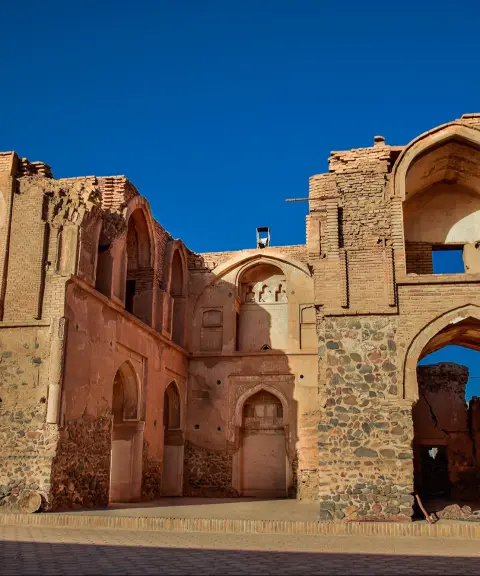
Afin Jame Mosque
Province South Khorasan
- Walking
A single-iwan architectural masterpiece of the Timurid era in South Khorasan
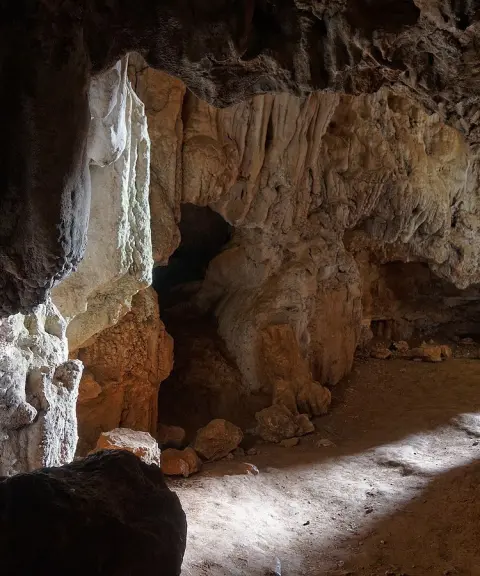

Jujeh Cave
Province South Khorasan
- Walking
The hidden secret of the rocky cliffs of Khorasan's desert land
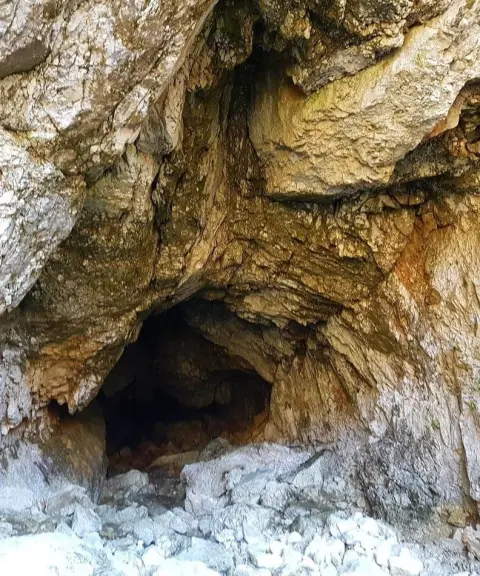
Div Varzaq Cave
Province South Khorasan
- Walking
- Caving
- Mountaineering
A natural and historical attraction in the heart of South Khorasan
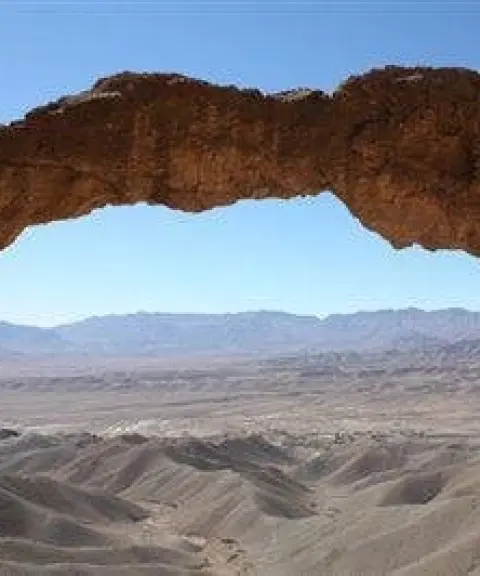
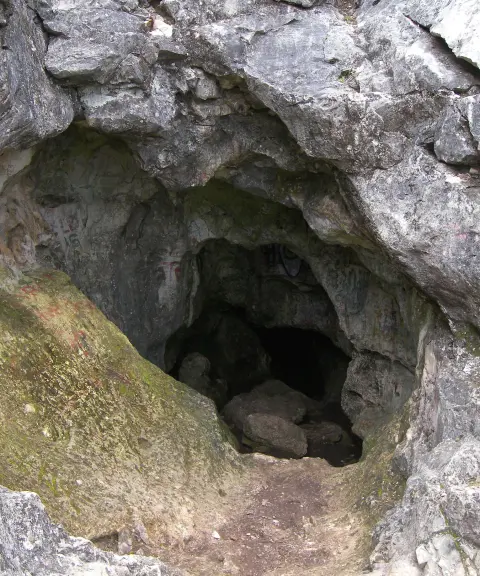
Khunik Cave
Province South Khorasan
- Caving
- Walking
An ancient shelter in the heart of the Qaenat desert

Mazanabad Wetland
Province Razavi Khorasan
- Walking
Habitat of rare birds in the heart of the Khaf plains
Related tags:
Unfortunately, no comments have been registered.