
 Attractions
Naqsh-e Rustam
Province Fars
- Walking
The Splendor of Achaemenid Architecture at Naqsh-e Rostam
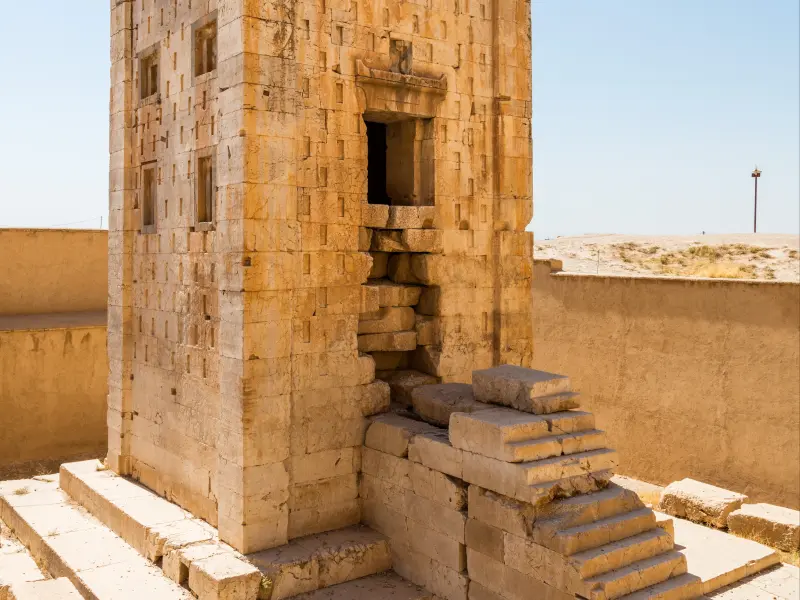
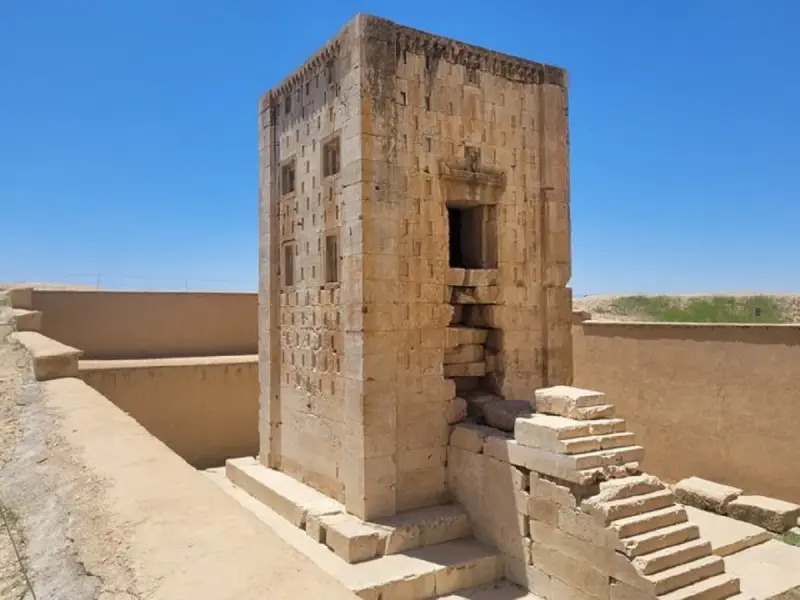
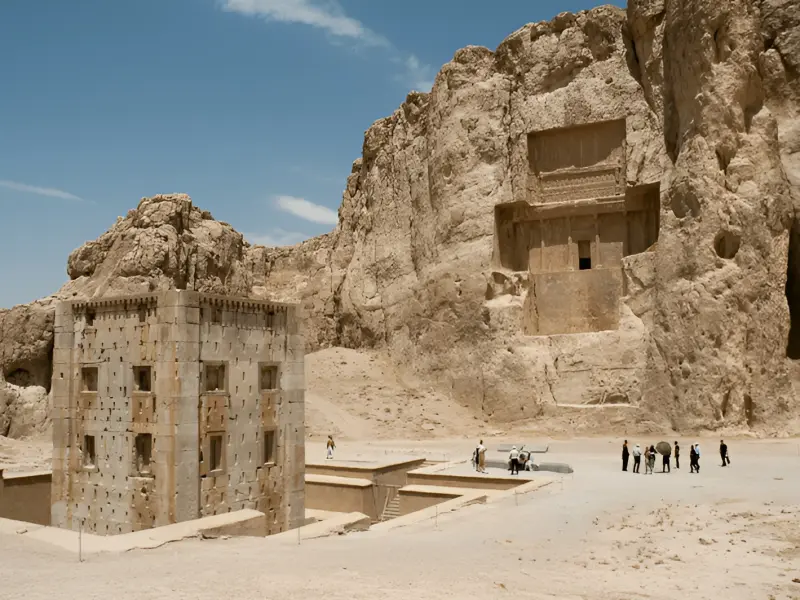
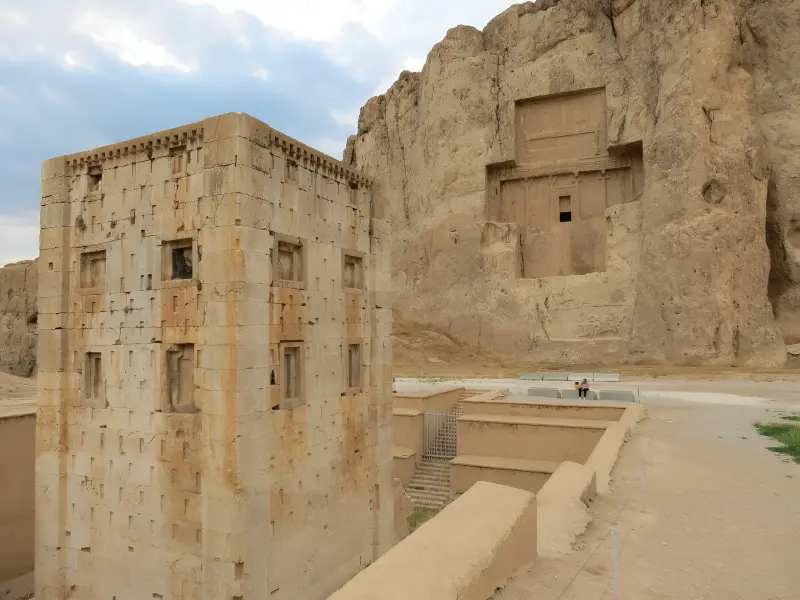
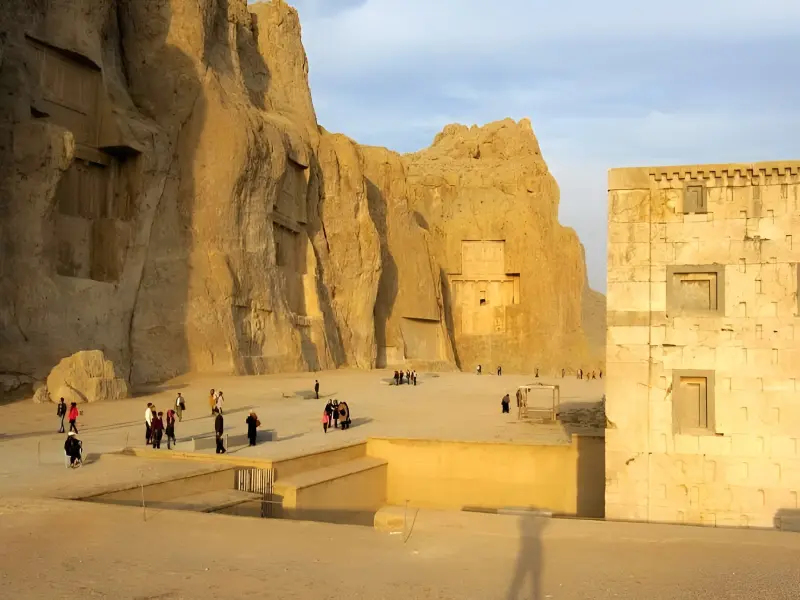
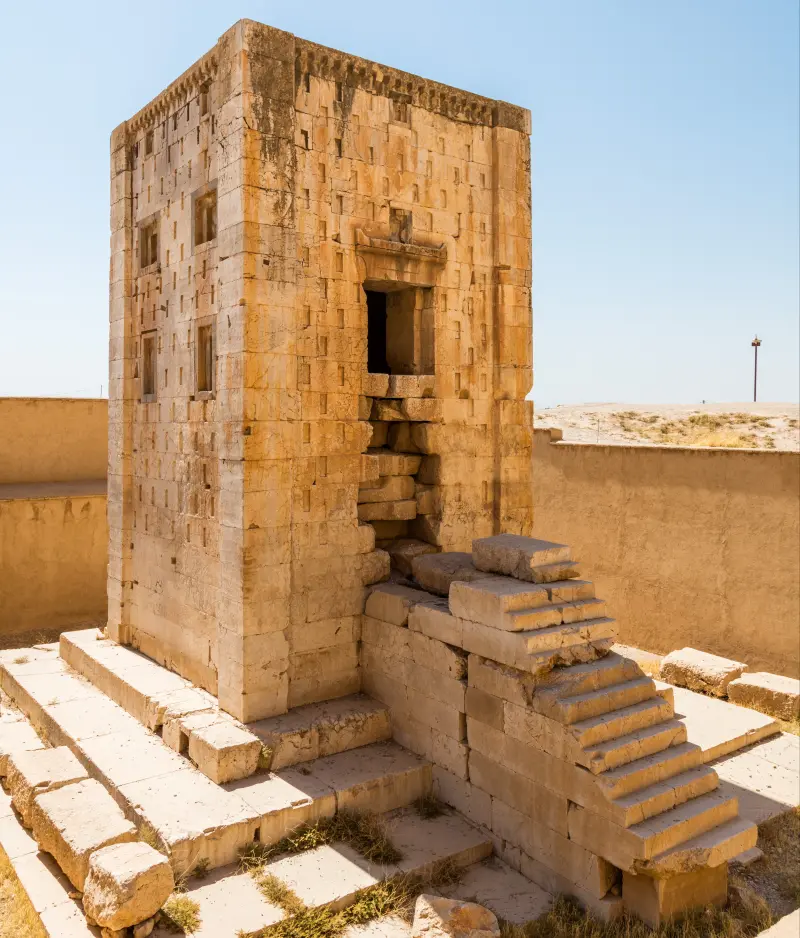
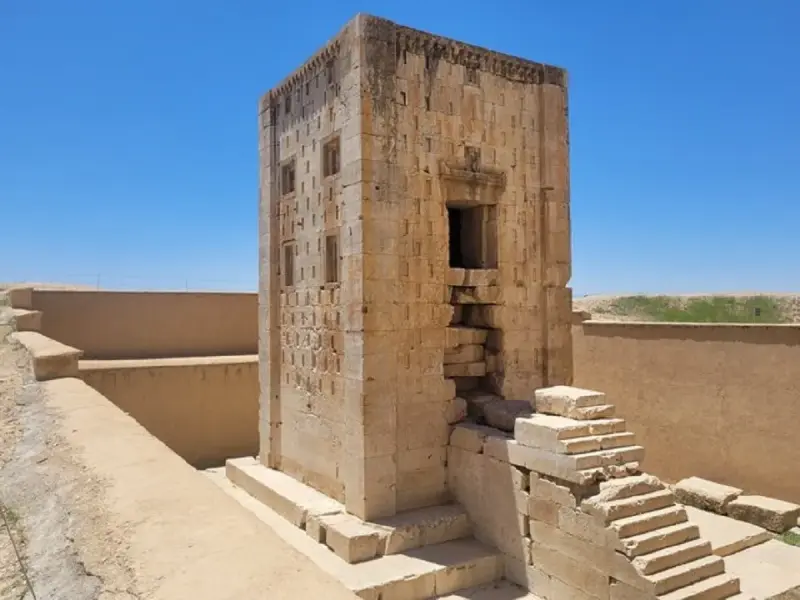
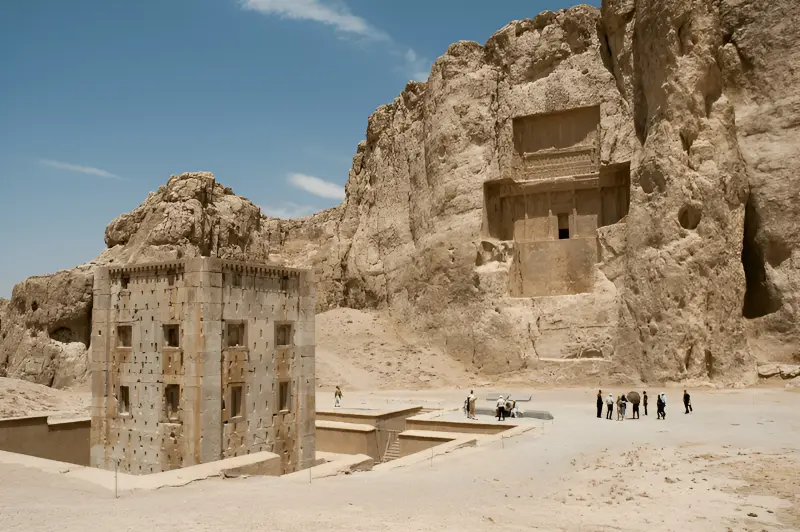
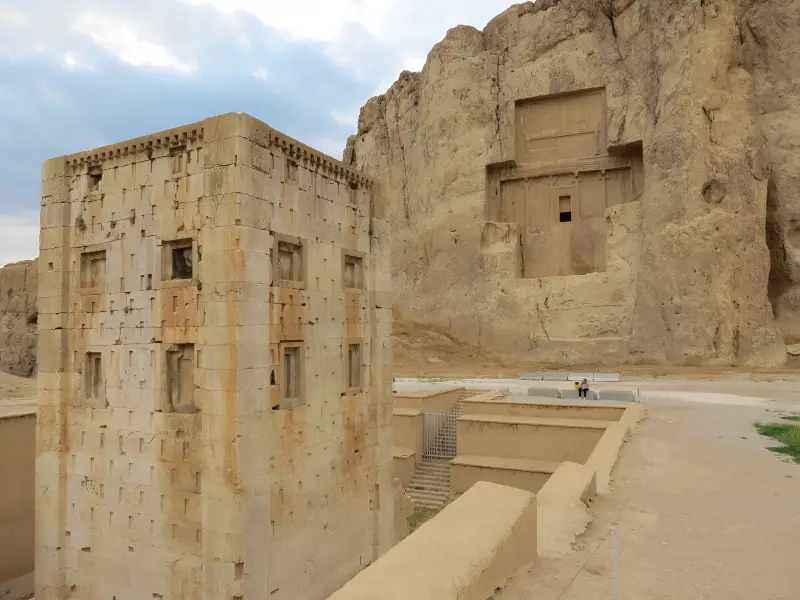
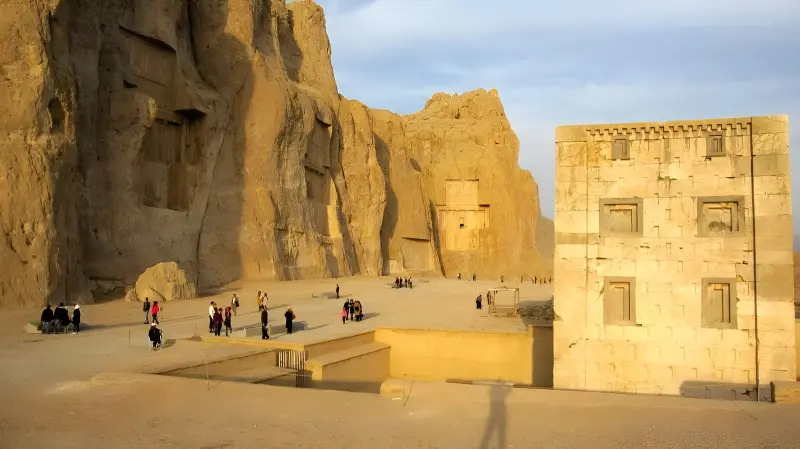
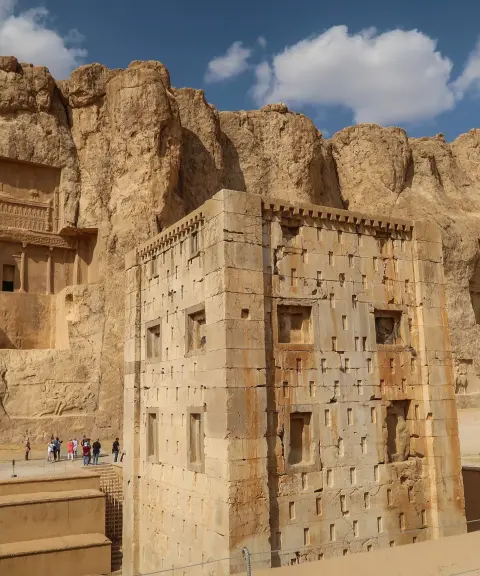
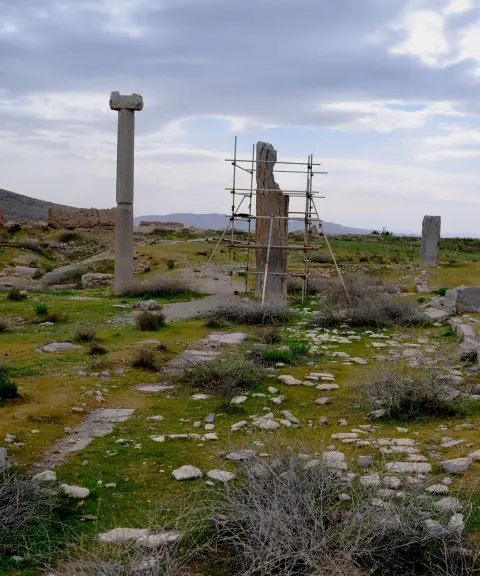
The Kaaba-ye Zartosht (Kaaba of Zoroaster) is one of the most distinctive historical monuments in Iran. It stands in the ancient site of Naqsh-e Rostam, in Marvdasht County, Fars Province. This square stone structure lies beside valuable monuments from the Elamite, Achaemenid and Sasanian periods and is regarded as one of the most important surviving works of the Achaemenid era. The building dates back to around the 6th century BC. Its original name in the period of construction is unknown, but in the Sasanian era it was known as "Bon-Khanak", and in later periods it was given the name "Kaaba-ye Zartosht" because of its outward resemblance to the Kaaba. It was registered in 1310 (Solar Hijri) as number 21 on the List of Iran's National Heritage, and today it is one of the country's major historical tourist destinations.
The building has a rectangular, cuboid form and is made of white, marble-like limestone. Large stone blocks are stacked without mortar and joined together with dovetail clamps. It is about 12 meters high, and with its three-step platform it reaches more than 14 meters. The only entrance is a thirty-step staircase on the north side, which leads to a small chamber inside the structure. On the exterior, false windows and niches of dark stone were used to create visual variety. One of the building's most important features is its Sasanian inscriptions in three languages (Sasanian Pahlavi, Parthian Pahlavi and Greek), which belong to Shapur I and the high priest Kartir and are considered among the most important historical documents of that period. Despite extensive research, the exact function of the building is still unknown, and hypotheses include a fire temple, a tomb, a treasury, or a repository for religious documents.
To reach the Kaaba-ye Zartosht, you can take the Shiraz–Isfahan road and then follow the routes leading to the Naqsh-e Rostam site and enter the historical complex. Its proximity to Persepolis (Takht-e Jamshid) makes it possible to visit several major historical attractions at the same time. The best time to visit the area is autumn, winter and early spring, when the weather is milder. Given the historical value of the monument, responsible nature tourism and the protection of cultural heritage are very important. This includes not touching the inscriptions, not damaging the structure and following visitor regulations to help preserve this valuable heritage.
Written by زهرا لنگری Last updated
What you can do here, and what it takes
گردش در محوطه نقش رستم و مشاهده کعبه زرتشت و سایر آثار باستانی، تجربهای ارزشمند از تاریخ ایران باستان را فراهم میکند.
Province Fars
Province Fars
Province Fars
Province Fars
Province Fars
Province Fars


Unfortunately, no comments have been registered.