
 Attractions
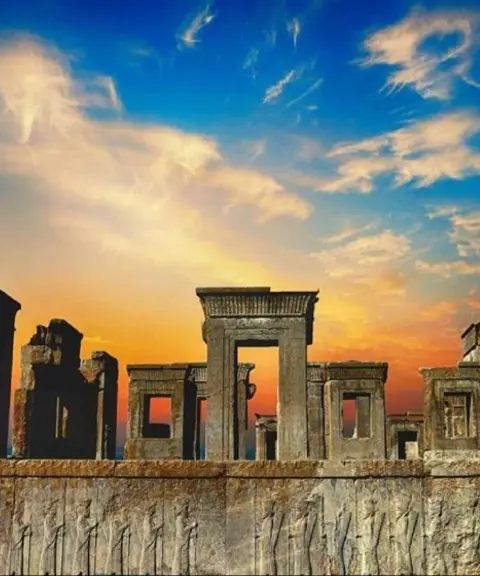
Persepolis (Takht-e Jamshid)
Province Fars
- Walking
A showcase of stone-carving artistry and the splendor of Achaemenid architecture
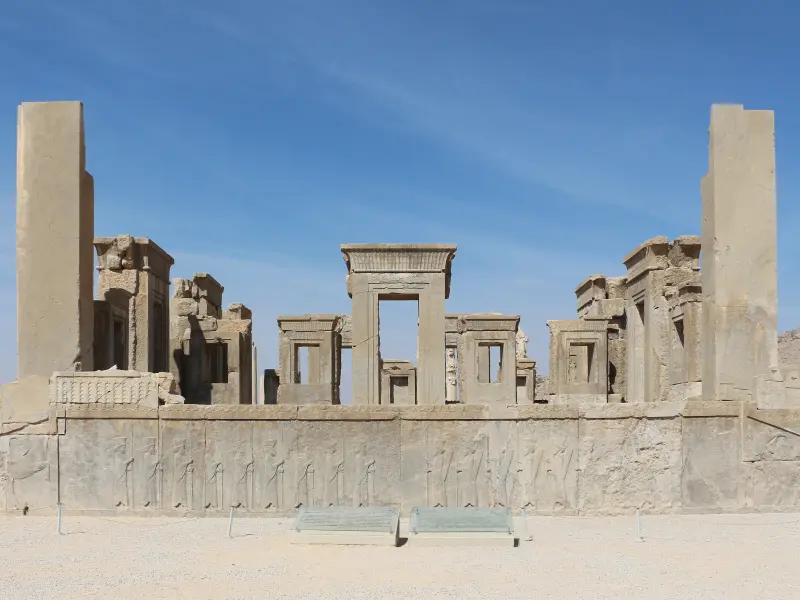
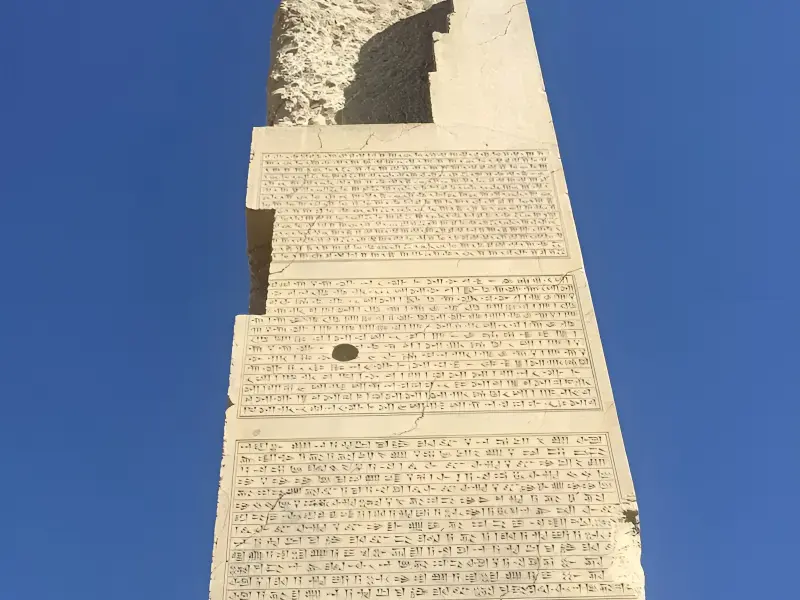
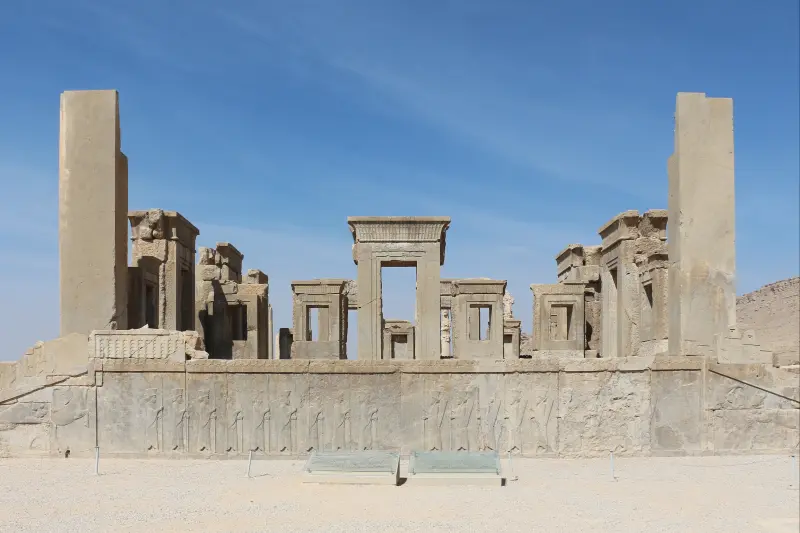
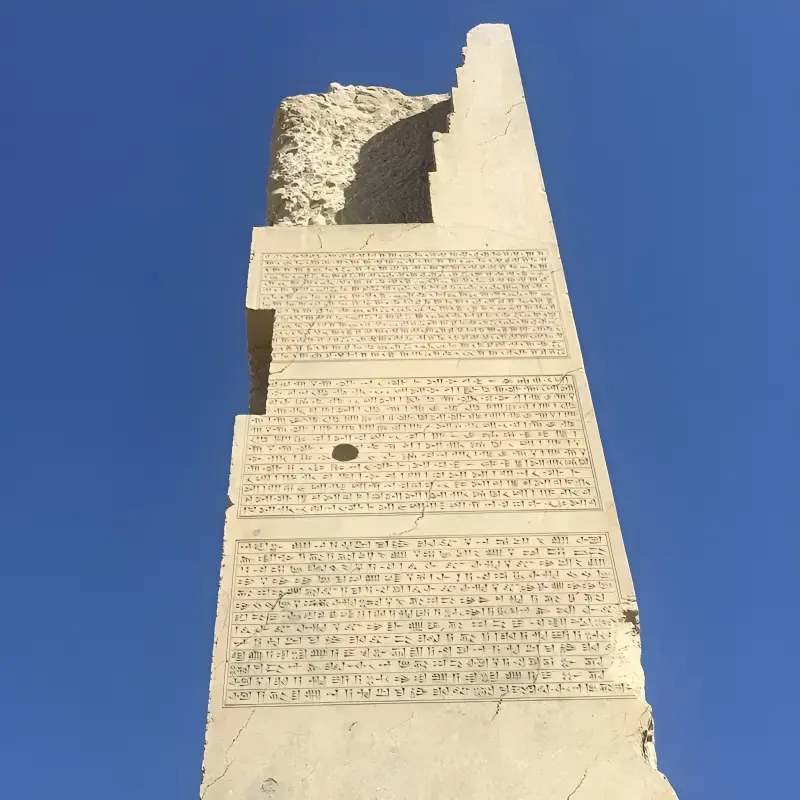
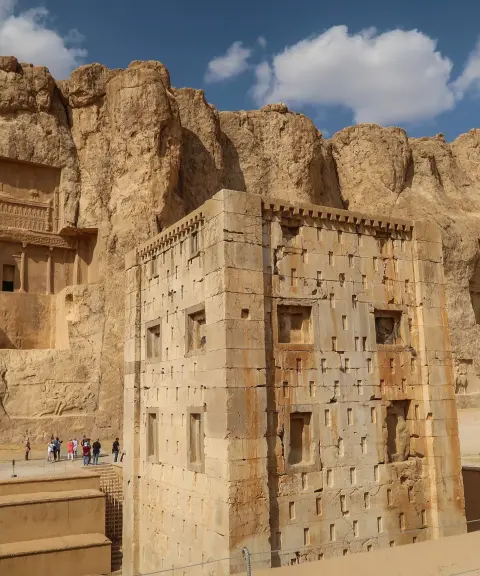
Tachara Palace, also known as the Tachar Palace, the Private Palace of Darius the Great and the Hall of Mirrors, is one of the historic buildings of the Persepolis complex in Marvdasht County, Fars Province. It stands southwest of the Apadana Palace, in the southern part of the Persepolis terrace, and is considered one of the first palaces to be identified in this ancient complex. Construction began on the orders of the Achaemenid king Darius the Great, and parts of it were completed or expanded under later kings, including Xerxes and Artaxerxes III. The name Tachara appears in the building's inscriptions, and although it has sometimes been interpreted as meaning "winter house," there is no conclusive evidence that it was used exclusively as a winter residence. Measuring roughly 40 meters in length and 30 meters in width, Tachara Palace was built on a stone platform that rises above the level of the neighboring parts of Persepolis. Thanks to the high quality of its stonework, its surviving architectural remains and its historical inscriptions, the building plays an important role in understanding Achaemenid art and culture, and it is one of the signature sights of Persepolis.
One of the most striking features of Tachara Palace is its use of grey, polished stone, whose burnished surfaces once produced a mirror-like reflection; this is why the building came to be known in later periods as the Hall of Mirrors. The palace has a rectangular plan, and its central hall, together with the side rooms, the northern rooms and the southern portico, forms a layout typical of Achaemenid palace architecture. The southern and eastern staircases, with reliefs of Persian soldiers, courtiers and people carrying vessels or gifts, are among the most interesting parts of the complex. Some of these reliefs also show winged symbols, sphinxes and palm trees. Inscriptions in Old Persian, Elamite and Babylonian by Darius the Great and Xerxes, along with texts by Artaxerxes III, provide valuable information about the construction and expansion of the building. The palace's historical importance is not limited to the Achaemenid era; inscriptions from the Sasanian, Buyid, Timurid and Aq Qoyunlu periods also survive on parts of it, showing that this place continued to attract visitors and rulers in later centuries. Examining the details of the carvings, the stone window frames, the doorways and the historical inscriptions makes a visit to Tachara Palace a rewarding experience for anyone interested in archaeology, Iranian history and architecture.
To reach Tachara Palace, head to the Persepolis complex, about 10 kilometers north of the city of Marvdasht. If you are traveling from Shiraz, the road from Shiraz to Marvdasht, followed by the access road to Persepolis, will take you to the entrance of the complex. After entering and following the visitor route across the Persepolis terrace, you will find Tachara Palace southwest of the Apadana Palace. Spring and autumn, especially the mild days of Farvardin, Ordibehesht and Mehr, are the best times to visit this open-air site; in summer, it is best to choose the cooler hours of the day. To look closely at the reliefs and inscriptions, allow about one to two hours for the palace, although a full visit to Persepolis takes longer. During your visit, please do not touch or damage the carvings and inscriptions, write on historic surfaces or leave litter, and stay on the permitted paths so that this valuable heritage is preserved for future generations.
Written by زهرا لنگری Last updated
What you can do here, and what it takes
مسیرهای بازدید در محوطه تخت جمشید و اطراف کاخ تچر برای پیادهروی و تماشای آثار باستانی مناسب هستند.
Province Fars
Province Fars
Province Fars
Province Fars
Province Fars
Province Fars


Unfortunately, no comments have been registered.