
 Attractions
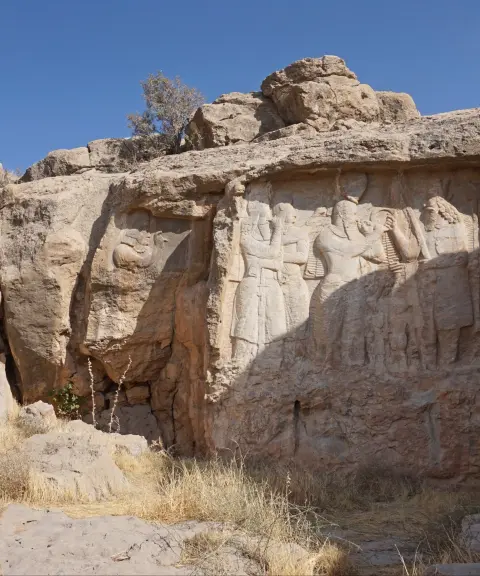
Naqsh-e Rajab
Province Fars
- Walking
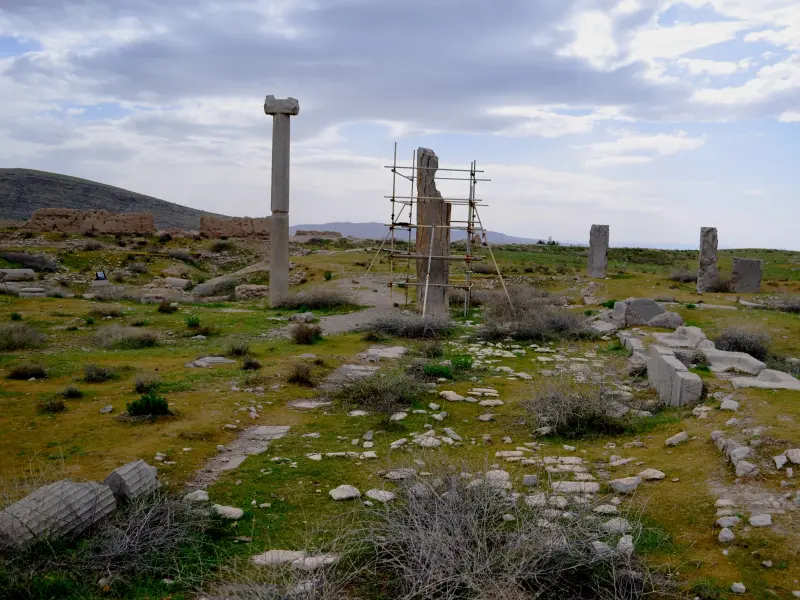
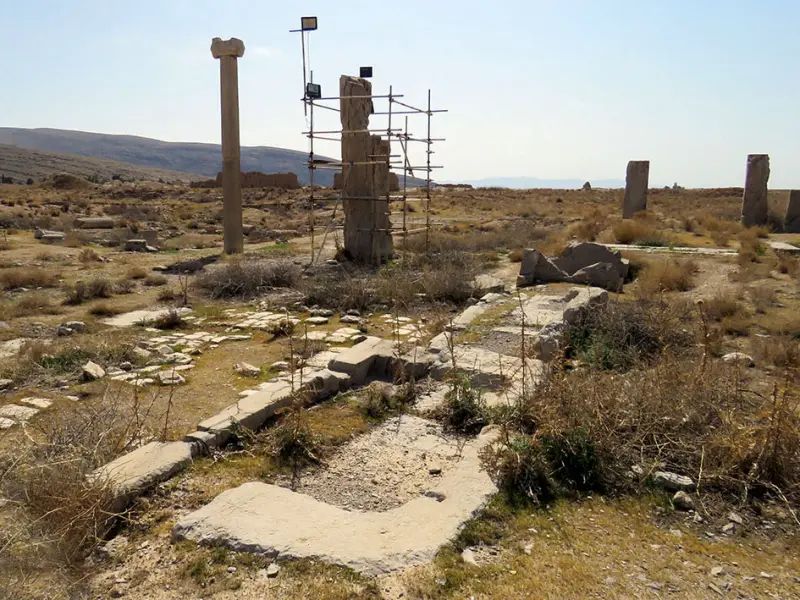
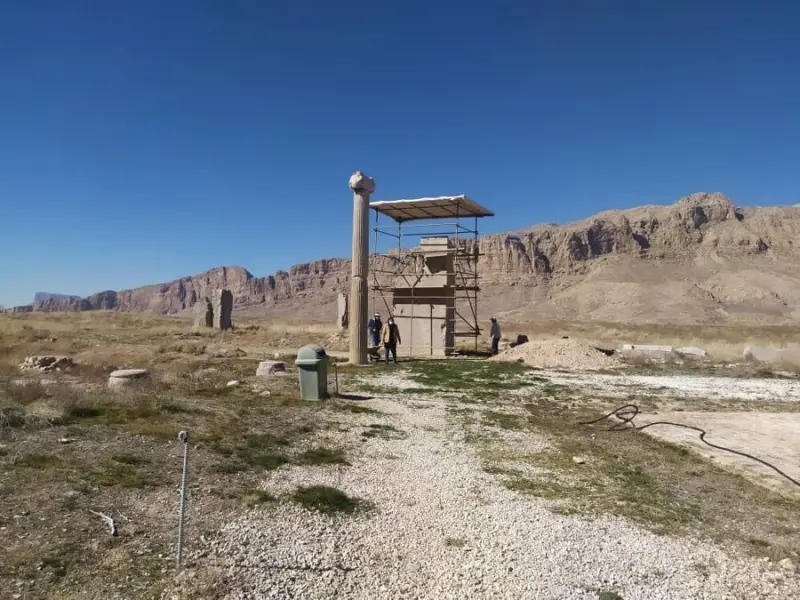
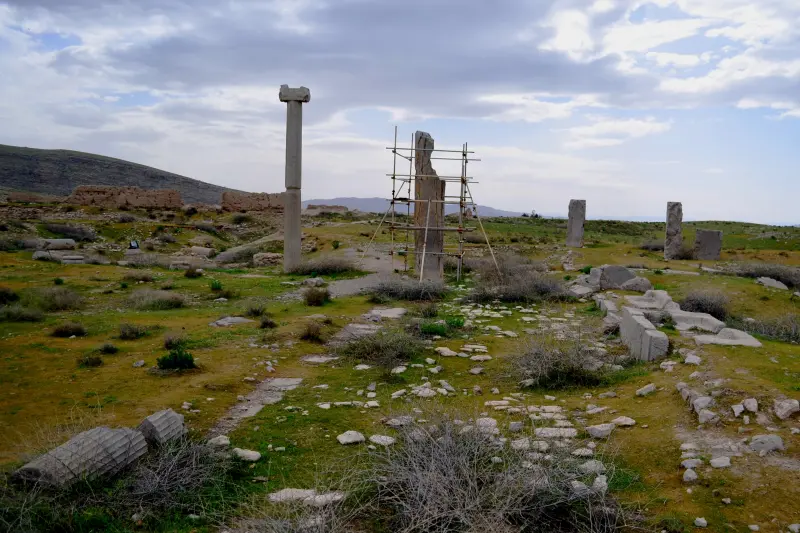
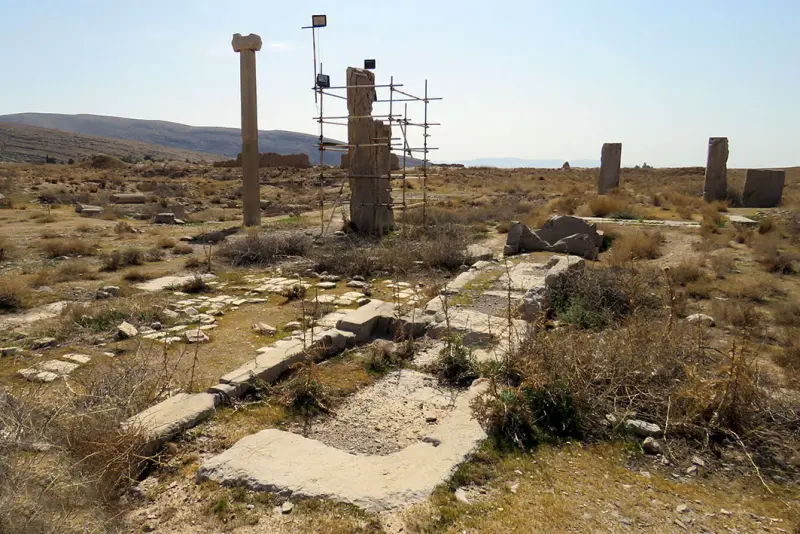
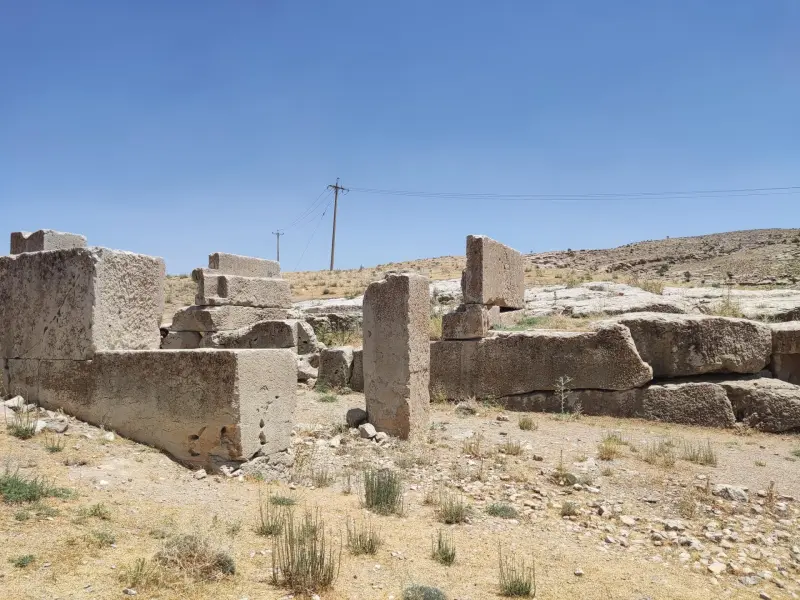
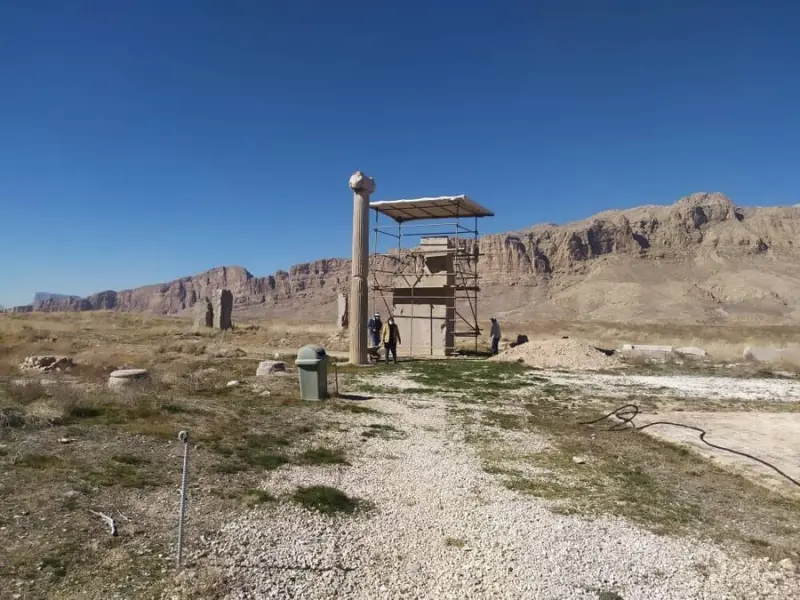
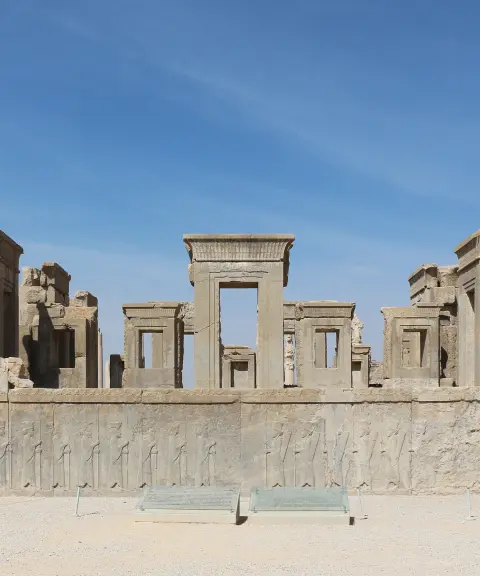
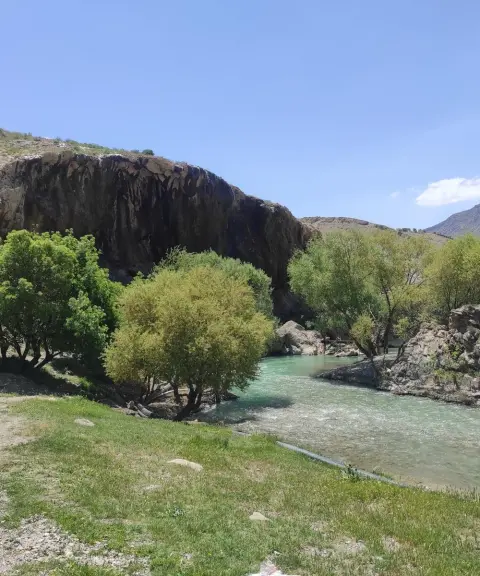
The ancient city of Estakhr, known in early sources as Istakhr, Estakhr, Stakhr and even Takht-e Tavus (the Peacock Throne), lies in Fars Province, in Marvdasht County, near Seydan District. It is about five kilometres north of Persepolis and southwest of Naqsh-e Rustam. It is regarded as one of the largest historical sites in Iran. It developed in the Marvdasht Plain, beside the Sivand River and in a valley among the surrounding heights, a setting that gave it special strategic and natural importance from pre-Christian times.
From the third century BC to the early third century AD, Estakhr flourished as the capital of the Fratarakas and the kings of Persis. It reached its peak under the Sasanian Empire (224 to 651 AD). It was the birthplace of the House of Sasan, and in the first years of Sasanian power it briefly served as the first capital, and later as the religious and administrative centre of the province of Pars. The city holds a special place in historical sources because of its fierce resistance during the Arab invasion of Iran, in which a large number of its inhabitants were killed. It then remained a stronghold of Zoroastrianism for some time. With the rise of nearby Shiraz, however, it gradually declined, and it was completely abandoned in the Buyid period. A considerable part of this 60-hectare site remains unexcavated. Only limited excavations in the first half of the twentieth century, especially the research of Ernst Herzfeld and the University of Chicago team, have revealed parts of the grandeur of this ancient city.
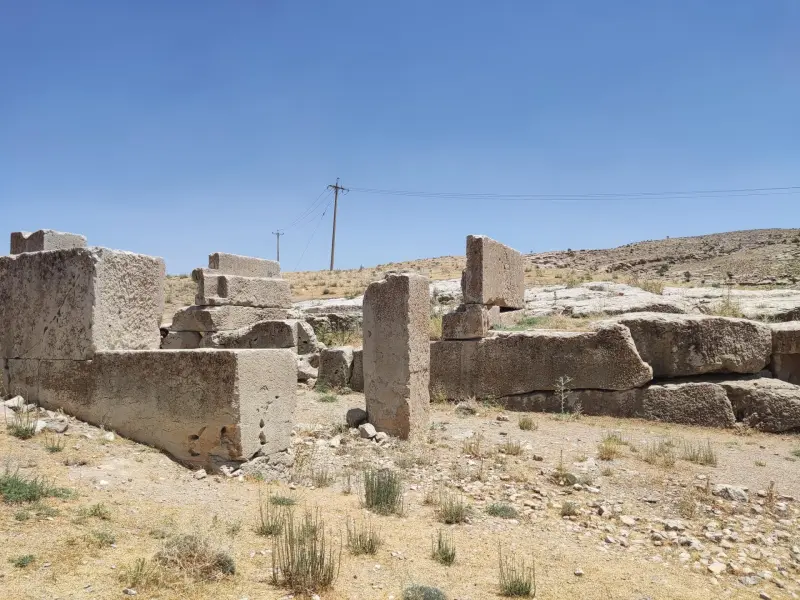
The remains of Estakhr include the ruins of great stone gateways, columns and architectural walls, Islamic and Sasanian structures, and evidence of extensive urban life in the past, which gives an impression of its grandeur in antiquity. To visit Estakhr, set out from Shiraz or Marvdasht. The ancient site lies along the main road to Persepolis and can be reached by private car or on historical tours. The best time to visit is early spring and autumn, when the weather is milder and the natural light is better for seeing the details of the remains. While visiting, follow the principles of responsible tourism: keep away from fragile remains, avoid touching the stone structures directly, and do not leave litter, so that this valuable heritage is preserved for future generations.
Written by زهرا لنگری Last updated
What you can do here, and what it takes
مسیرهای هموار اطراف محوطه و میان بقایای شهری برای پیادهروی سبک و کاوش در آثار باستانی بسیار مناسب است.
Province Fars
Province Fars
Province Fars
Province Fars
Province Fars
Province Fars


Unfortunately, no comments have been registered.