
 Attractions
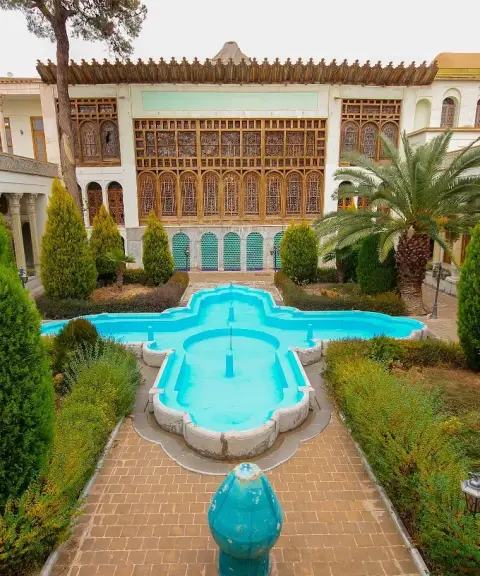
Moshir al-Molk Ansari House
Province Isfahan
- Walking
A Safavid-era relic in the historic fabric of Isfahan
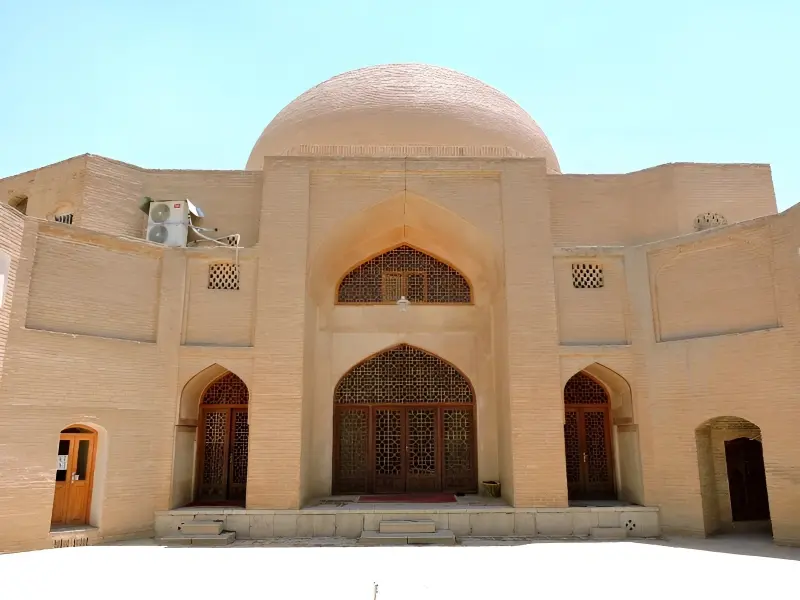
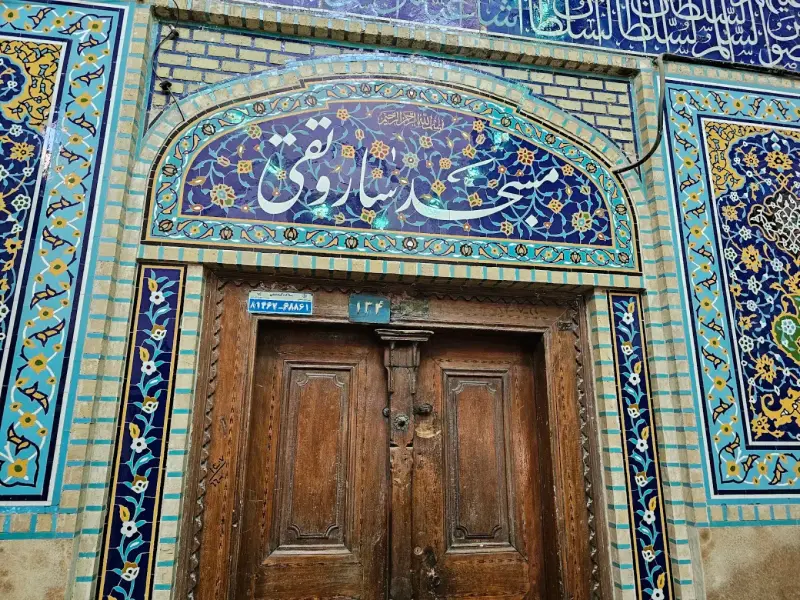
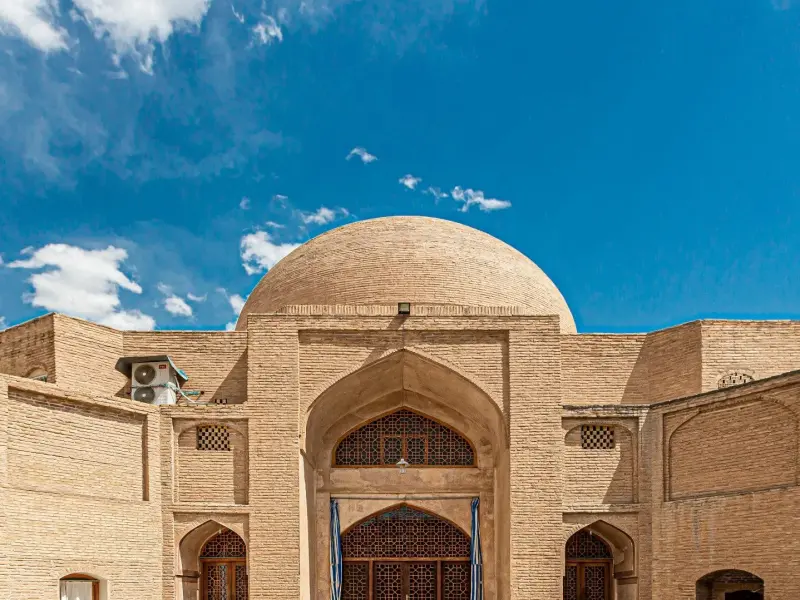
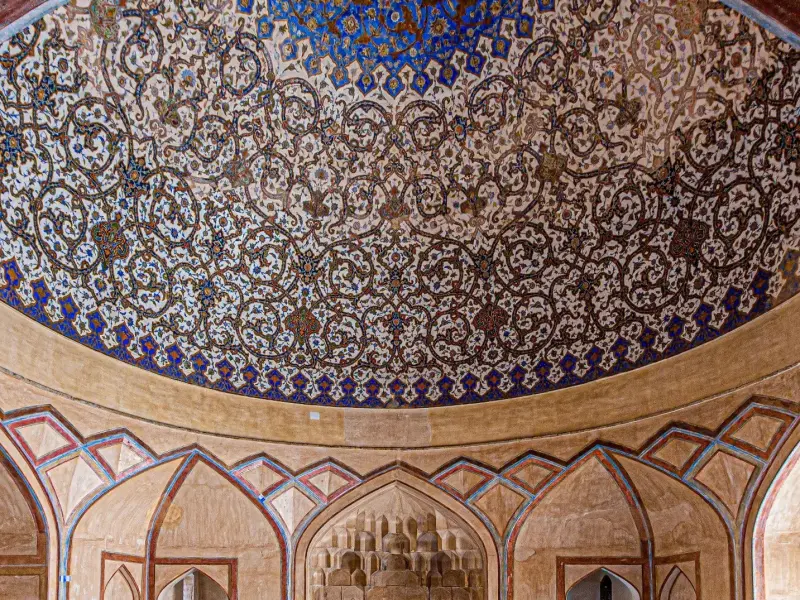
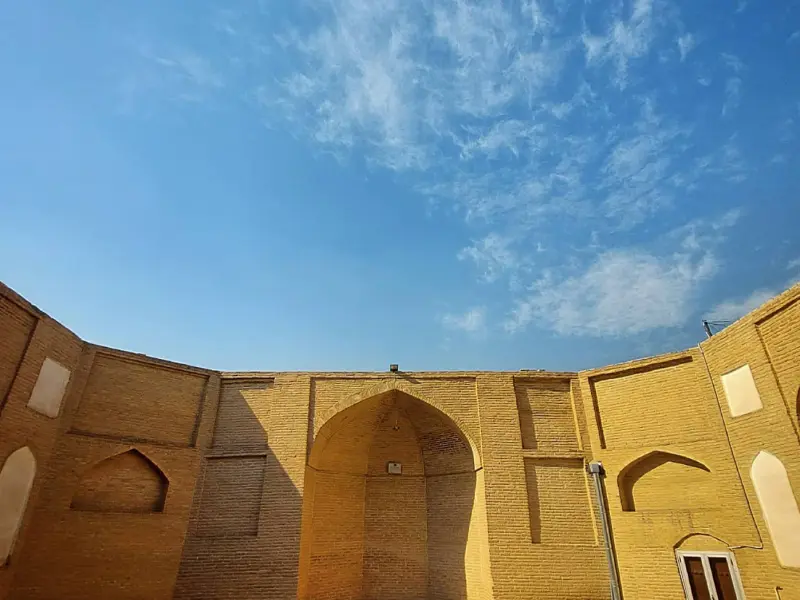
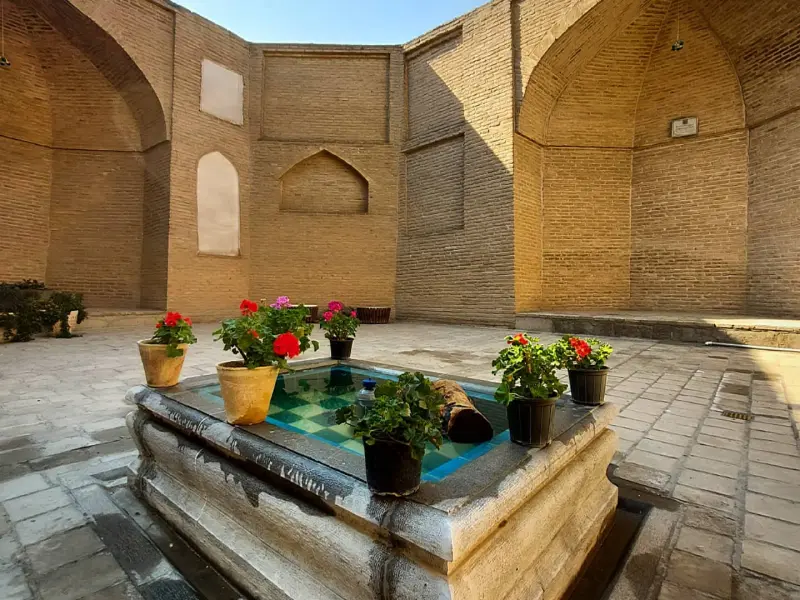
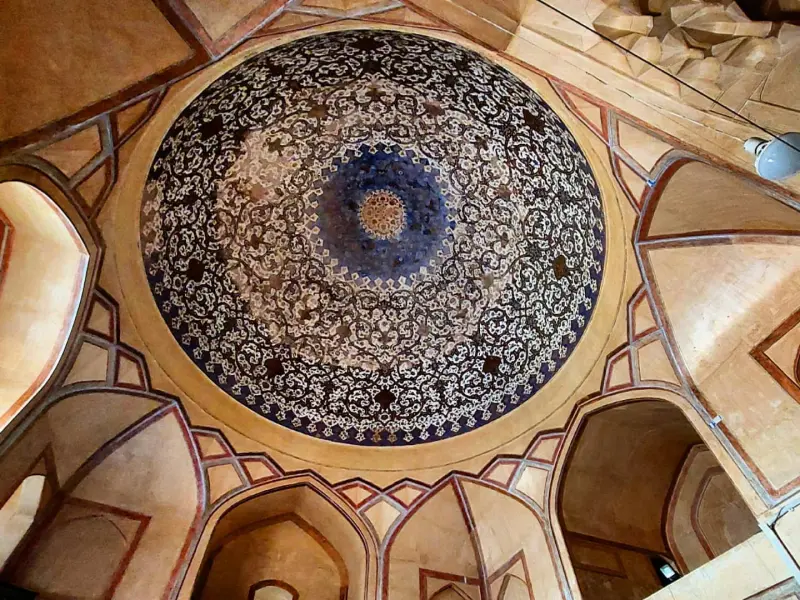
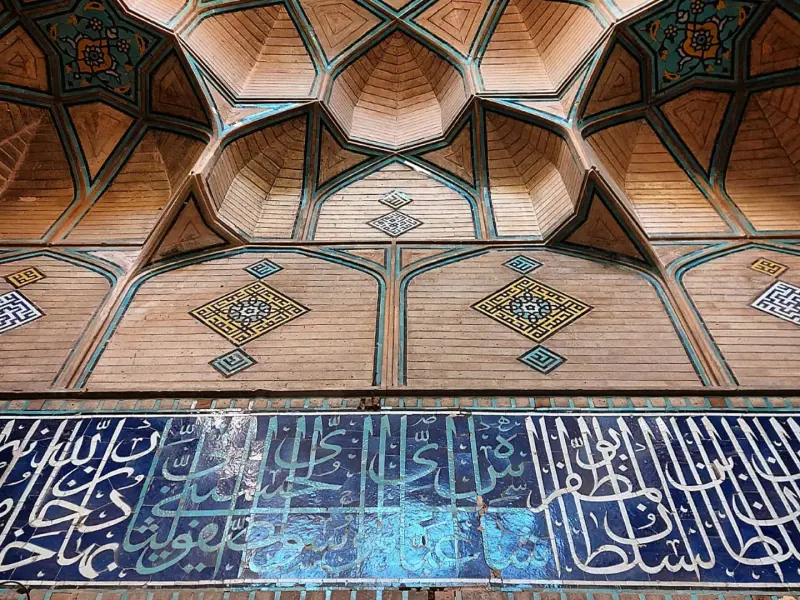
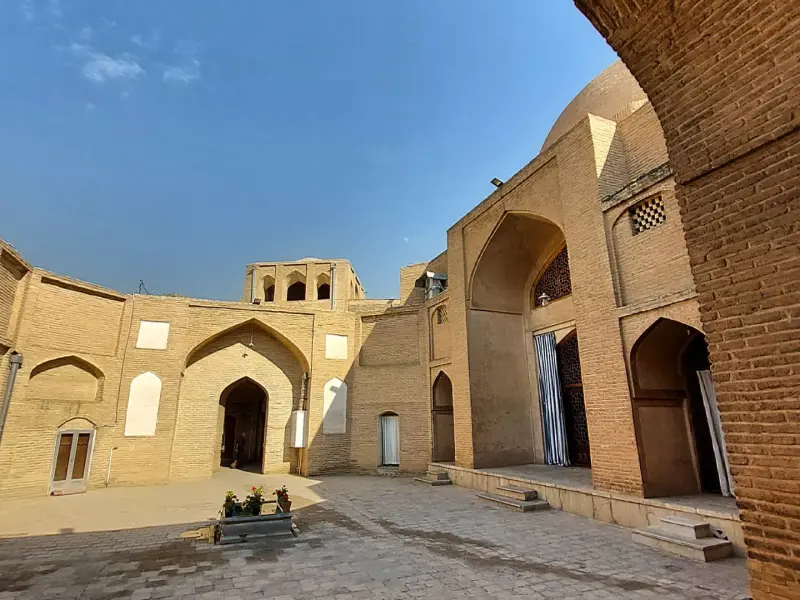
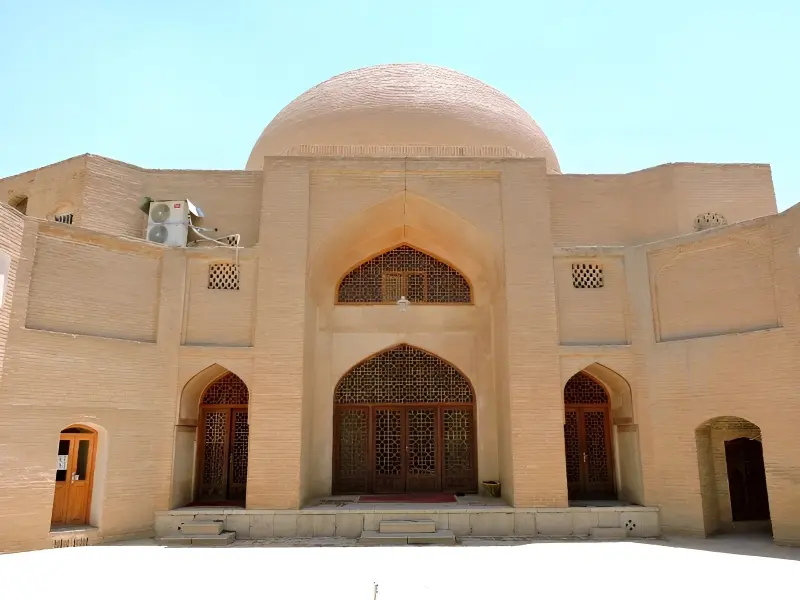
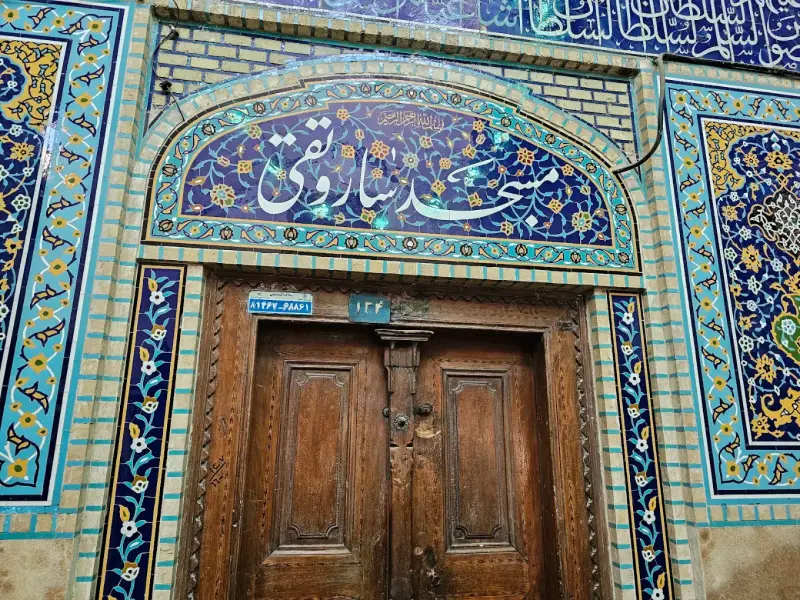
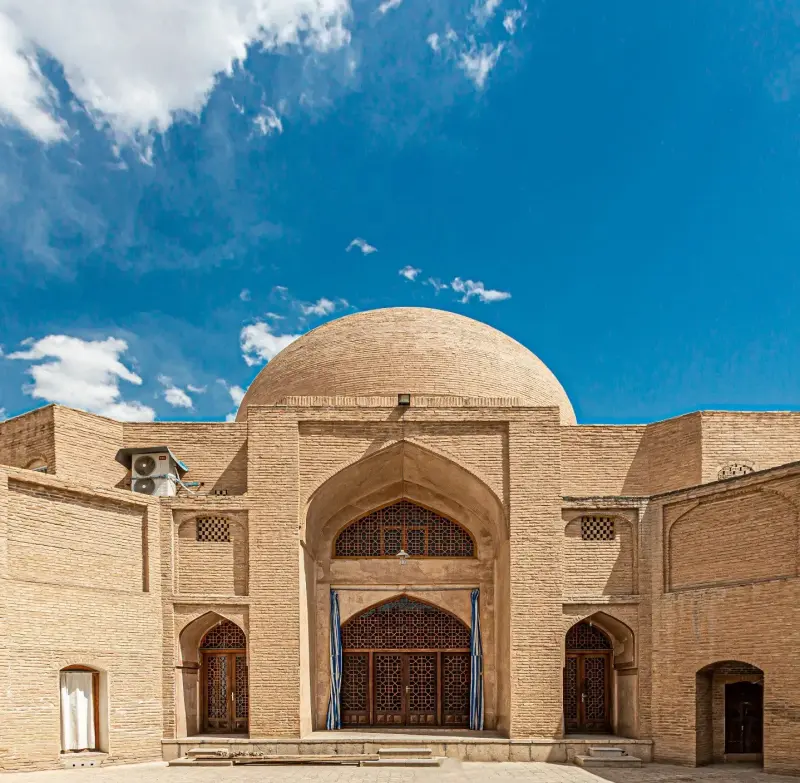
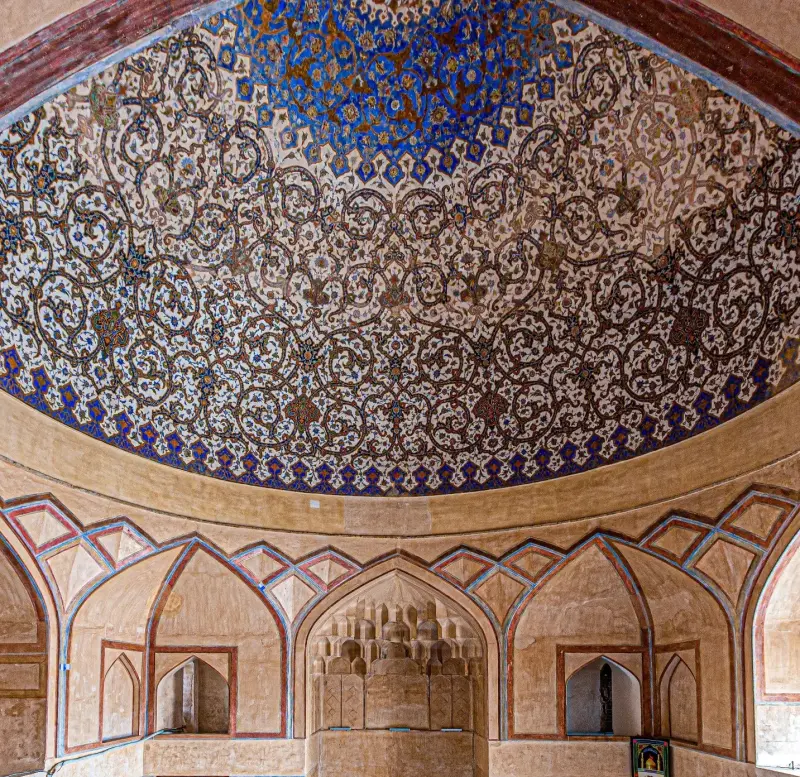
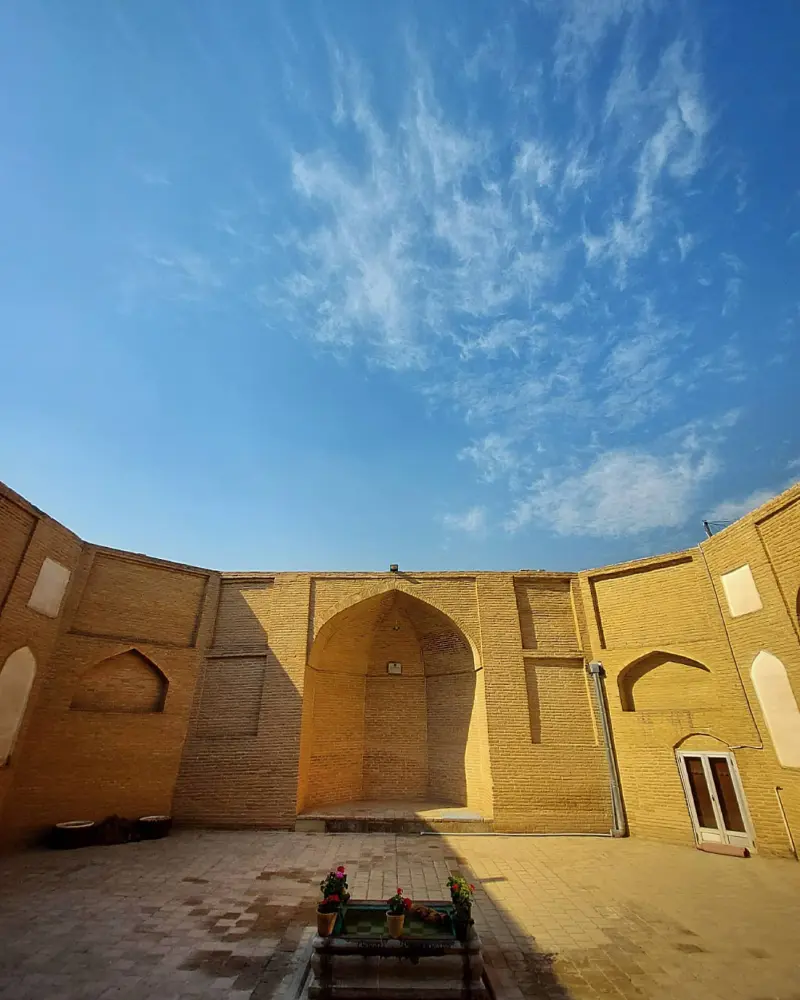
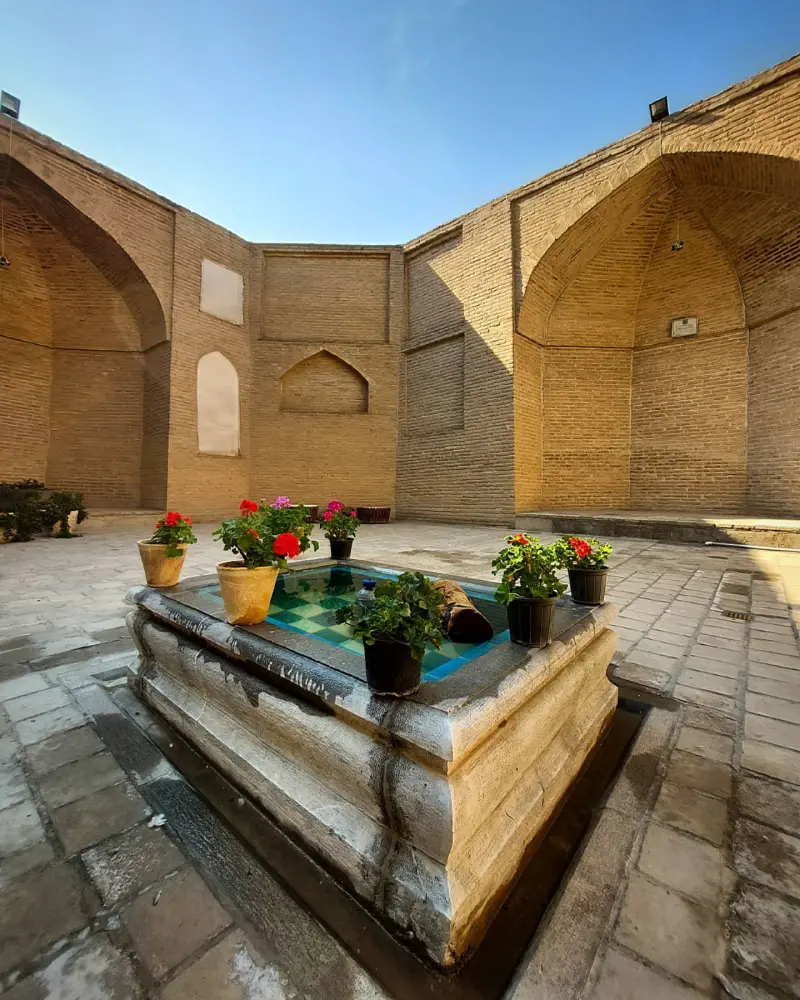
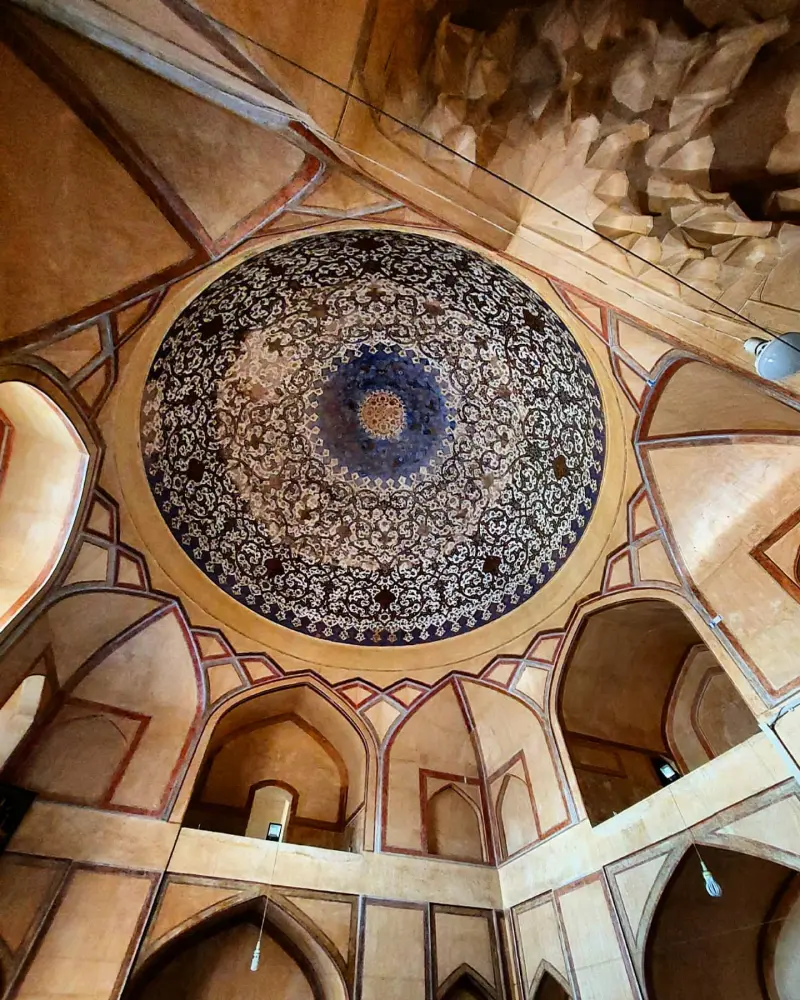
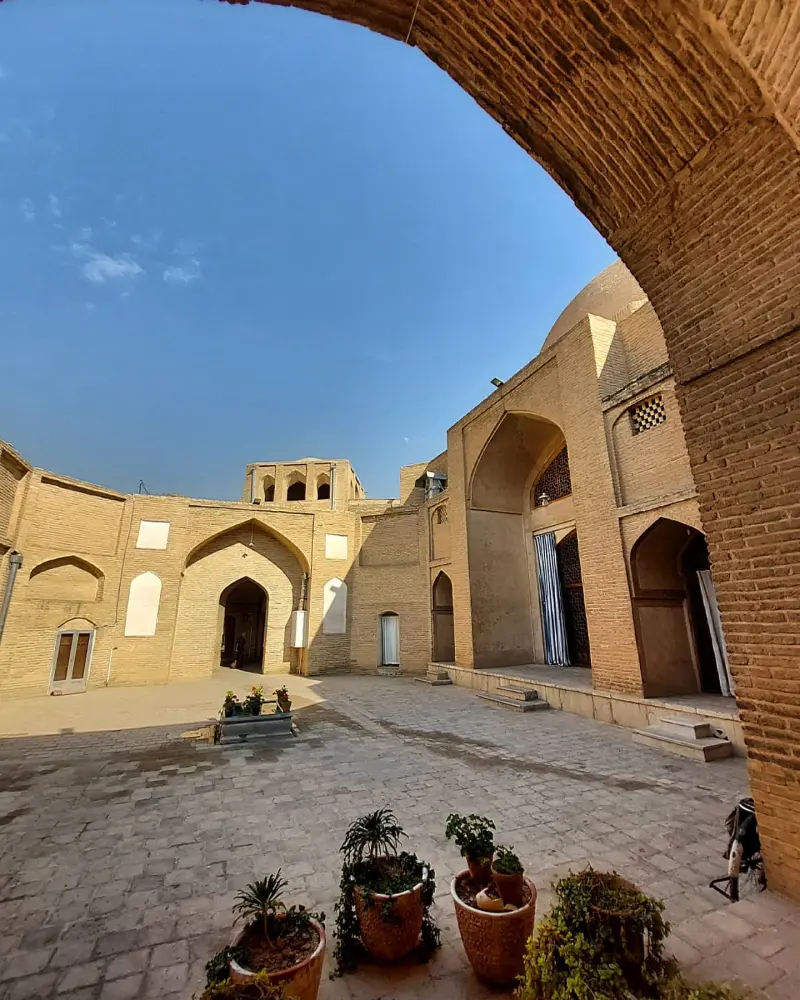
The Saru Taqi Mosque is a historic Safavid-era building in Isfahan. It stands in the Hasanabad Bazaar area, in the Emamzadeh neighbourhood, between the Maqsoud Beyg Bazaar and the Hasanabad Bazaar, next to the Emamzadeh Ahmad shrine. It was built on the orders of Mirza Mohammad Taqi, son of Hedayatollah Tabrizi and known as Saru Taqi, a powerful vizier under Shah Safi and Shah Abbas II. The inscription over its portal bears the date 1053 AH (lunar Hijri). Saru Taqi was murdered in 1055 AH. The building was still unfinished when he died, and it is said that construction continued and was completed because of his popularity. The Saru Taqi Mosque was registered on Iran's National Heritage list on 15 Dey 1310 (Solar Hijri) under number 113. It is one of Isfahan's lesser-known historic buildings and, despite its small size, has considerable architectural and artistic value.
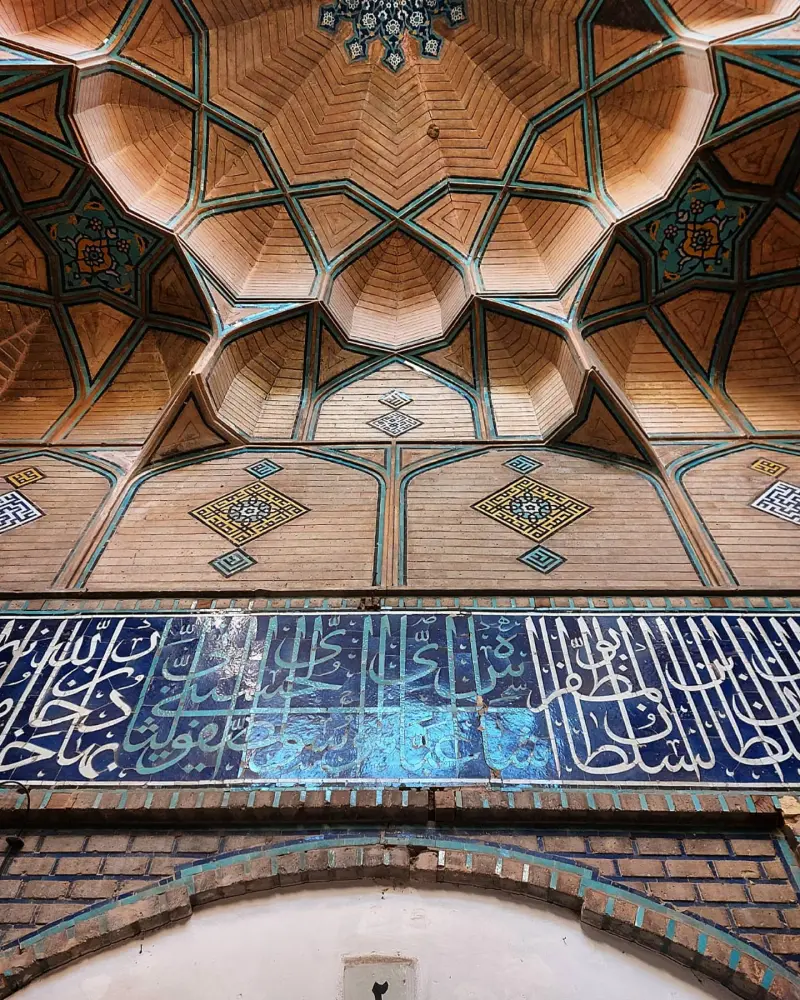
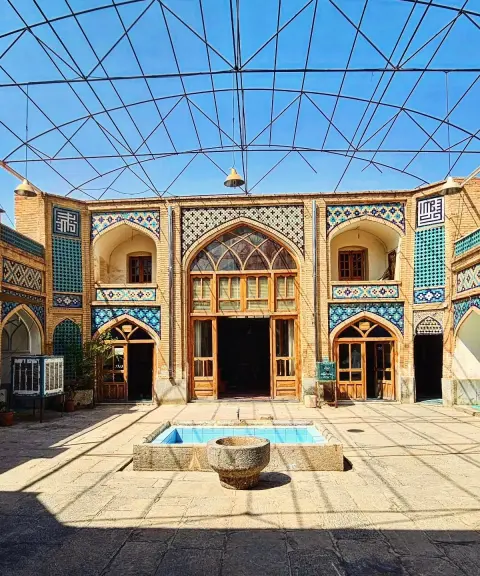
The mosque's most striking feature is the contrast between its exterior and the space beneath its dome. The outside of the dome is built of plain brickwork, but the inner surface is decorated with painting, stucco, illumination and gilding, which sets it apart from many of the domes of Isfahan's historic mosques. This decoration once covered parts of the building's walls as well, but in later periods those sections were covered over with plaster. There is no inscription inside the dome. The portal facing the bazaar, however, has a tiled inscription in white thuluth script on a lapis-blue ground, with the letters in tile mosaic. It was written by Mohammad Reza Emami Esfahani in 1053 AH. The inscription praises Shah Abbas II and describes Saru Taqi as "patron of the emirs and servant of the poor." The mosque's courtyard is small and plain, and is almost the same size as the prayer hall. The prayer hall sits slightly higher than the courtyard, while the mihrab is set slightly lower than the prayer hall.
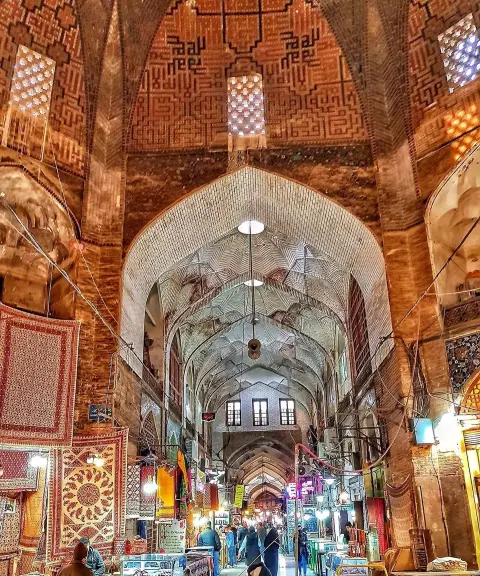
To visit the Saru Taqi Mosque, head into Isfahan's historic quarter and old bazaar, and walk towards the building from the Hasanabad Bazaar and Emamzadeh Ahmad area. Because the mosque lies within the city's historic fabric, you can combine the visit with a stroll through the bazaars and other historic buildings nearby. The mosque has limited activity and is currently opened mostly during prayer times, so it is best to time your visit to coincide with prayers. When you enter, respect the religious setting and the peace of those praying. Spring and autumn, with Isfahan's milder weather, are the best times to explore the historic quarter. In any season, avoid touching the decorations, damaging historic surfaces or disturbing the building's use for worship.
Written by زهرا لنگری Last updated
What you can do here, and what it takes
مسیرهای بافت تاریخی پیرامون مسجد و بازارهای اطراف برای پیادهروی و گشتوگذار فرهنگی مناسب هستند.
Province Isfahan
Province Isfahan
Province Isfahan
Unfortunately, no comments have been registered.