
 Attractions
Hakim Mosque
The splendor of Safavid four-iwan architecture
- Attractions
- Isfahan, Isfahan
- Altitude 1,574 m
- Ability level Beginner
Ability level:
Beginner
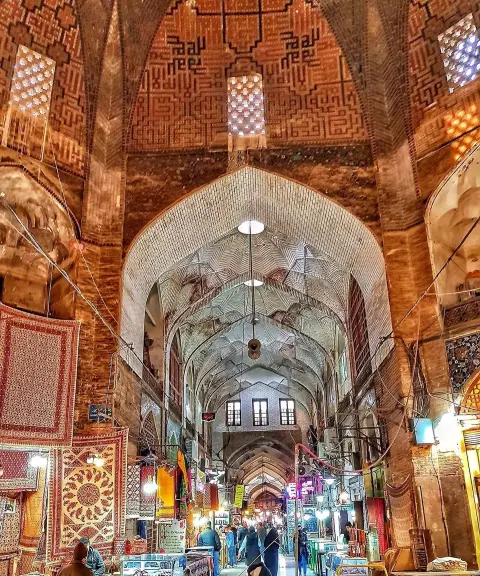
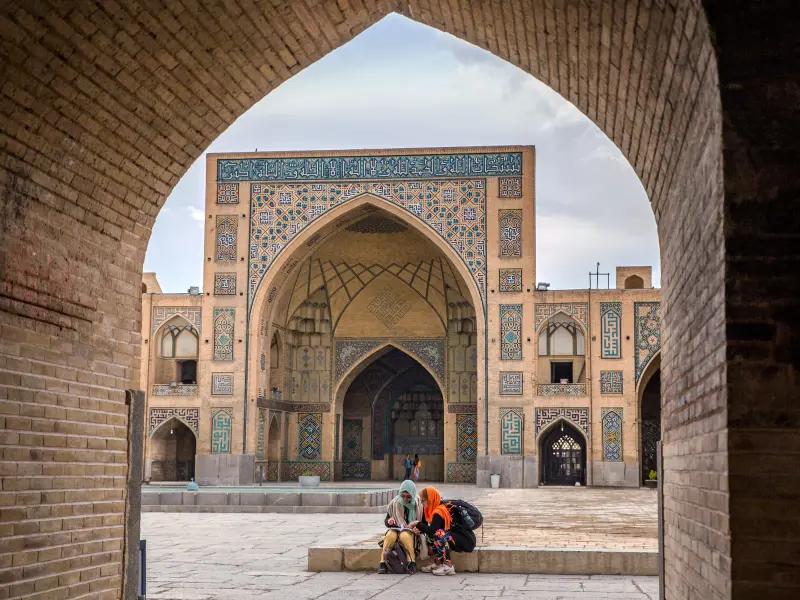
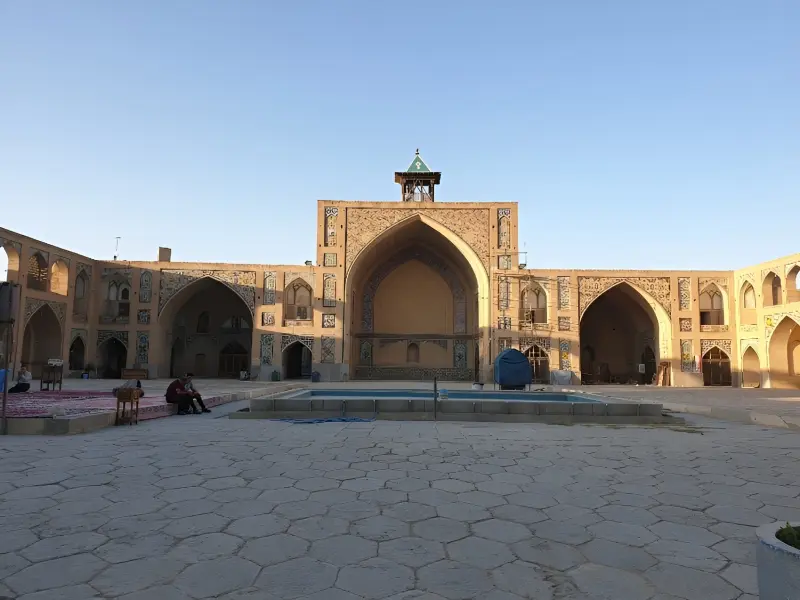
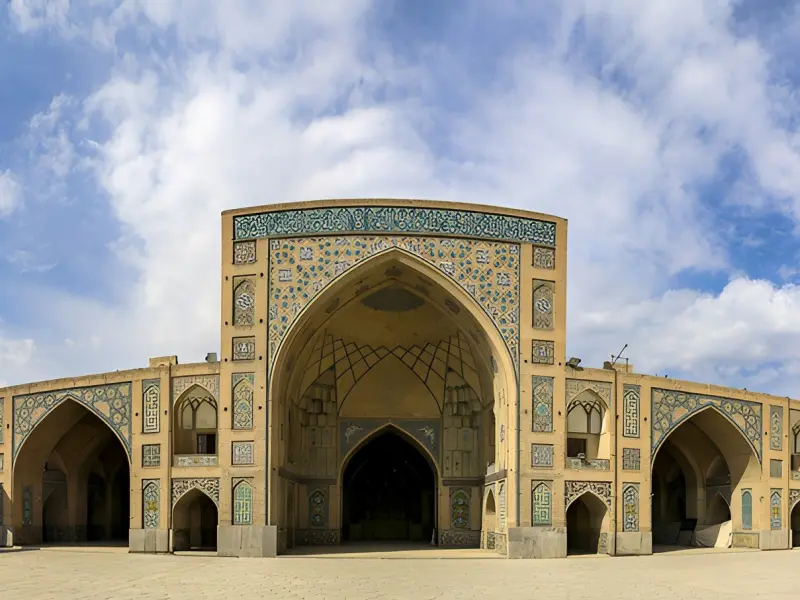
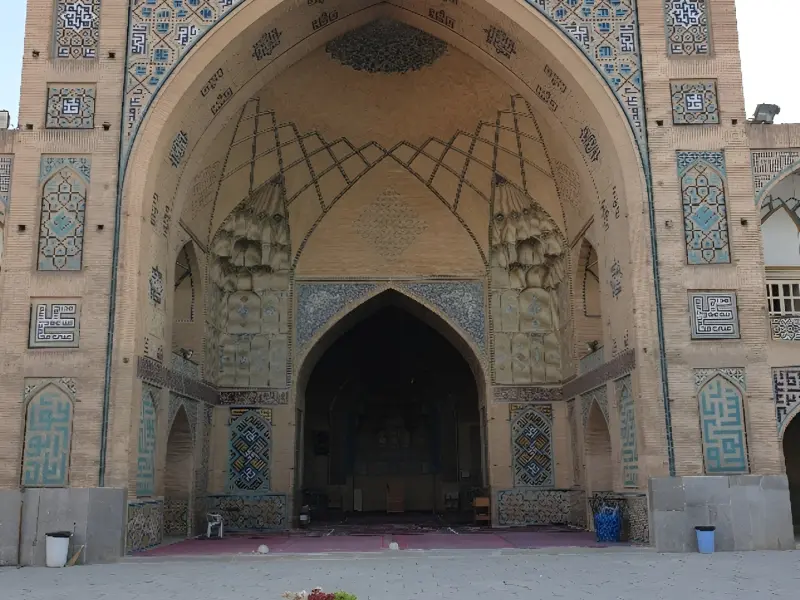
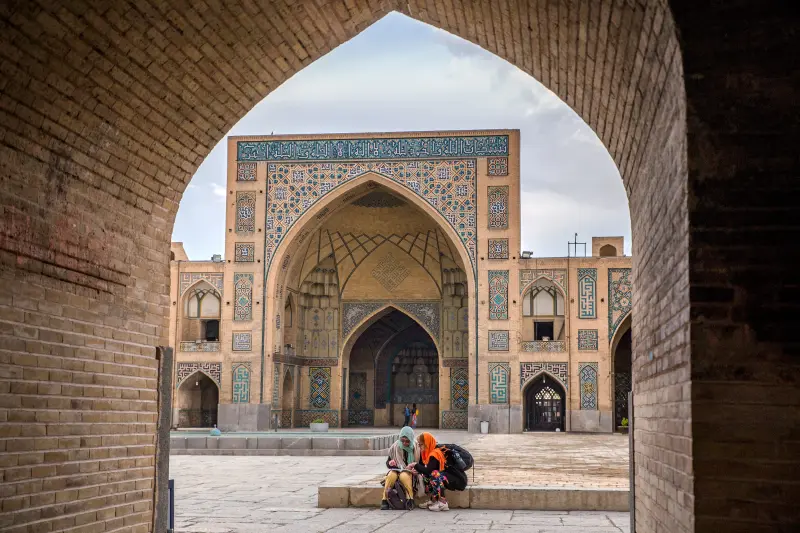
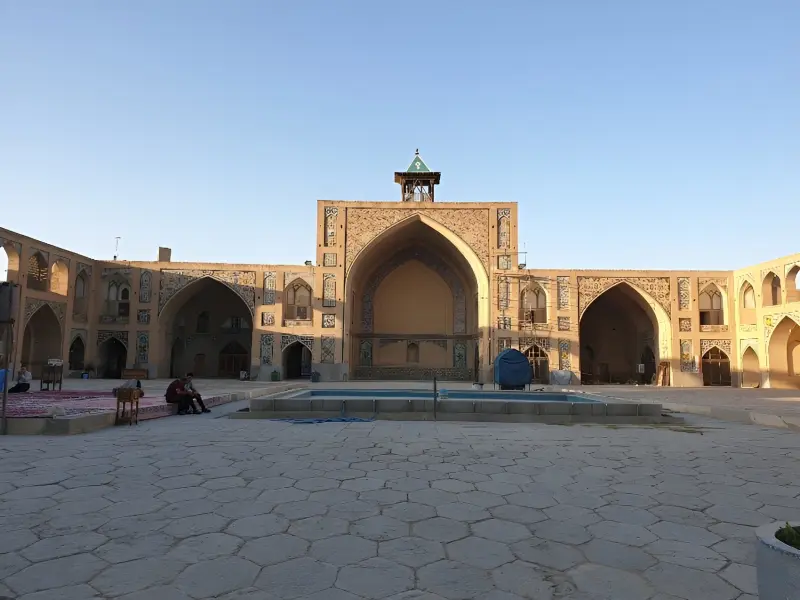
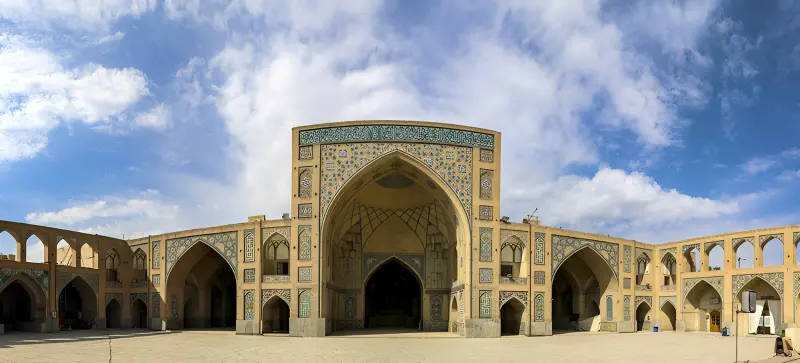
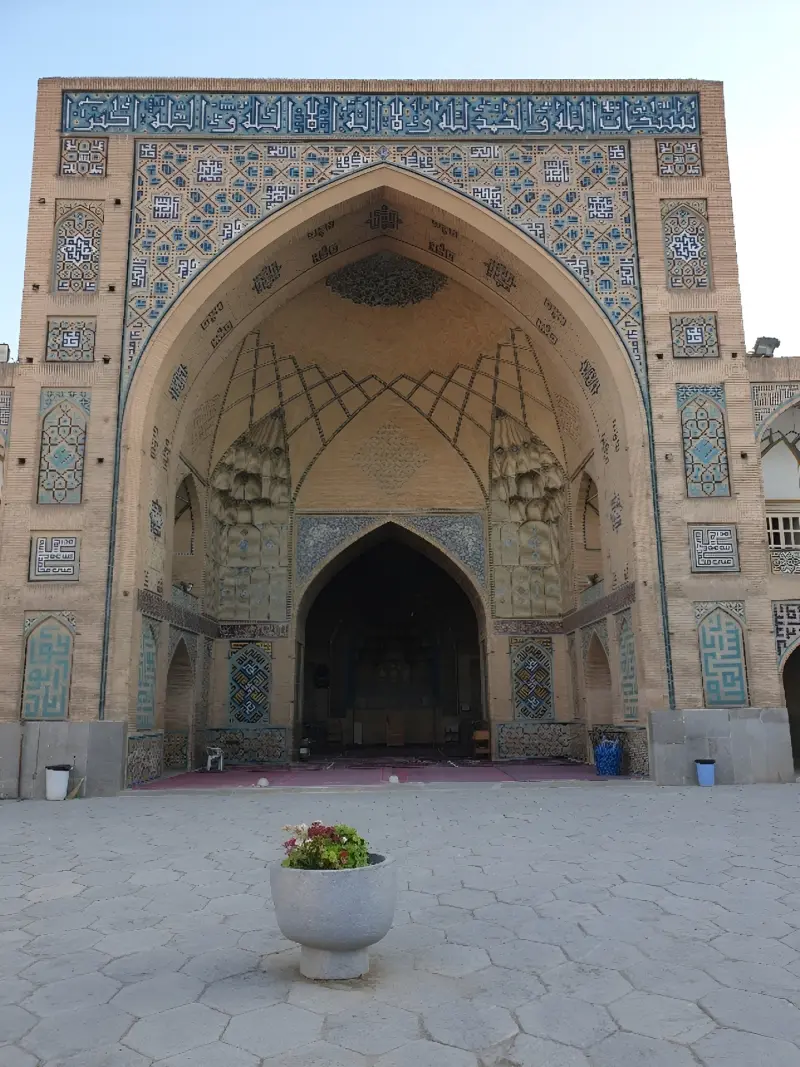
Hakim Mosque, also known as Jorjir Mosque, is a historic building in the city of Isfahan, in Isfahan Province. It stands in the old Bab al-Dasht quarter, at the end of the Rangrazan (Dyers') Bazaar. A work of the late Safavid period and a prominent example of the four-iwan architecture of that era, it was built between 1067 and 1073 AH (lunar Hijri). Its founder, Hakim Mohammad Davud, was the physician of Shah Abbas II and a well-known figure of the Safavid period, and the mosque takes its name, "Hakim Mosque", from him. The name "Jorjir" goes back to the history of the site: Hakim Mosque was built on the site of a mosque from the 4th century AH, known as the Jorjir Mosque or the Mosque of Sahib ibn Abbad. The historic complex covers about 8,000 square meters and was registered on Iran's National Heritage List in 1313 SH (solar Hijri) under number 223.
With an irregular plan, a spacious courtyard and four iwans on its four sides, Hakim Mosque holds a valuable collection of brickwork, tilework, girih (geometric interlace) patterns, muqarnas and architectural calligraphy. The mosque has three main entrances; the eastern, western and northern portals are each decorated differently, and the northwestern portal is linked to the surviving entrance of the Daylamid-era Jorjir Mosque. The courtyard measures about 61 by 53 meters and has a stone pool at its center. Among the most important parts of the building are the four iwans, four prayer halls (shabestans) and numerous mihrabs. The largest mihrab is in the main prayer hall, behind the southern iwan, and is decorated with marble, turquoise tiles and inscriptions of Quranic verses. The mosque's inscriptions, dated between 1067 and 1073 AH, are the work of Mohammadreza Emami, a renowned calligrapher of the Safavid period. The pool house, with its formal rasmi-bandi structure and the arched niches around the pool, two sundials and the varied decoration of the iwans are other notable features. The names of Mohammad Ali, son of Master Ali Beyg the Isfahani builder, and Mirza Mohammad the tile-maker also appear in the inscriptions in connection with the mosque's architecture and tilework.
Hakim Mosque can be reached via Hakim Street and Hakim Mosque Alley, and visitors arriving by private car can use the car parks in the area. The mosque lies in the city's historic quarter, so a visit can easily be combined with a stroll through the bazaars and other historic buildings of central Isfahan. Given Isfahan's climate, spring and autumn are better seasons for walking and exploring the historic district around the mosque. However, the exact times for visiting the interior may depend on the mosque's schedule and the conditions on the day. When visiting, the key principles of responsible tourism at this historic attraction are to keep quiet and respect the building's religious character, avoid touching the tiles, inscriptions and decorations, avoid causing damage or littering, and be considerate of worshippers' privacy.
Written by زهرا لنگری Last updated
Activities
What you can do here, and what it takes
-
Walking
کوچهها و بازارهای اطراف مسجد در بافت تاریخی بابالدشت برای پیادهروی و گشتوگذار شهری مناسب هستند.
Specifications
Introduction of the location and specifications of Hakim Mosque
Construction Period:
Safavid
Location:
Isfahan, Isfahan
Coordinates:
32.66328140, 51.67441376
Open in maps
Height above mean sea:
1574 meter
Transports:
Private car, Minibus, Bus
Tourist Attractions in Isfahan
Attractions that are nearby
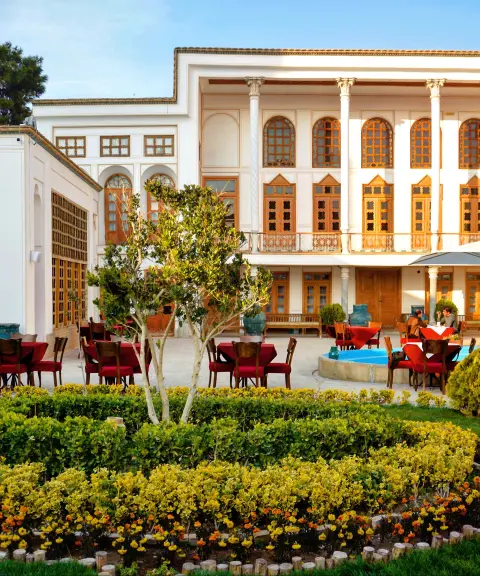
Dehdashti House
Province Isfahan
- Walking
Qajar-era living blended with a vivid experience of history and café culture
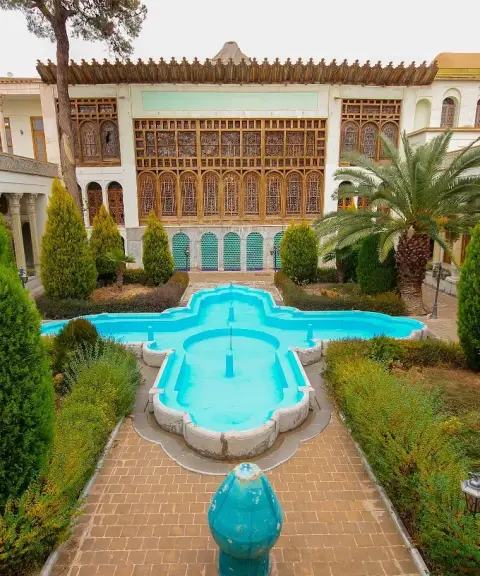
Moshir al-Molk Ansari House
Province Isfahan
- Walking
The splendor of Safavid aristocratic architecture in the heart of Isfahan
Related tags:
Unfortunately, no comments have been registered.