
 Attractions
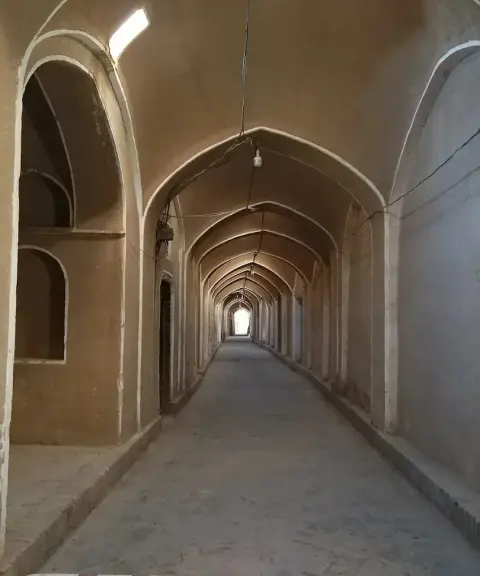
Historic Bazaar of Zavareh
Province Isfahan
- Walking
A Masterpiece of Seljuk-Era Four-Iwan Architecture
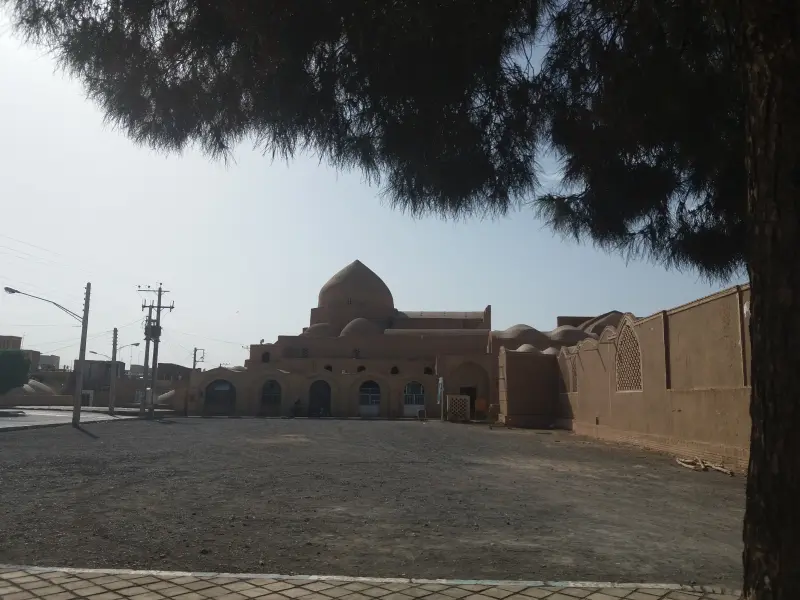
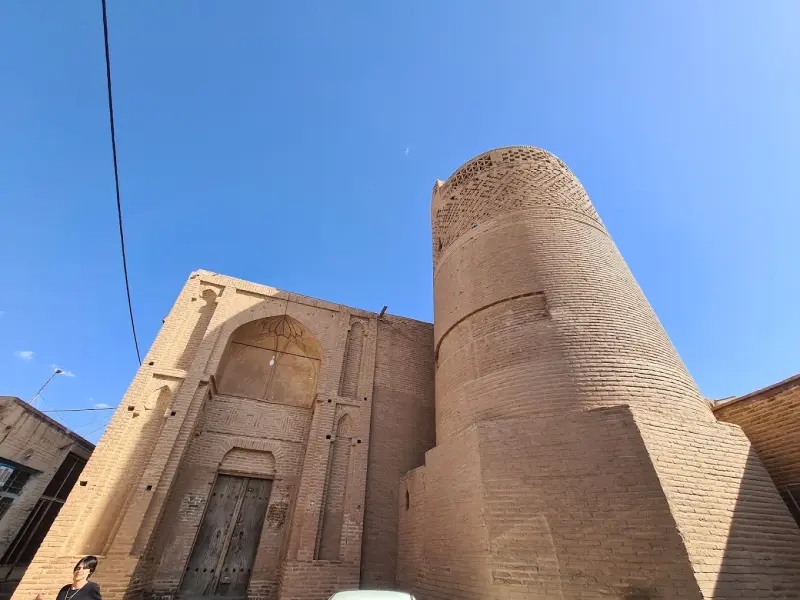
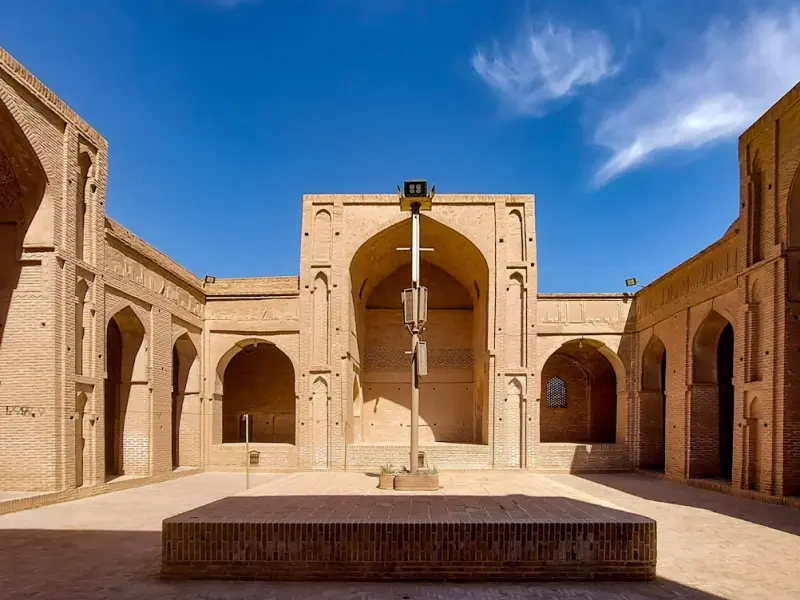
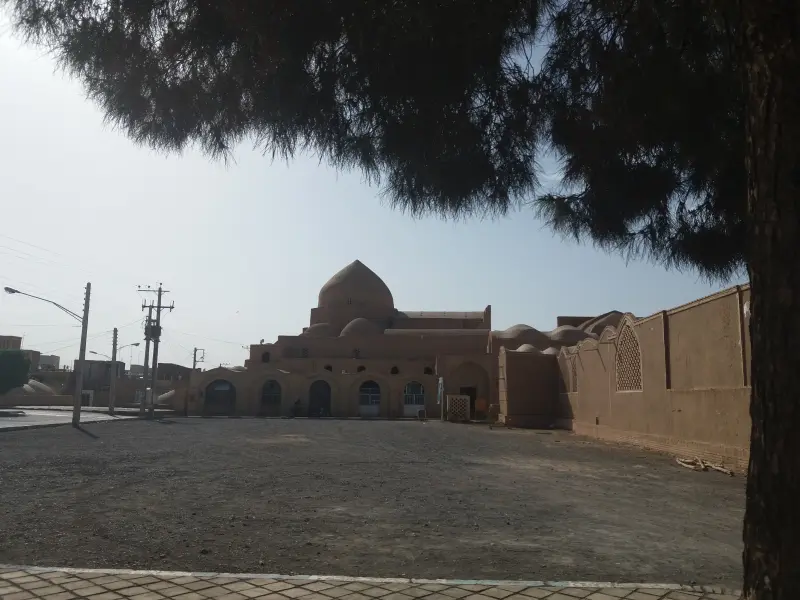
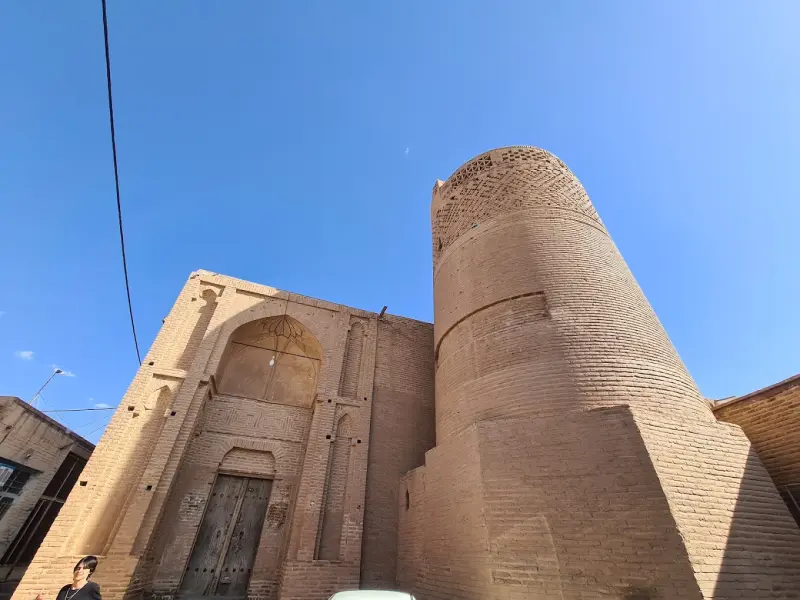
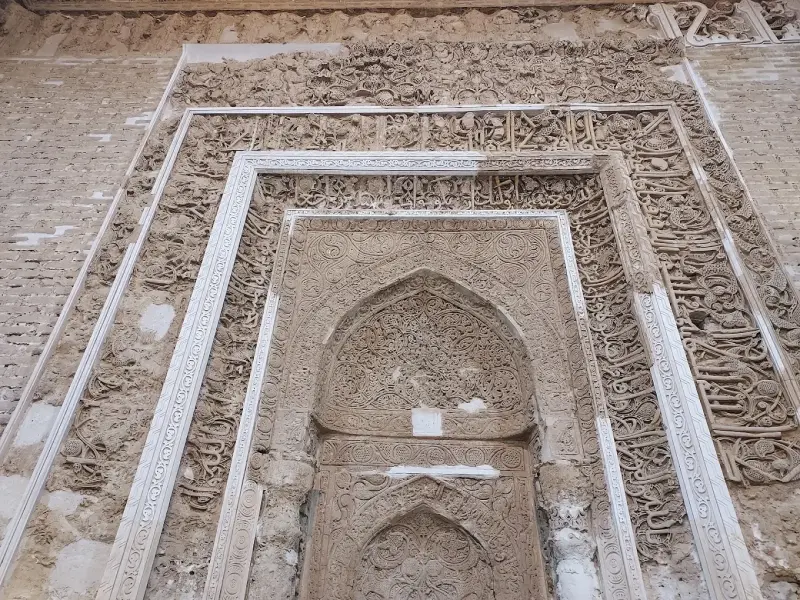
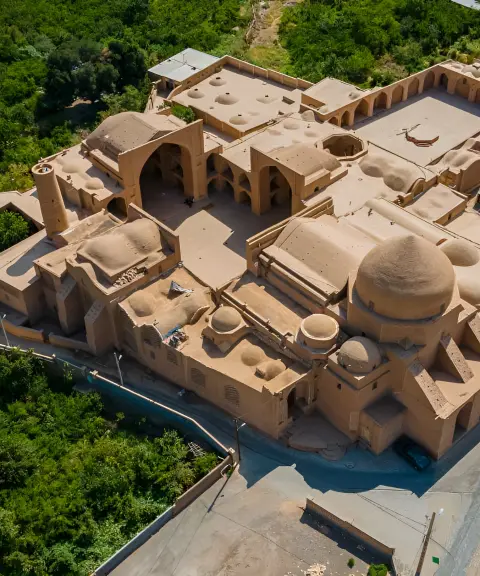
The Jame Mosque of Zavareh is one of the most valuable historic buildings in the city of Zavareh, in Ardestan County, Isfahan Province, and holds a special place in the history of Iran's Islamic architecture. The mosque was built in the 6th century AH during the Seljuk period, and according to the building's historical inscription, its construction was completed in 530 AH. The Jame Mosque of Zavareh is regarded as one of the earliest Iranian mosques built on a four-iwan plan, a model that later spread through the architecture of many mosques in Iran. Although there are differing views about the original form of the building and when the fourth iwan was added, the mosque remains an important monument for understanding how mosque architecture evolved in Iran. This historic building stands in the heart of Zavareh's old quarter, near the bazaar, in Pamenar Alley, and was registered on Iran's National Heritage list on 12 Esfand 1315 under number 283.
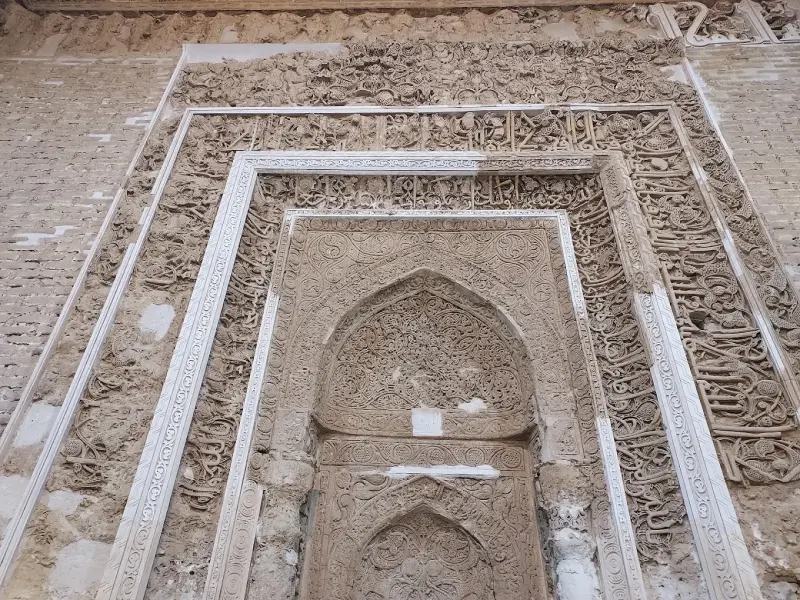
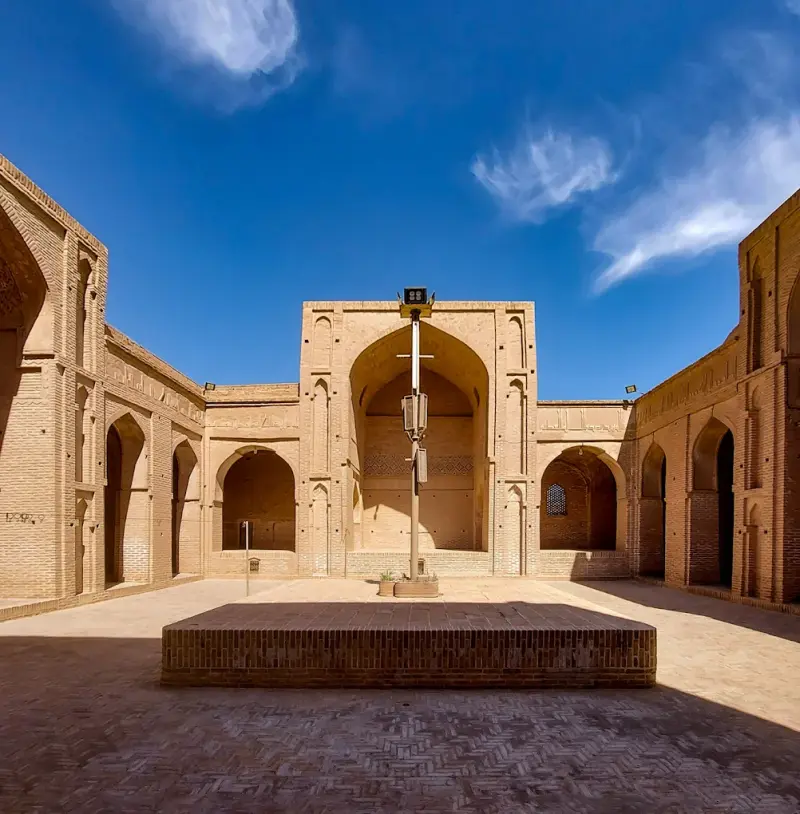
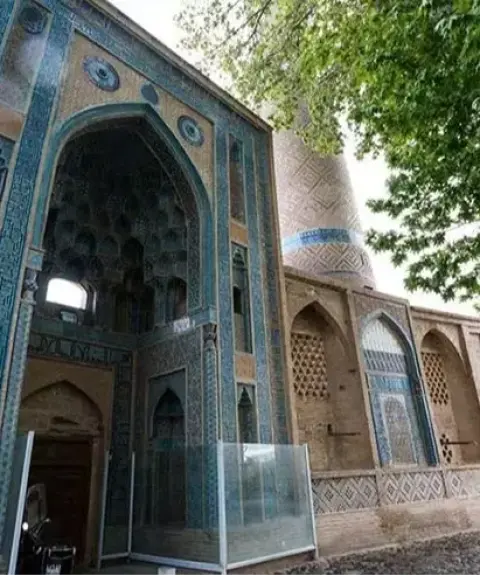
The Jame Mosque of Zavareh has a rectangular plan with a square central courtyard, and consists of four iwans, a domed chamber, prayer halls (shabestans), porticoes and a mihrab. The use of brick in the construction, along with brick decoration and stucco work, gives its architecture a distinctive character, and the harmony among its different elements is one of the hallmarks of this historic monument. The mihrab, whose construction is attributed to 551 AH, is among the most outstanding parts of the complex and is adorned with skilfully made stucco, decorative motifs and inscriptions in Kufic and Naskh scripts. The building's historical inscriptions, including the brick inscription above the façade facing the courtyard and the stucco writing around the domed chamber, contain Quranic verses and some historical information about the mosque, although parts of them have been damaged over time. The prayer halls, vaults and domed chamber also offer a good opportunity to learn about the construction methods and architectural decoration of the Seljuk period. Besides introducing you to an ancient religious building, a visit to this mosque lets you study the development of the four-iwan layout and of brickwork in Iranian architecture in an authentic historic setting.
To visit the Jame Mosque of Zavareh, you need to travel to Isfahan Province, Ardestan County and the city of Zavareh. The mosque is located in the city's historic quarter, in Pamenar Alley, in the central part of Zavareh, and can be reached via city streets and the roads leading to the historic neighbourhood. You can get there by private car, or by public transport to Zavareh and then a taxi for the rest of the way. However, because the mosque lies in the old quarter and parking in the surrounding alleys may be limited, it is best to cover the last part of the route on foot. Spring and autumn, when the weather in the area is usually milder, are good times to visit the mosque and wander through Zavareh's historic alleys. Visiting the building itself usually takes less than an hour, but you can plan a longer cultural and historical outing by setting aside more time for the old quarter and the town's other monuments. During your visit, you can help preserve this valuable heritage by respecting the religious character of the space, not touching or damaging the stucco work and inscriptions, not writing graffiti on the walls, and keeping the site clean.
Written by زهرا لنگری Last updated
What you can do here, and what it takes
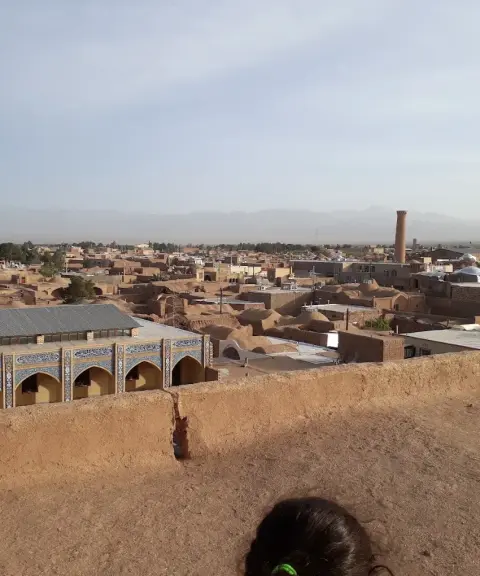
در کوچه پامنار و گذرهای اطراف مسجد میتوان در بافت قدیمی زواره قدم زد و با معماری سنتی شهر آشنا شد.
Province Isfahan
Province Isfahan
Province Isfahan
Province Isfahan

Province Isfahan
Province Isfahan


Unfortunately, no comments have been registered.