
 Historic Castle
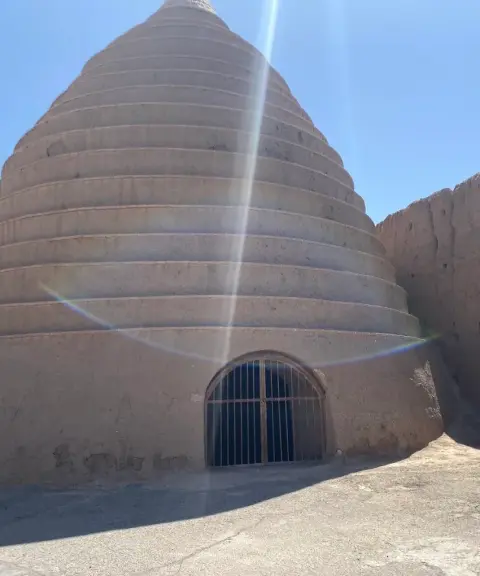

Zavareh Traditional Ice House (Yakhchal)
Province Isfahan
- Walking
A Seljuk fortress with a unique defensive architecture
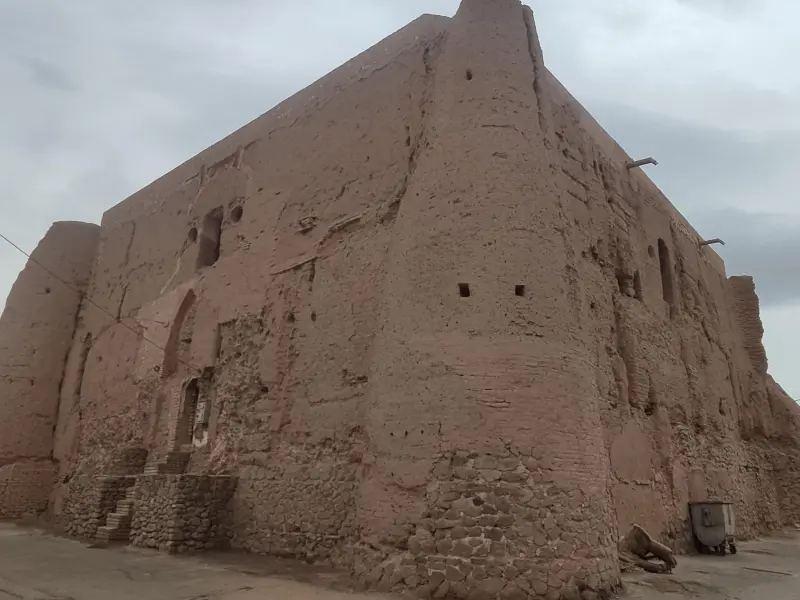
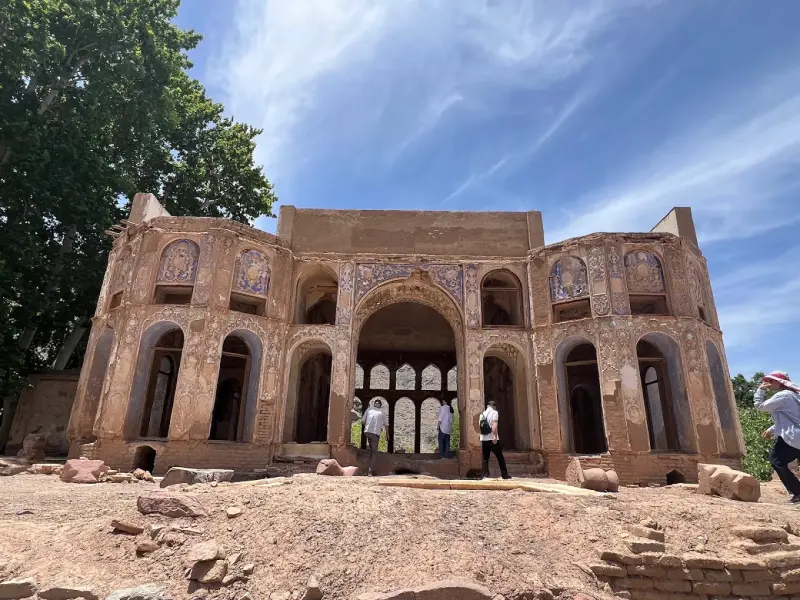
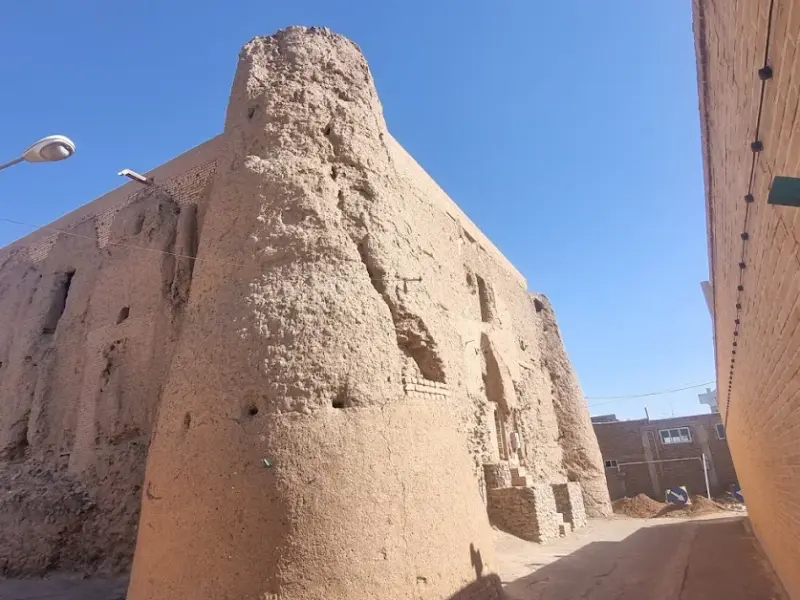
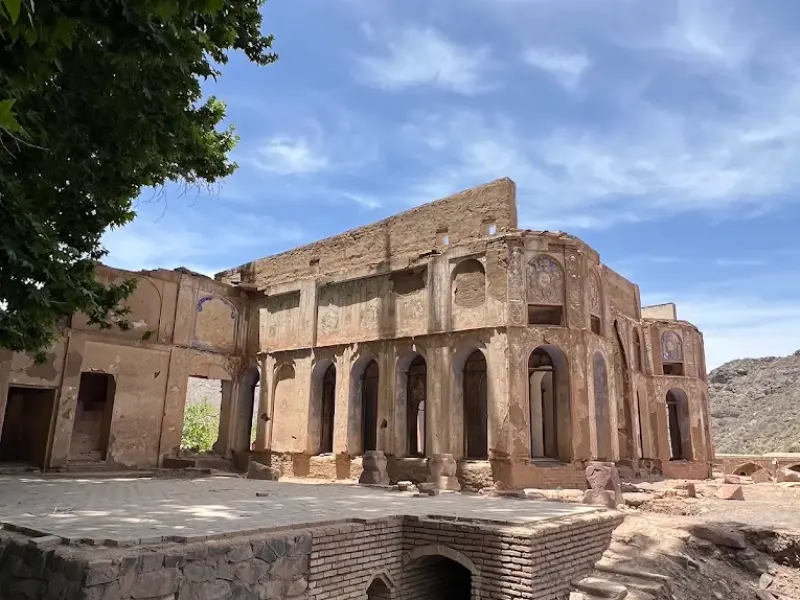
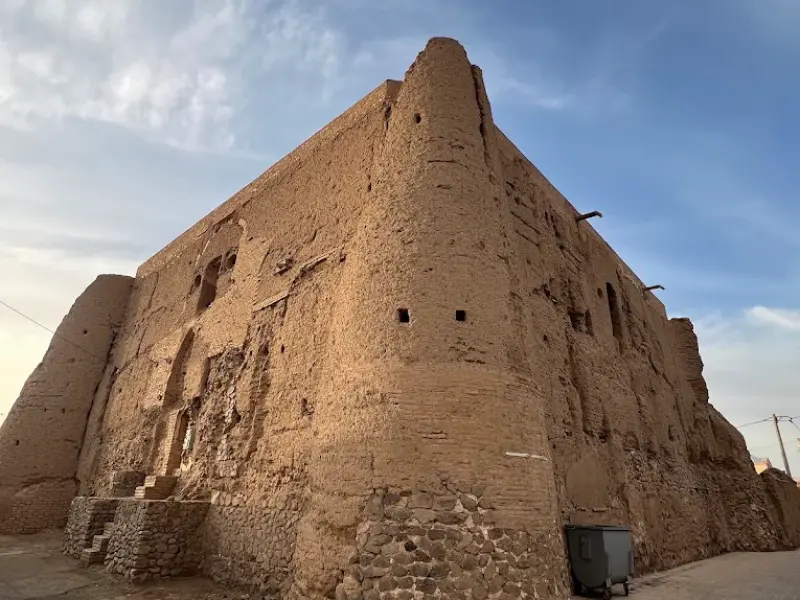
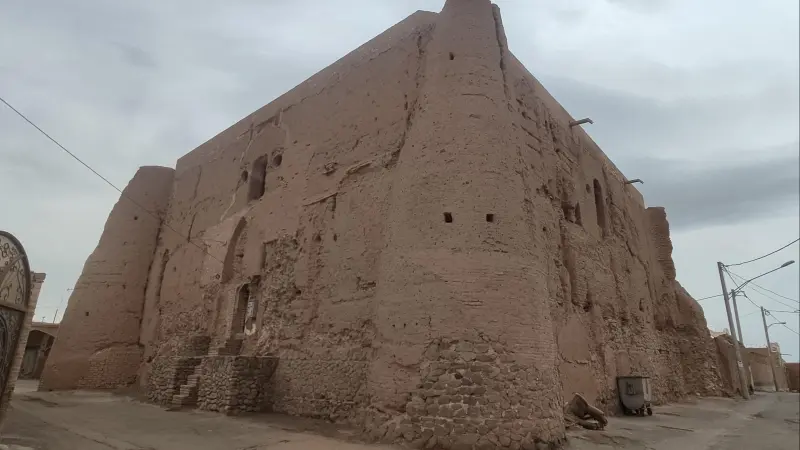
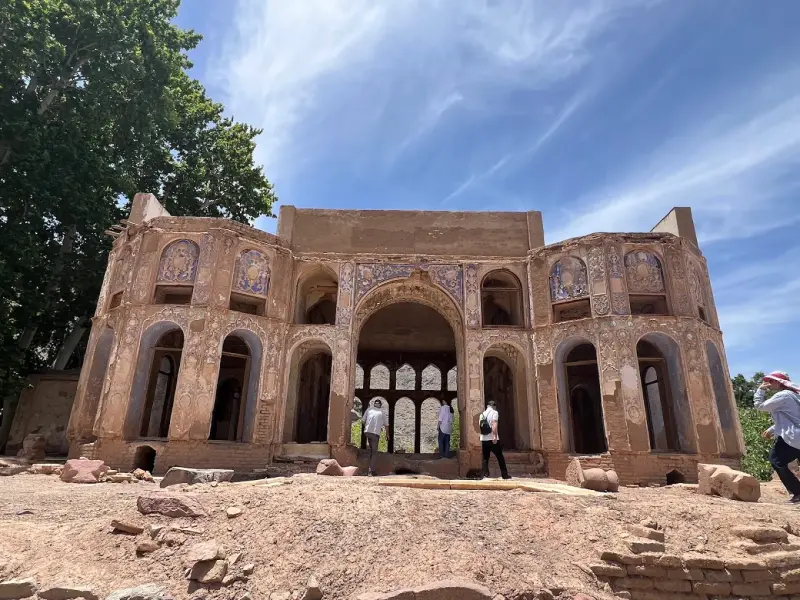
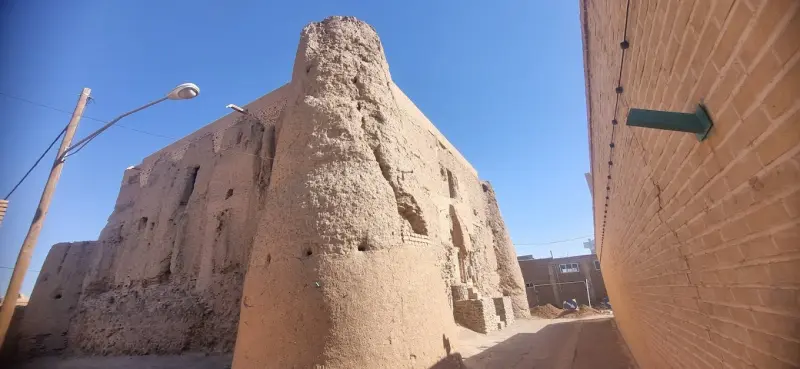
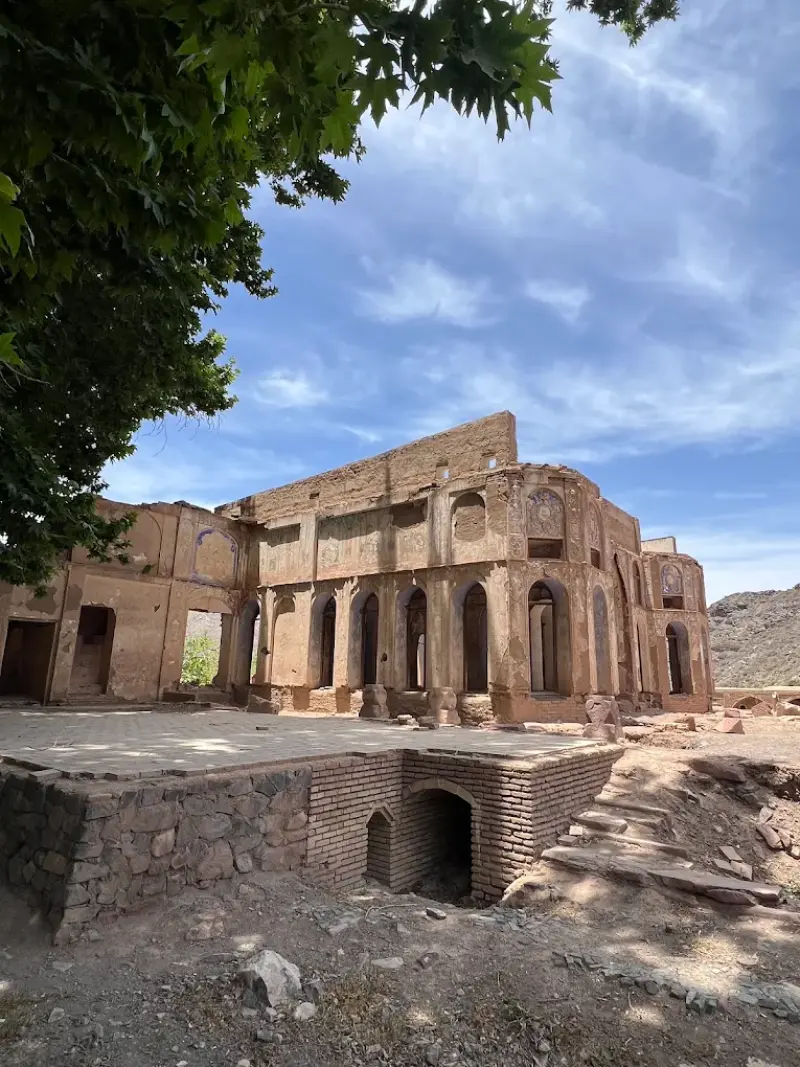
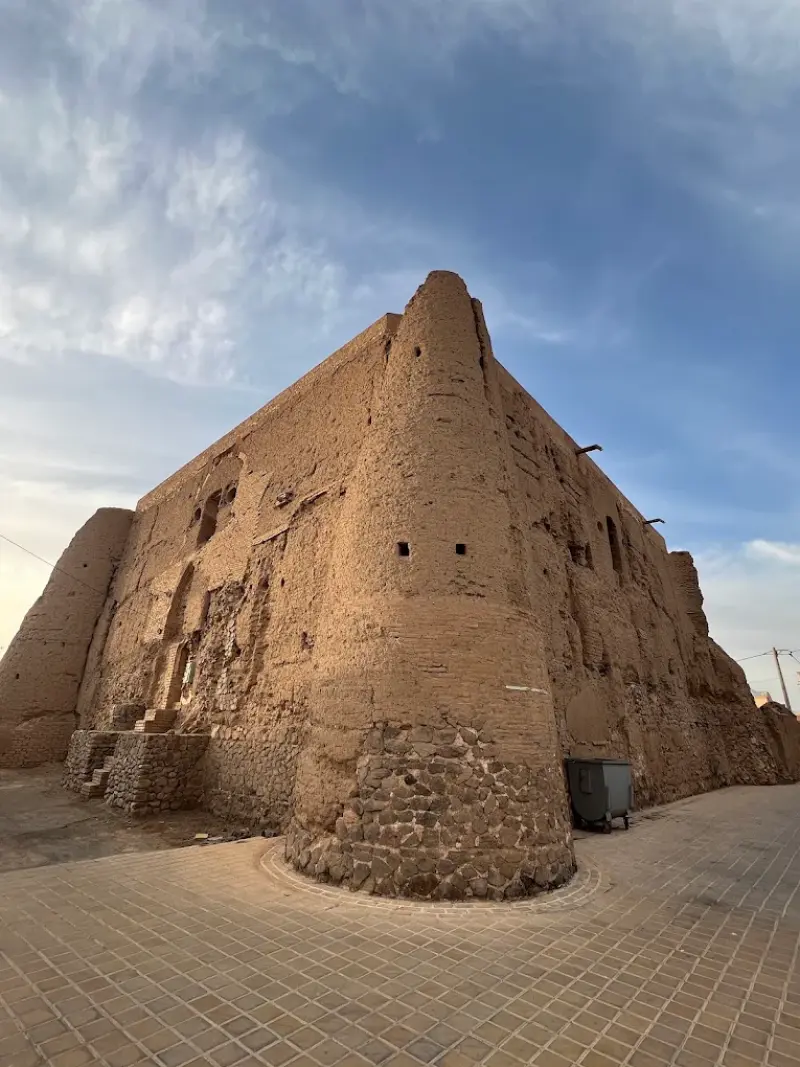
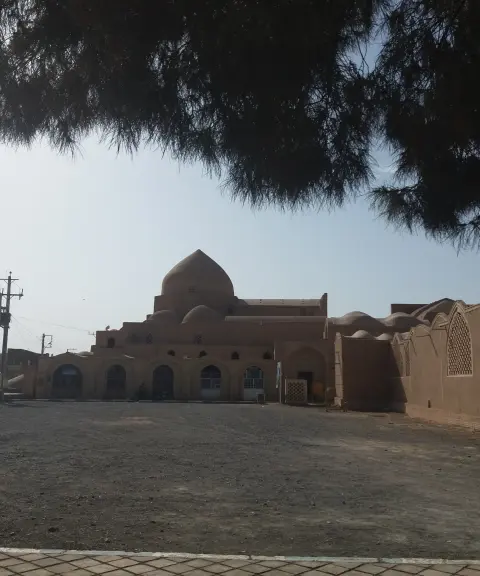
Sang Bast Castle is one of the most distinctive historical monuments in the city of Zavareh, in Ardestan County, Isfahan Province. It stands in the city's historic quarter, on Namazi Street. This defensive castle was built in the 5th century AH (Hijri lunar), during the Seljuk period, by Abu Ali Dehdar of Zavareh, on a plot of about 1,500 square metres. Abu Ali Dehdar was a close associate of Hassan-i Sabbah and a well-known figure of the Ismaili sect, and Sang Bast Castle is said to have been one of the sect's important centres during his years of activity. Thanks to its solid construction and defensive features, it is considered one of the largest and most formidable historical castles in Iran after Alamut Castle. It was registered on Iran's National Heritage list in 2002 (1381 SH) under number 6144.
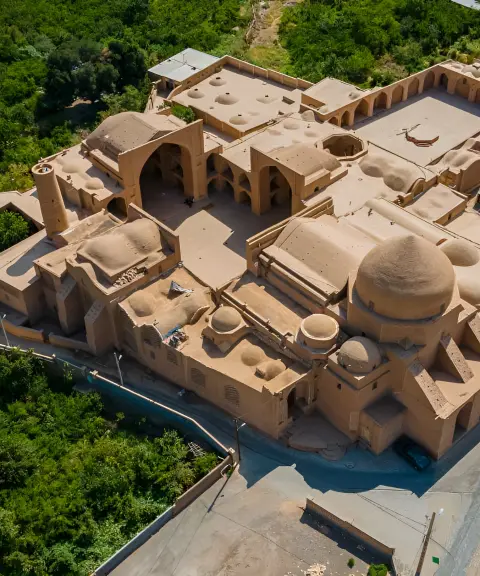
Sang Bast Castle is a cube-shaped, two-storey building about 12 metres high. At its four corners stood cylindrical watchtowers, and its interior included areas such as living quarters, a stable, storerooms and a guardhouse. The castle was built of raw mud brick, clay and earth, with stone used in its lower part. One of the most interesting features of the building is the unusual way of getting in: apart from one small entrance, the castle had no large gate, and it could be entered through windows high up in the walls, which people climbed through with the help of ropes. According to historical and local accounts, the castle also played a defensive role during the Mongol invasion of Zavareh, and people used it as a place of refuge. Although restoration work has been carried out in recent years, including roof improvements in 2017 (1396 SH), parts of the building still need further care and restoration.
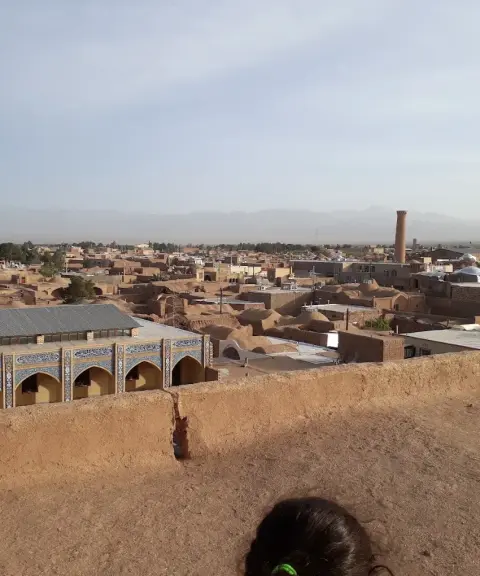
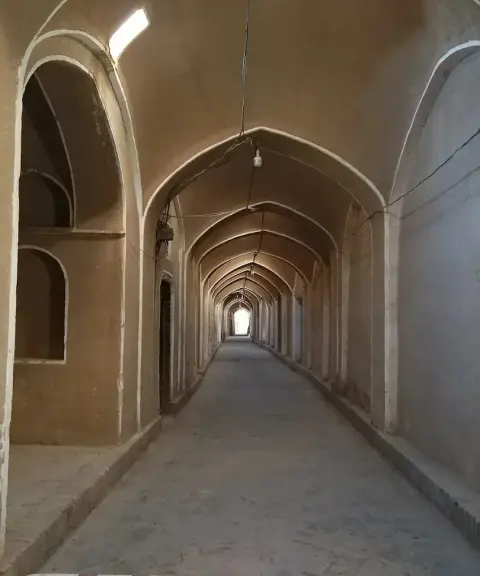
To visit Sang Bast Castle, head to the historic quarter of Zavareh and reach the monument via Namazi Street. A visit takes less than an hour and is free of charge; even so, it is best to check beforehand whether the interior is open to visitors. Since the castle lies within the old part of the city, you can combine your visit with a stroll through Zavareh's historic alleys and see attractions such as the historic bazaar, the Jameh Mosque and the traditional ice house (yakhchal) of Zavareh. Spring and autumn, with their milder weather, are the best times to explore the historic quarter of this desert city. While visiting, please avoid touching the mud bricks and the worn walls, so that this valuable monument can be preserved for future generations.
Written by زهرا لنگری Last updated
What you can do here, and what it takes
کفش پیادهروی به همراه داشته باشید..
Province Isfahan
Province Isfahan
Province Isfahan
Province Isfahan
Province Isfahan
Province Isfahan


Unfortunately, no comments have been registered.