
 Attractions
Pamenar Mosque
A magnificent legacy of Seljuk architecture with an inscribed minaret
- Ability level Beginner
Ability level:
Beginner
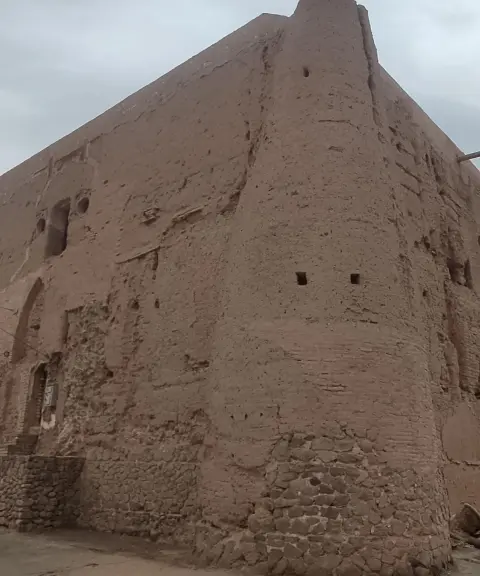
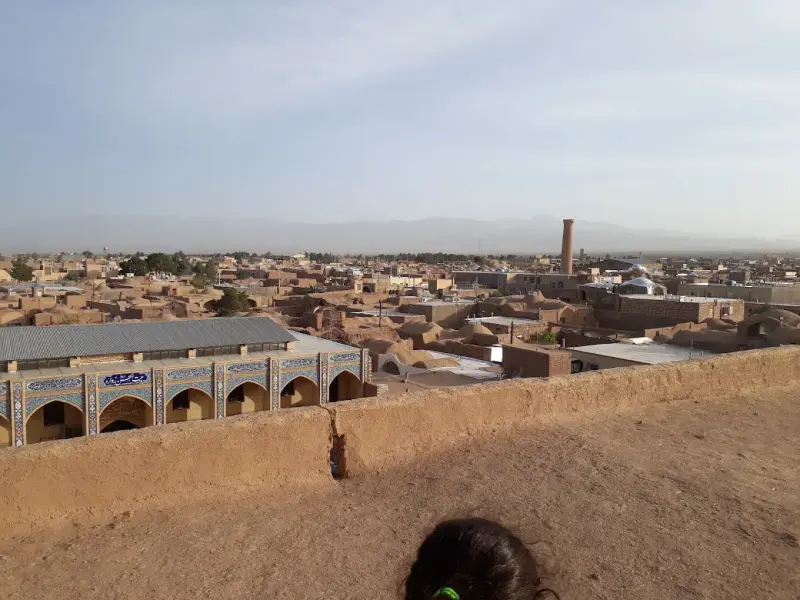
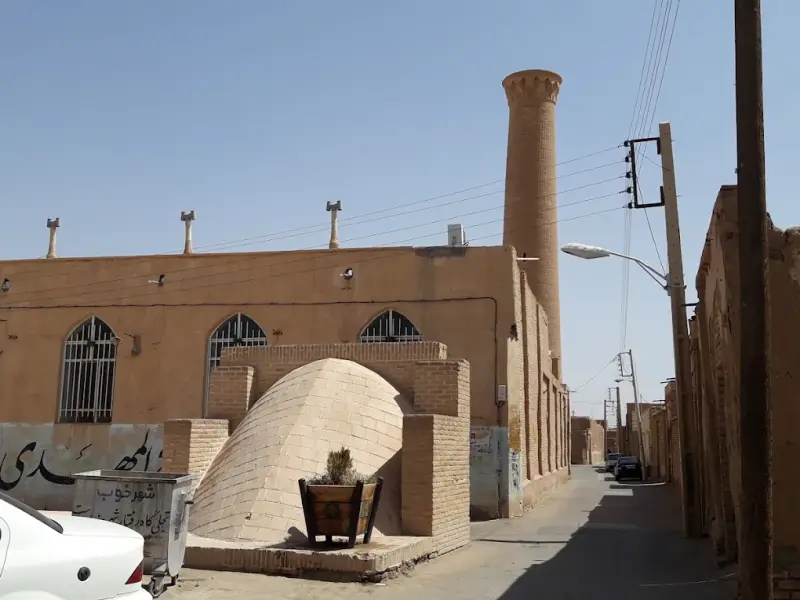
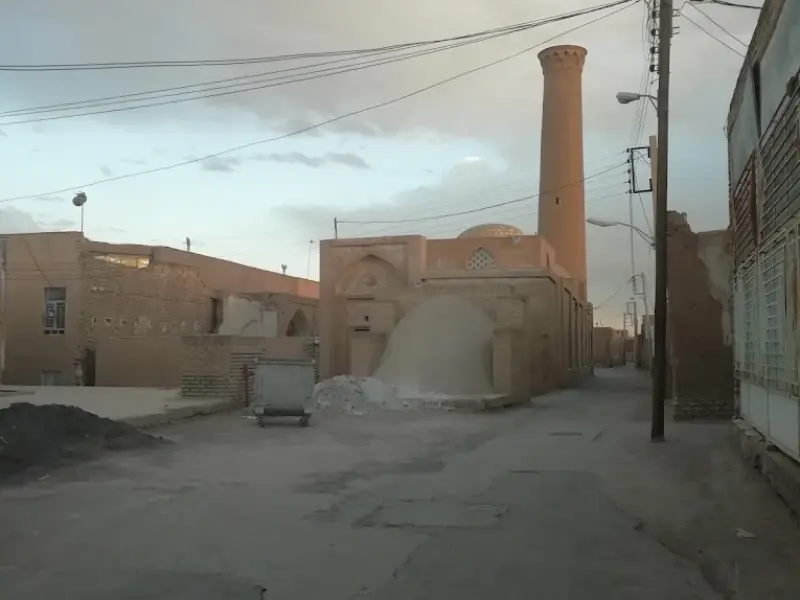
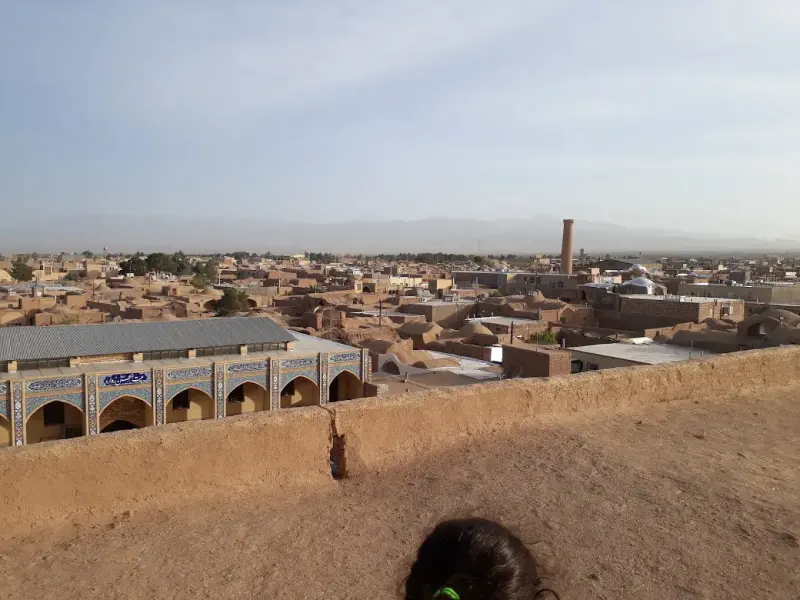
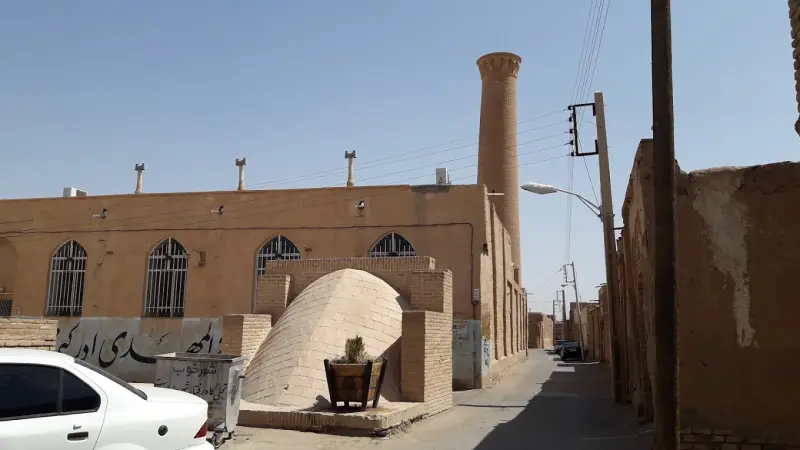
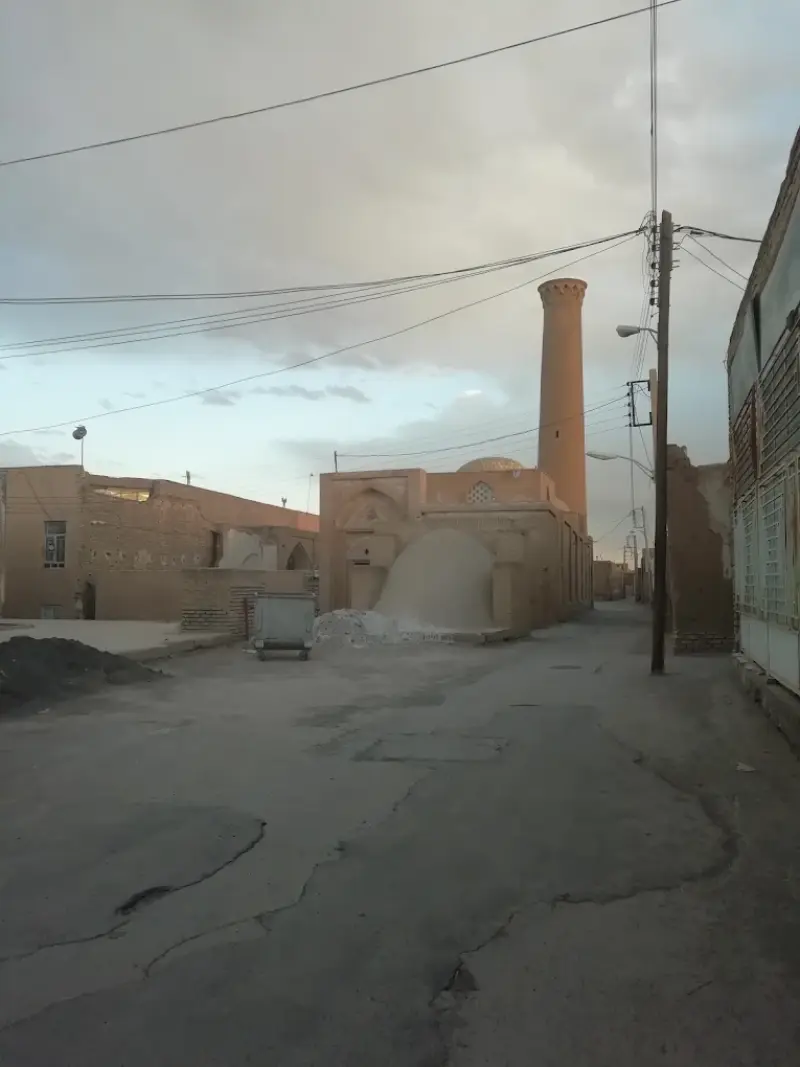
Pamenar Mosque in Zavareh is one of the oldest religious buildings in the city of Zavareh, in Ardestan County, Isfahan Province. It stands in Pamenar Alley, in the historic quarter of the city. The original mosque dates to the Seljuk period and the 5th century AH, and according to historical accounts, a Sasanian-era fire temple stood on the site before Islam arrived in Iran. The mosque is famous above all for its historic minaret, which was built in 461 AH by order of Abu Abdullah Muhammad ibn Ibrahim. A brick inscription in Kufic script on the body of the minaret records the name of its founder and the date of construction. Pamenar Mosque was registered on Iran's National Heritage list on 12 Esfand 1315 under number 284, and it is regarded as one of the most important historical and religious monuments of Zavareh.
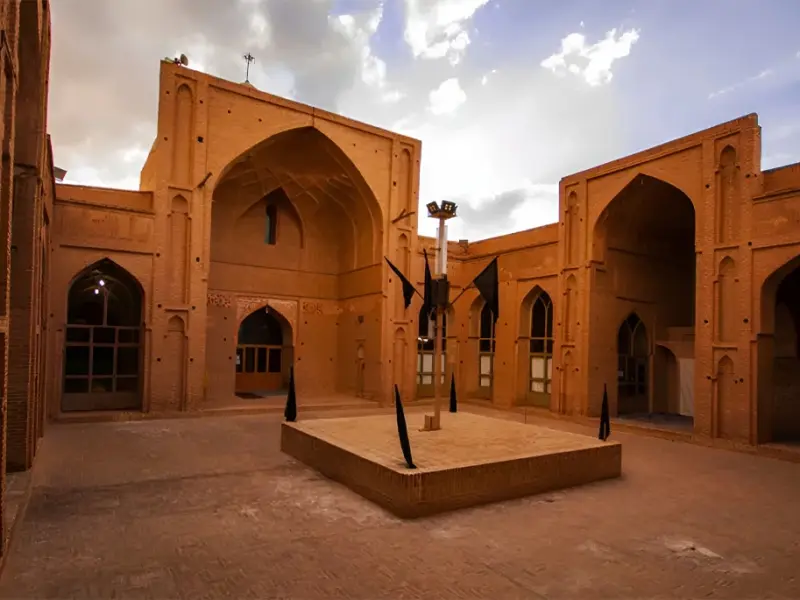
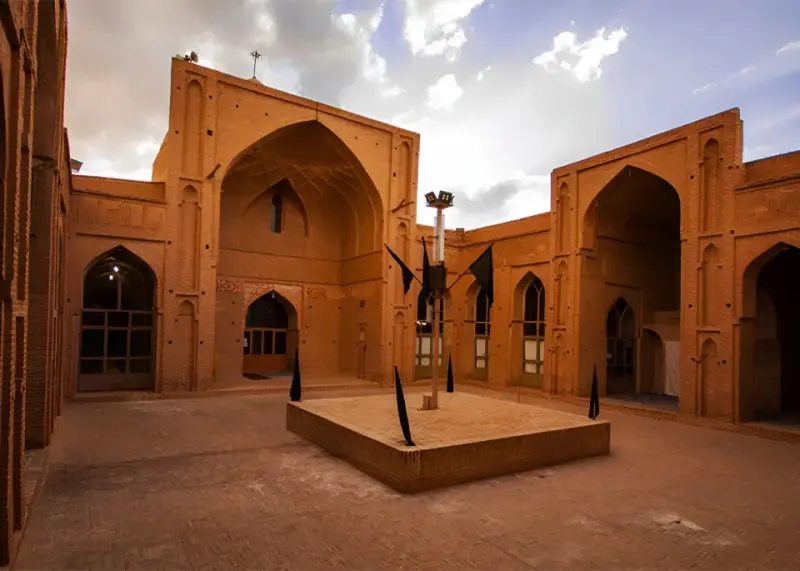
The minaret of Pamenar Mosque, about 20 metres tall, is one of Iran's historic inscribed minarets, and in terms of age it holds a special place after the minaret of the Saveh mosque. It stands on the southern side of the mosque, and its brick body is decorated with a Kufic inscription. The features of Seljuk-era art can also be seen in the mosque's architecture, including its arches and iwans, brick ornamentation, delicate stucco work and arabesque motifs. The original building had several mihrabs, one of them oriented toward Jerusalem and the others toward Mecca. Over time part of this structure was altered and some of the old sections of the building were lost. What remains of the mosque today includes the courtyard, iwans, prayer hall and mihrabs with historic decoration. In the past the complex was also known as the Bonkuyeh Mosque of Zavareh and the Musalla of Imam Hasan (AS).
To visit Pamenar Mosque, head to the city of Zavareh in Ardestan County and follow Pamenar Street and Pamenar Alley in the historic quarter. Spring and early autumn, with their milder weather, are good times to visit this historic building and wander the old neighbourhoods of Zavareh. During your visit you can take a close look at the details of the minaret's Kufic inscription and the mosque's brickwork and stucco, and then go on to other nearby attractions such as the Jame Mosque of Zavareh, the historic bazaar, Sang-Bast Castle and the Neyri Hasht Behesht House. Given the building's historical value and age, it is best to avoid touching the decorations and fragile parts, and to respect the peaceful atmosphere of this place of worship.
Written by زهرا لنگری Last updated
Activities
What you can do here, and what it takes
-
Walking
پس از بازدید از مسجد، در کوچههای قدیمی زواره قدم بزنید و از دیگر آثار تاریخی اطراف دیدن کنید.
Specifications
Introduction of the location and specifications of Pamenar Mosque
Construction Period:
Seljuk
Location:
Isfahan, Zavareh
Coordinates:
33.44850542, 52.49506830
Open in maps
Transports:
Private car, Walking, Minibus, Bus
Tourist Attractions in Zavareh
Attractions that are nearby

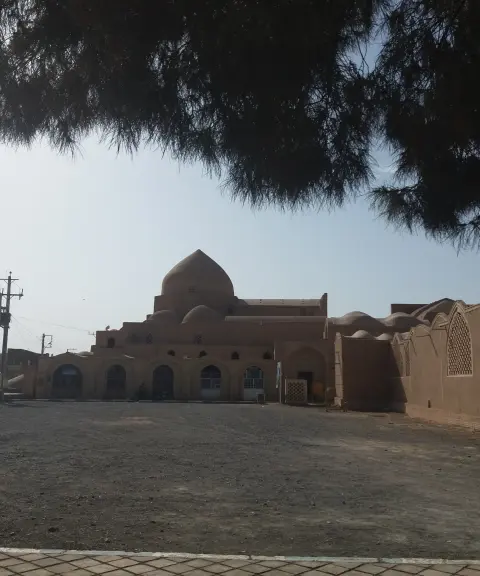
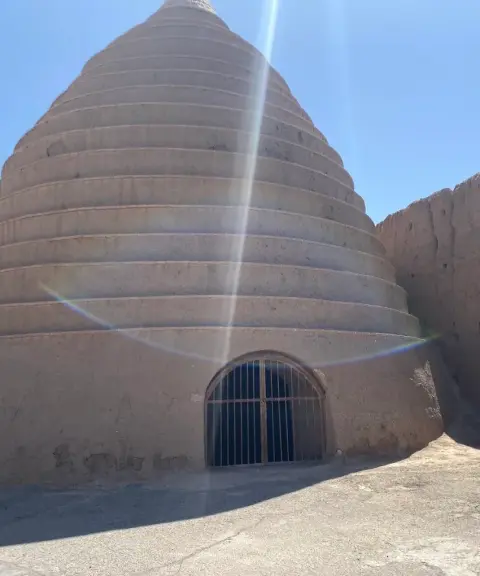
Zavareh Traditional Ice House (Yakhchal)
Province Isfahan
- Walking
A masterpiece of ingenious Iranian architecture for storing ice
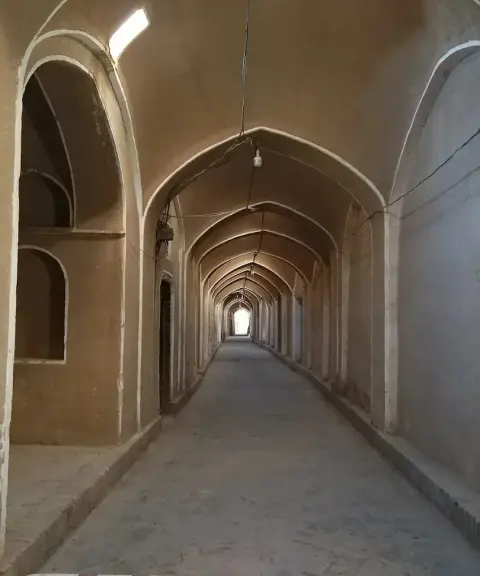
Historic Bazaar of Zavareh
Province Isfahan
- Walking
A covered bazaar with traditional architecture and old shops
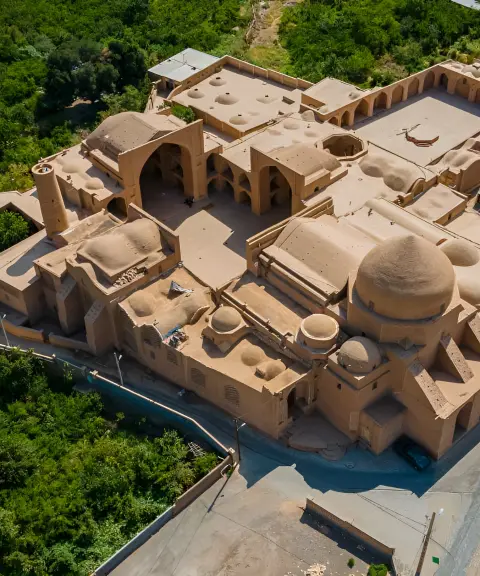
Jame Mosque of Ardestan
Province Isfahan
- Walking
A Masterpiece of Seljuk Architecture and the First Two-Story Mosque in Iran


Dagh-e Sorkh Desert
Province Isfahan
- Walking
A expanse of salt flats and sand dunes in the heart of Isfahan
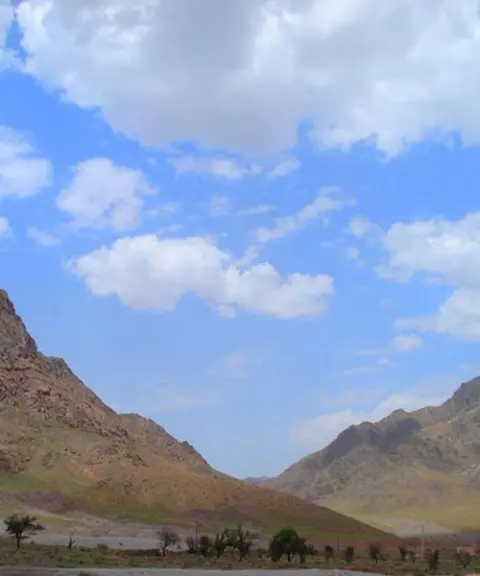

Kahyaz Protected Area
Province Isfahan
- Walking
- Mountaineering
A pristine treasure in eastern Isfahan
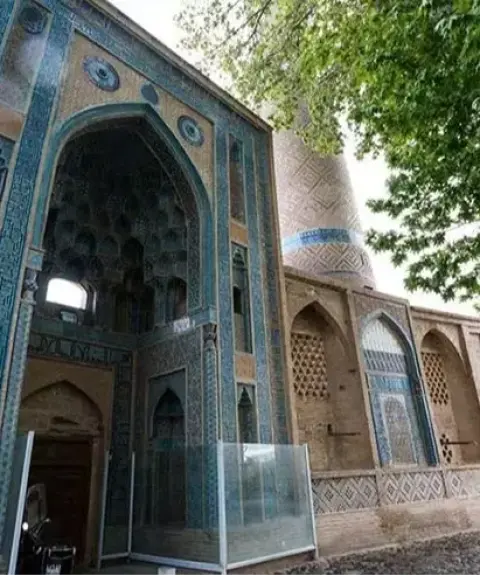
Related tags:
Unfortunately, no comments have been registered.