
 Attractions
Historic Bazaar of Zavareh
A covered bazaar with traditional architecture and old shops
- Ability level Beginner
Ability level:
Beginner
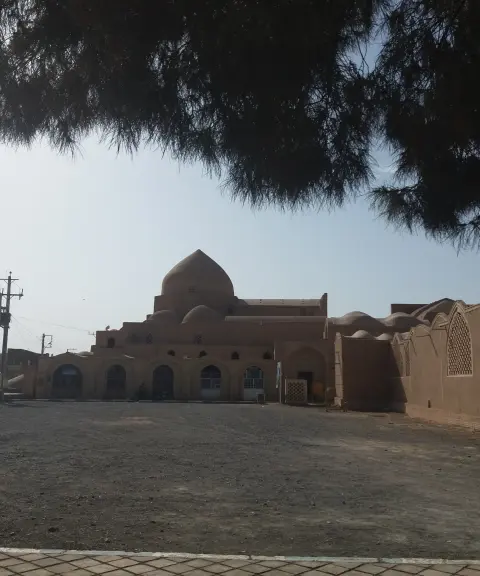
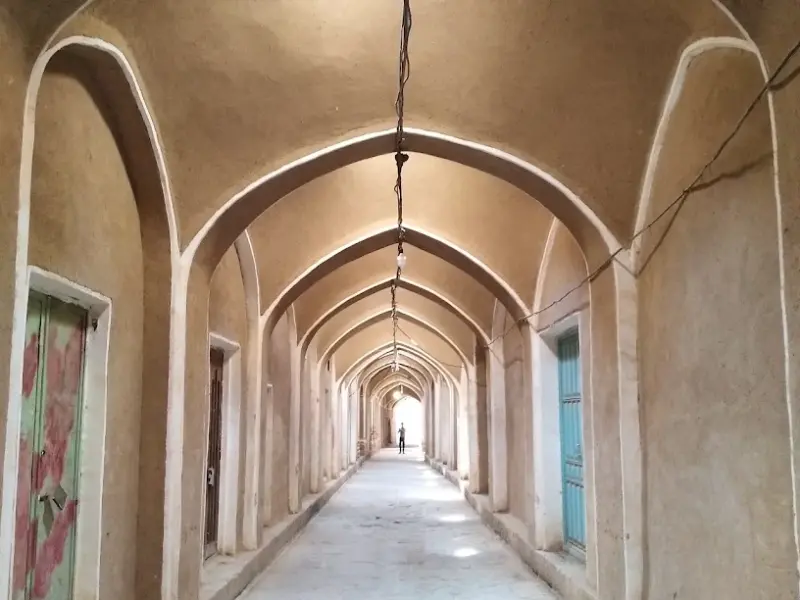
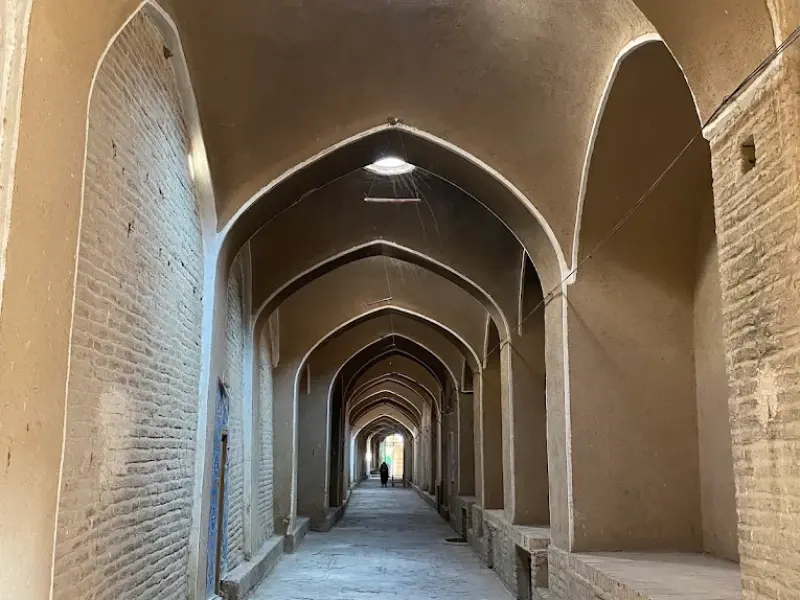
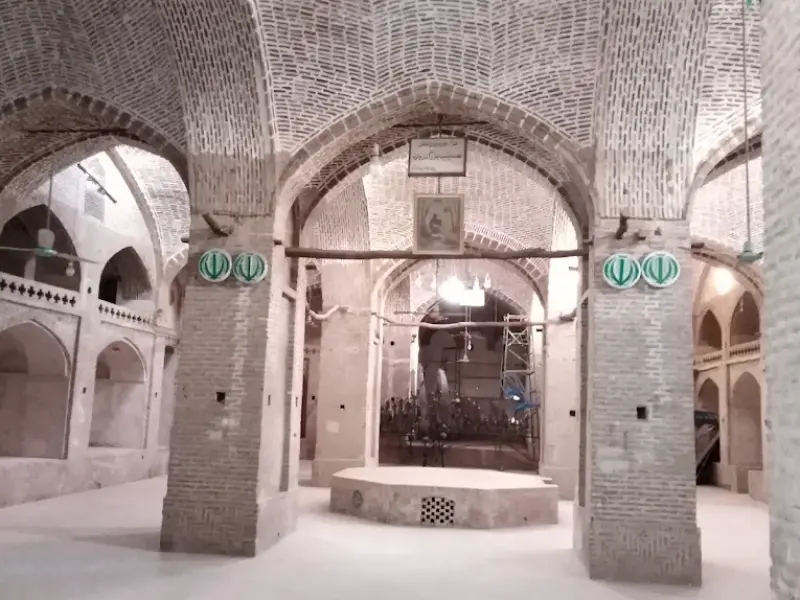
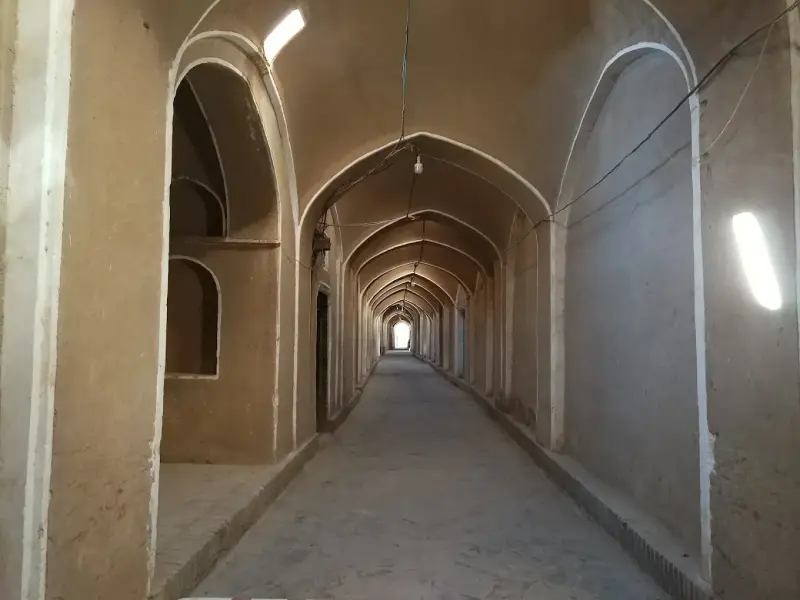
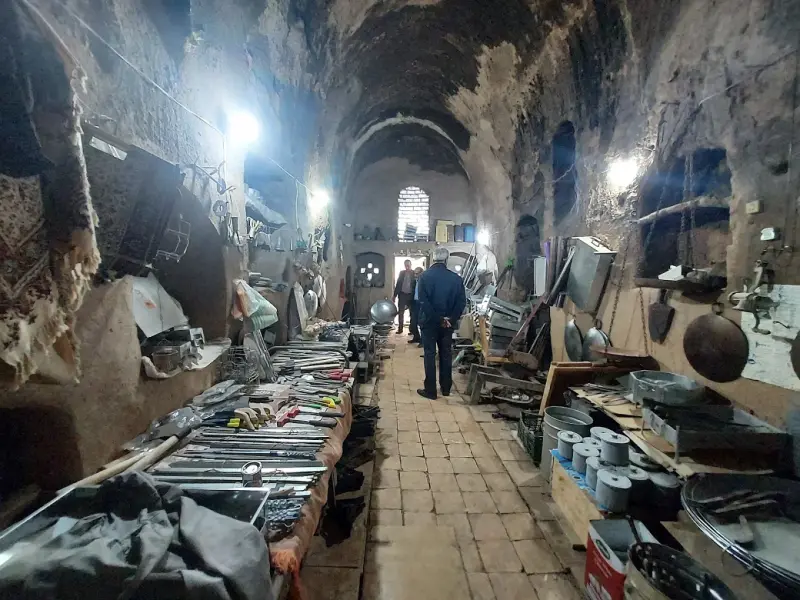
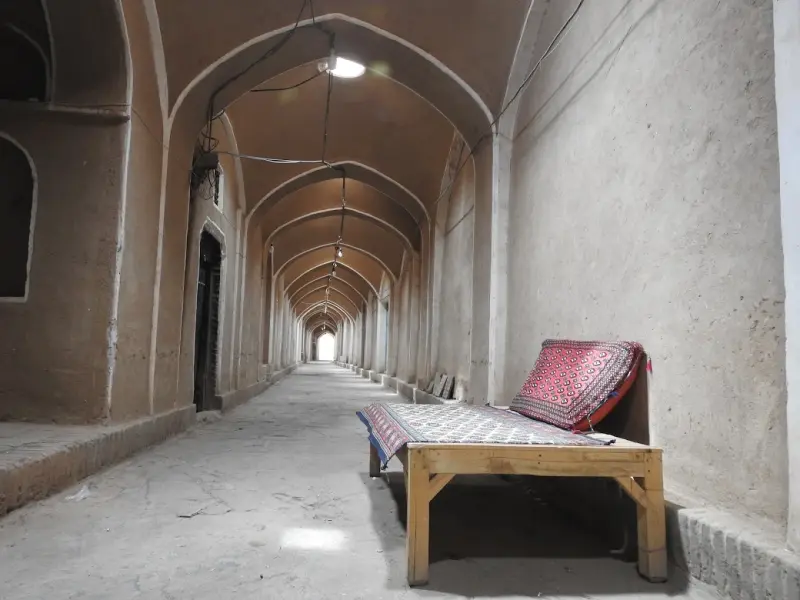
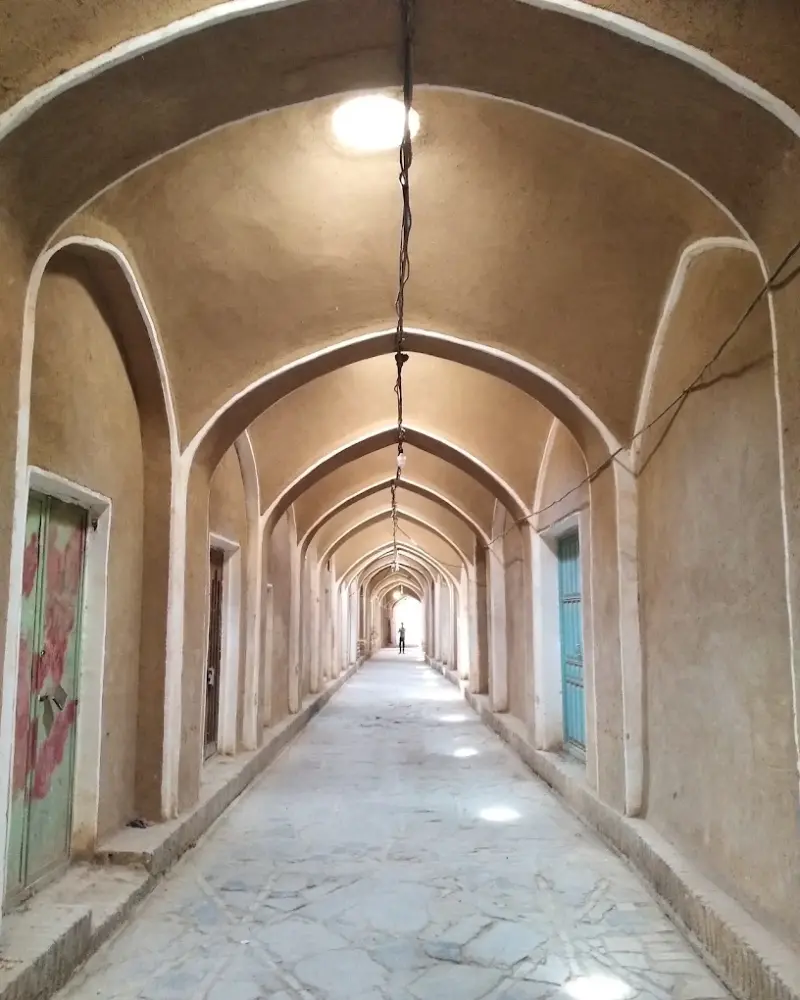
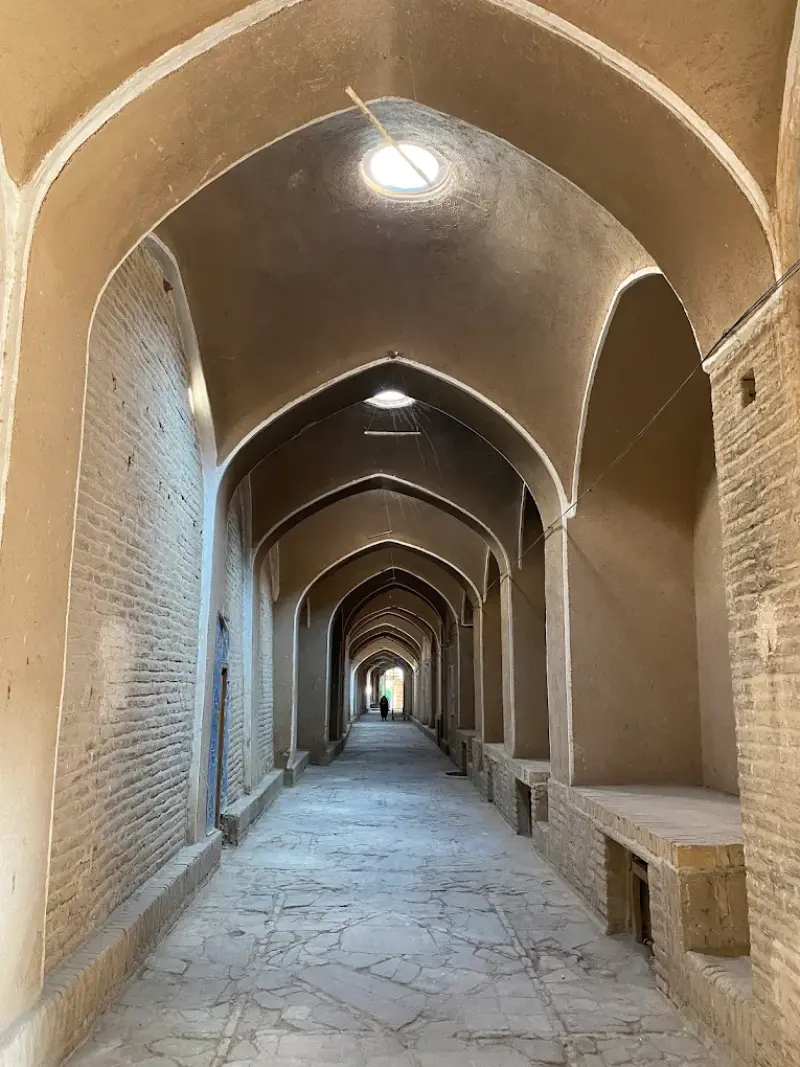
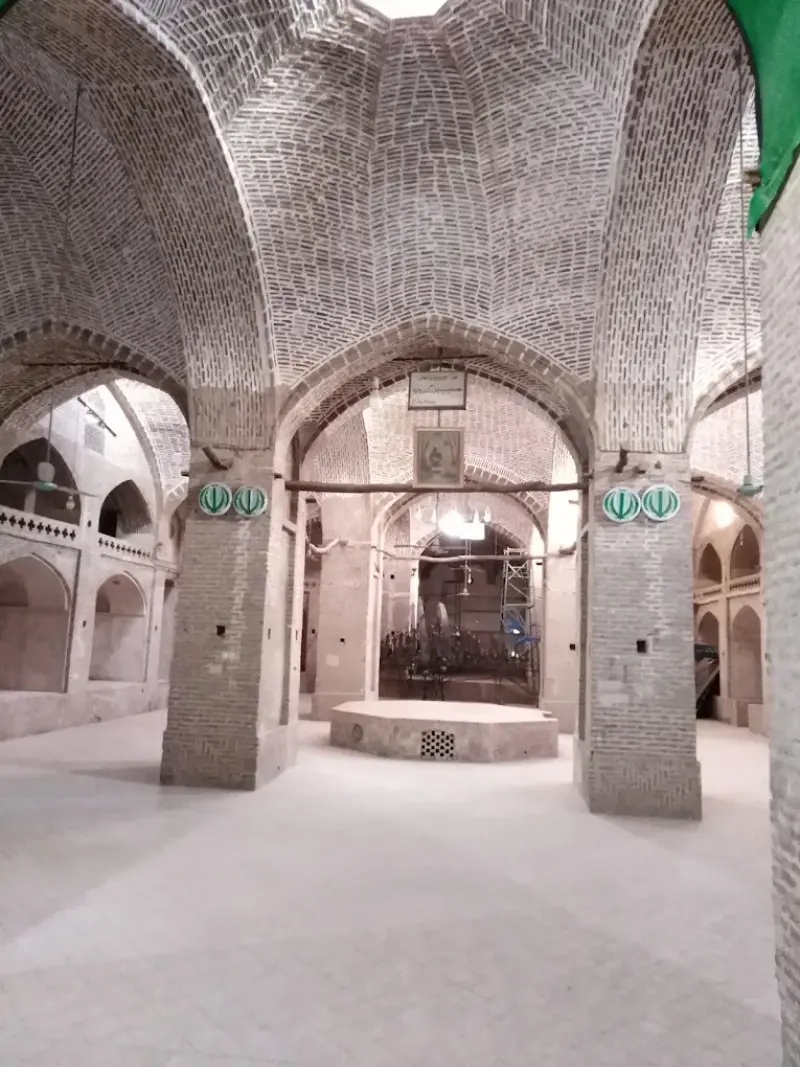
The Historic Bazaar of Zavareh is one of the valuable historical monuments of the city of Zavareh in Ardestan County, Isfahan Province. It stands in the heart of the old quarter of the city, on Emamzadeh Yahya Street. The bazaar dates back to the late Zand period and the early Qajar period, and its construction is attributed to a man named Mohammad Hossein Ameri. In the past, the Zavareh Bazaar was not merely a place to buy and sell goods. As one of the city's main thoroughfares, it played an important role in the economic, social and cultural life of its people. Along its main passage, the bazaar links the Jame Mosque, Emamzadeh Yahya and the large and small hosseiniyehs of Zavareh, which gives it a special place in the historical structure of the city.
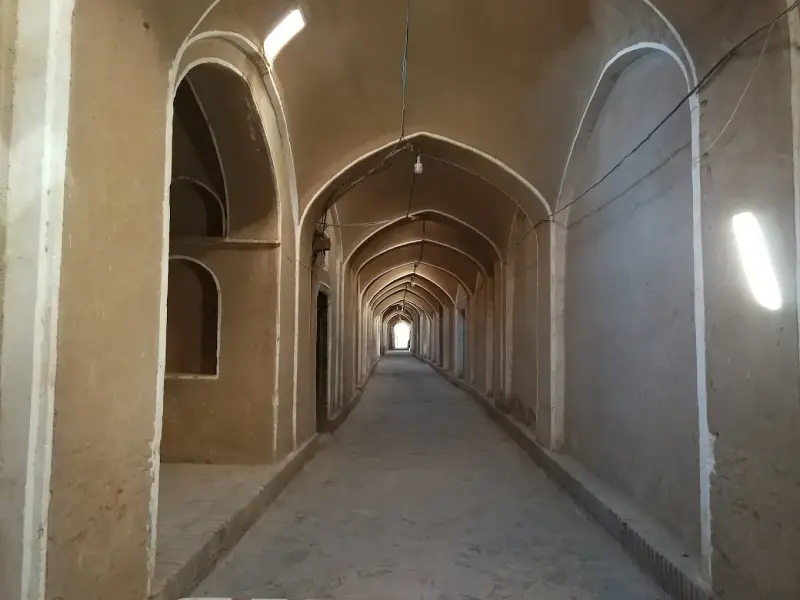
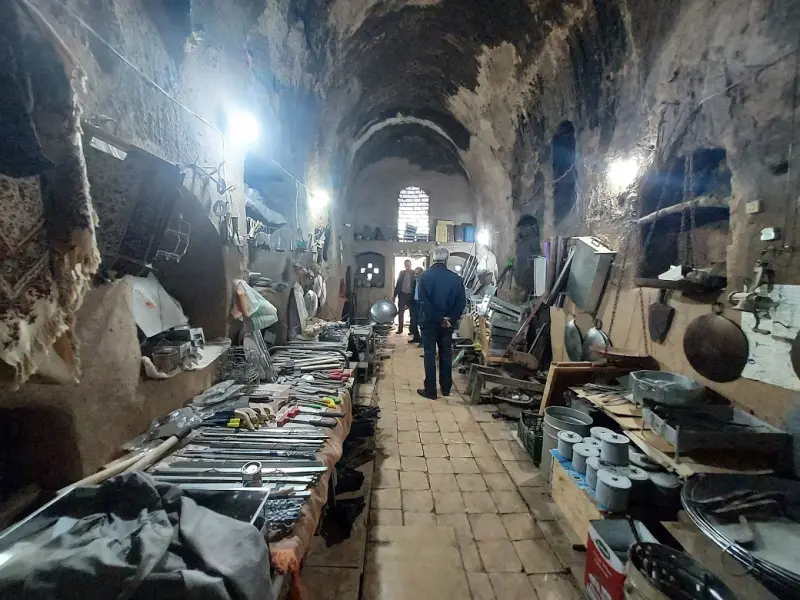
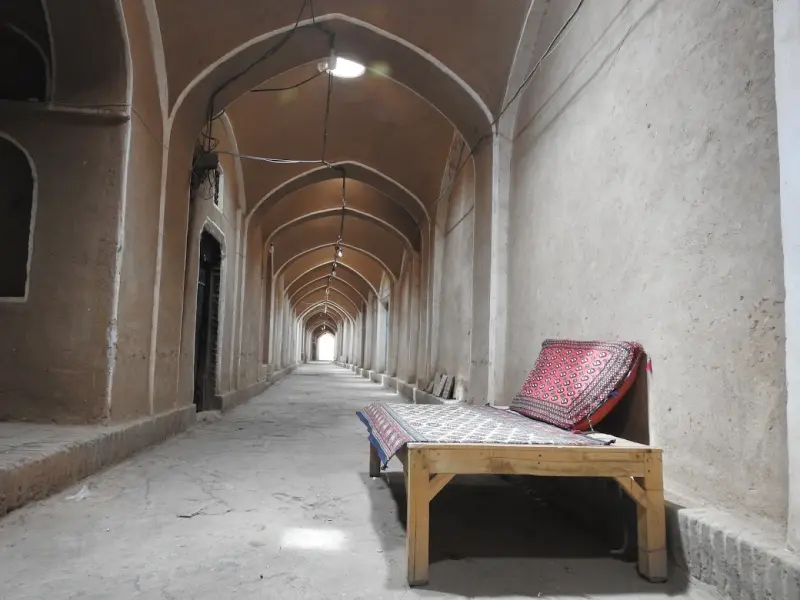
The complex is about 200 metres long and 3.5 to 4 metres wide, and its architecture resembles that of the historic bazaars of Kashan and Nain. Its roof is built with Roman vaults and domed bays (cheshmeh vaults), with openings in various sections to let in natural light. The floor is paved with stone and lies lower than the surrounding streets, a feature that helps air circulate and lets cool air flow into the covered space. The old shops (hojreh) line both sides of the passage. There were once also two caravanserais at either end of the bazaar; today one of them has been turned into a street and the other has become a ruin. The Zavareh Bazaar lost its vitality for a long time, and only a few traditional workshops remained active in it. In the 2010s (the 1390s in the Solar Hijri calendar), however, efforts were made to restore and revive it. Today some of the shops are devoted to handicrafts and local products such as enamelwork, marquetry, pottery, blacksmithing, woodturning, carpets and kilims, pomegranate paste and dried fruits and nuts.
To visit the Historic Bazaar of Zavareh, head to the city centre and follow Vahdat-e Eslami Square, then Imam Khomeini Street and then Emamzadeh Street. The bazaar entrance is near Jame Mosque Alley. Because the bazaar lies within the historic fabric of the city, you can combine your visit with other attractions such as the Jame Mosque of Zavareh, Emamzadeh Yahya and the old hosseiniyehs. Zavareh has a hot, dry climate, so spring and autumn, especially the cooler days, are better times to explore the historic quarter. During your visit, besides admiring the architecture of the bazaar and its old shops, you can look at the handicrafts and local products, and by buying from the vendors you help sustain the traditional activities of this complex.
Written by زهرا لنگری Last updated
Activities
What you can do here, and what it takes
-
Walking
کفش پیادهروی به همراه داشته باشید..
Specifications
Introduction of the location and specifications of Historic Bazaar of Zavareh
Location:
Isfahan, Zavareh
Coordinates:
33.44997822, 52.49167869
Open in maps
Transports:
Private car, Minibus, Bus
Tourist Attractions in Zavareh
Attractions that are nearby
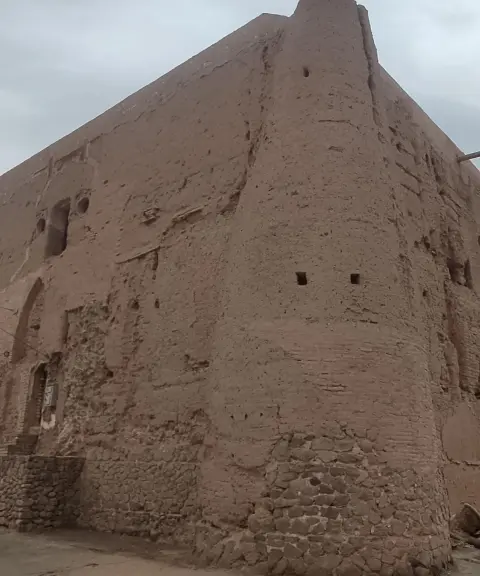

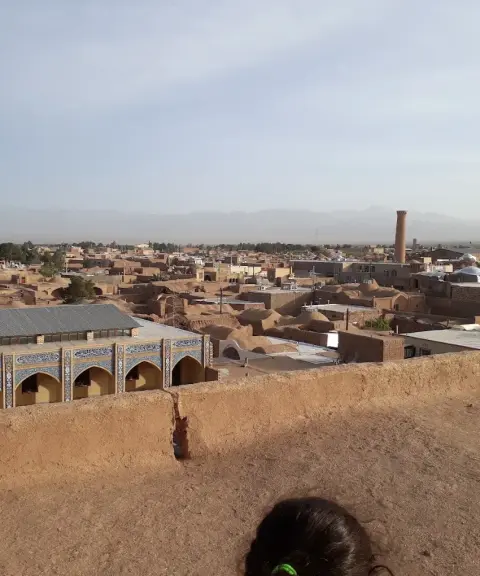
Pamenar Mosque
Province Isfahan
- Walking
A magnificent legacy of Seljuk architecture with an inscribed minaret
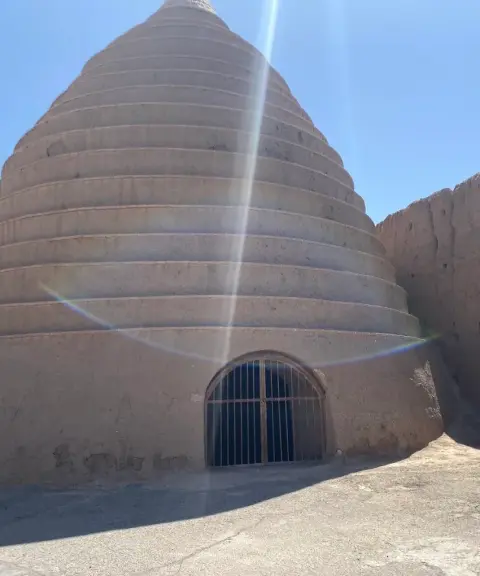
Zavareh Traditional Ice House (Yakhchal)
Province Isfahan
- Walking
A masterpiece of ingenious Iranian architecture for storing ice
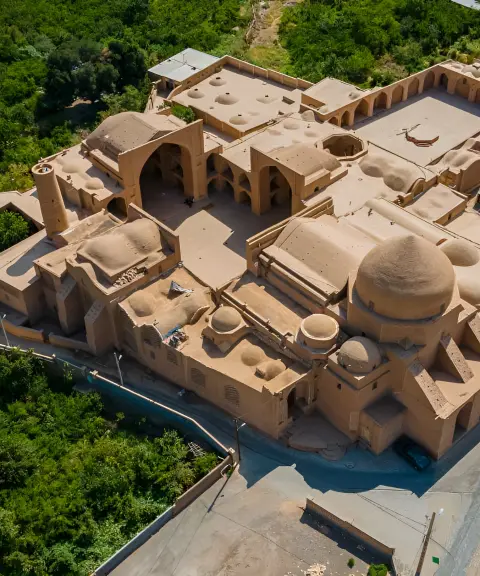
Jame Mosque of Ardestan
Province Isfahan
- Walking
A Masterpiece of Seljuk Architecture and the First Two-Story Mosque in Iran
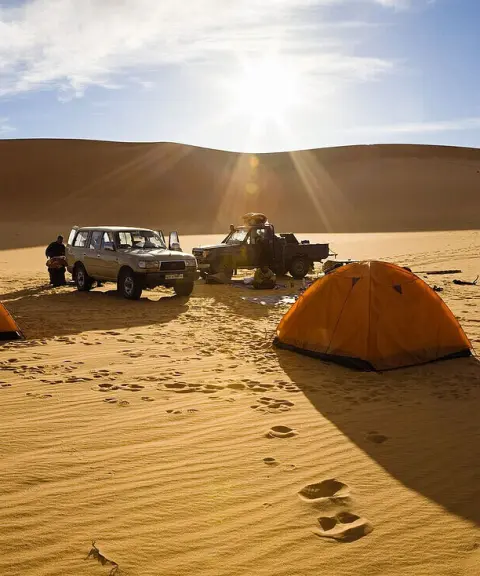

Dagh-e Sorkh Desert
Province Isfahan
- Walking
A expanse of salt flats and sand dunes in the heart of Isfahan
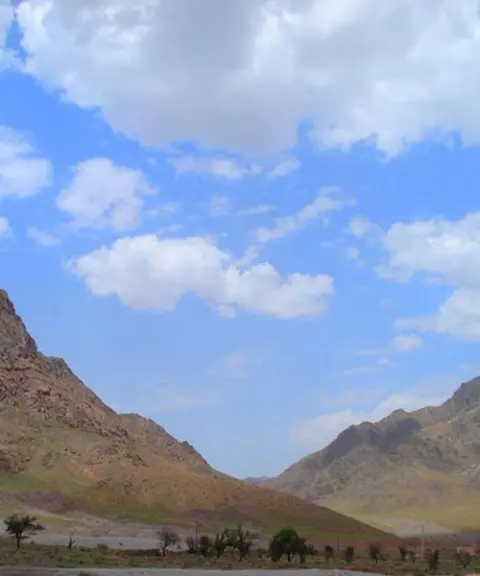

Kahyaz Protected Area
Province Isfahan
- Walking
- Mountaineering
A pristine treasure in eastern Isfahan
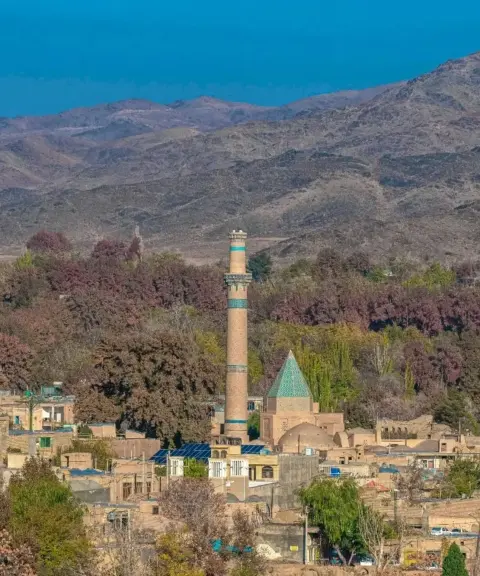
Jame Mosque of Natanz
Province Isfahan
- Walking
The Splendor of Iranian Architecture in the Heart of History
Related tags:
Unfortunately, no comments have been registered.