
 Caves
- Ability level Advanced
Ability level:
Advanced
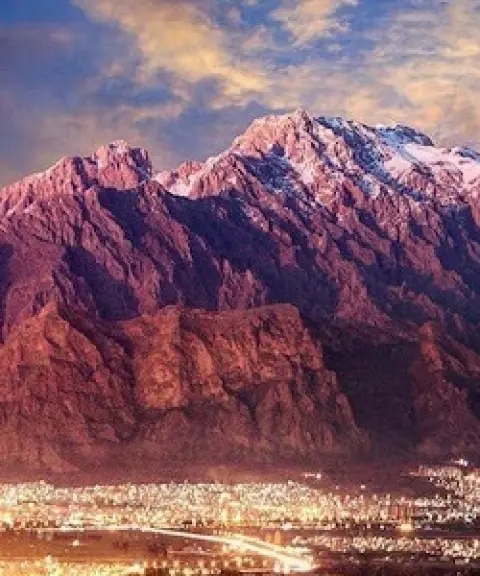
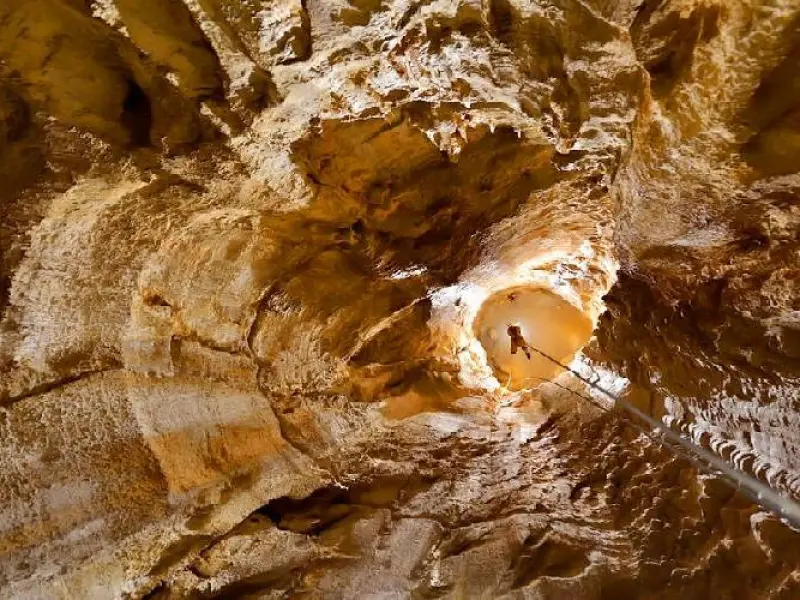
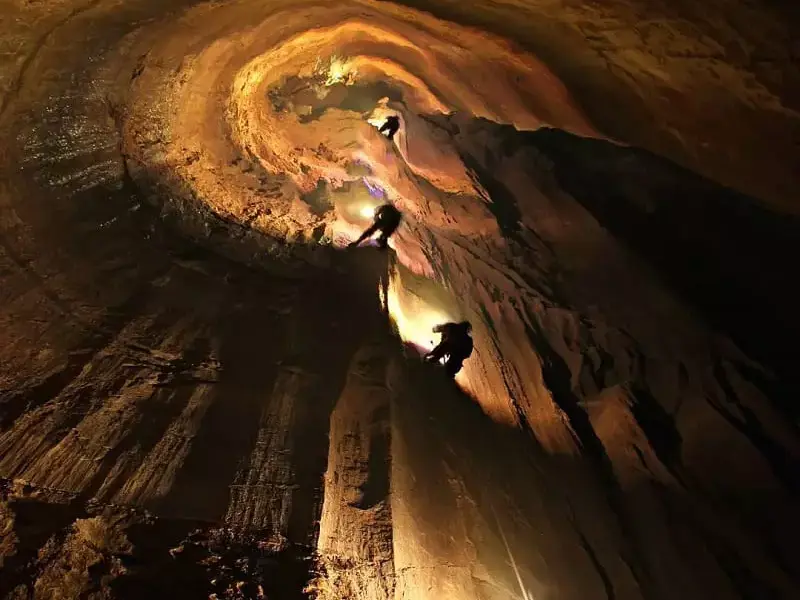
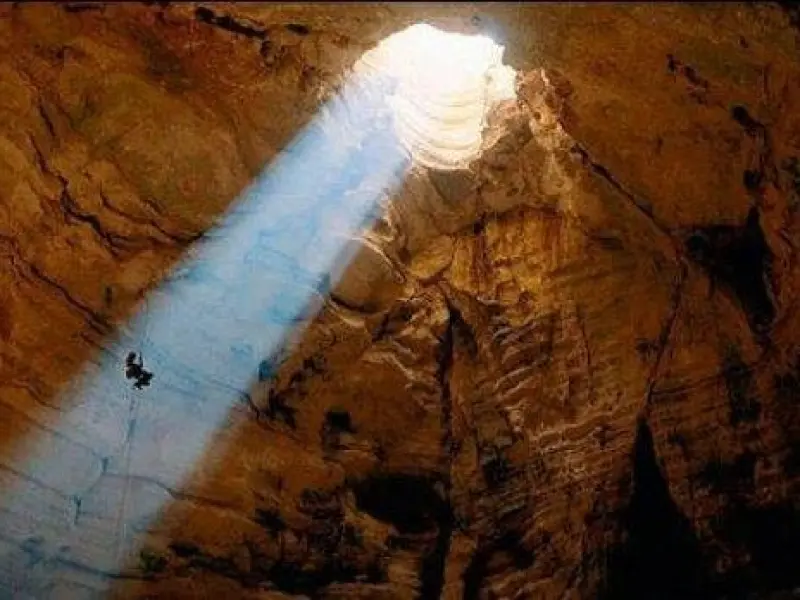
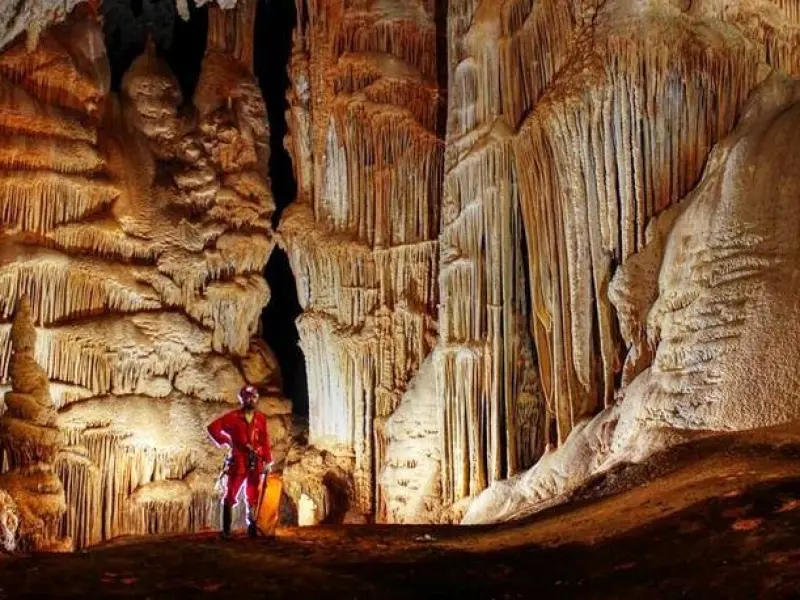
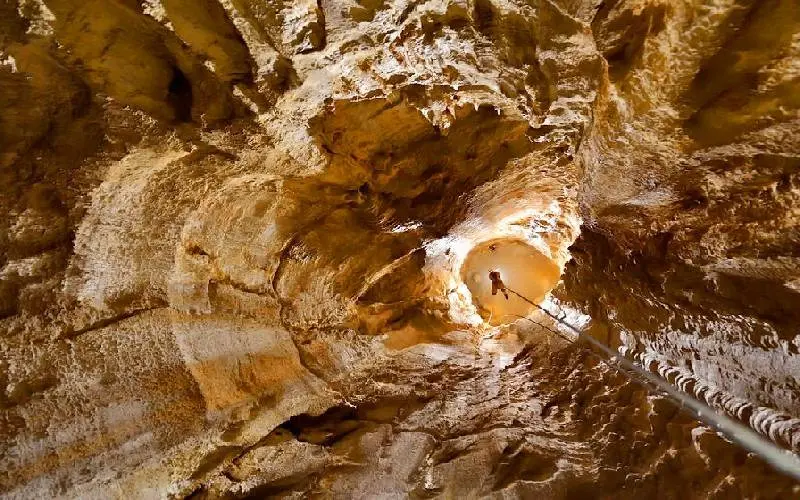
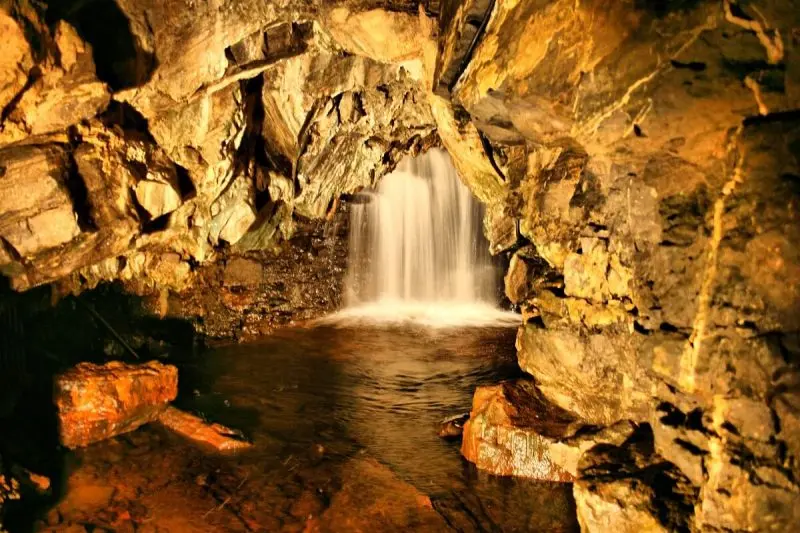
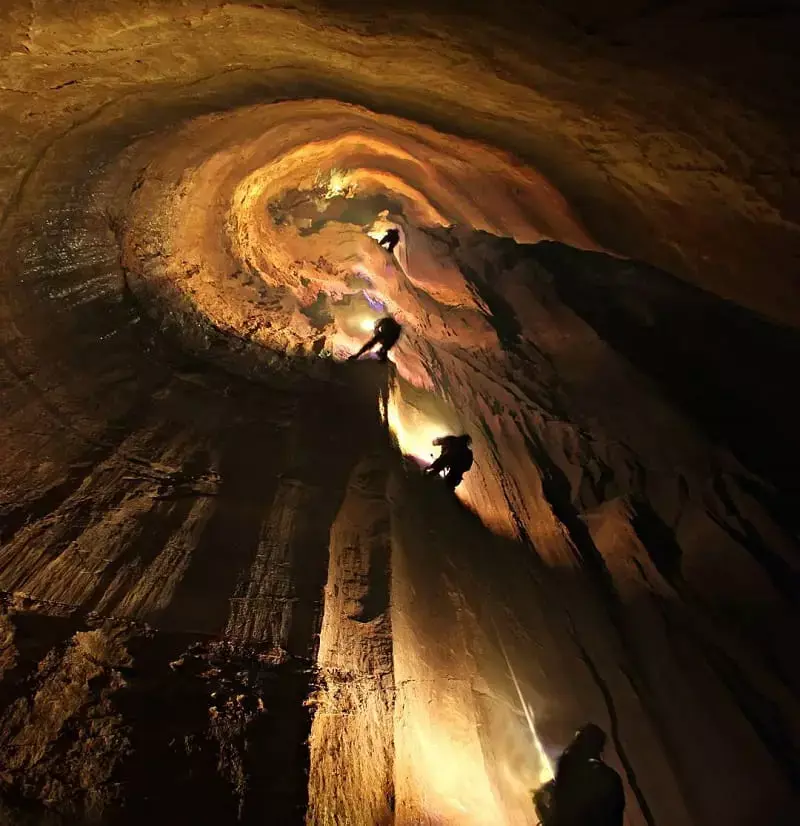
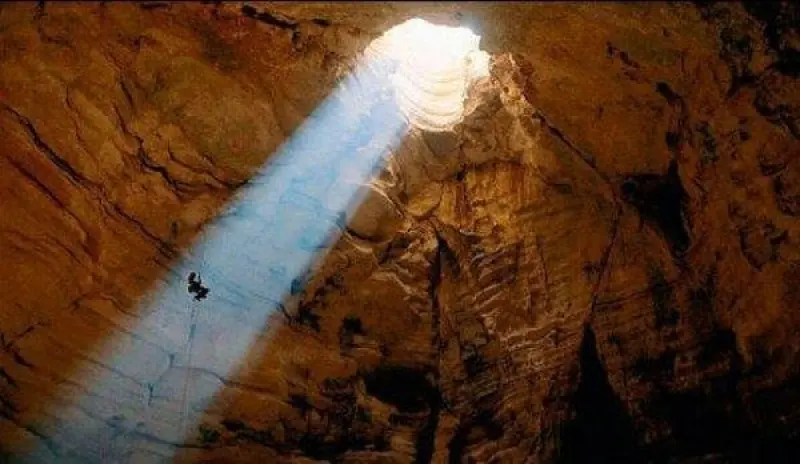
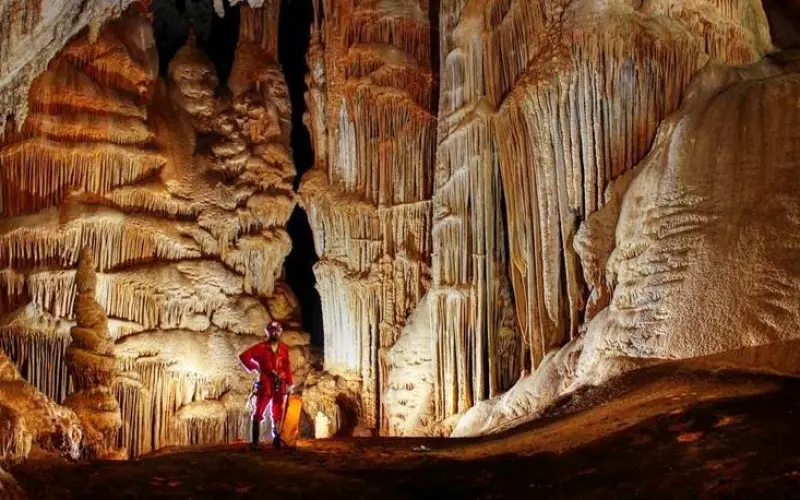
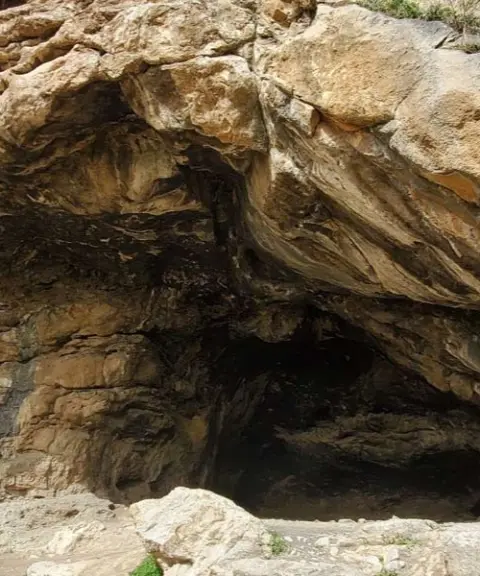
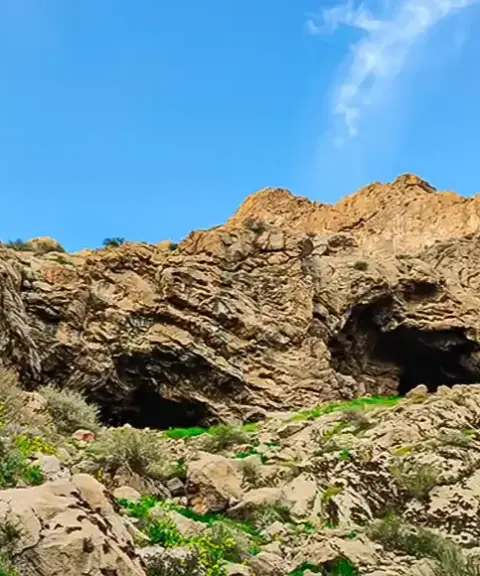
Parau Cave (also spelled Paraw or Paro; in Kurdish, Peřaw, meaning "full of water") lies 12 kilometres northeast of the city of Kermanshah. It sits between Taq-e Bostan Mountain and Bisotun Mountain, south of an area called Meydan-e Parau. Mount Parau rises 3,357 metres above sea level, one of the highest peaks in the province, beside the village of Chalabeh. At an altitude of 3,050 metres on this mountain lies the deepest and most difficult cave in Iran, a place that holds many secrets. Parau is 1,450 metres long and 750 metres deep, and lies between Taq-e Bostan Mountain and Bisotun Mountain, south of the area called Meydan-e Parau. It is only about 300 metres from the Sheikh Alikhan Peak, also known as Parau Peak. The cave has 26 pits, and the deepest of them is Pit No. 16, at 42 metres.
More than 40 years ago this unique cave was recognised as the largest vertical cave in the world, and for that reason it was nicknamed the "Everest of the world's caves". As more caves around the world were explored over time, however, Parau's rank dropped to 221st, and deeper caves have been added to the world list. Even so, this mysterious cave still holds the world record for the highest entrance, which lies at 3,000 metres above sea level. In 1388 (2009) Parau was registered as Kermanshah's second national natural monument by Iran's Department of Environment. On 20 Bahman 1389 it was added to Iran's National Natural Heritage list by the Cultural Heritage Organization, under number 98.
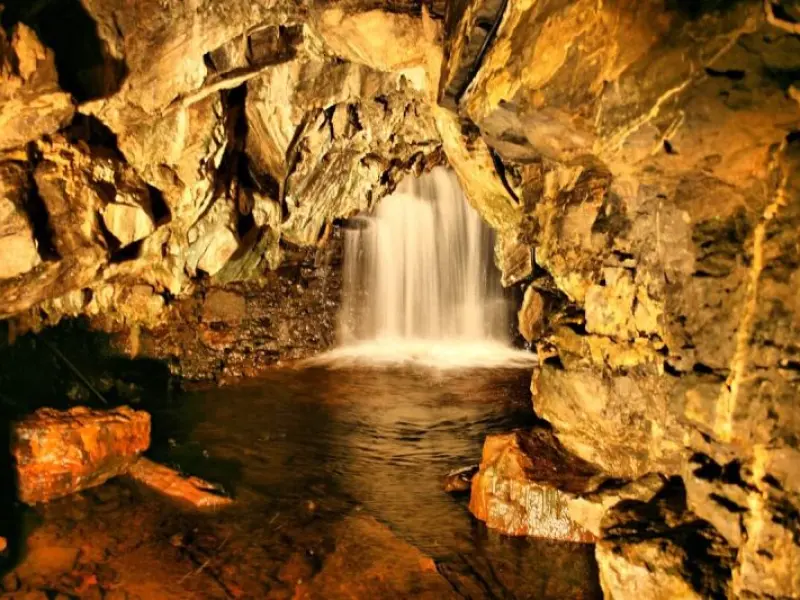
It can be said that cavers face their most difficult trek in Parau Cave. The difficulty begins at the entrance, which is so small that you have to enter it in a crouching squat. Once inside, the cold makes the going very hard. Because of the natural glaciers and the cave's high altitude, no temperature above 1–3 °C has been recorded anywhere in it. The rough, porous rock walls tear cavers' clothing as they move, and cold water and cold air seep through to their clothes and skin, adding to the difficulty. Under these conditions, squeezing through the narrow passages, beside which water close to freezing flows, is another challenge cavers face in Parau. Crawling on your belly is unavoidable in some sections, and Tang-e Gelkhiz (the Muddy Narrows) is the first place where you have to do so. Narrow passages, sections known as "crab-walks", rockfall-prone parts of the cave, dangerous walls and deep pits have made Parau famous around the world as a hard and treacherous cave, and even five Iranian cavers have lost their lives in it. It is worth knowing that the bodies of some of them were never brought out of the cave.
The best time to visit Parau Cave is between spring and summer, when the temperature is more favourable and there is less precipitation than in autumn and winter, which makes the trek easier. Note that you must bring professional caving equipment to explore this cave. The cave lies 300 metres below Sheikh Alikhan Peak, also known as Parau Peak.
Written by ستایش عرب Last updated
Activities
What you can do here, and what it takes
-
Walking
در طول مسیر از کفش مناسب کوهنوردی استفاده کنید.
-
Rock Climbing
ابزار و وسایل غارنوردی و صخرهنوردی به همراه داشته باشید.
Specifications
Introduction of the location and specifications of Parau Cave
Location:
Kermanshah, Kermanshah
Coordinates:
34.41241528, 47.24376440
Open in maps
Height above mean sea:
3050 meter
Land Form:
Riverine, Cave
Floras:
Humid Subtropical Forest
Faunas:
Presence of Predatory Animals, Presence of Allergenic Insects, Presence of Herbivorous Animals
Transports:
Private car, Walking, Minibus, Bus
Tourist Attractions in Kermanshah
Attractions that are nearby



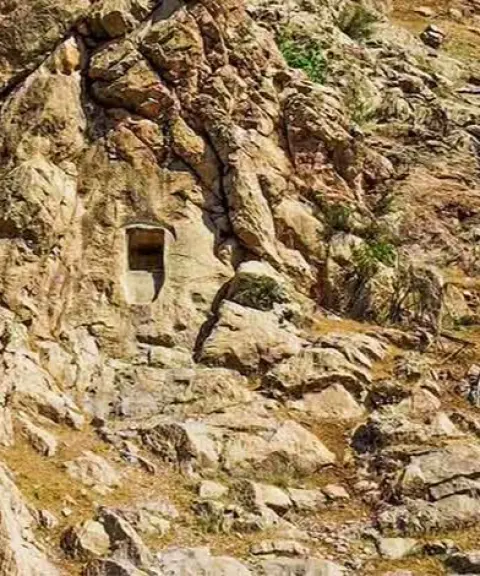
Bernaj Rock-Cut Tomb
Province Kermanshah
- Walking
- Mountaineering
A thousand-year-old stone mystery in the heart of the Harsin mountains
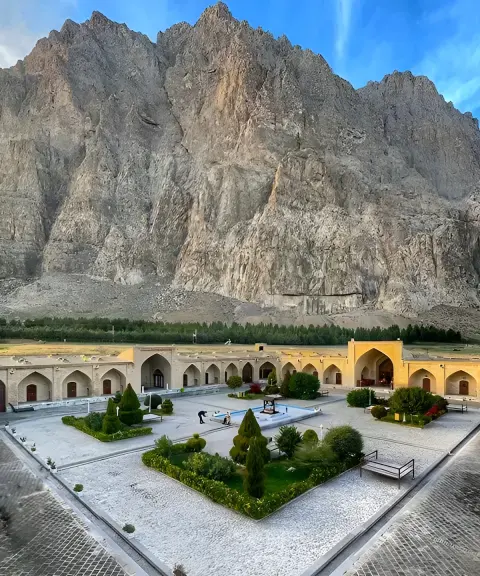
Shah Abbasi Caravanserai of Bisotun
Province Kermanshah
- Walking
The splendour of a Safavid caravanserai at the foot of legendary Bisotun
Related tags:
Unfortunately, no comments have been registered.