
 Attractions
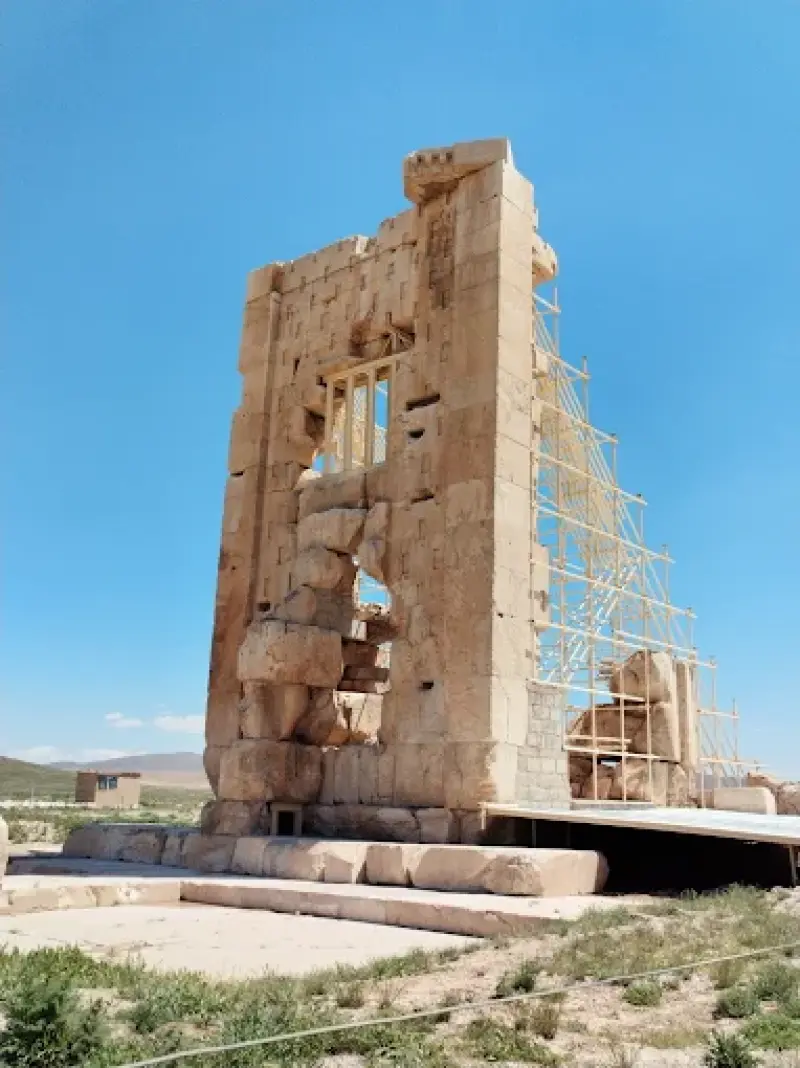
Pasargadae Historical Complex
Remains of Achaemenid history
- Attractions
- Fars, Madar-e Soleyman
- Altitude 1,846 m
- Ability level Family
Ability level:
Family
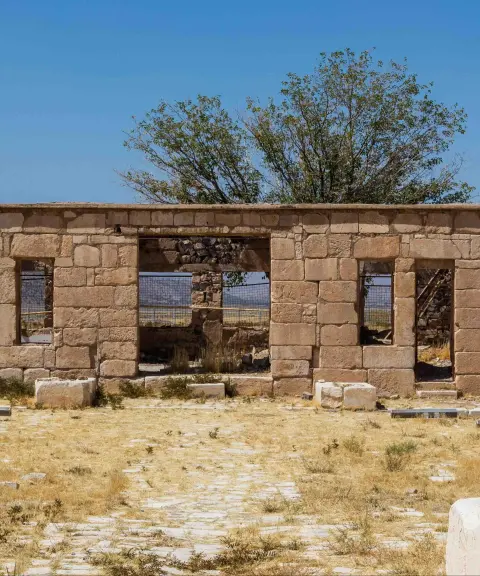
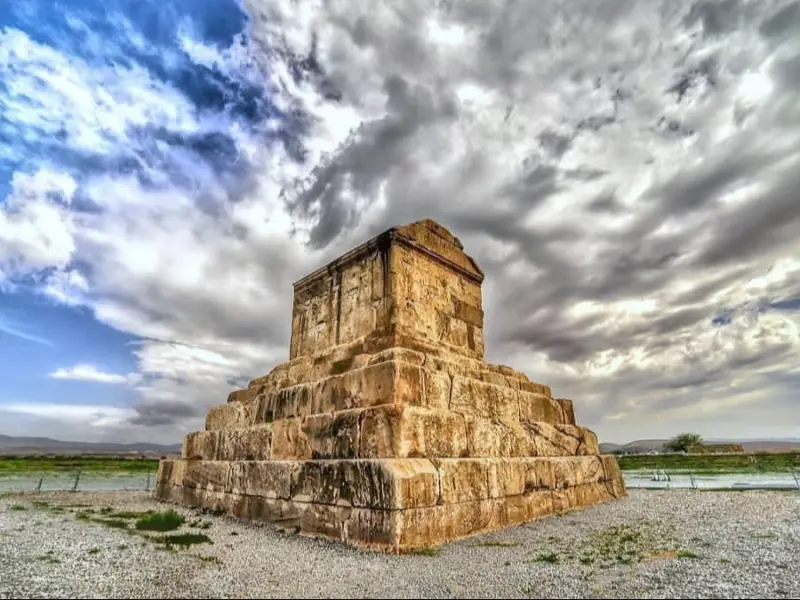
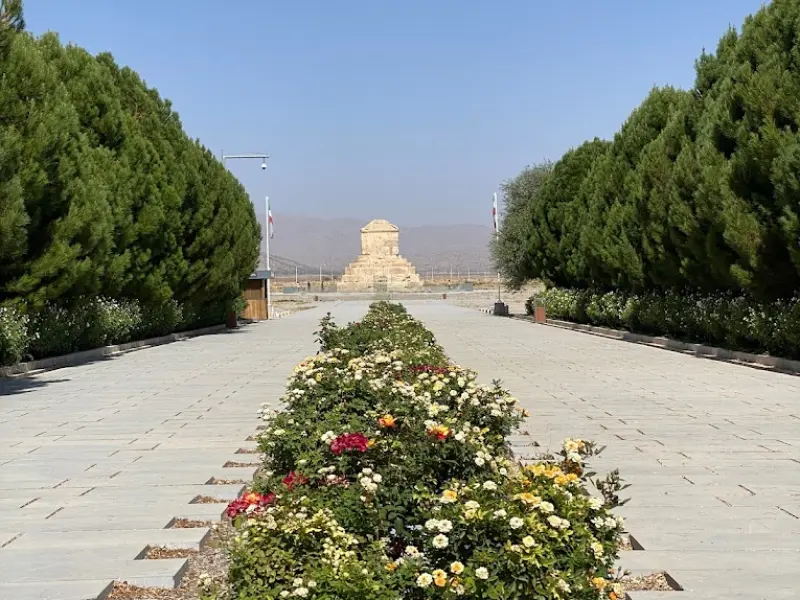
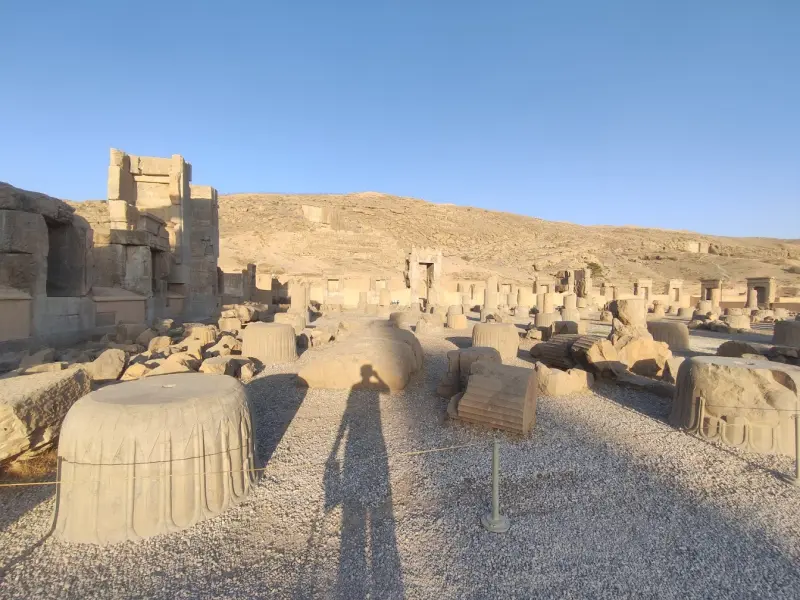
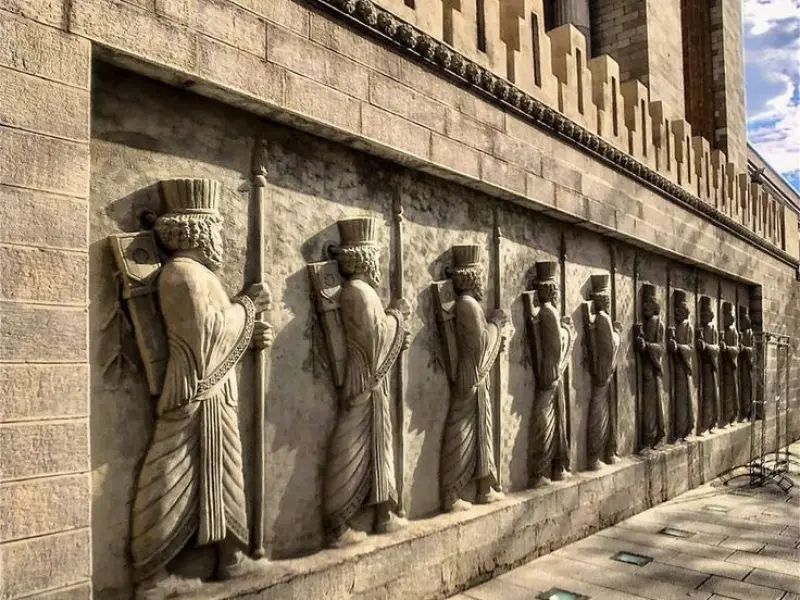
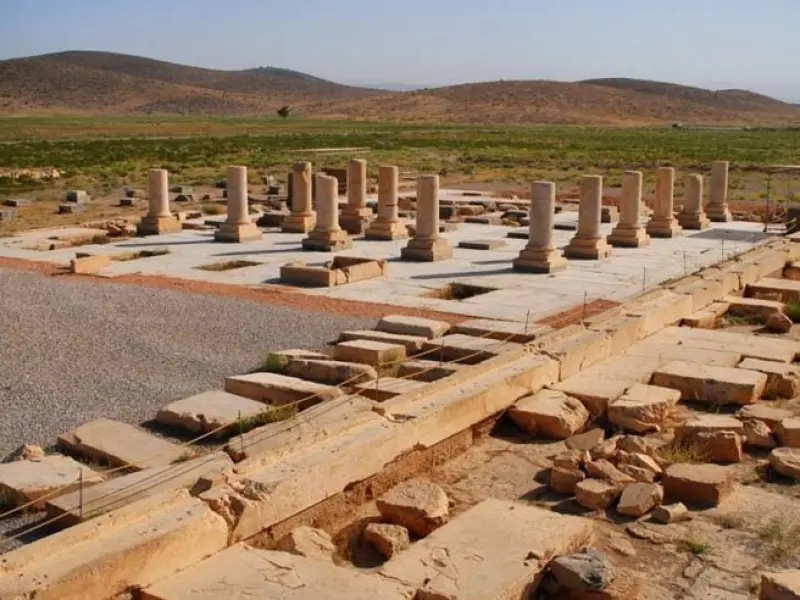
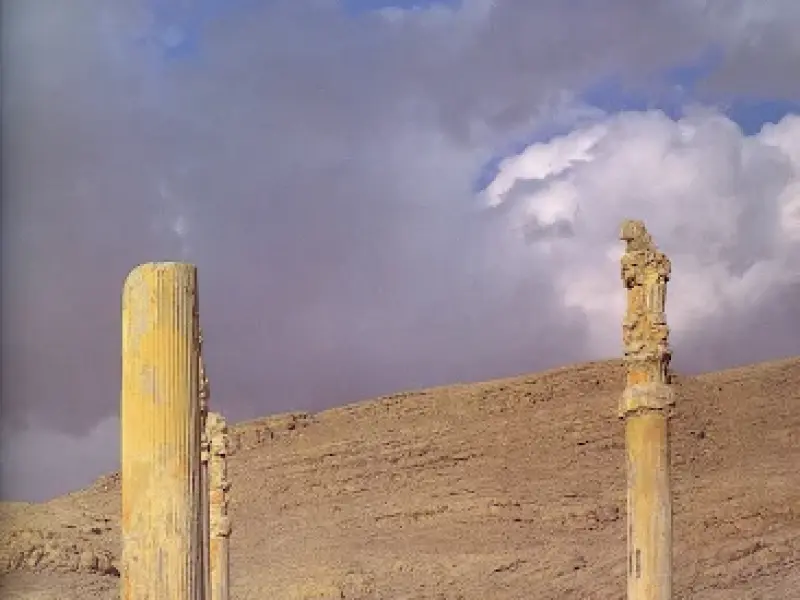
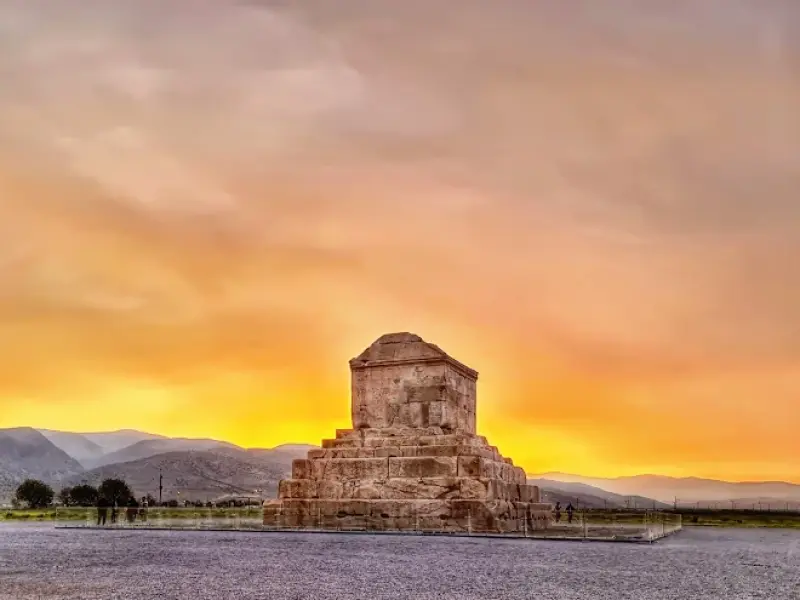
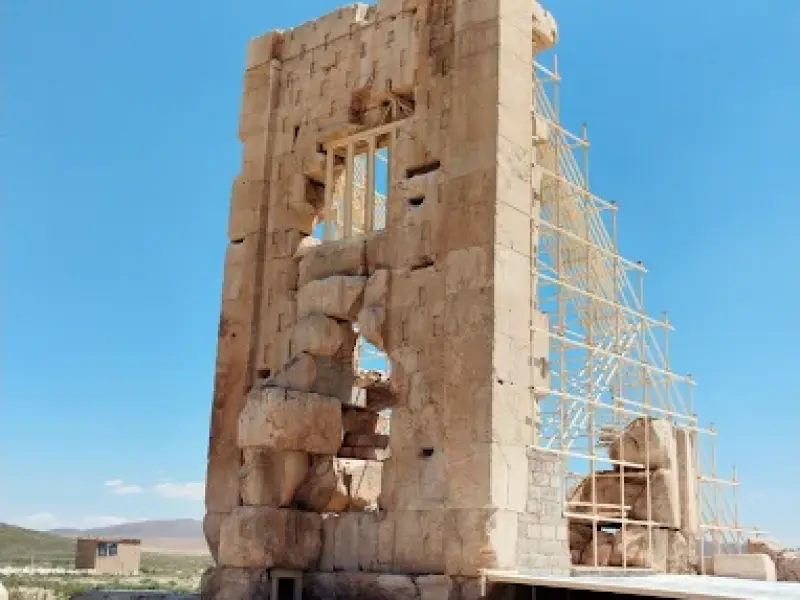
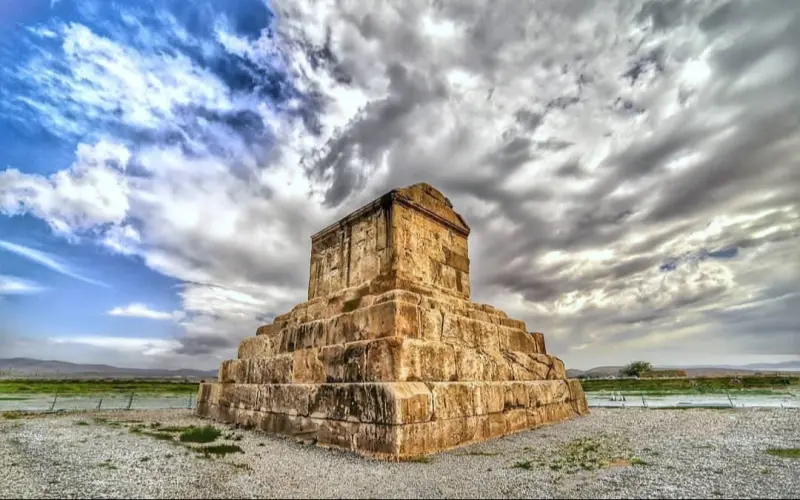
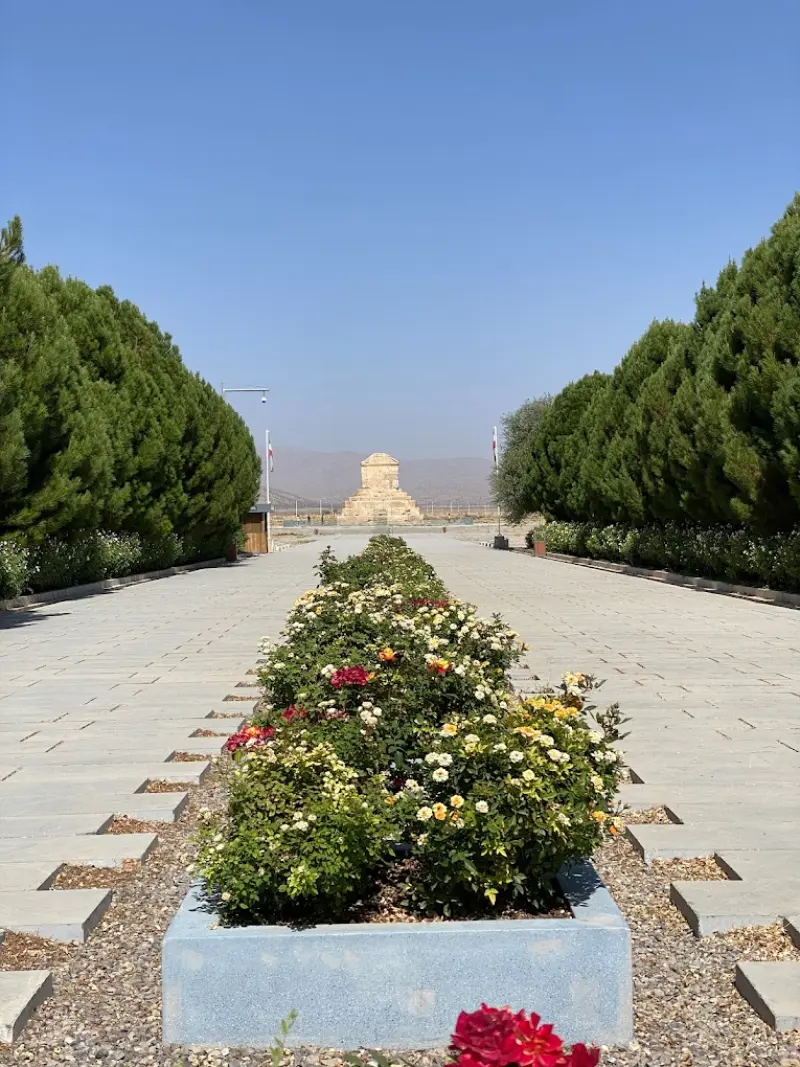
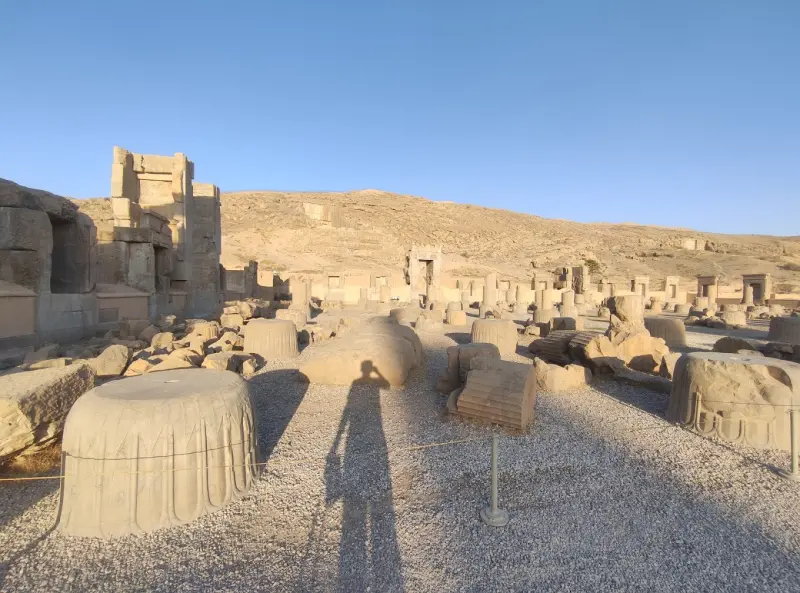
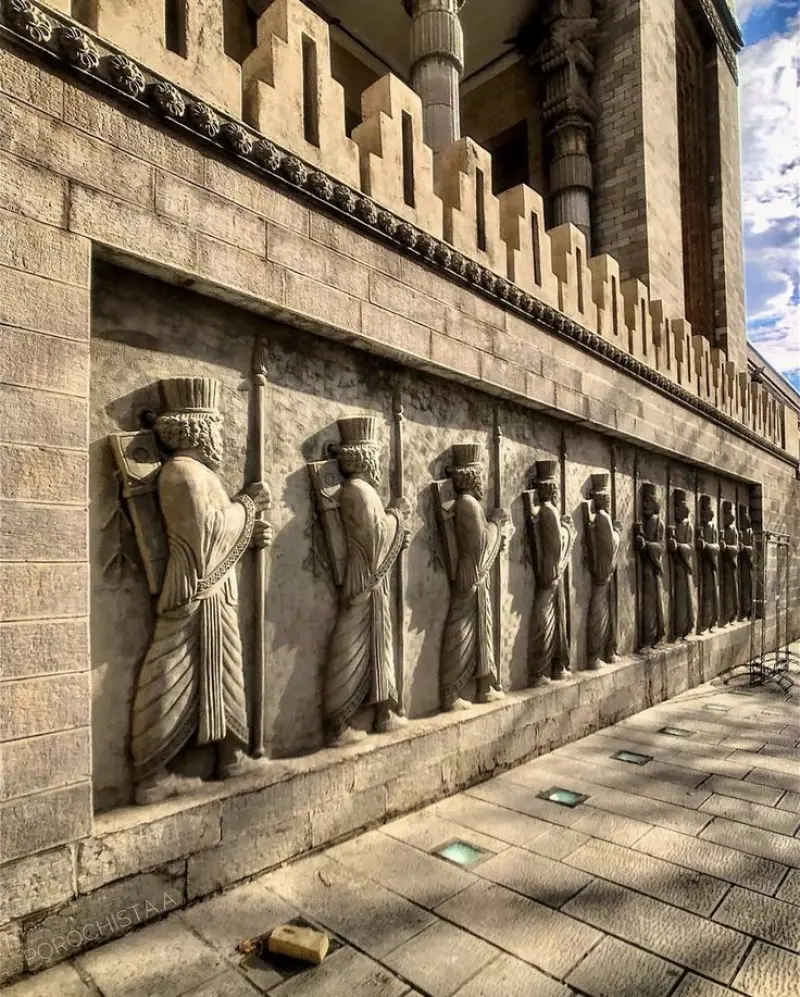
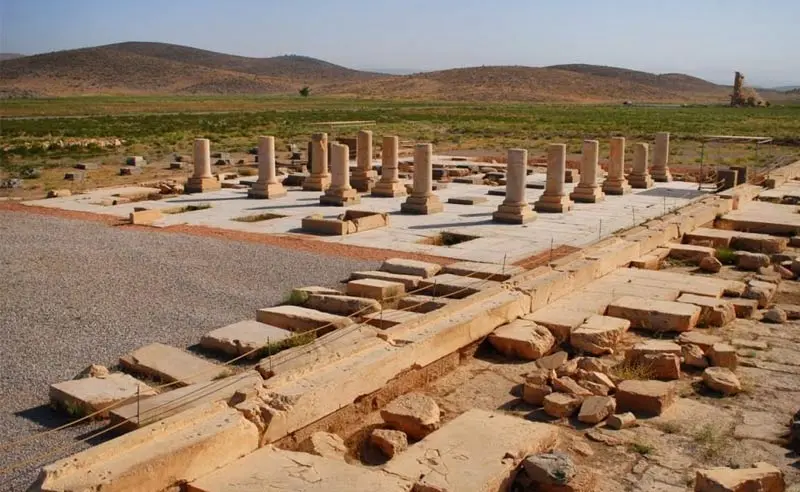
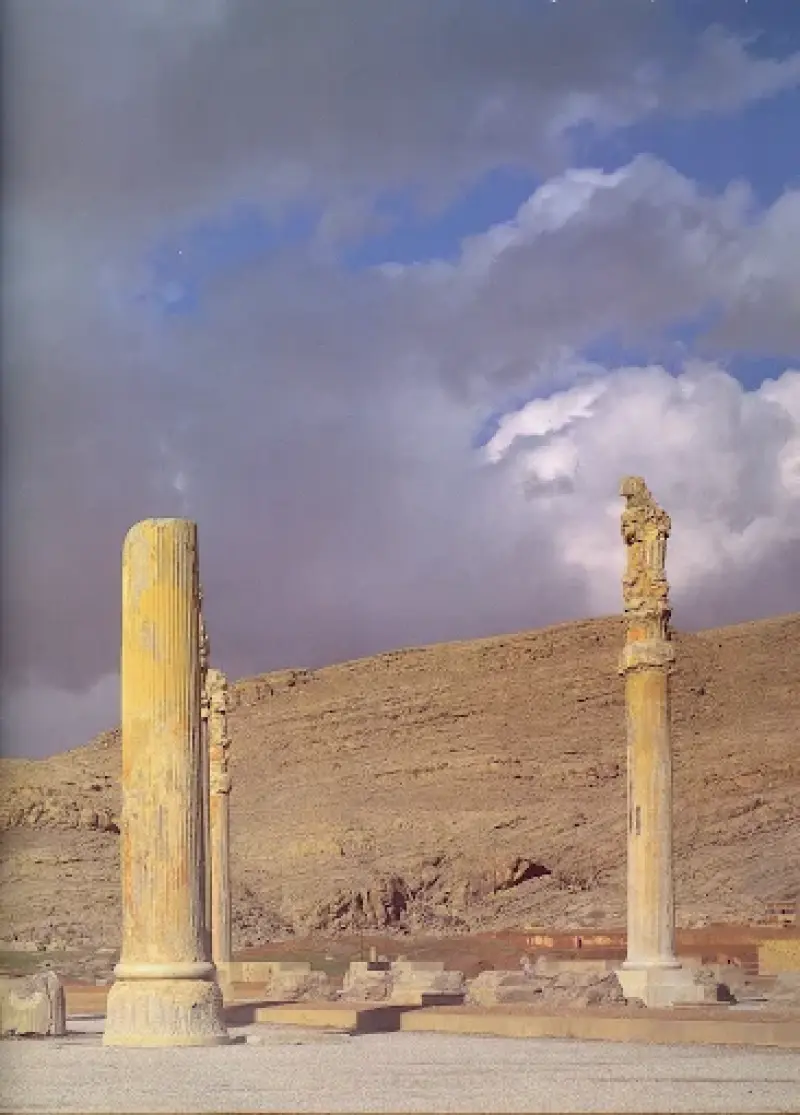
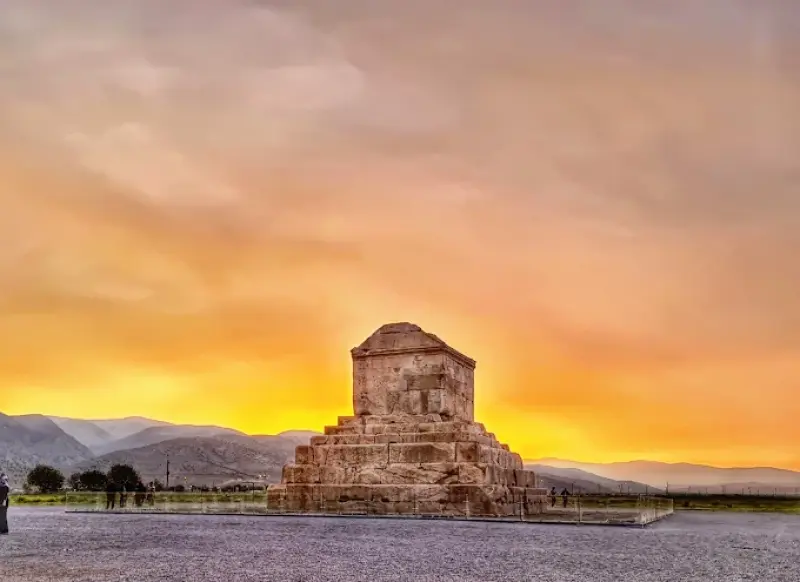
The Pasargadae World Heritage Site is a group of ancient structures surviving from the Achaemenid era, located in Pasargad County in Fars Province. The complex includes buildings such as the Tomb of Cyrus the Great, the Royal Garden of Pasargadae, the Gate Palace, the Bridge, the Audience Hall, the Private Palace, two pavilions, the water features of the Royal Garden, the Tomb of Cambyses, the defensive structures of Tall-e Takht, the Mozaffari Caravanserai, the Sacred Precinct and the Bolaghi Gorge. Pasargadae is the fifth Iranian site to be inscribed on the UNESCO World Heritage List. It was inscribed at the UNESCO session held in China in Tir 1383 (July 2004) with 100 percent of the votes, in recognition of the many criteria it meets.
Pasargadae, near Shiraz, was the first capital of the Achaemenid Empire and was founded by Cyrus the Great in the sixth century BCE. The name Pasargadae originally means "the noble ones of the age." The city's original name was something like "Pasargad" (Pasaragad), and the modern pronunciation is also correct; the name has no connection with "Pars." The name comes from the Pasargadae tribe, the tribe of the Persian kings, which meant "those who wield heavy maces." It has also been suggested that Pasargadae may be a modified form of "Parsagrad," meaning "city of Pars." Grad, gord and gerd (as in Dastgerd) mean "city." Hinz has suggested that the Elamite name of this place may originally have been Batrakatas.
Pasargadae lies on a high plain at an elevation of 1,900 metres above sea level, surrounded by mountains. In the 7th century AH (13th century CE), an atabeg of the Salghurid dynasty of Fars built a mosque near the Tomb of Cyrus the Great, using stones from the palaces. On the occasion of the 2,500-year celebrations of the Iranian monarchy in 1971, these stones were returned to their original places. The best seasons to visit the area are spring and autumn. In spring, this beautiful area, set in a wide plain, is full of colourful flowers. In autumn, the leaves of the trees turn many different colours and create a lovely view.
Written by زهرا لنگری Last updated
Activities
What you can do here, and what it takes
-
Walking
کفش پیادهروی مناسب بههمراه داشته باشید.
Specifications
Introduction of the location and specifications of Pasargadae Historical Complex
Oldness:
540 BCE
Construction Period:
Achaemenid
Location:
Fars, Madar-e Soleyman
Coordinates:
30.19426482, 53.16716549
Open in maps
Height above mean sea:
1846 meter
Floras:
Temperate Grasslands
Faunas:
Presence of Allergenic Insects, Presence of Herbivorous Animals
Transports:
Private car
Tourist Attractions in Fars
Attractions that are nearby
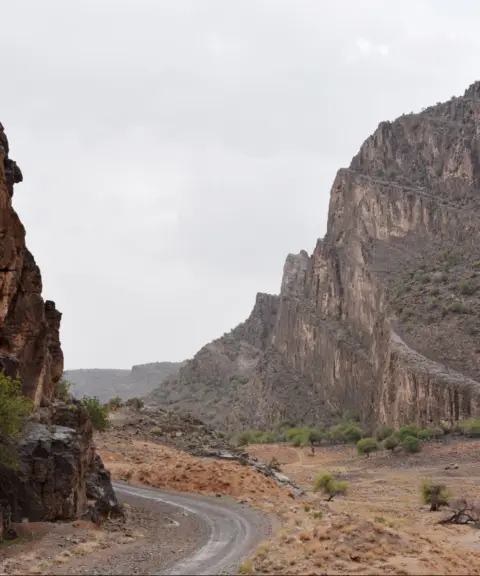

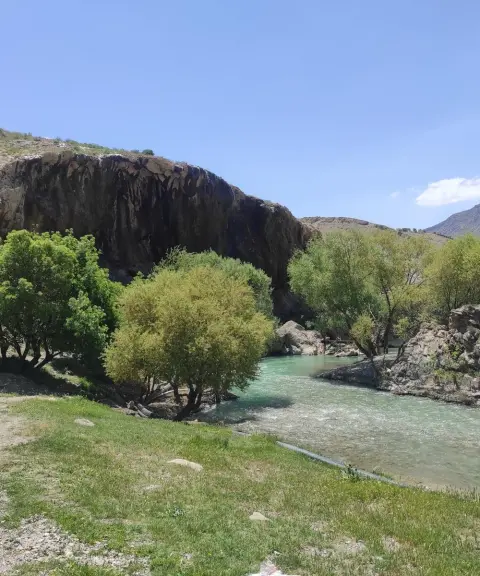
Tang-e Khoshk
Province Fars
- Mountaineering
- Walking
- Rock Climbing
- Canyoning
The Gorge of the Zagros Waterfalls
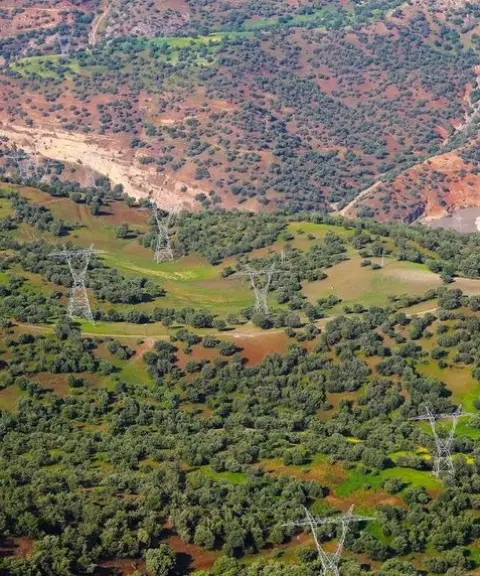

Bonab Forest, Arsanjan
Province Fars
- Walking
- Cycling
- Mountaineering
A Green Gem on the Slopes of the Zagros
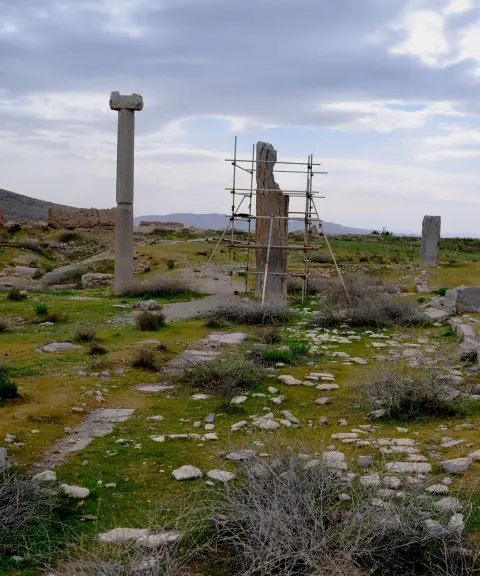
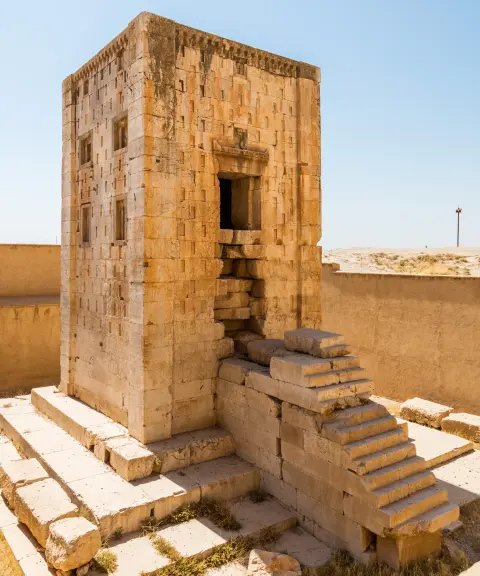
Kaaba-ye Zartosht (Kaaba of Zoroaster)
Province Fars
- Walking
The Splendor of Achaemenid Architecture at Naqsh-e Rostam
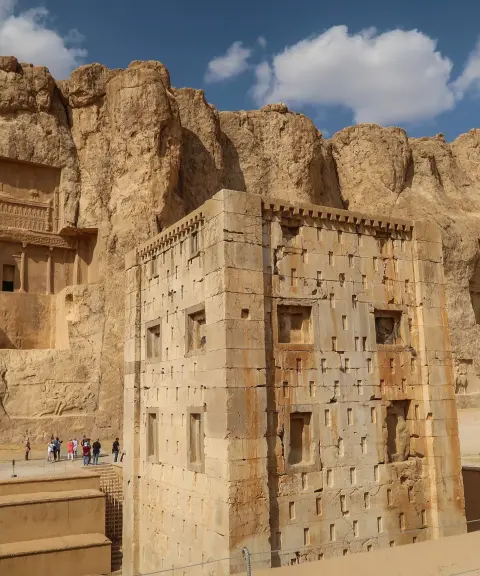
Naqsh-e Rustam
Province Fars
- Walking
A treasure of ancient Iranian history and art in the heart of the Fars mountains
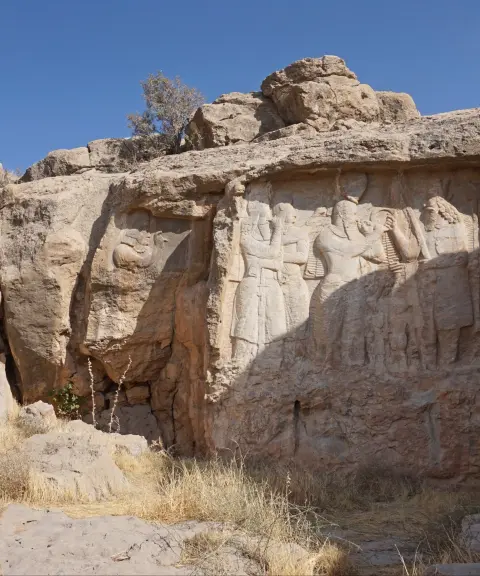
Naqsh-e Rajab
Province Fars
- Walking
A magnificent treasure of Sassanid history in the heart of the Fars mountains
Related tags:
Unfortunately, no comments have been registered.